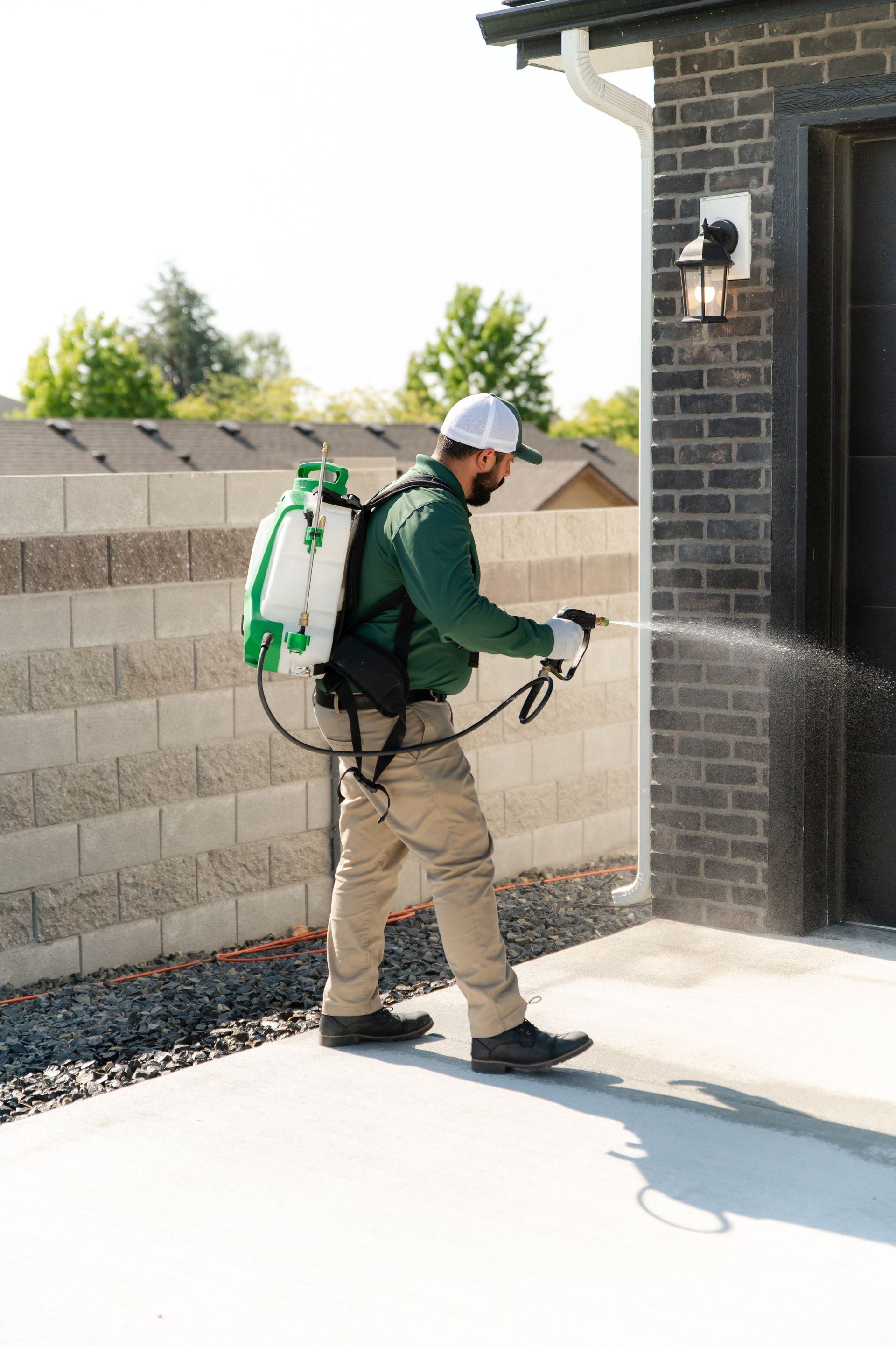
Ant control companies provide professional diagnostic, extermination, and preventative services designed to manage infestations that exceed the capacity of over-the-counter DIY solutions. These firms employ licensed technicians who utilize integrated pest management (IPM) strategies, which prioritize precise chemical application, habitat modification, and ongoing monitoring to eliminate colony structures rather than just surface-level foragers.
Managing an ant infestation in 2026 requires more than simply applying a generic repellent. Because ant species—such as odorous house ants, carpenter ants, or fire ants—exhibit vastly different behavioral patterns and dietary preferences, professional intervention is often necessary to achieve long-term suppression. The services offered by pest control operators (PCOs) are designed to identify the exact species, locate the queen’s nesting site, and establish a chemical or physical barrier around the property perimeter to prevent re-entry.
Understanding the Role of Professional Ant Control
The primary objective of an ant control company is to disrupt the biological lifecycle of the colony. Many homeowners mistakenly focus on the "trails" of ants visible on countertops or floors. However, these foragers represent only a fraction of the total population. If the source of the colony remains untouched, the queen continues to produce offspring, and the infestation persists regardless of how many individual ants are removed.
Professional services are rooted in the concept of social insect management. Technicians utilize baits with slow-acting active ingredients that foragers transport back to the nest. This mechanism, known as trophallaxis—where ants share food with each other and the queen—is the most effective way to eliminate a nest that is hidden inside wall voids, under foundation slabs, or deep within landscaping.
Key Services Offered by Pest Control Companies
When you engage a professional service, you are paying for expertise in identification and targeted delivery systems. Most reputable companies structure their services into three distinct phases:
1. Inspection and Species Identification
Before any treatment occurs, a technician must identify the specific species. Treatment for a carpenter ant, which can cause structural damage to wooden components of a home, is significantly different from treatment for pharaoh ants or Argentine ants. Identification involves checking for nesting sites, identifying food sources, and evaluating moisture levels in the structure, which is a major attractant for many species.
2. Targeted Application of Baits and Repellents
Once the species is identified, technicians deploy specific delivery systems. For non-repellent liquid insecticides, the treatment is applied to exterior perimeters where ants naturally travel. These substances are designed to be undetectable, allowing the ants to track the material back to their nesting sites. Baiting stations are used when the nest location is inaccessible, utilizing a matrix—usually a sugar-based or protein-based gel—that is chemically attractive to the specific pest.
3. Exclusion and Environmental Modification
A high-quality pest control service does not rely solely on chemicals. They will provide actionable advice on how to modify the environment to make it less conducive to ant activity. This includes sealing cracks in the foundation, trimming tree branches that touch the siding, and removing food sources that attract foragers.
Comparison of Treatment Methods
Choosing the right service often depends on the severity of the infestation and the structural characteristics of your home. The following table compares common professional approaches used in 2026.
| Method | Primary Goal | Best For | Typical Execution |
|---|---|---|---|
| Interior Baiting | Colony elimination | Kitchen/bathroom nests | Gel baits in wall voids |
| Perimeter Spray | Barrier protection | Prevention of entry | Non-repellent liquid application |
| Structural Treatment | Remediation | Carpenter ant damage | Injection of dust into voids |
| Landscape Modification | Source reduction | Fire ant mounds | Granular baits on exterior lawn |
Requirements and Considerations for Homeowners
Engaging an ant control company is not a "set it and forget it" task. To ensure the effectiveness of the treatment, homeowners must play an active role in the process.
- Sanitation: Before a technician arrives, ensure that food scraps, crumbs, and standing water are addressed. Even the most powerful insecticide will struggle to compete if a kitchen provides an constant supply of alternative food sources.
- Accessibility: Technicians require access to both the interior and exterior of the home. Ensure that storage areas near baseboards or under sinks are accessible, as these are common sites for ant activity.
- Safety Protocols: While professional-grade products are applied with precision, it is important to communicate with your provider regarding pets and children. Modern IPM standards prioritize low-toxicity applications, but you should always review the service agreement to understand the specific chemicals used.
The Cost of Professional Intervention
Pricing for ant control is generally determined by the square footage of the property, the complexity of the infestation, and whether the service is a one-time "clean-out" or part of a quarterly maintenance program. In 2026, most companies offer tiered service plans. A one-time service may be suitable for a minor, localized infestation, whereas persistent or reoccurring issues—often caused by environmental factors like nearby wooded areas—are best handled through ongoing contracts that include routine inspections and seasonal treatments.
Common Questions Regarding Ant Control
How do I know if I have a serious infestation or just a few strays? A few ants are common during seasonal changes, but if you notice consistent trails, ants appearing in multiple rooms, or signs of structural damage (such as frass, which looks like sawdust), you are likely dealing with an established colony that requires professional assessment.
Are professional ant control methods safe for my pets? Yes, when performed by a licensed professional. Technicians are trained to apply materials in cracks, crevices, and exterior zones where pets do not typically come into contact with the product. Always notify your provider about pets during the initial consultation.
Why did the ants return a week after treatment? Ants often return if the exterior barrier is disrupted or if the original colony was particularly large, requiring a second application of bait to reach the remaining brood. Most reputable companies offer a "warranty period" or follow-up service if the pests return within a certain window.
Can I treat carpenter ants the same way I treat sugar ants? No. Treating carpenter ants is a specialized task. Because they nest in wood and can cause structural damage, standard sugar-based baits are often ineffective. They require targeted injection of materials into their nesting galleries.
Does the time of year affect the success of the service? Yes. In 2026, many homeowners find that preventative treatments applied in early spring are the most effective. This creates a barrier before the peak reproductive cycles of common ant species begin during the warmer months.
Next Steps for Property Owners
If you have identified ant activity, the most effective next step is to schedule a professional inspection rather than purchasing random pesticides. Contact a local, state-licensed pest control firm to request an evaluation. Ask the inspector to document the specific species found and to explain their proposed treatment plan, including whether they focus on the nest or merely the foraging trails. By choosing a service that emphasizes integrated pest management, you ensure that the solution addresses the root cause of the infestation while maintaining the safety and integrity of your home.