Ant bite stages typically progress from an immediate, sharp pain or burning sensation at the puncture site to the development of a red papule, the formation of a fluid-filled vesicle or pustule, and eventually, the crusting and healing phase. While most ant encounters result in mild, localized reactions, the specific timeline of these stages can vary significantly based on the species of ant and the individual's allergic sensitivity.
The Biological Mechanism of an Ant Bite
To understand the stages of an ant bite, it is essential to distinguish between a bite and a sting. Many ants, such as fire ants (Solenopsis invicta), use a stinger located at the rear of their abdomen to inject venom, while others, such as carpenter ants or black house ants, use their mandibles to bite and then spray formic acid into the wound.
The progression of symptoms is primarily a response to the chemical composition of the venom or formic acid. The body recognizes these substances as foreign invaders, triggering an inflammatory immune response. This reaction is what dictates the visible "stages" of the bite. Recognizing these stages early allows for better management and helps differentiate a normal reaction from a severe systemic allergic reaction, such as anaphylaxis.
Stage 1: The Initial Contact and Acute Reaction
The first stage begins the moment contact is made. If the ant is a stinging variety, you will experience a sharp, needle-like sensation. In the case of biting ants, the sensation may be more of a localized burning or itching.
- Immediate Symptoms: Intense burning, pain, and redness (erythema).
- Physical Appearance: A small, raised red spot often appears within seconds to minutes.
- The "Flare" Effect: The skin surrounding the puncture site may become warm to the touch. This is the result of vasodilation, where the body’s blood vessels expand to bring white blood cells to the site of the perceived injury.
For most individuals, this stage lasts anywhere from a few minutes to an hour. It is during this period that basic first aid—such as cleaning the area with soap and water and applying a cold compress—is most effective at limiting the inflammatory response.
Stage 2: The Papule and Inflammation Phase
Following the acute sting, the bite site usually transitions into a firm, red bump known as a papule. This stage typically manifests within 30 minutes to a few hours post-encounter.
- Progression of Swelling: The area becomes firm, and the redness may expand slightly. Some individuals experience "large local reactions," where the swelling extends beyond the immediate sting site, sometimes covering a diameter of several inches.
- Itching (Pruritus): As the body releases histamines to deal with the venom, itching becomes the dominant sensation. While the temptation to scratch is high, doing so increases the risk of breaking the skin barrier, which can introduce secondary bacterial infections.
- Management: During this phase, topical treatments such as calamine lotion, hydrocortisone cream, or oral antihistamines are often employed to manage the itching and reduce the inflammatory swelling.
Stage 3: The Pustule Formation (Vesiculation)
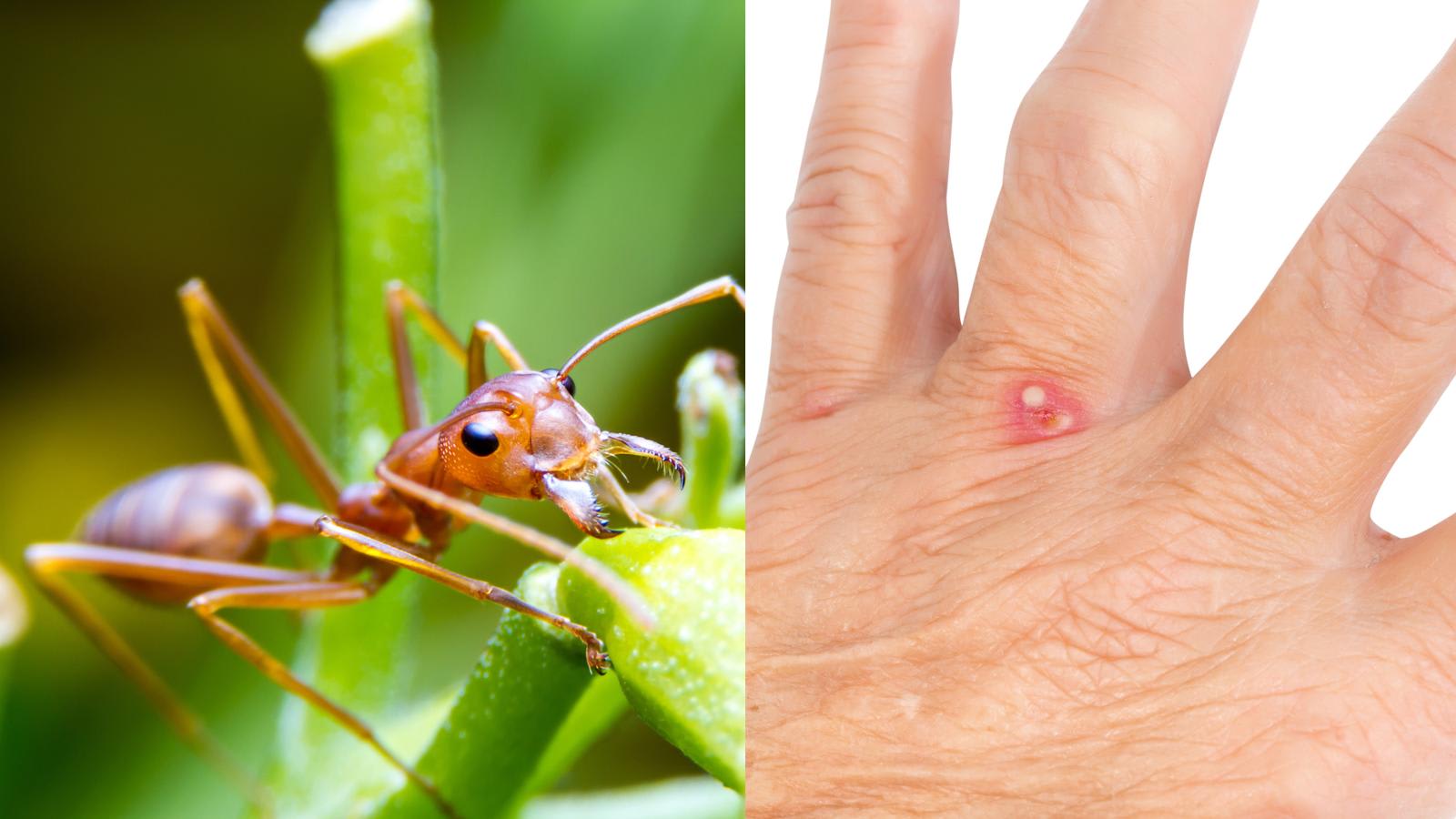
This stage is most commonly associated with fire ants. Unlike mosquito bites, which remain itchy bumps, fire ant bites often develop into characteristic sterile pustules.
- Timing: This stage usually occurs within 8 to 24 hours after the sting.
- Appearance: A small, white, fluid-filled blister (pustule) appears on top of the red bump. It is important to note that this fluid is typically sterile; it is a collection of dead white blood cells and necrotic skin tissue resulting from the intense localized reaction to the venom.
- Risk of Infection: A common mistake at this stage is to pop or drain the pustule. Doing so opens a direct pathway for skin bacteria, such as Staphylococcus aureus or Streptococcus, to enter the dermis. If you notice yellow or green pus, increased pain, or red streaks extending from the bite, you may be dealing with a secondary infection rather than a normal bite progression.
Stage 4: Crusting and Healing
If the bite is left undisturbed and the individual is not allergic, the body naturally moves toward the resolution phase.
- Crusting: After the pustule remains for a few days, it will eventually rupture on its own or be reabsorbed. The site then dries out and forms a small crust or scab.
- Healing Timeline: In a healthy individual, the redness and swelling usually begin to subside within 3 to 7 days. The crusting phase may last for another week.
- Pigmentation Changes: Even after the wound has closed, you may notice a small, dark spot of hyperpigmentation on the skin. This can persist for several weeks or even months depending on your skin tone and how your body heals.
Comparison of Ant Bite Reactions
| Stage | Common Duration | Primary Symptom | Visual Indicator |
|---|---|---|---|
| Acute | Minutes | Sharp pain, burning | Red puncture spot |
| Inflammatory | 1–6 Hours | Intense itching, swelling | Firm, red papule |
| Pustular | 8–24 Hours | Mild tenderness | White, fluid-filled blister |
| Healing | 3–14 Days | Gradual fading | Crust/Scab formation |
Identifying When to Seek Medical Attention
While the stages described above represent a standard, non-allergic response, certain red flags indicate a need for professional medical intervention.
1. Systemic Allergic Reactions (Anaphylaxis) Anaphylaxis is a life-threatening medical emergency. It can occur within minutes of a bite. Symptoms include:
- Difficulty breathing or wheezing.
- Swelling of the face, lips, tongue, or throat.
- Dizziness, lightheadedness, or a rapid, weak pulse.
- Hives spreading away from the bite site.
- Nausea, vomiting, or diarrhea.
2. Signs of Secondary Infection If the bite site does not follow the standard progression and instead shows signs of worsening, seek care.
- Spreading redness that feels hot to the touch.
- Increasing pain rather than decreasing pain after 48 hours.
- The presence of foul-smelling drainage.
- Fever or chills.
If you have a known history of severe allergic reactions to insect stings, you should carry an epinephrine auto-injector as prescribed by a healthcare provider. Always seek immediate emergency care if you experience any signs of anaphylaxis, regardless of how many times you have been stung before.
Frequently Asked Questions
Why do some ant bites turn into white pustules while others do not? Pustule formation is highly dependent on the ant species. Fire ants contain alkaloids in their venom that are specifically necrotoxic, causing cell death at the site, which leads to the formation of the white pustule. Ants that rely primarily on formic acid usually cause burning and localized inflammation but do not typically create pustules.
How can I stop the itching without scratching? To minimize the itch without breaking the skin, use a combination of cool compresses to numb the area and oral antihistamines to block the histamine receptors. Keeping the fingernails short can also prevent accidental damage to the skin if you scratch while sleeping.
Is it safe to use home remedies like baking soda? Baking soda paste is a common traditional remedy that can help soothe the skin due to its mild alkaline properties, which may help neutralize acidic venom. However, it is not a medical treatment for infection. Use it only for symptomatic relief of mild itching on unbroken skin.
Can I prevent ant bites if I know I will be in an infested area? Prevention is the best strategy. Wear long pants tucked into socks, closed-toe shoes, and insect repellent containing DEET or Picaridin. Be mindful of where you stand or sit; avoid disturbing ant mounds, which are often recognizable by their raised, loose-soil structure.
How long does it take for the red marks to disappear completely? While the acute pain ends within hours and the pustule within days, the post-inflammatory hyperpigmentation (the darkened skin) can take anywhere from two weeks to several months to fade completely, depending on your skin’s individual regeneration rate.
Next Actions and Recommendations
If you have been bitten, prioritize keeping the area clean. Wash the site with mild soap and water twice daily. If the bite is on a limb, elevating the area can help reduce localized swelling. Monitor the site for 48 hours; if you observe increasing redness, heat, or systemic symptoms like fever, consult a healthcare provider. Do not attempt to drain any blisters, as this significantly increases the risk of a cellulitis infection. For those living in areas with fire ant populations, keeping an over-the-counter antihistamine in your first-aid kit is a proactive measure for managing the inflammatory stage effectively.