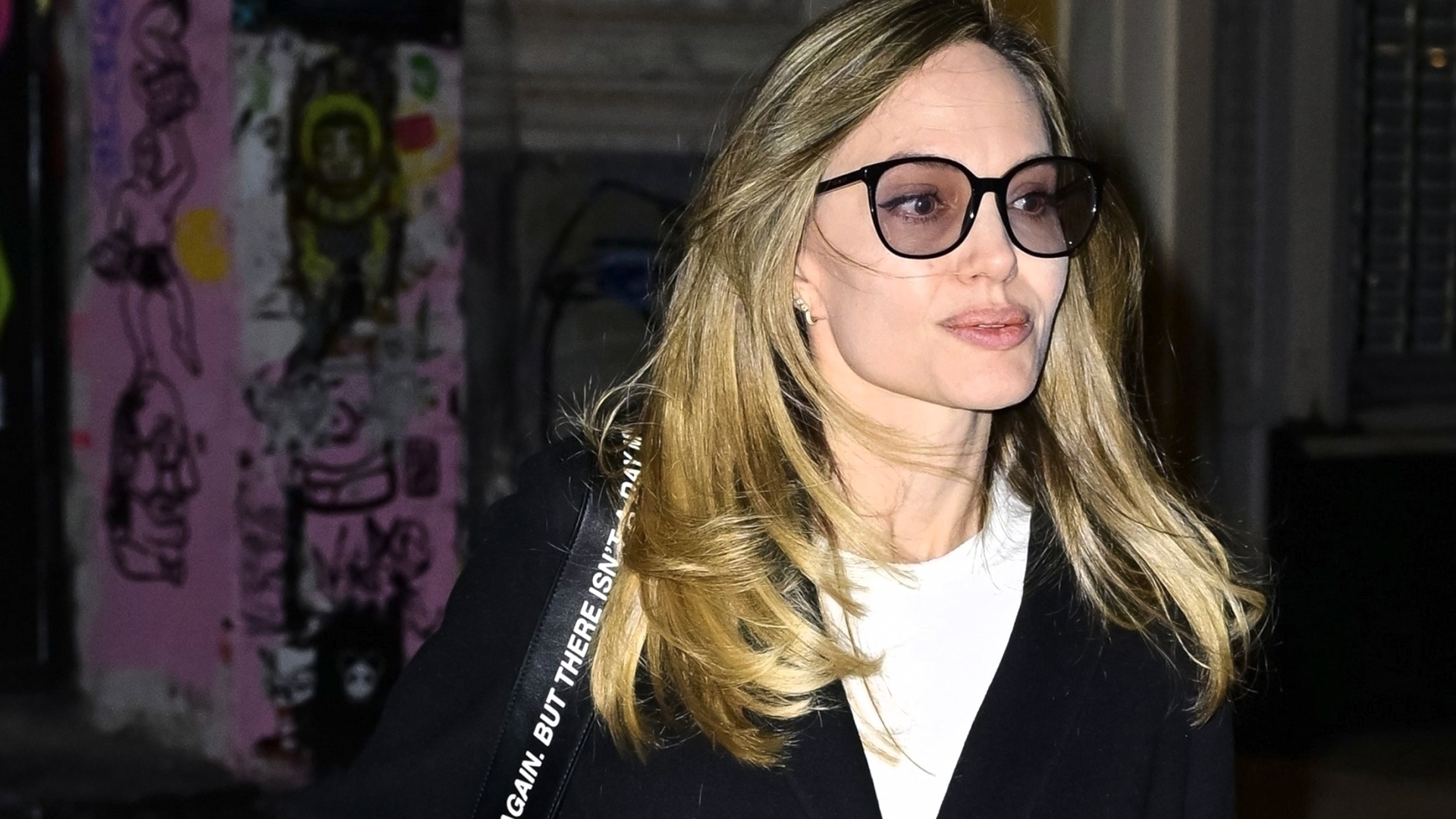
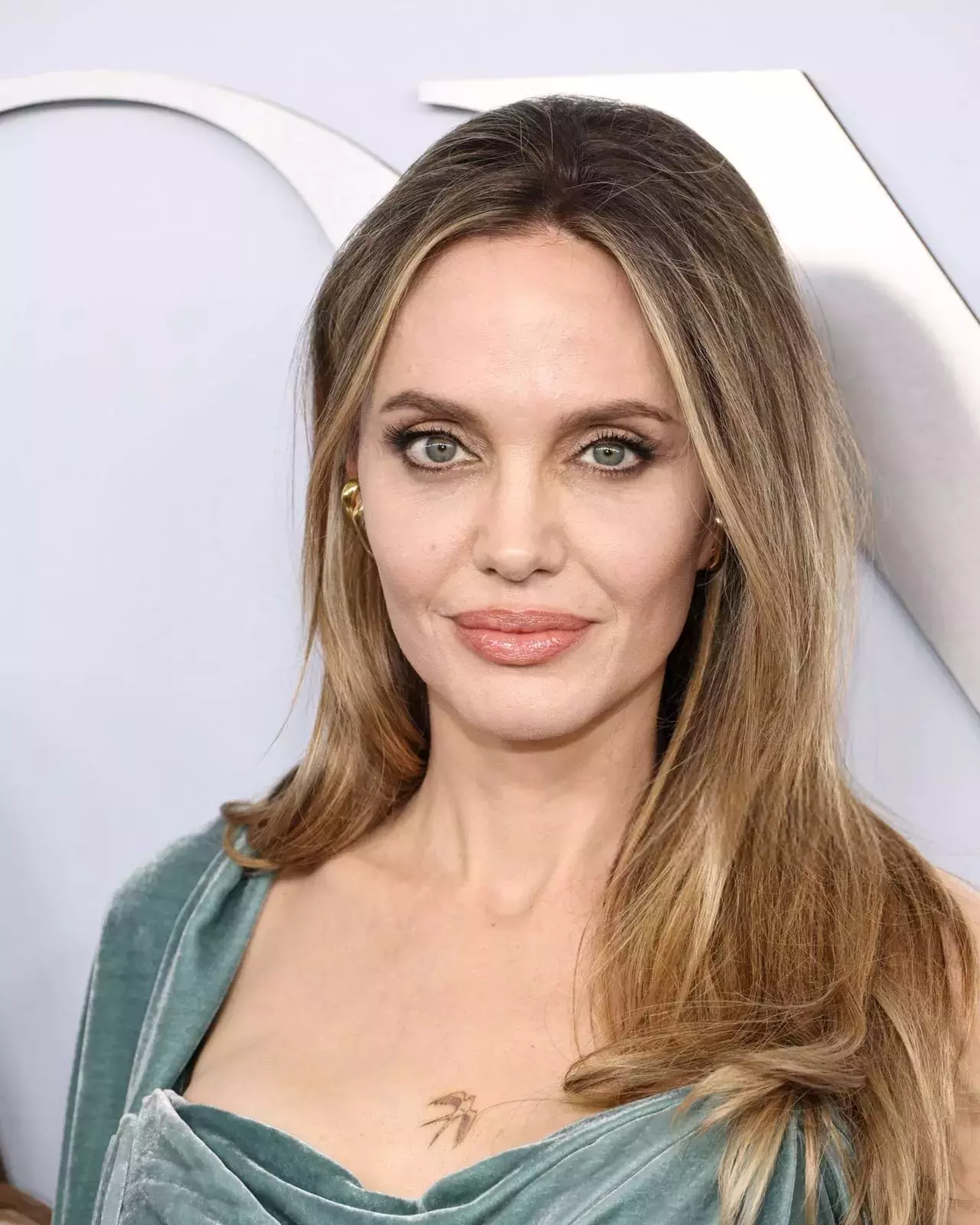
Angelina Jolie’s natural hair color is a dark, warm-toned brown, often described by colorists as a deep espresso or level 3 brunette. While she is globally recognized for her frequent transitions into various shades of brunette and occasional golden highlights, her genetic base remains a rich, dark brown that provides the foundation for the versatile styles she has maintained throughout her career.
The Genetic Foundation: Identifying the True Hue
To understand Angelina Jolie’s natural hair color, one must look back at her early career and candid childhood photographs. Unlike many celebrities in Hollywood who begin coloring their hair at a young age to hide premature grays or to conform to industry standards, Jolie’s hair has consistently featured a dark, grounded aesthetic. Her natural pigment is categorized as a cool-to-neutral dark brown. It lacks the intense, artificial warmth of a chestnut or the flat, opaque quality of a blue-black.
The nuance in her hair color lies in its depth. At a professional level, this is frequently identified as a Level 3—a "Darkest Brown." It possesses a natural luster and a density that allows for significant light reflection, which is why her hair often appears glossy even when she opts for subtle enhancements. This natural base serves as the "anchor" for her colorists, allowing her to transition into lighter browns or mahogany tones without the hair appearing brassy or damaged.
The Evolution of the "Jolie Brown" in Cinema
Throughout her decades in the public eye, Jolie has rarely strayed far from her natural dark roots. While she has experimented with blonde—most notably for roles like Gia Carangi in Gia (1998)—these shifts are almost universally recognized as intentional, high-maintenance departures rather than a shift in her actual color profile.
When reviewing her filmography, it becomes clear that her stylists favor a "lived-in" brunette aesthetic that mimics the subtlety of her natural regrowth. In films like Mr. & Mrs. Smith (2005) or Salt (2010), her hair color is meticulously matched to her natural shade but enhanced with "lowlights" or "babylights" that provide movement. By keeping the root area close to her natural dark brown, she ensures that maintenance remains manageable while maintaining a cohesive look that complements her distinct bone structure and cool-toned complexion.
Technical Breakdown: Analyzing the Pigment Profile
Understanding the technical aspect of Jolie's hair involves examining its porosity and undertones. Dark brown hair, such as Jolie’s, typically contains a high concentration of eumelanin. When exposed to light, this hair type reflects warmer undertones, which is why she often appears to have subtle caramel or mahogany highlights when filmed under bright studio lights or natural sunlight.
Professional colorists often struggle to replicate this exact "natural" depth because artificial dye can sometimes turn flat or monochromatic. Jolie’s look is achieved through a multi-dimensional approach. Her colorists typically utilize:
- Base Color: A semi-permanent deposit-only glaze that reinforces the natural Level 3 darkness without damaging the hair cuticle.
- Dimensional Tones: Very fine highlights, often just one or two shades lighter than her natural base, placed strategically around the face and ends to create the illusion of sun-kissed hair.
- Glossing Treatments: The hallmark of her hair’s appearance is its high shine. This is typically achieved through clear protein glazes that seal the cuticle, emphasizing the depth of her natural pigment.
Comparison of Hair Color Strategies
The following table outlines the differences between Jolie’s natural base and the various modifications she has used over the years for character work and public appearances.
| Style / Intent | Color Profile | Technical Approach | Maintenance Level |
|---|---|---|---|
| Natural Base | Level 3 Dark Brown | Minimalist; conditioning only | Low |
| Film Character | Dark Mahogany | Permanent color with red undertones | High (Requires root touch-ups) |
| Red Carpet | Espresso with Gloss | Semi-permanent glaze | Low to Medium |
| Blonde Transitions | Light Honey / Bleach | Double process; heavy lifting | Very High |
The Role of Lighting and Skin Tone
A common point of confusion for fans attempting to replicate her color is the impact of lighting. Angelina Jolie’s skin tone possesses neutral-to-cool undertones, which contrast sharply with her dark hair. This contrast is what creates her signature "striking" look.
In indoor, artificial lighting, her hair often appears nearly black. However, in outdoor daylight, the natural reddish-gold undertones of her dark brown hair become more visible. This duality is a common characteristic of deep brunette hair. If you are seeking to emulate this color, it is essential to consider that the "color" is heavily influenced by how your hair reflects light. A flat, black dye will not provide the same visual interest as a deep, natural brown that allows for subtle light refraction.
Practical Advice for Achieving the "Jolie Look"
If you are aiming to transition toward your natural dark brown or maintain a deep brunette shade similar to Jolie’s, there are several professional considerations to keep in mind.
- Assess Your Starting Point: If your hair is currently bleached or color-treated, moving to a dark brown requires "filling" the hair. Because bleached hair is porous, applying a dark brown dye directly can result in green or muddy tones. A professional must add back the underlying red/warm pigments before applying the final dark brown shade.
- Prioritize Hair Health: Dark, glossy hair is only achievable if the hair cuticle is smooth. If your hair is damaged, it will absorb light rather than reflect it, causing the hair to look dull rather than the rich, deep brown seen on Jolie. Incorporating bond-repair treatments is vital.
- The "One-Shade" Rule: When aiming for a natural look, do not drift more than one or two shades from your natural level. This ensures that when your roots grow in, the line of demarcation is soft and natural, sparing you the cycle of aggressive root touch-ups.
Common Mistakes When Replicating Dark Brown Hair
One of the most frequent errors in home hair coloring is selecting a shade that is too dark, often resulting in a "blocky" or "wig-like" appearance. Because natural hair has subtle variations in pigment, using a single-process box dye results in an opaque, flat color. To avoid this, experts recommend mixing at least two shades of color to create depth.
Another mistake is neglecting the eyebrows. Angelina Jolie’s eyebrows are consistently filled to match the intensity of her natural dark hair. If you darken your hair to a deep brown, failing to adjust the shade of your brows can make the face appear washed out. Always aim for a brow shade that is slightly softer than your hair color to maintain a natural, balanced frame for the face.
FAQ: Addressing Common Questions
Does Angelina Jolie use permanent hair dye? While she has used permanent color for specific film roles, her public appearances typically rely on semi-permanent glazes or "demi" colors. These formulas deposit color without permanently altering the natural pigment of the strand, which helps maintain the health and integrity of her hair.
Is her natural hair curly or straight? Her natural hair texture is fine and leans toward a slight wave. Over the years, her stylists have utilized various blow-dry and styling techniques—often involving round brushes and smoothing serums—to achieve the sleek, straight look she frequently wears on the red carpet.
Why does her hair look lighter in some photos? Hair color is highly dependent on environment. Bright, direct sunlight will always make dark hair look lighter by revealing the natural reddish-gold warmth beneath the surface pigment. Conversely, indoor, dim lighting will make dark hair appear closer to black.
Can I achieve her hair color if I have light brown hair? Yes, moving from light brown to a deeper, richer brunette is generally safer and easier than moving from dark to light. A deposit-only glaze is usually sufficient to achieve this look without the need for harsh chemicals or developers that might damage the hair.
Next Steps for Your Hair Journey
If you are planning to visit a salon to achieve a look inspired by Angelina Jolie, the most effective next step is to collect several photos of her in different lighting conditions. Show these to your stylist, specifically pointing out the reflectance and the depth of the color.
Request a consultation regarding a "custom brunette glaze" rather than a standard "all-over color." A custom blend ensures that the tone is tailored to your skin’s undertones, preventing the color from appearing too flat or too harsh. By prioritizing the health of your hair and focusing on maintaining a deep, multidimensional shade, you can emulate the timeless, sophisticated style that has defined Jolie’s look for over two decades.