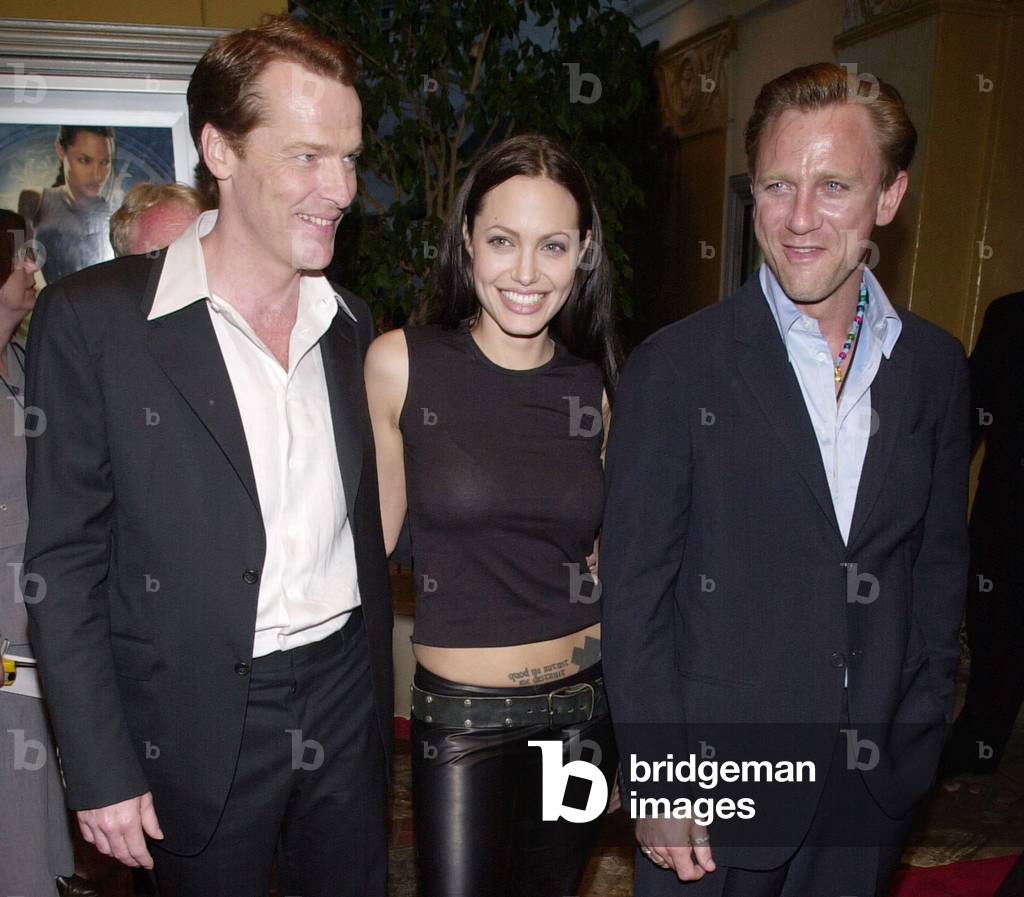
Angelina Jolie’s father is the Academy Award-winning actor Jon Voight. A prominent figure in Hollywood for over five decades, Voight achieved international stardom during the 1960s and 1970s. His career is characterized by versatile performances that have earned him an Oscar, multiple Golden Globe Awards, and a permanent place in the history of American cinema.
The Early Life and Career Beginnings of Jon Voight
Jonathan Vincent Voight was born on December 29, 1938, in Yonkers, New York. Growing up in a family with a background in athletics and the arts, Voight initially pursued interests in stage acting while attending The Catholic University of America in Washington, D.C. After graduating in 1960, he moved to New York City to pursue a career as a professional actor.
His early years were spent honing his craft in the theater, including an appearance in the original Broadway production of The Sound of Music (1959), where he played Rolfe. Throughout the mid-1960s, Voight appeared in various television dramas, such as Gunsmoke and Naked City, which helped him build the screen presence necessary for his transition into film.
The turning point in Voight’s career arrived with the 1969 film Midnight Cowboy. Directed by John Schlesinger and co-starring Dustin Hoffman, the film was a gritty, groundbreaking depiction of life in New York City. Voight’s performance as the naive, aspiring gigolo Joe Buck garnered him an Academy Award nomination for Best Actor. This role effectively launched him as a leading man and established his reputation for tackling complex, often morally ambiguous characters.
The Academy Award Achievement
The pinnacle of Jon Voight's critical acclaim came nearly a decade after his initial breakthrough. In 1978, he starred in the Hal Ashby film Coming Home, a poignant drama about the Vietnam War. Voight played Luke Martin, a paraplegic Vietnam veteran who undergoes a personal and political transformation, eventually forming a deep connection with Sally Hyde, played by Jane Fonda.
The role was physically and emotionally demanding. To prepare, Voight spent time with veterans and utilized a wheelchair to gain a visceral understanding of the character’s physical limitations and internal struggles. His commitment to the part was lauded by critics and peers alike. At the 51st Academy Awards in 1979, Voight won the Oscar for Best Actor, cementing his status as one of the most respected dramatic actors of his generation.
Comparing Key Milestones in Jon Voight’s Career
To understand the breadth of Voight's influence on the film industry, it is helpful to look at the diverse range of roles he has occupied. While the Oscar for Coming Home is the defining highlight, his career spans various genres, from psychological thrillers to blockbuster action films.
| Film Title | Year | Notable Role | Genre |
|---|---|---|---|
| Midnight Cowboy | 1969 | Joe Buck | Drama |
| Deliverance | 1972 | Ed Gentry | Thriller |
| Coming Home | 1978 | Luke Martin | Drama |
| Runaway Train | 1985 | Manny | Action/Drama |
| Heat | 1995 | Nate | Crime Thriller |
| Mission: Impossible | 1996 | Jim Phelps | Action |
| Ali | 2001 | Howard Cosell | Biography |
The Relationship Between Father and Daughter
The relationship between Jon Voight and his daughter, Angelina Jolie, has been a subject of significant public and media attention for many years. Angelina Jolie, born in 1975 to Voight and actress Marcheline Bertrand, grew up in the shadow of her parents' fame.
Public knowledge of their relationship has often been colored by cycles of reconciliation and estrangement. The media frequently documented these periods of tension, particularly during the early 2000s. Despite the personal complexities inherent in their high-profile dynamic, both parties have acknowledged the influence of the entertainment industry on their lives. Jolie began her own acting career as a child, appearing alongside her father in the 1982 film Lookin' to Get Out.
In recent years, the relationship has stabilized, with public appearances suggesting a focus on their mutual roles as family members and parents to Jolie’s children. This maturation of their private dynamic serves as a reminder that even for the most famous families, private reconciliation often occurs away from the public gaze, regardless of the professional achievements that define their public personas.
Defining the Legacy: Craft and Versatility
Jon Voight’s legacy is not confined to a single award. His longevity in an industry notoriously difficult for aging actors is a testament to his adaptability. Throughout the 1990s and 2000s, Voight seamlessly transitioned into character roles that showcased his range.
In the 1995 film Heat, he played the seasoned fence Nate, a supporting role that demonstrated his ability to command a scene without being the protagonist. His portrayal of sports broadcaster Howard Cosell in the 2001 film Ali required a total physical and vocal transformation, for which he received another Academy Award nomination. This ability to disappear into a character has remained a consistent theme throughout his work.
Furthermore, his influence extends beyond his own performances. By remaining a consistent presence in film, he has navigated the evolution of cinematic technology and storytelling styles—from the independent-minded character studies of the 1970s to the high-budget, computer-generated spectacle of modern franchises.
Addressing Common Misconceptions
When discussing Jon Voight, it is common for the focus to shift rapidly toward his political views or his complex family history. However, for those interested in film history, it is essential to separate his professional accomplishments from personal narratives.
- Political Engagement: While Voight is an active and vocal participant in American political discourse, his acting career has maintained a separate trajectory. His professional reputation remains built on his technical skill and contribution to cinema.
- Generational Misunderstanding: Some audiences may assume his fame began in the late 20th century, but his influence is rooted in the "New Hollywood" era. Understanding this context helps clarify why his work carries such weight with contemporary directors and actors.
- The "Hollywood Family" Myth: Media often treats the Jolie-Voight connection as a monolith. In reality, Jolie carved out a distinct path, transitioning from acting to directing and humanitarian advocacy, marking her own identity separate from the legacy of her father.
Frequently Asked Questions
1. Was Jon Voight the only Oscar-winning actor in the immediate family? While Jon Voight won the Academy Award for Best Actor, his daughter, Angelina Jolie, is also an Academy Award winner. She won the Oscar for Best Supporting Actress in 2000 for her role in Girl, Interrupted.
2. Which film is most often associated with Jon Voight’s acting style? Deliverance (1972) is frequently cited as a quintessential Voight performance. It captured the intensity of the survival-thriller genre and showcased his ability to play an "everyman" thrust into extraordinary, often terrifying circumstances.
3. Does Jon Voight still act in films as of 2026? Yes, Jon Voight maintains a steady career in film and television. He continues to take on roles that utilize his experience and gravitas, frequently appearing in both independent projects and larger-scale television productions.
4. How did Angelina Jolie’s upbringing affect her career? Growing up in a household with two actor parents provided Jolie with an early, direct exposure to the craft. While she has frequently noted the challenges of growing up in the spotlight, this proximity to the industry provided an foundational understanding of film production and performance that influenced her later work as a director.
5. What is the historical significance of the 1978 film Coming Home? Coming Home is widely regarded as one of the most honest depictions of the Vietnam War’s impact on veterans. It was a cultural touchstone that helped shift public discourse regarding returning soldiers, and it remains a standard-bearer for social-issue dramas in Hollywood.
Next Steps for Film Enthusiasts
If you are interested in exploring the work of Jon Voight as a study in acting history, the best approach is to view his films chronologically. Starting with Midnight Cowboy offers a look at the gritty realism of 1969, while following that with Coming Home illustrates the dramatic maturity he achieved by the end of the 1970s. For those interested in his later work, Heat and Ali offer excellent examples of how he adapted his style to match the evolving demands of ensemble acting and biographical realism.
By prioritizing the films themselves over the peripheral media coverage, one can gain a deeper appreciation for why he remains a foundational figure in the American cinematic landscape, and how he helped shape the career path of his daughter, Angelina Jolie.