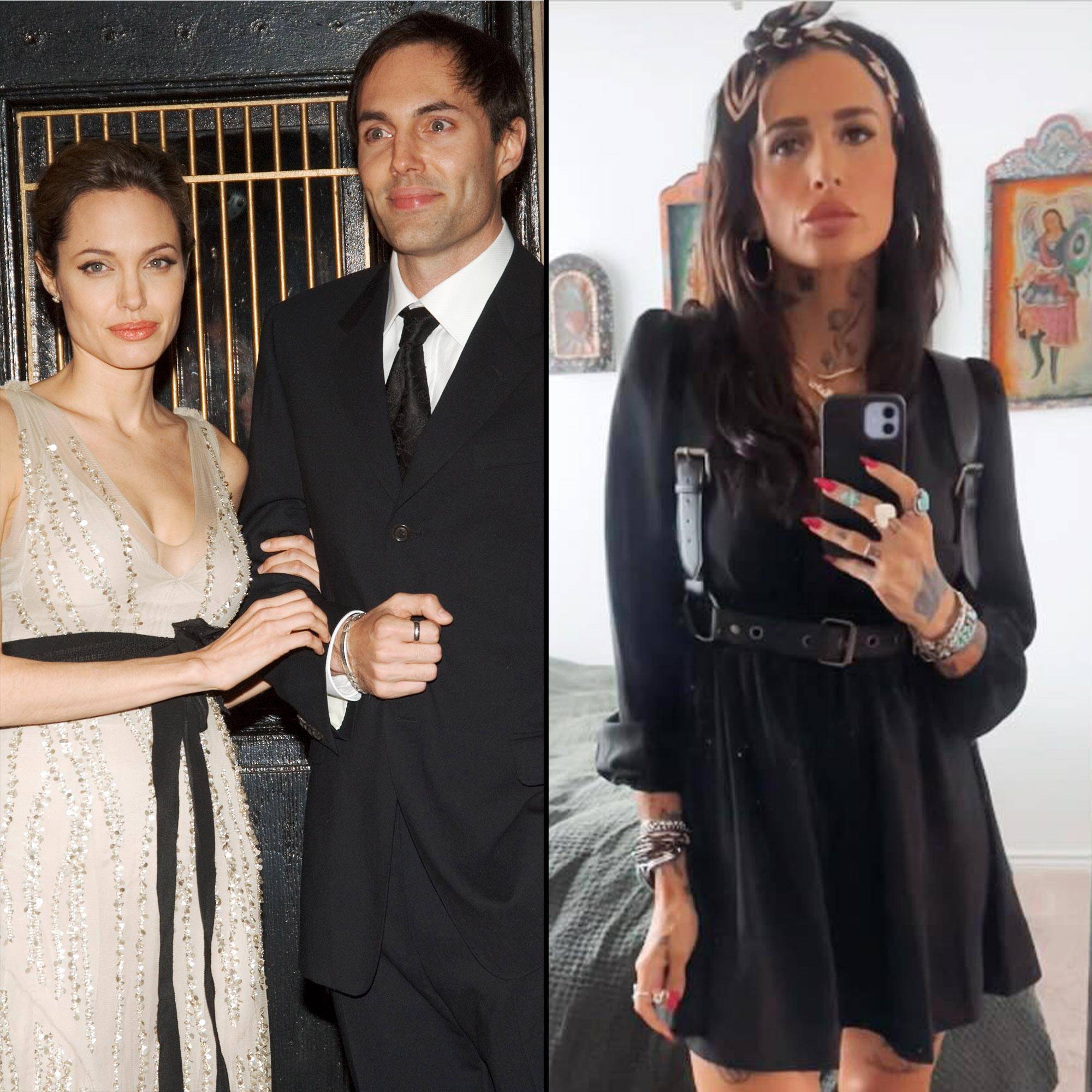
The relationship between Angelina Jolie and her brother, James Haven, is defined by a lifelong bond that has weathered intense public scrutiny, family trauma, and the evolving nature of fame. Their connection, often described as exceptionally close, represents a primary emotional support system for both, rooted in their shared upbringing under the spotlight of Hollywood’s elite.
The Foundation of a Shared History
Angelina Jolie and James Haven Voight were born to actors Jon Voight and Marcheline Bertrand. The formative years of their childhood were heavily influenced by the dissolution of their parents' marriage. This domestic instability served as the crucible for their relationship, creating a dynamic where the siblings became each other's primary confidants and protectors.
Because their mother, Marcheline Bertrand, became the central figure in their lives following the separation, Jolie and Haven developed a fierce sense of loyalty toward her. This protective instinct, directed initially at their mother, naturally extended to one another. Their childhood was not merely one of privilege but one of navigating complex emotional landscapes, which inherently fosters the "us against the world" mentality often observed in children of high-profile, volatile households.
Navigating the Public Eye: The 2000 Academy Awards
For many observers, the public perception of their relationship was crystallized at the 72nd Academy Awards in 2000. During the ceremony, an interaction between the siblings—a kiss captured on camera—became a lightning rod for media speculation. At the time, Jolie was enjoying a meteoric rise in her career, having just won the Academy Award for Best Supporting Actress for her role in Girl, Interrupted.
In the years since, both siblings have clarified that the moment was a reflection of the intense, supportive bond they shared during a period of deep family transition, rather than the scandalous interpretation the media adopted at the time. This event serves as a study in how public scrutiny can distort the reality of familial intimacy. It remains one of the most cited moments in their collective narrative, highlighting the disconnect between internal family dynamics and external media narratives.
The Role of James Haven in Jolie’s Life
James Haven has frequently played a significant role behind the scenes of Jolie’s life, both as a personal confidant and, at various times, as an active participant in her professional sphere. During periods of immense transition for Jolie—including her high-profile divorces and the early stages of her humanitarian efforts—Haven has been a steady presence.
Beyond emotional support, Haven has contributed to the upbringing of Jolie’s children. Reports from the mid-2010s indicated that he served as a primary caregiver and "manny" for Jolie’s family, providing stability during times when Jolie’s filming schedule or humanitarian missions required significant travel. This role underscores the depth of their bond; it transcended the typical boundaries of adulthood and sibling relations to encompass a collaborative, integrated family structure.
The Influence of Marcheline Bertrand
To understand the relationship between Jolie and Haven, one must acknowledge the central figure of their mother, Marcheline Bertrand. A former actress who transitioned into producer and humanitarian work, Bertrand instilled in her children a commitment to philanthropy and emotional resilience. Her death in 2007 from ovarian cancer was a watershed moment for both siblings.
The loss of their mother served to pull the siblings even closer, as they navigated the grief of losing the parent who had been their primary anchor. It also necessitated a recalibration of their relationship with their father, Jon Voight. While Jolie’s relationship with Voight has been famously cyclical and often strained, Haven’s relationship with their father has followed its own separate, sometimes more consistent trajectory. The presence of these varying internal relationships highlights how the siblings functioned as distinct individuals while maintaining a unified front in their private lives.
Comparing Key Aspects of Their Familial Bond
| Feature | Contextual Significance |
|---|---|
| Origins | Shared childhood in a fractured household fostered deep, codependent reliance. |
| Communication | Known for high-intensity emotional support and private, protective communication. |
| Professional Role | Haven has acted as an informal assistant and personal support during career peaks. |
| Caregiving | Haven’s involvement in raising Jolie’s children cemented his role as a core family pillar. |
| Public Perception | Often characterized by media sensationalism, contrasting with documented private stability. |
The Evolution of Privacy
In the 2020s, the public nature of the Jolie-Haven relationship has shifted toward a more guarded, private space. As Jolie has faced protracted legal battles and continued to manage the public profile of her six children, the appearances of James Haven alongside her have become less frequent in the media.
This retreat from the public lens is not indicative of a fracture but rather a strategic choice. For celebrities of Jolie’s magnitude, maintaining "the inner circle" is a necessary survival tactic. By limiting the visibility of their bond, they effectively protect the sanctity of their connection from the same media scrutiny that colored their earlier years. The current status of their relationship is defined by a quiet, consistent presence rather than public displays, reflecting a maturity in their adulthood.
Common Misconceptions and Media Framing
The media has often framed the siblings' relationship through a lens of "excessive closeness," ignoring the psychological reality of children who are left to rely on each other for consistency. In modern celebrity journalism, terms like "codependency" are often thrown around to explain why adult siblings remain highly involved in one another’s lives.
However, in the context of their specific upbringing, what the media labels as unusual is, for them, the standard of their survival. The "family portrait" is not one of pathology but one of a chosen family unit. They have maintained this closeness despite the inevitable pressures of fame, wealth, and the constant influx of new people into their respective lives. Understanding this requires moving past the 2000s-era soundbites and viewing their history as a long-term trajectory of mutual reliance.
Frequently Asked Questions
Does James Haven still work with Angelina Jolie? James Haven has transitioned away from the high-visibility roles he held in the past. While he remains a central, trusted figure in her personal life and that of her children, he is no longer actively involved in her professional public-facing ventures.
How does their relationship impact the Jolie children? James Haven’s role as an uncle and caregiver has been consistent. He remains an integral part of the children’s support network, providing the continuity of a familial bond that has remained stable even during the shifts in the children’s living arrangements.
Did the siblings drift apart after their mother’s death? Evidence suggests the opposite. The shared trauma of losing their mother, Marcheline Bertrand, served to solidify their bond, as they were the only two individuals who shared the specific experience of their upbringing and the loss of their primary caregiver.
Is there a formal professional partnership between them? There is no formal corporate or legal entity linking them professionally. Their historical collaboration—such as Haven’s participation in early films or as a support staff member—was based on personal, informal arrangements rather than a structured business enterprise.
Why is their relationship still a topic of public interest? The enduring fascination stems from the early 2000s tabloid narratives that fixated on their sibling dynamic. Because both have maintained a level of mystery regarding their private lives in the years since, the public remains curious about the stability and nature of their bond.
Moving Forward
For those seeking to understand the family portrait of Angelina Jolie and James Haven, it is essential to view them as a unit formed by necessity and maintained by choice. Their story is one of siblings who successfully navigated the pitfalls of extreme fame by turning inward. As both continue to navigate their respective paths in 2026, the primary constant remains their private, protective loyalty to one another—a dynamic that, while often misinterpreted by the public, serves as a cornerstone of their personal stability.