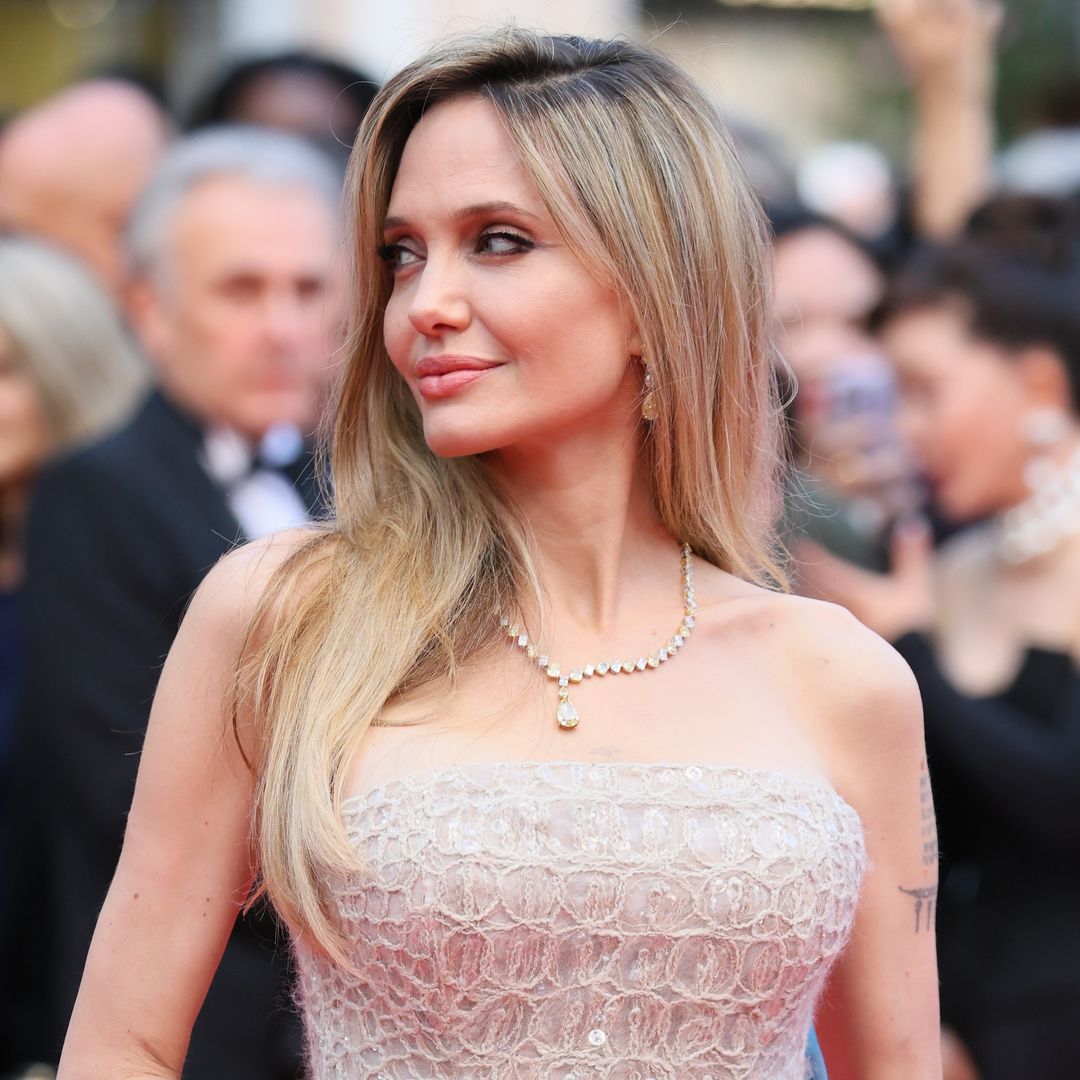
Angelina Jolie’s appearance at the Cannes Film Festival has consistently served as a masterclass in high-stakes beauty, balancing classic Hollywood glamour with an evolving personal aesthetic. Her hair transformations—ranging from stark, high-contrast dye jobs in the late 1990s to the soft, honey-toned highlights and voluminous, lived-in layers displayed during her most recent festival appearances—represent a calculated shift from edgy, rebellious stylings to a refined, sophisticated signature look that emphasizes longevity, health, and effortless elegance.
The Evolution of Style: From Edge to Elegance
To understand Angelina Jolie’s current hair philosophy at Cannes, one must look at the historical trajectory of her red carpet appearances. Throughout her career, Jolie has favored looks that avoid trends in favor of timelessness. In earlier festival appearances, she often opted for sleek, dark, monochromatic locks that mirrored her characters' intensity. These looks were designed to frame her features sharply, often styled in polished updos or bone-straight down-dos that complemented the dramatic, structural gowns she favored.
As her career shifted toward directing and humanitarian work, the Cannes aesthetic followed suit. The "transformation" often discussed by stylists is not a radical, seasonal change, but a strategic "softening" of her profile. By transitioning from deep, ink-black tones to multidimensional, warmer browns and light-reflective highlights, Jolie has successfully adopted a look that provides depth, movement, and a youthful glow. This shift away from flat, single-process color to a more "expensive-looking" balayage or root-smudge technique allows her hair to appear fuller and more vibrant under the intense flashbulbs of the Palais des Festivals.
Technical Analysis of the "Cannes Glow"
The technical execution behind her recent hair iterations relies on several key professional principles: color placement, cut architecture, and hair integrity.
Color Dimensionality
Jolie’s current aesthetic utilizes a technique often referred to as "bronde" or dimensional brunette. Unlike a flat black, which can appear harsh against the skin as one matures, the addition of subtle, tone-on-tone highlights—often placed around the face—brightens her complexion. These highlights are generally kept within two shades of her natural base, ensuring a natural regrowth pattern that avoids the "skunk stripe" effect often seen with amateur bleaching.
Structural Layering
Her recent haircuts prioritize movement. By incorporating long, face-framing layers that start below the chin, the cut creates volume without sacrificing length. This is crucial for red carpet styling, as it allows for the "brushed-out" blowout look that has become her hallmark. The weight is kept at the ends to ensure the hair looks healthy and thick, while the internal layers prevent the hair from becoming weighed down or flat by humidity—a common issue on the French Riviera.
Red Carpet Maintenance and Styling Prerequisites
Achieving a "Cannes-ready" look requires rigorous preparation. Celebrity stylists typically begin the process weeks in advance, focusing on hair health long before the first press event.
- Hydration and Bond Strengthening: High-level color treatments, even subtle ones, can compromise the cuticle. Professional-grade bond builders are used to maintain structural integrity.
- The "Lived-In" Styling Technique: The goal is to avoid hair that looks "frozen" with excessive hairspray. Stylists utilize lightweight texturizing sprays and round-brush techniques that rely on tension rather than chemical fixation.
- Humidity Management: Cannes is notoriously humid, which is the enemy of polished hair. Humidity-resistant serums are applied to the mid-lengths and ends to seal the cuticle against environmental moisture.
- Heat Protection: To maintain the shine seen in her most famous photographs, heat styling is always preceded by thermal protectants that contain light-reflecting silicones or oils.
Comparative Overview: Evolution of Styles
The following table contrasts the defining characteristics of Jolie's past and present red carpet aesthetic.
| Feature | Early Career Aesthetic | Contemporary Cannes Aesthetic |
|---|---|---|
| Color Palette | Solid, intense, monochromatic | Multidimensional, warm, "bronde" |
| Cut Architecture | Blunt, singular, rigid | Soft, layered, face-framing |
| Texture | High-gloss, "sleek" finish | Lived-in, soft volume, movement |
| Styling Goal | Statement intensity | Natural elegance, longevity |
| Face Framing | Minimal / Sharp edges | Integrated / Soft layers |
Managing Expectations and Professional Application
For those looking to replicate these results, it is important to understand that "effortless" is, in fact, labor-intensive. A common mistake is attempting a dramatic color change in a single salon visit. When transitioning to the multidimensional look Jolie wears, professional colorists usually utilize a multi-session approach to lift the hair color slowly, preventing damage and brassiness.
If your hair is naturally dark, the process of achieving warmer, lighter highlights requires an assessment of your hair’s porosity. If the hair is over-processed, it will not hold the gloss required to achieve the expensive, light-catching look seen on the red carpet. Always verify your stylist’s experience with brunette dimension, as achieving the correct "temperature" (neutral-warm vs. cool) is what separates a polished look from an orange or muddy finish.
Frequently Asked Questions
Is Angelina Jolie’s current hair color high maintenance?
While it appears natural, this look requires consistent maintenance. The highlights must be toned every 6–8 weeks to prevent them from turning brassy, and root touch-ups are necessary to blend the natural base with the lighter ends.
How does she achieve that specific volume?
Her stylist typically uses a large-barrel round brush during the blow-drying phase, combined with a texturizing spray applied at the roots. This provides a "lifted" effect that lasts throughout long events, rather than relying on heavy backcombing which can damage hair.
Can this style work on all hair types?
The principle of dimensional color and long, face-framing layers is highly adaptable. However, the specific cut must be tailored to your face shape. Those with finer hair may need to adjust the layer placement to avoid making the ends appear too sparse.
Why does her hair look so shiny in photos?
Aside from professional lighting, high-quality glossing treatments (often done in-salon) are used to seal the hair cuticle. These semi-permanent treatments provide a reflective barrier that mimics natural shine, regardless of the lighting conditions.
Should I bring photos of her to my stylist?
Bringing reference photos is encouraged, but focus on the "vibe" rather than an exact match. Requesting "face-framing dimension" and a "soft, layered cut" is more effective than demanding an exact color match, which may not suit your specific skin undertones.
Conclusion and Recommendations
The "Angelina Jolie transformation" is ultimately a shift toward prioritizing hair health as a foundation for style. To achieve a similar look, focus first on restoring your hair’s cuticle through deep conditioning and bond-strengthening treatments. Once the hair is healthy, transition to a colorist who specializes in dimensional balayage, and ensure your cut includes enough layers to provide the movement characteristic of her modern red carpet look.
For the best results, schedule your professional color service at least two weeks before any major event to allow the color to settle, and invest in a high-quality, lightweight anti-humidity spray to maintain your style in fluctuating weather conditions.