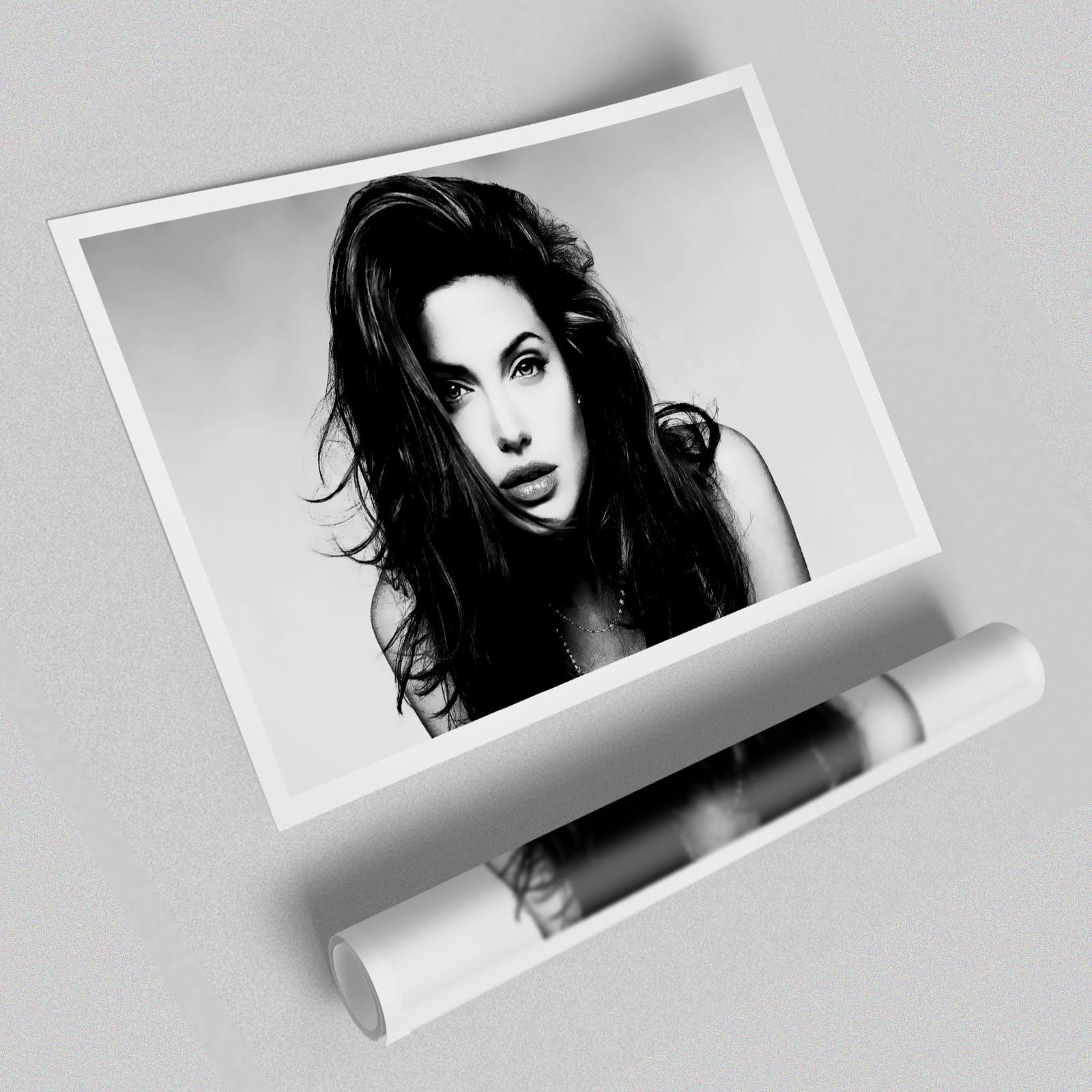
The Angelina Jolie stare challenge is a viral social media phenomenon rooted in the actress’s signature high-fashion editorial look—characterized by a piercing, unblinking, and coolly detached gaze. Users typically attempt to replicate this specific aesthetic through side-by-side video comparisons, aiming to mimic the deliberate stillness and intense eye contact that Jolie has cultivated during decades of red carpet appearances and cinematic performances.
Understanding the Visual Aesthetics of the Stare
At its core, the Angelina Jolie stare challenge is an exercise in non-verbal communication and facial control. For decades, Angelina Jolie has been recognized in the media for a specific brand of "Old Hollywood" glamour mixed with a modern, stoic edge. Her gaze, often described by fashion critics as "predatory" or "mesmerizing," is defined by a lack of extraneous movement. Unlike the common social media tendency to smile, pout, or engage in rapid facial shifts to capture attention, the Jolie aesthetic requires the participant to remain completely neutral.
The challenge requires the user to maintain a direct, steady gaze into the camera lens for an extended duration. The difficulty lies in resisting the natural human reflex to blink or soften the eyes when recorded. Participants often pair this gaze with high-contrast lighting or monochromatic filters to mimic the editorial quality of professional photography seen in magazines like Vogue or Harper’s Bazaar.
The Evolution of the "Jolie Look" in Pop Culture
The cultural fascination with Jolie’s appearance is not new; it has evolved alongside her career. In the late 1990s and early 2000s, her look was often associated with an edgy, rebellious persona. By the 2010s, this transitioned into a more polished, sophisticated silhouette. The "stare" specifically gained traction on short-form video platforms where users began analyzing the "Morpheus" effect—a term sometimes used to describe the stillness and gravity of a person who seems to be observing rather than performing.
By 2026, the trend has become a standard litmus test for users attempting to master the "model off-duty" or "cool girl" aesthetic. It is less about beauty standards and more about the command of one's own image. Users frequently utilize audio clips from her iconic film roles—such as Maleficent or Mr. & Mrs. Smith—to provide a soundscape that mirrors the intensity of their visual performance.
Prerequisites for Participating in the Challenge
To successfully execute the Angelina Jolie stare challenge, participants usually follow a set of informal guidelines established by early adopters. While there are no official rules, the success of the video usually hinges on these technical and stylistic requirements:
- Lighting Control: High-quality lighting is essential. Participants often use ring lights or natural window light to ensure the irises are clearly visible, which adds to the intensity of the stare.
- Facial Neutrality: The most common mistake is overacting. The challenge relies on a "resting" face that does not convey happiness, sadness, or anger, but rather a sense of calm intensity.
- Stability: Using a tripod or a stable surface is crucial. Any shaking of the camera distracts from the "statue-like" quality that the challenge seeks to replicate.
- Duration: Most clips are edited to last between 5 and 10 seconds. Longer videos can lose the impact of the initial gaze, while shorter ones may be perceived as too brief to establish the persona.
Comparative Analysis: Jolie vs. Contemporary Trends
Social media trends often cycle between exaggerated expressions and understated stillness. To understand where this challenge fits, it is helpful to look at how it contrasts with other popular content styles.
| Feature | Angelina Jolie Stare Challenge | Typical Influencer "Vlog" Style |
|---|---|---|
| Facial Expression | Rigid, neutral, steady | Dynamic, expressive, shifting |
| Blinking | Minimized or completely avoided | Natural and frequent |
| Camera Engagement | Piercing, direct eye contact | Casual, glancing away/at screen |
| Audio Role | Background atmosphere/Soundtrack | Direct speech or commentary |
| Goal | Editorial, high-fashion aesthetic | Relatability, entertainment, comedy |
The table above illustrates why this specific challenge remains popular: it offers a stark departure from the "high-energy" content that dominates many algorithms. By demanding a lower level of kinetic energy, it stands out in a feed filled with rapid-fire edits.
The Role of Technology and Editing
The ubiquity of high-definition front-facing cameras on modern smartphones is a primary driver of the challenge's longevity. In 2026, most mobile devices come equipped with computational photography features that automatically sharpen textures and adjust skin tones, which aids the user in achieving the "airbrushed" look characteristic of high-end celebrity photography.
Post-production is another critical component. Many users employ color grading tools to desaturate their videos or increase the contrast of the eyes. These technical adjustments bridge the gap between a casual amateur video and the professional red-carpet aesthetic the trend celebrates. Mastering the "Jolie Stare" is therefore as much a technical skill involving camera settings and color correction as it is a performance art.
Common Mistakes and Troubleshooting
For those attempting the challenge for the first time, several common issues often prevent the desired result:
- Excessive Blinking: Humans blink roughly 15 to 20 times per minute. To create a captivating video, practitioners often practice "staring exercises," holding their eyes open for 10–15 seconds before filming. This helps desensitize the eyes to the dry air and camera light.
- Forced Intensity: Sometimes, participants confuse intensity with frowning. A genuine "Jolie-style" look is usually soft, not harsh. If the eyebrows are furrowed, the effect is lost. The goal is to appear as if you are observing your surroundings without being emotionally moved by them.
- Bad Framing: Framing the shot from too far away makes the facial expression illegible. A "tight" frame, focusing primarily on the eyes and bridge of the nose, is the industry standard for this type of portrait-style video.
Psychological Context: Why It Resonates
Psychologists have long studied the "power gaze." Direct eye contact is associated with authority, confidence, and trustworthiness. By mimicking a celebrity known for their poise, users are experimenting with an archetype of power. Participating in the Angelina Jolie stare challenge is a low-stakes way to adopt a persona of self-assurance. For many, it is less about the celebrity herself and more about the feeling of being "unbothered"—a highly valued social currency in the digital age.
Furthermore, the challenge serves as a form of social bonding. By participating, users signal their familiarity with pop culture references. It creates a shared language of "cool" that requires no words, only the mastery of a specific, recognizable look.
Addressing Potential Misconceptions
There is a tendency to view this trend as a beauty competition, but that is a narrow interpretation. The "stare" is a technical performance. Critics of the trend often suggest it promotes an unattainable standard of beauty, while proponents argue it is an exploration of personal branding and aesthetic control. When viewed through the lens of performance art, it becomes clear that the challenge is accessible to anyone with a smartphone, regardless of their physical resemblance to the actress herself.
Next Steps for Aspiring Participants
If you are looking to attempt the challenge, start by studying the source material. Watch interviews from the early 2000s and recent red-carpet footage to observe the nuance of how Jolie uses her eyes. Practice your "stare" in a mirror without the pressure of the camera to find which angle best suits your facial structure. Once you are comfortable with the stillness, select a piece of audio that fits the mood you want to convey. Finally, use a high-quality, static light source to ensure your eyes catch the light, which is the final "secret" to achieving that iconic look.