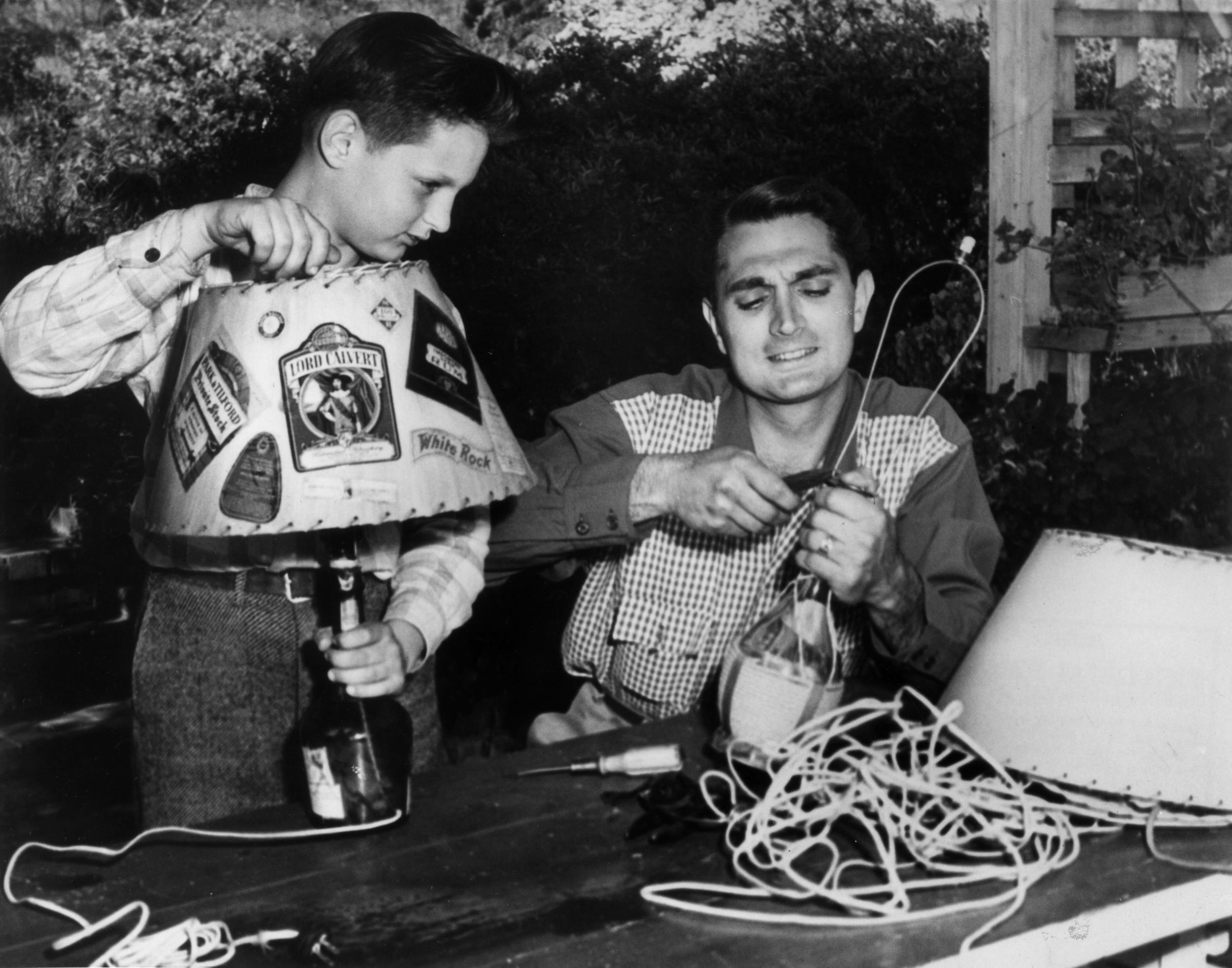
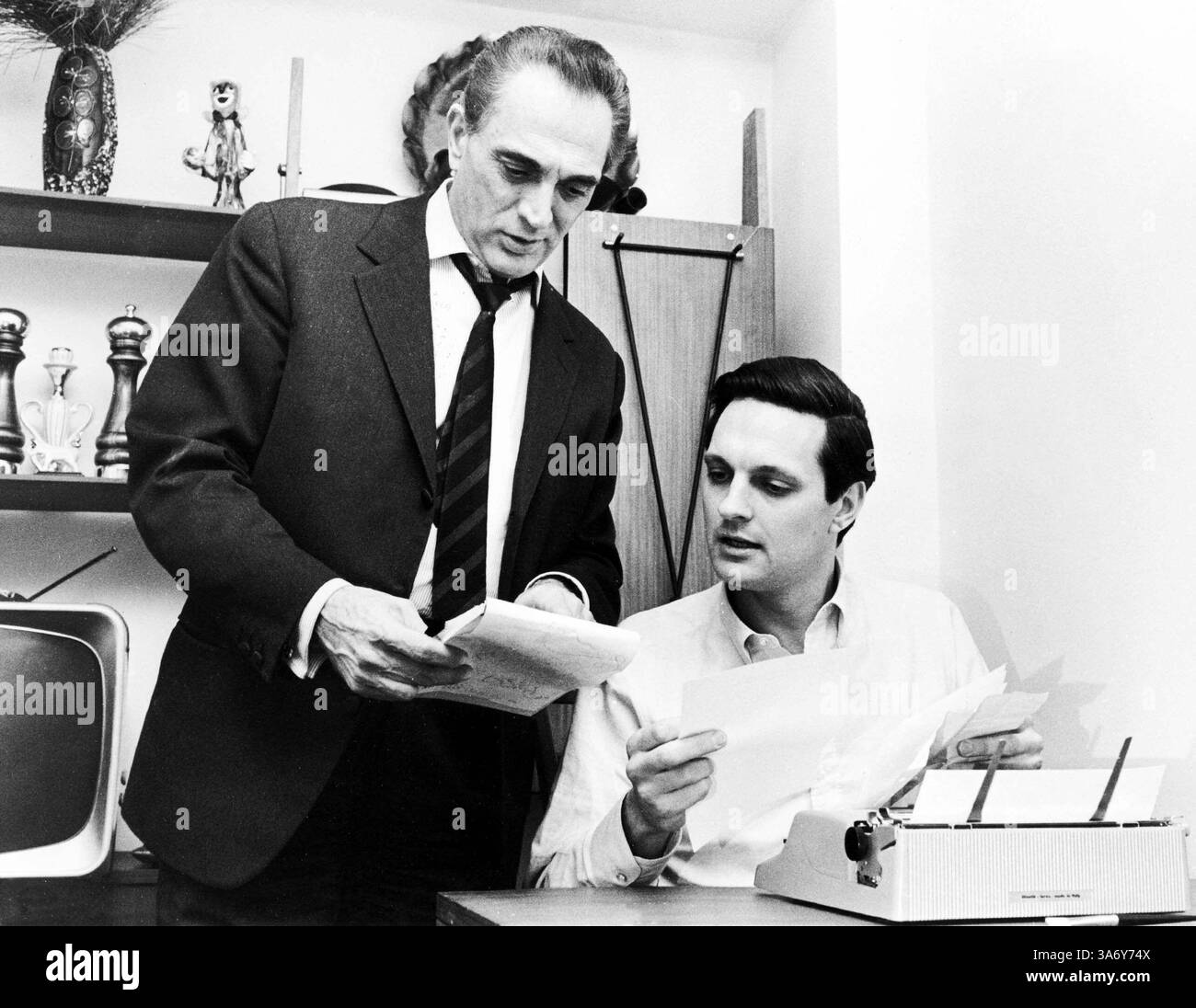
Alan Alda’s father was Robert Alda, a celebrated American actor, singer, and dancer who achieved immense success on both the Broadway stage and the silver screen. Robert Alda, born Alphonso Giuseppe Giovanni Roberto D'Abruzzo, provided the foundation for the family's artistic dynasty, influencing Alan's iconic career through their shared passion for performance and storytelling.
The connection between Alan Alda and his father, Robert, is more than a mere footnote in Hollywood history; it is a narrative of mentorship, shared talent, and the evolution of American entertainment. From the vaudeville stages of the early 20th century to the peak of television’s golden era, the Alda name has remained synonymous with versatility and professional excellence. To understand Alan Alda’s contributions to the arts, one must first examine the life of the man who gave him both his name and his vocation.
The Origins of the Alda Name and Family Heritage
The name "Alda" is an intentional creation, a portmanteau designed for the stage. Robert Alda was born in New York City in 1914 to an Italian-American family. His birth name, Alphonso D'Abruzzo, carried the weight of his heritage but proved cumbersome for the marquees of the burlesque and vaudeville circuits where he began his career. By combining the first two letters of his first name (Al) and the first two letters of his surname (Da), he created "Alda."
Alan Alda, born Alphonso Joseph D'Abruzzo in 1936, eventually adopted the surname professionally, as did his half-brother, Antony Alda. This rebranding was common during the mid-century era, as performers sought names that were punchy and easy for audiences to remember. However, the D'Abruzzo heritage remained a point of pride for the family. The transition from a traditional immigrant identity to a streamlined American stage presence mirrored the broader cultural shifts occurring in the United States during the 1930s and 40s.
Robert’s early life was defined by the grit of the Great Depression and the vibrant energy of the New York performing arts scene. He started as a singer and straight man in burlesque houses, a demanding environment that required impeccable timing and the ability to win over often-difficult audiences. It was in these wings and dressing rooms that a young Alan Alda would spend much of his childhood, observing the mechanics of comedy and drama firsthand.
Robert Alda’s Rise to Stardom: From Rhapsody to Broadway
Robert Alda’s career reached a pivotal turning point in 1945 when he was cast as the legendary composer George Gershwin in the biopic Rhapsody in Blue. This role required a delicate balance of dramatic acting and a convincing portrayal of a musical genius. The film’s success catapulted Robert into the national spotlight, establishing him as a leading man in Hollywood.
While his film career was significant, Robert Alda’s most enduring legacy is perhaps found in the theater. In 1950, he originated the role of Sky Masterson in the Broadway production of Guys and Dolls. His performance was a masterclass in charismatic musical theater, earning him the Tony Award for Best Actor in a Musical.
The Impact of Guys and Dolls
The success of Guys and Dolls did more than just win Robert an award; it solidified his status as a "triple threat"—an actor who could sing, dance, and act with equal proficiency. The character of Sky Masterson, a high-stakes gambler with a hidden depth of romanticism, became the archetype for the mid-century musical hero. Robert’s portrayal set a standard that subsequent actors would strive to emulate for decades.
For Alan Alda, seeing his father command a Broadway stage provided a profound blueprint for his own aspirations. He saw that acting was not merely about fame, but about the rigorous application of craft. Robert’s discipline, particularly his ability to maintain a high level of performance over hundreds of shows, left a lasting impression on Alan’s work ethic.
Professional Collaborations: The Aldas on Screen
One of the most memorable moments for fans of both men occurred on the legendary television series M*A*S*H. In the Season 8 episode titled "Lend a Hand," Robert Alda guest-starred alongside his son. This wasn't the first time they had shared a space, but it was their most public and poignant collaboration.
In the episode, Robert played Dr. Borelli, a consultant who clashes with Alan’s character, Hawkeye Pierce. The narrative tension between the two doctors—one older and more experienced, the other younger and more unconventional—mirrored the real-life complexity of a father-son relationship. Interestingly, the episode also featured Antony Alda, Alan’s half-brother, making it a true family affair.
Analyzing "Lend a Hand"
The significance of "Lend a Hand" lies in its subtext. Hawkeye Pierce is a character known for his resentment of authority and his complicated feelings toward his own father (the off-screen "Daniel Wentworth Pierce"). By having Robert play a rival figure who eventually earns Hawkeye’s respect, the show allowed the real-life father and son to explore themes of reconciliation and mutual professional admiration.
Alan Alda, who also directed several episodes of M*A*S*H, often spoke about the unique experience of directing his own father. It required a shift in their dynamic, where the son provided the vision and the father provided the performance. This collaboration served as a public passing of the torch, highlighting the continuity of the Alda legacy.
Comparing the Careers: Robert vs. Alan
While both men shared a name and a profession, their career trajectories reflected the changing landscapes of the entertainment industry. Robert was a product of the studio system and the golden age of Broadway, while Alan became one of the defining figures of the "New Hollywood" and the sophisticated television era of the 1970s and 80s.
| Feature | Robert Alda (1914–1986) | Alan Alda (Born 1936) |
|---|---|---|
| Primary Breakthrough | Rhapsody in Blue (1945) | M*A*S*H (1972) |
| Most Iconic Role | Sky Masterson (Guys and Dolls) | Captain Hawkeye Pierce (M*A*S*H) |
| Major Awards | Tony Award (1951) | 6 Emmy Awards, 3 Golden Globes |
| Key Medium | Broadway / Classic Cinema | Television / Directing / Science Communication |
| Acting Style | Classic Leading Man / Vaudeville Roots | Naturalistic / Intellectual / Comedic |
| External Interests | International Cinema (Italy) | Science Advocacy / The Alan Alda Center |
Robert Alda’s career also took him to Italy for a significant period, where he appeared in various European productions. This international experience added a cosmopolitan flair to his later work. In contrast, Alan Alda stayed primarily in the U.S. market, eventually expanding his influence into the world of science communication, founding the Alan Alda Center for Communicating Science at Stony Brook University.
The Philosophical Influence: What Alan Learned from Robert
In numerous interviews and in his memoirs, such as Never Have Your Dog Stuffed: And Other Things I've Learned, Alan Alda has reflected on his father’s influence. It wasn't always a simple relationship. Growing up with a father who was a major star meant living in the shadow of a public persona. However, Alan frequently credits his father with teaching him the "mechanics of the gag" and the importance of being present on stage.
Robert’s experience in burlesque taught him that an audience’s attention is a privilege, not a right. He passed this urgency on to Alan. This is evident in Alan’s performances, which often possess a relentless energy and an intellectual curiosity. Robert also taught Alan about the fragility of the career; Robert’s own career had highs and lows, teaching the younger Alda the value of versatility and the necessity of writing and directing to maintain control over one's artistic destiny.
The Later Years and Robert Alda's Passing
Robert Alda continued to work throughout the 1970s and early 1980s, appearing in programs like The Love Boat and Days of Our Lives. He remained a respected figure in the industry until his death on May 3, 1986, following a stroke. His passing was marked by tributes from across the acting community, recognizing him as one of the last true links to the vaudeville era.
In the years following Robert’s death, Alan Alda has continued to honor his father’s memory by maintaining the high standards of the family name. In 2026, as Alan continues his work as a respected elder statesman of the arts and a vocal advocate for Parkinson's research (having been diagnosed himself in 2015), the influence of Robert Alda remains visible. The discipline, the charm, and the dedication to the audience that defined Robert’s career are the same traits that have made Alan a beloved figure for over six decades.
Frequent Questions About Robert and Alan Alda
Was Robert Alda in the military like Alan Alda’s character in M*A*S*H?
While Robert Alda was of age during World War II, his primary contribution during the era was through entertainment and morale-boosting performances. His son Alan, however, did serve in the U.S. Army Reserve and was deployed to Korea for six months shortly after the war ended, which provided him with authentic background for his role as Hawkeye Pierce.
Did Robert Alda win an Oscar?
No, Robert Alda did not win an Academy Award. His most prestigious acting honor was the Tony Award for Best Actor in a Musical for Guys and Dolls. He was, however, highly regarded by the Academy and his peers for his portrayal of George Gershwin in Rhapsody in Blue.
How many children did Robert Alda have?
Robert Alda had two sons who followed him into the acting profession. Alan Alda was his son from his first marriage to Jo Browne. He also had a son named Antony Alda (1956–2009) from his second marriage to Italian actress Flora Marino. Antony was an actor, director, and writer who also appeared with his father and half-brother in the M*A*S*H episode "Lend a Hand."
Is Alan Alda’s real last name Alda?
Legally, Alan Alda was born Alphonso Joseph D'Abruzzo. The name "Alda" was adopted as a stage name by his father, Robert, and Alan followed suit when he began his own professional career. Most legal and public records now recognize him by his professional name.
What was the cause of Robert Alda's death?
Robert Alda died at the age of 72 due to complications from a stroke. He had also been suffering from a long illness prior to his passing in May 1986. He is buried at the Forest Lawn Memorial Park in Glendale, California.
Final Recommendation for Fans and Historians
For those looking to truly appreciate the work of Robert Alda and his influence on his son, the best starting point is the 1950 cast recording of Guys and Dolls. Listening to Robert’s performance as Sky Masterson provides a window into the charisma and vocal talent that defined his era. Furthermore, viewing the M*A*S*H episode "Lend a Hand" is essential for understanding the professional respect and personal chemistry shared between the two men. To delve deeper into their family history, Alan Alda’s autobiography, Never Have Your Dog Stuffed, offers an intimate look at their relationship and the realities of growing up in a theatrical household.