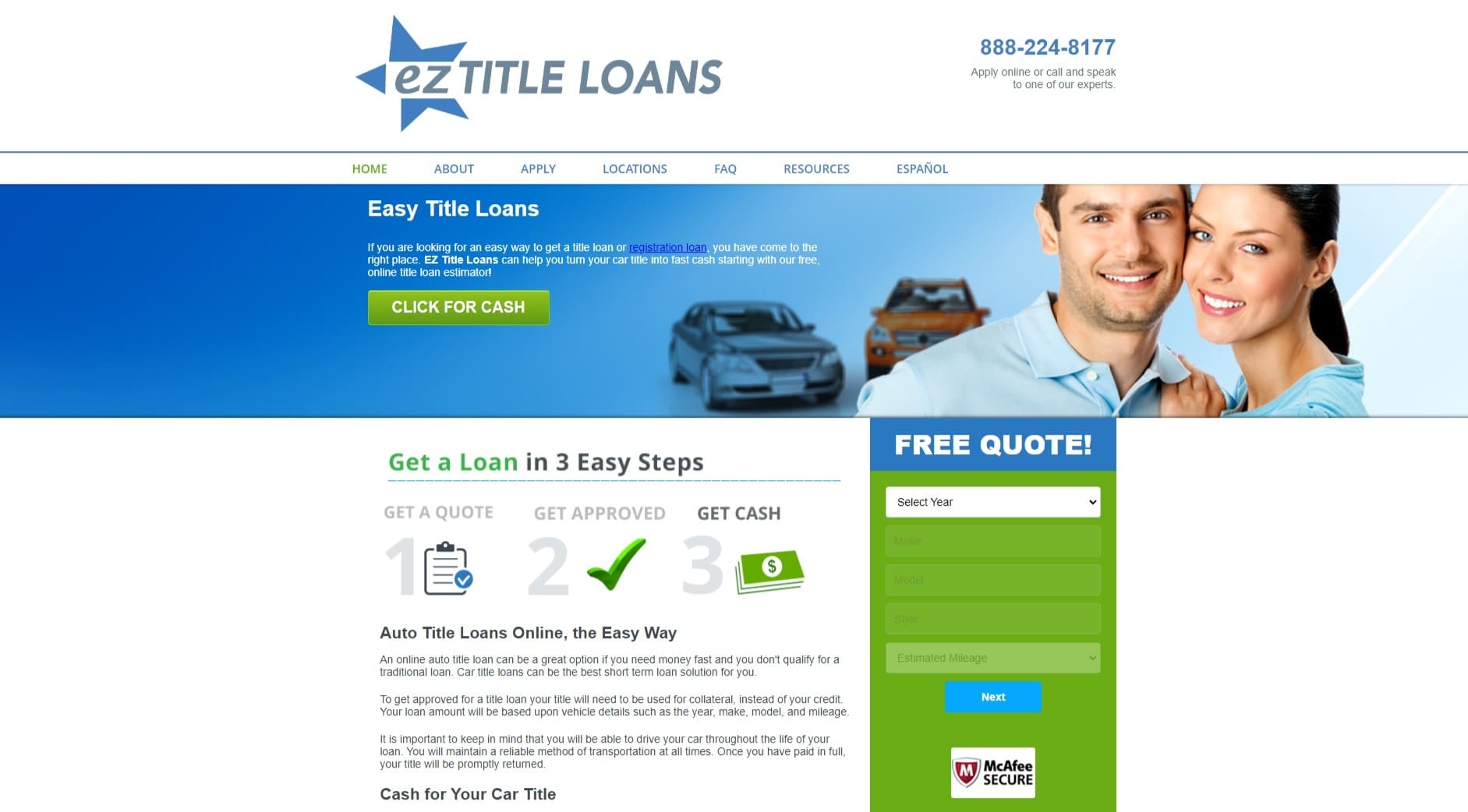
Residents of Huntsville, Alabama, facing unexpected financial shortfalls sometimes turn to short-term borrowing options like title loans, which use a vehicle's clear title as collateral for cash. Operating under Alabama state regulations, these loans allow borrowers to leverage equity in cars, trucks, or motorcycles while retaining temporary use of the vehicle, though they involve high interest rates, short repayment windows, and the risk of repossession if terms are not met.
What Is a Title Loan and How Does It Work in Alabama?
A title loan—frequently referred to as a car title loan or auto equity loan—is a type of secured, short-term loan. The fundamental mechanism relies on the borrower possessing a clear, lien-free title to a motor vehicle. When an individual in Huntsville, Alabama, applies for this financial product, the lender evaluates the market value of the vehicle. If approved, the lender places a lien on the title for the duration of the loan repayment period, while the borrower walks away with cash and continues driving their automobile.
In the state of Alabama, these lending practices are regulated to protect consumers while establishing clear guidelines for lenders. Unlike unsecured personal loans or credit cards, which rely heavily on credit scores and established credit histories, title loans prioritize the underlying physical asset. If the borrower repays the principal and associated interest fees on time, the lien is removed, and the original clear title is returned. However, if the borrower defaults, the lender legally holds the right to repossess and sell the vehicle to recover the remaining balance.
Regulatory Framework and Consumer Protections in Alabama
Borrowers exploring title loans in Huntsville must understand the legal framework governing these financial transactions within the state of Alabama. The state regulates consumer lending through specific statutes, aiming to ensure transparency and prevent predatory practices, though interest rates and fees remain notoriously high compared to traditional commercial bank loans.
Key Regulatory Aspects
- Licensing Requirements: Lenders offering title loans in Alabama must be properly licensed by the state banking department or operate under specific legislative allowances, ensuring they adhere to state-mandated consumer protection rules.
- Loan Amounts: The maximum amount a borrower can receive is typically tied directly to the wholesale or trade-in value of the vehicle, as determined by standard industry valuation guides like the National Automobile Dealers Association (NADA).
- Fee Disclosures: Lenders are legally required to provide clear written disclosures detailing the Annual Percentage Rate (APR), finance charges, total repayment amounts, and payment schedules before the borrower signs the agreement.
- Default and Reposition Rules: State laws dictate the protocols a lender must follow if a borrower defaults, including notification requirements and the conditions under which a vehicle can be repossessed and sold at a public auction.
For official regulatory information and consumer complaints regarding financial institutions, residents can consult the Alabama State Banking Department, which oversees state-chartered financial entities and consumer lending practices.
Eligibility Requirements and Application Prerequisites
Qualifying for a title loan in Huntsville, Alabama, is generally straightforward compared to traditional financing, but applicants must meet specific administrative and physical prerequisites before funds are disbursed.
Mandatory Prerequisites for Borrowers
- Clear Vehicle Title: The title must be registered in the applicant's name and must be entirely free of any outstanding liens, loans, or third-party claims. If a previous loan was paid off, the borrower must present official lien-release documentation.
- Residency and Age: Applicants must be legal residents of Alabama and typically must be at least 18 years of age (or the legal age of majority in the state).
- Proof of Income: While credit scores are often secondary, lenders require proof of a steady, verifiable source of income (such as employment, disability benefits, retirement funds, or self-employment) to demonstrate the ability to repay the loan.
- Government-Issued Identification: A valid driver's license or state-issued photo ID is required to verify identity.
- The Vehicle Itself: The vehicle must be brought to the physical lending location in Huntsville for an in-person inspection to verify its make, model, mileage, physical condition, and overall market value.
- Additional Verification: Proof of residence (such as a utility bill or lease agreement) and working vehicle keys are commonly requested during the final stages of application processing.
The Application and Funding Process in Huntsville
Navigating the application process efficiently requires preparing the necessary documentation ahead of time. Most local storefront lenders in Huntsville follow a standardized multi-step workflow.
- Gather Documents & Clear Title
- Visit Huntsville Location for Inspection
- Review Loan Terms & Disclosures
- Sign Agreement & Receive Funds
Step-by-Step Procedure
- Step 1: Document Preparation: Compile your government-issued ID, proof of income, proof of Huntsville residency, and the physical, lien-free vehicle title.
- Step 2: Vehicle Evaluation: Take the vehicle to a licensed title loan storefront in Huntsville. An agent will inspect the interior, exterior, and mechanical baseline, checking the odometer and verifying the Vehicle Identification Number (VIN).
- Step 3: Loan Offer Calculation: Based on the vehicle inspection and market valuation, the lender determines the maximum loan amount you are eligible to borrow.
- Step 4: Contract Review: Carefully read the loan agreement. Pay close attention to the interest rate, fee structure, due dates, and the consequences of missing a payment. Never sign a contract with blank spaces or unclear terms.
- Step 5: Fund Disbursement: Once signed, funds are typically distributed immediately via cash, check, or direct electronic deposit. The entire process often takes less than an hour.
Cost Considerations, Fees, and Financial Risks
Title loans are designed for short-term emergency cash needs, but their convenience comes with substantial financial costs. Because these loans carry high interest rates—often structured as monthly finance charges—borrowers can quickly find themselves paying back significantly more than the original amount borrowed.
Comparative Financial Overview
| Financial Product | Typical APR / Cost Range | Primary Risk Factor | Collateral Required? |
|---|---|---|---|
| Traditional Bank Loan | 6% – 36% APR | Strict credit requirements | Usually No |
| Credit Card Cash Advance | 20% – 30% APR | High revolving interest | No |
| Alabama Title Loan | 25% – 300%+ APR (Effective) | Vehicle repossession | Yes (Car Title) |
| Payday Alternative Loan (PAL) | 28% max APR (Federal cap) | Short repayment window | No |
Major Financial Risks
- The Rollover Cycle: Many borrowers cannot pay the lump sum when it comes due at the end of the 30-day term. Lenders may offer a "rollover" or renewal, which adds new fees and interest to the principal, drastically increasing overall debt.
- Vehicle Reposession: Defaulting on the loan gives the lender the legal right to repossess the vehicle, which can severely disrupt daily commuting, employment, and family obligations in Huntsville.
- Loss of Equity: If a repossessed vehicle is sold at auction for more than the loan balance, the lender may owe the borrower the surplus, but if it sells for less, the borrower may remain liable for the deficiency balance.
Alternatives to Title Loans in Huntsville, AL
Before committing to a high-cost title loan, consumers should evaluate alternative financial assistance options available in Huntsville. Exploring these alternatives can help avoid steep interest charges and protect personal assets.
- Credit Union Loans: Local credit unions often offer small-dollar consumer loans or Payday Alternative Loans (PALs) with significantly lower interest rates and more flexible repayment terms than commercial lenders.
- Emergency Assistance Programs: Non-profit organizations, local charities, and community action agencies in Madison County provide emergency utility, rent, or food assistance for families facing temporary hardships.
- Employer Cash Advances: Some employers partner with financial wellness programs that allow workers to access earned wages before payday without incurring predatory interest fees.
- Negotiating Payment Extensions: Contacting utility providers, landlords, or medical billing departments directly to negotiate payment plans can temporarily relieve financial pressure without requiring new debt.
Frequently Asked Questions
Do I need to leave my car at the lender's office while paying off the loan?
No. Huntsville title loan lenders place a legal lien on your vehicle's title, but you keep possession of the vehicle and continue driving it normally throughout the repayment period, provided you maintain required auto insurance and follow loan terms.
Can I get a title loan in Huntsville if my car is not fully paid off?
Generally, no. State regulations require the title to be entirely free of active liens. If you still owe money to a bank, dealership, or finance company, you do not hold a clear title, meaning you lack the necessary collateral to secure a title loan.
What happens if I miss a payment on my Alabama title loan?
Missing a payment triggers default clauses outlined in your contract. The lender may assess late fees, initiate collection calls, or begin repossession proceedings to seize the vehicle and sell it to cover the outstanding balance.
Is my credit score checked when applying for an Alabama title loan?
Most title lenders focus primarily on the equity value of your vehicle and your verified ability to repay the loan through income, rather than relying strictly on traditional credit bureau scores. Consequently, individuals with poor or limited credit history frequently qualify.
How is the loan amount determined?
The loan amount is calculated as a percentage of your vehicle’s wholesale or trade-in value, evaluated using standard valuation guides during your in-person vehicle inspection at a Huntsville storefront.
Conclusion and Next Actions
Obtaining a title loan in Huntsville, Alabama, provides rapid access to emergency cash for individuals with clear vehicle titles, but it carries severe financial risks, including high interest costs and the potential loss of your primary vehicle. Before proceeding, review your monthly budget to ensure repayment feasibility, read all contract disclosures thoroughly, and actively explore lower-cost alternatives such as credit union loans or local assistance programs. If a title loan is your only viable option, establish a strict repayment schedule to minimize the risk of default and protect your vehicle.