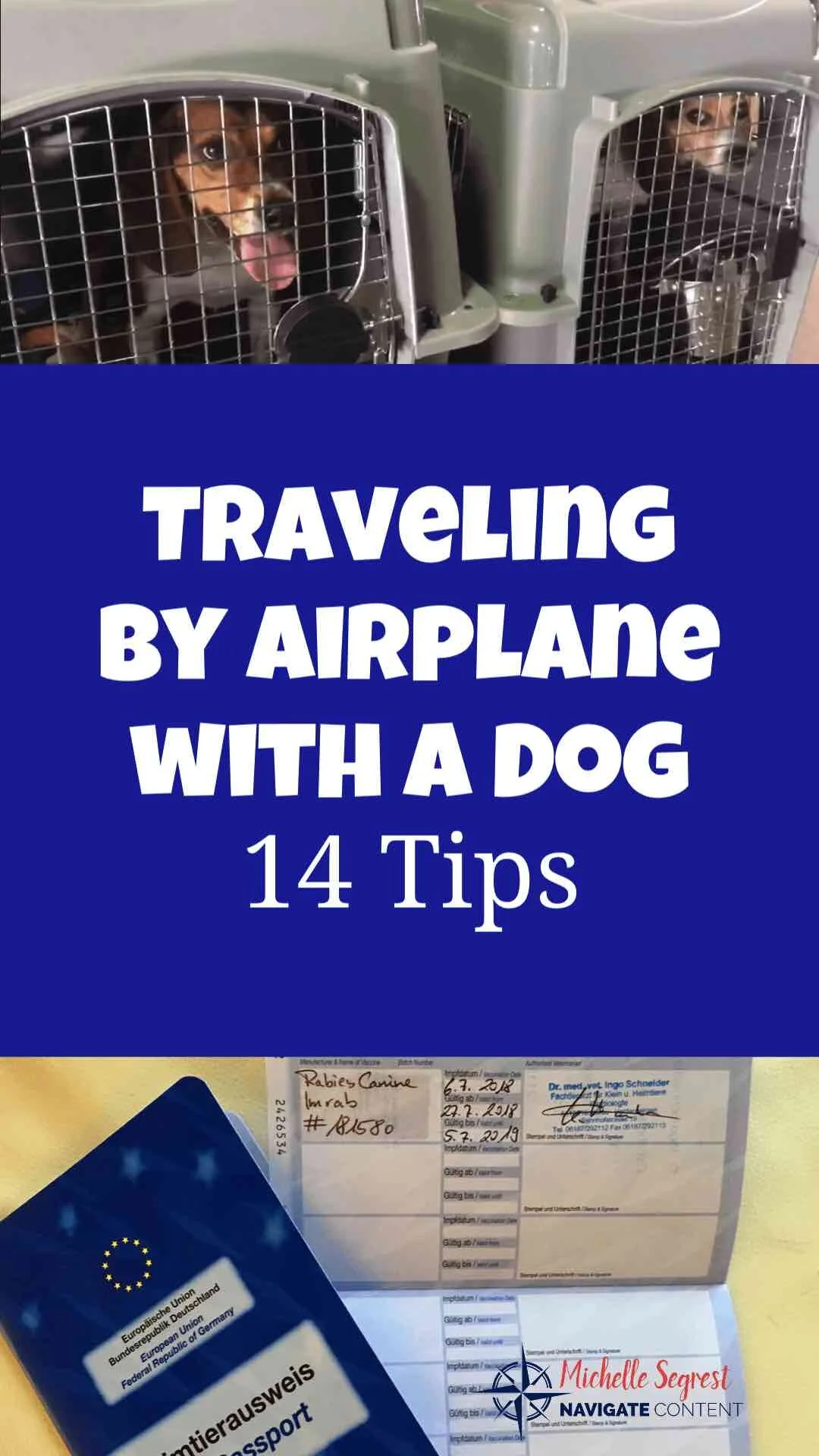
Successful airplane travel with small dogs requires booking a pet-specific reservation, using an airline-approved soft-sided carrier that fits under the seat, and ensuring all veterinary health certifications are current. Most airlines charge a one-way fee ranging from $95 to $150 for in-cabin pets, provided the dog and carrier weigh less than 20 pounds.
Understanding the Landscape of Pet Air Travel in 2026
The regulations surrounding pet travel have become more streamlined yet strictly enforced as of 2026. For owners of small dogs—typically defined as those weighing under 20 pounds (9 kg) including their carrier—the primary mode of transport is "in-cabin" travel. This allows the pet to remain under the seat in front of the passenger rather than in the cargo hold. However, air travel is not a guaranteed right for pets; it is a service provided by airlines under specific contractual conditions.
Airlines strictly limit the number of pets allowed in the cabin on any given flight, often capping the number at five to eight animals depending on the aircraft size. This makes early booking essential. You cannot simply show up at the airport with a dog; the pet must be added to your reservation, often requiring a phone call to the airline’s customer service department even if the human ticket was booked online.
Technical Specifications for Airline-Approved Carriers
The most critical piece of equipment for airplane travel with small dogs is the carrier. In 2026, most major carriers have converged on standardized size requirements, though slight variations exist based on the specific aircraft's under-seat dimensions.
Material and Construction
For in-cabin travel, soft-sided carriers are highly recommended over hard-shell plastic crates. Soft-sided carriers offer a degree of flexibility, allowing them to compress slightly to fit under a seat while still providing the pet with adequate space. The carrier must be constructed of water-resistant, leak-proof material with a reinforced bottom. This is not just for the comfort of the dog, but a safety requirement to prevent any biological fluids from escaping into the cabin environment.
Ventilation and Security
Ventilation is a non-negotiable safety standard. Most airlines require at least three sides of the carrier to feature mesh windows. This ensures consistent airflow, which is vital as the area under an airplane seat can become warm and stagnant. Furthermore, the carrier must feature "locking" zippers—zippers that cannot be pushed open from the inside—to prevent the dog from escaping during the flight or while navigating the terminal.
Size and "Turn Around" Rules
A standard guideline used by the Federal Aviation Administration (FAA) and international bodies is that the dog must be able to stand up, turn around, and lie down naturally inside the carrier. If a gate agent observes a dog that appears cramped or unable to move, they have the authority to deny boarding. For most small breeds like Chihuahuas, Pomeranians, or Yorkies, a carrier measuring approximately 18 x 11 x 11 inches is the industry standard.
Veterinary Requirements and Health Documentation
Before a small dog can board a plane, it must meet specific health criteria. These rules vary significantly between domestic and international travel, but the baseline remains the same: the animal must be fit for flight and not pose a health risk to other passengers.
The Certificate of Veterinary Inspection (CVI)
Most airlines require a Certificate of Veterinary Inspection, commonly known as a "health certificate," issued by a licensed, USDA-accredited veterinarian. In 2026, many airlines require this document to be issued within 10 days of travel. This certificate confirms that the dog is free of infectious diseases and is up to date on its Rabies vaccination. For domestic flights within the United States, requirements vary by state and airline, but carrying a copy of the CVI is always the safest course of action.
International Travel and the "EU Pet Passport"
Traveling internationally with a small dog involves much more complexity. If traveling to the European Union, the dog must have an ISO-compliant microchip (Standard 11784/11785) and an EU Pet Passport or a specific health certificate endorsed by the USDA Animal and Plant Health Inspection Service (APHIS). Some countries, such as Japan, Australia, and the United Kingdom, have stringent quarantine laws or require "Rabies Titer Tests" (FAVN) performed months in advance. Failure to provide this documentation can lead to the pet being quarantined at the owner's expense or sent back to the country of origin.
The Sedation Debate
Veterinarians and organizations like the American Veterinary Medical Association (AVMA) generally advise against sedating pets for air travel. At high altitudes, sedatives can affect a dog’s cardiovascular and respiratory systems, increasing the risk of complications. Instead, many owners in 2026 opt for natural calming aids, such as pheromone sprays (e.g., Adaptil) or specific supplements recommended by their vet, which do not suppress the central nervous system.
Airline Fee Structures and Comparisons
Pet travel is an additional revenue stream for airlines, and fees have risen steadily. These fees are typically charged per segment (each way) and do not count toward your carry-on luggage allowance; the pet carrier usually replaces your "personal item" or is treated as an extra piece of luggage for a fee.
| Airline | 2026 In-Cabin Pet Fee (One-Way) | Weight Limit (Dog + Carrier) | Advance Reservation Required |
|---|---|---|---|
| Delta Air Lines | $95 - $125 | No official weight; must fit | Yes |
| United Airlines | $125 | No official weight; must fit | Yes |
| American Airlines | $125 - $150 | 20 lbs | Yes |
| Southwest Airlines | $95 | No official weight; must fit | Yes |
| JetBlue | $125 | 20 lbs | Yes |
| Lufthansa | €60 - €100 (varies) | 8 kg (17.6 lbs) | Yes |
Note: Fees and weight limits are subject to change based on specific routes and aircraft types. Always verify with the airline 48 hours before departure.
Navigating the Airport with a Small Dog
The airport environment is high-stress for most animals. Managing a small dog requires a blend of physical control and environmental awareness.
TSA Screening Procedures
When passing through security, your dog cannot remain in its carrier through the X-ray machine. You must remove the dog and carry it through the metal detector or body scanner. Your empty carrier will go through the X-ray. It is highly recommended to have the dog on a leash underneath its harness so that if it bolts after being removed from the carrier, you still have a physical connection to the animal. In 2026, some airports have introduced "Pet-Friendly" lanes, but these are not yet universal.
Utilizing Pet Relief Areas
Federal law now requires all major U.S. airports to have pet relief areas in every terminal. These "Service Animal Relief Stations" (SARS) are often located behind security, allowing you to let your dog relieve itself before boarding without having to exit and re-enter the secure area. Always carry your own waste bags and sanitizer, as these stations are high-traffic areas and can be reservoirs for bacteria.
In-Flight Management and Comfort
Once on board, the rules are rigid: the dog must remain inside the zipped carrier for the entire duration of the flight. Removing the dog, even partially, can result in a permanent ban from the airline or a fine.
Placement Under the Seat
The carrier must be stowed under the seat in front of you during taxi, takeoff, and landing. On some aircraft, specific seats (such as bulkhead rows or exit rows) do not have under-seat storage and therefore cannot accommodate pet travelers. When booking, ensure your seat selection is compatible with an in-cabin pet.
Hydration and Feeding
Airplanes are dehydrating. However, over-hydrating a small dog before a flight can lead to accidents in the carrier. It is best to offer small amounts of water via a collapsible bowl or a "licker" bottle during the flight. Avoid feeding a full meal 4-6 hours before departure to minimize the risk of motion sickness or the need for a bowel movement.
Managing Noise and Anxiety
A barking or whining dog can be a major disturbance in a cramped cabin. To mitigate this, "crate training" for the airplane environment should begin weeks before the flight. Feed the dog treats inside the carrier and practice sitting in a noisy environment. If the dog becomes distressed mid-flight, covering the carrier with a light, breathable cloth can sometimes help by reducing visual stimuli.
Special Considerations for Brachycephalic Breeds
Small brachycephalic (short-nosed) breeds—such as French Bulldogs, Pugs, and Boston Terriers—face higher risks during air travel. Their compromised airways make them more susceptible to respiratory distress and overheating. While these breeds are often banned from the cargo hold, they are permitted in-cabin. However, owners must be extra vigilant about temperature control. Ensure the carrier has maximum ventilation and monitor the dog constantly for signs of heavy panting or lethargy.
Common Mistakes to Avoid
- Buying the wrong carrier: Never assume a carrier labeled "airline approved" will work for your specific flight. Cross-reference the carrier's dimensions with the airline's website.
- Forgetting the paperwork: Even if you aren't asked for it, missing a health certificate can lead to a denied boarding if a gate agent decides to spot-check your documentation.
- Assuming "Service Animal" status: In 2026, the Department of Transportation (DOT) has strict definitions for service animals. Emotional Support Animals (ESAs) are no longer legally required to be flown for free and are treated as standard pets on almost all U.S. carriers.
- Inadequate exercise: A tired dog is a quiet dog. A long walk or vigorous play session before heading to the airport is the best way to ensure the dog sleeps through the flight.
FAQ: Airplane Travel with Small Dogs
Can I buy an extra seat for my small dog?
While you can purchase an extra seat for more legroom, the dog must still remain in its carrier on the floor under the seat in front of the extra seat. Most airlines do not allow the carrier to be placed directly on the passenger seat for safety and hygiene reasons.
What should I do if my dog has an accident in the carrier?
Preparation is key. Line the bottom of the carrier with high-absorbency "potty pads." If an accident occurs, you can quickly swap the pad for a fresh one in the airplane lavatory. Carry a small pack of unscented baby wipes and a sealable plastic bag for disposal.
Is there an age limit for dogs flying on airplanes?
Yes, most airlines require puppies to be at least 8 to 16 weeks old to fly. This is partly due to the vulnerability of young animals and partly because they must be old enough to have received their initial Rabies vaccination for certain routes.
How do I handle a long layover with a small dog?
If you have a layover, research the location of pet relief areas in the connecting airport beforehand. If the layover is longer than four hours, consider exiting the airport to give the dog a proper break, but remember you will have to clear security again.
Can two small dogs share one carrier?
Some airlines allow two small puppies or two very small adult dogs of the same breed to share a single carrier, provided they are comfortable and do not exceed the weight limit. However, this is at the airline's discretion and usually incurs a "per pet" fee, even if they share one bag.
What happens if my flight is diverted or delayed?
In the event of a significant delay, your primary concern is the dog's access to water and relief. Always carry at least 24 hours' worth of dog food in your carry-on, as specialized pet food is rarely available at airport kiosks.
Final Recommendation for Pet Travelers
The key to stress-free airplane travel with small dogs is meticulous preparation. Verify your airline’s specific dimensions and fees at the time of booking, and again 48 hours before departure. Prioritize a high-quality, ventilated carrier and ensure your dog is conditioned to spend several hours inside it. By treating the logistics of pet travel with the same importance as your own travel documents, you ensure a safe and comfortable journey for both you and your canine companion.