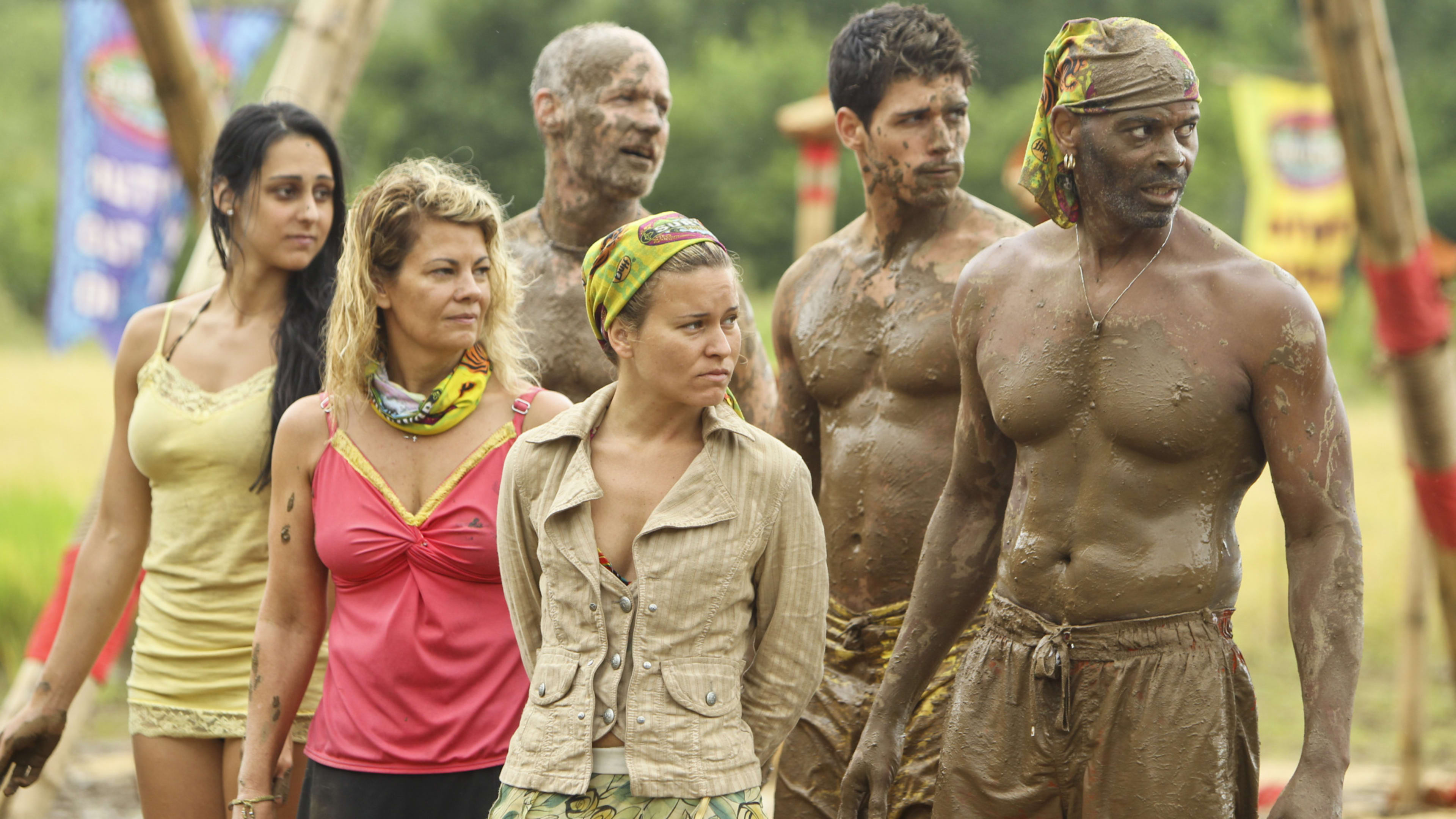
Abi-Maria Gomes is a notable figure in the history of the American reality television competition Survivor, having appeared as a contestant across three distinct seasons. Known for her confrontational gameplay, unpredictable social maneuvers, and dramatic Tribal Council appearances, she competed in Survivor: Philippines (Season 25), Survivor: Cambodia (Season 31), and Survivor: Cambodia’s spiritual successor in terms of all-star casting, Survivor: Second Chance.
Throughout her tenure on the show, Abi-Maria became a polarizing figure among viewers and fellow competitors alike. Her gameplay is often characterized by a "chaotic" approach, which frequently disrupted the plans of major alliances and shifted the momentum of the game. Understanding her journey requires a look at the specific dynamics of the seasons she participated in, the strategic constraints she faced, and the legacy she established within the franchise.
Abi-Maria’s Debut: Survivor: Philippines (Season 25)
The introduction of Abi-Maria Gomes to the Survivor audience occurred in the 25th season, Survivor: Philippines, which premiered in 2012. The season featured a unique format where three former players who had previously been evacuated—Russell Swan, Michael Skupin, and Jonathan Penner—returned to captain three tribes. Abi-Maria was placed on the Tandang tribe.
From the outset, Abi-Maria was defined by her outspoken nature and her intense focus on self-preservation. Her time on the Tandang tribe was marked by significant friction with other tribe members, most notably RC Saint-Amour. The initial alliance between the two broke down early due to miscommunications and a mutual lack of trust, leading to one of the season’s most prolonged personal feuds.
Despite being a frequent target for elimination due to her abrasive social style, Abi-Maria managed to survive multiple Tribal Councils. Her ability to remain in the game was often attributed to the shifting priorities of the Tandang majority, who viewed her as a useful shield or a "goat"—a player perceived to be easy to beat in the final vote. She reached the Final Five, ultimately finishing in fifth place. Her performance in Philippines established the archetype she would maintain for future appearances: a volatile but resilient player who forced others to account for her presence in every vote.
Returning to the Arena: Survivor: Cambodia – Second Chance (Season 31)
In 2015, Abi-Maria was selected by the viewing public to compete in Survivor: Cambodia, also known as Survivor: Second Chance. This was a landmark season for the franchise, as it consisted entirely of returning players who had played only once before and failed to win. The fan-vote selection process highlighted Abi-Maria’s status as one of the show’s most memorable "villains," as her chaotic energy remained a point of high interest for the production team and the audience.
During Second Chance, Abi-Maria’s gameplay was significantly more influential than in her first outing. She found herself in a position of power early on, often acting as the "swing vote" between competing factions. Her tendency to alienate allies remained, but in a high-level strategic season, her unpredictability made her a difficult piece to move on the board. She was central to the elimination of several major threats, often by simply changing her mind at the last second or reacting viscerally to perceived slights.
Her second run ended in seventh place. While she did not reach the Final Tribal Council, her impact on the season was undeniable. She forced top-tier strategists to scramble, and her presence was a constant catalyst for drama. By the end of this season, she had firmly cemented her reputation as one of the most unpredictable variables in the history of the show.
Comparative Analysis of Performance
To analyze Abi-Maria’s performance accurately, it is helpful to contrast the two seasons where she played the most significant roles. The following table summarizes her standing and context within these appearances.
| Season | Season Title | Placement | Primary Tribe | Strategic Role |
|---|---|---|---|---|
| 25 | Survivor: Philippines | 5th | Tandang | Disruptor / Shield |
| 31 | Survivor: Cambodia | 7th | Ta Keo / Bayon | Swing Vote / Chaos Agent |
In Philippines, Abi-Maria played a more insular game, focusing heavily on her immediate conflicts. In Cambodia, she operated on a broader scale, understanding the value of her vote as currency. The difference in these approaches demonstrates her growth as a player; while she remained socially combustible, her understanding of how to leverage her position improved between her first and second outings.
The "Chaos Agent" Strategy in Modern Survivor
Abi-Maria’s legacy is frequently discussed in the context of the "Chaos Agent" archetype. In Survivor, players who disrupt established alliances without a clear long-term strategy are often viewed as liabilities. However, Abi-Maria’s specific brand of chaos had a strategic utility. By refusing to commit to long-term plans and consistently questioning the motives of those around her, she kept her allies—and her enemies—constantly off-balance.
This strategy requires a specific set of prerequisites to be successful:
- Low Threat Assessment: She was rarely seen as a physical or strategic threat capable of winning the game, which allowed her to survive rounds where more "dangerous" players were targeted.
- Emotional Intelligence Gaps: Her willingness to engage in unfiltered conflict meant that other players often prioritized voting her out for emotional, rather than logical, reasons.
- The "Shield" Dynamic: In many instances, stronger players kept her in the game because they believed she would be an easy person to beat in the final vote, a miscalculation that often benefited her long-term survival.
Common Misconceptions About Her Playstyle
A common misconception among newer viewers is that Abi-Maria’s gameplay was purely emotional or lacking in strategic foresight. While it is true that her social game was often abrasive, she consistently demonstrated a high level of situational awareness. She knew exactly which players were trying to deceive her and often spoke up during Tribal Councils to expose these rifts.
Her primary weakness was not a lack of strategy, but an inability to build deep, trust-based relationships that could weather the volatility of the game. Survivor is a social game that rewards players who can cultivate long-term bonds, and Abi-Maria’s confrontational style often burned bridges that she needed to cross later in the game.
Frequently Asked Questions
Did Abi-Maria Gomes ever win a season of Survivor? No, Abi-Maria Gomes has not won a season of Survivor. Her best finish was 5th place in Survivor: Philippines.
How many total times has Abi-Maria competed on Survivor? Abi-Maria has competed in two seasons: Survivor: Philippines (Season 25) and Survivor: Cambodia (Season 31). While she is frequently discussed in the context of "all-stars," she has not appeared in any seasons beyond these two.
Why was Abi-Maria voted into Second Chance? Abi-Maria was voted into Survivor: Second Chance by the public because of her status as an iconic "villain." Her chaotic gameplay in Philippines left a lasting impression on viewers, making her a high-demand candidate for a season defined by past drama and competitive intensity.
What was the "bracelet incident" in Survivor: Philippines? The "bracelet incident" was a central conflict in Survivor: Philippines between Abi-Maria and RC Saint-Amour. It involved a dispute over a hidden immunity idol clue and a bracelet, which soured their initial alliance and became the catalyst for their ongoing feud throughout the season.
Is Abi-Maria known for being a physical competitor? Abi-Maria was generally considered a middle-of-the-pack physical competitor. While she was not typically the primary strength of her tribe in reward or immunity challenges, she was capable of holding her own and rarely the sole reason for a tribe’s failure.
Recommendations for Further Viewing
For those looking to analyze the evolution of gameplay, Survivor: Philippines serves as an excellent case study on the "tribe captain" era, while Survivor: Cambodia offers a look at a high-intensity, veteran-heavy game. To fully grasp Abi-Maria’s impact, it is recommended to watch her seasons in order. Her evolution from a debutante in Philippines to a seasoned, battle-hardened participant in Cambodia provides a clear look at how an "unpredictable" player can change the outcome of a season.
By observing how her peers interacted with her in Second Chance compared to her debut, one can discern how her reputation preceded her, creating a game environment where she was simultaneously feared and utilized as a pawn. Her history on the show remains a cornerstone for students of Survivor strategy and social politics.