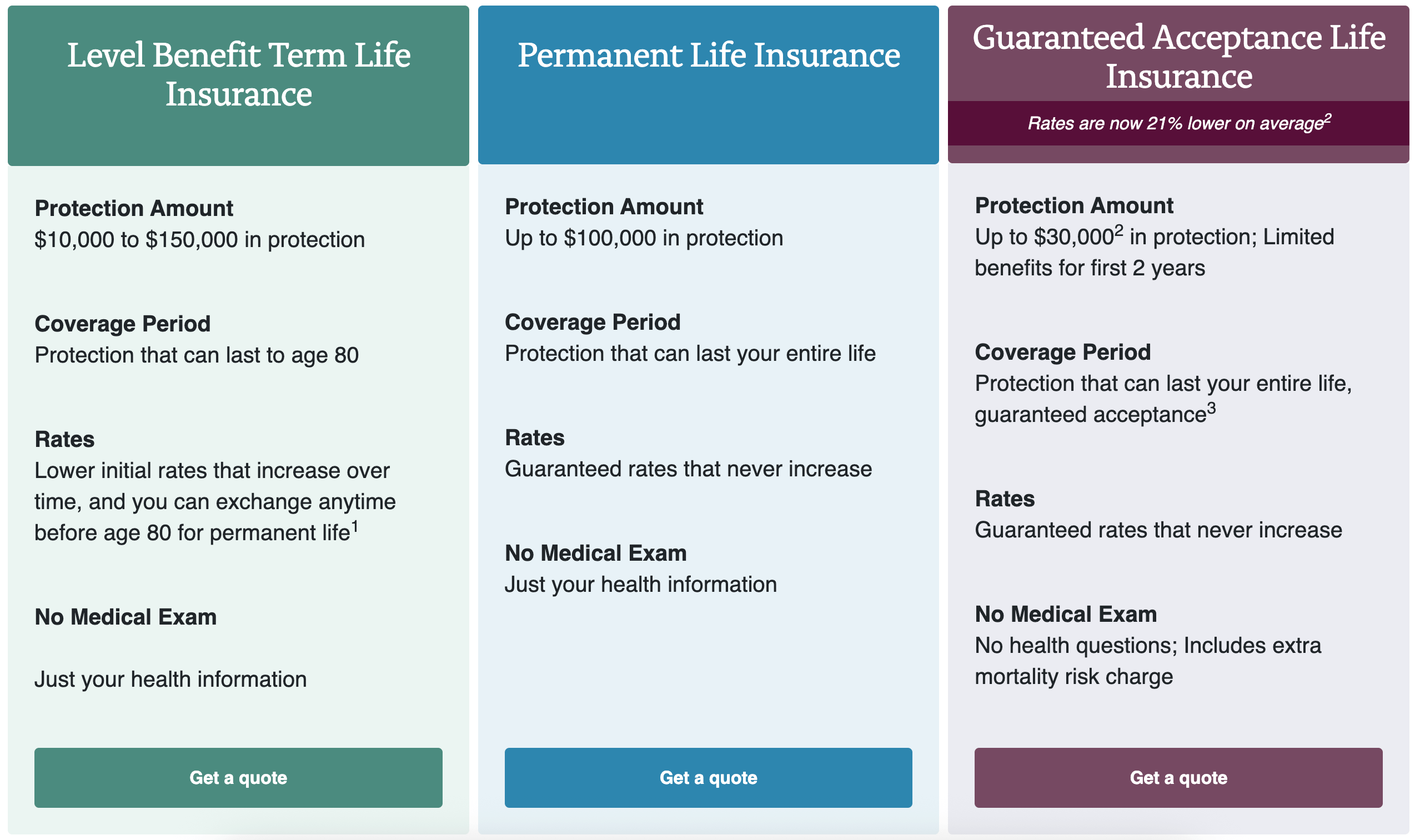
The AARP Term Life Insurance program, underwritten by New York Life Insurance Company, provides coverage with benefit limits typically ranging from $10,000 to $100,000, depending on the applicant's age and specific policy selection. These limits represent the maximum death benefit payable to your beneficiaries upon a valid claim, serving as a financial safety net designed to assist with final expenses, debts, or income replacement.
Understanding the Role of Benefit Limits in Term Life Insurance
A benefit limit, often referred to as the "face amount," is the core component of any life insurance policy. It dictates the maximum sum of money the insurer will pay to your designated beneficiaries if you pass away while the policy is in effect. For AARP-branded term life products, these limits are intentionally structured to provide accessible, simplified coverage rather than high-value estate planning tools.
When choosing a limit, it is essential to distinguish between the "face amount" and the total premiums paid. Unlike a savings account, where you withdraw your contributions, a term life insurance policy functions as a risk-transfer mechanism. You pay premiums for the guarantee that the insurance company will provide the benefit amount to your loved ones, provided the policy remains active and in good standing.
How AARP Term Life Benefit Limits Are Determined
The benefit limits associated with AARP-branded term life insurance are governed by internal underwriting guidelines established by the carrier, New York Life. As of 2026, these limits are not universal; they are sensitive to the following variables:
- Issue Age: The primary factor in determining the maximum benefit available is your age at the time of application. Coverage tiers are adjusted as policyholders move through different age brackets.
- Product Type: AARP offers different types of life insurance, including group term life and permanent (whole) life. The "Term" product specifically focuses on coverage for a set duration, often with a cap on the total benefit amount to keep the underwriting process streamlined.
- Medical Qualification: While many AARP-branded policies are marketed as simplified issue, the benefit limit may be influenced by your health status. Some applicants may find that higher benefit tiers require more comprehensive medical disclosures or health assessments.
- State-Specific Regulations: Insurance laws vary significantly by state. Some jurisdictions impose specific caps on the amount of group term life coverage that can be issued to an individual, which may override the standard policy maximums offered by the provider.
The Significance of Choosing the Right Benefit Amount
Selecting a limit that is too low may leave your beneficiaries struggling to cover immediate costs like funeral expenses, outstanding medical bills, or personal loans. Conversely, selecting a limit that is higher than necessary will result in higher monthly premiums, which could become a burden on your fixed income during your retirement years.
To determine the appropriate benefit limit for your household, conduct a simplified needs analysis. Consider the following:
- Final Expenses: The average cost of a funeral and associated burial or cremation services in 2026.
- Outstanding Debt: Any personal debts, such as credit card balances or medical bills, that would become a liability for your estate.
- Income Replacement: If your spouse relies on your income to pay household bills, determine how many months of support they would need to transition their finances.
Comparison of Coverage Structures
It is helpful to compare how term life limits interact with other insurance products to ensure you are selecting the right financial tool for your goals.
| Feature | AARP Term Life | Whole Life Insurance |
|---|---|---|
| Duration | Fixed term (e.g., 5, 10, or 20 years) | Lifetime coverage |
| Benefit Limit | Usually capped at lower amounts | Can be significantly higher |
| Premium Cost | Lower initially, increases with age | Higher and level throughout life |
| Cash Value | None | Accumulates over time |
Maintaining Coverage Within Your Limits
Once you have selected a benefit limit, keeping that policy in force is paramount. Term life insurance is highly sensitive to premium payments. If a payment is missed and the grace period expires, the policy will lapse, and the benefit limit effectively drops to zero.
Additionally, monitor your policy for "limit adjustments." Some term policies allow you to decrease your benefit limit to lower your premiums as your financial obligations shrink (e.g., after a mortgage is paid off or children become financially independent). However, increasing the benefit limit usually requires a new application and potentially new medical underwriting, which may not be feasible as you age.
Common Misconceptions About Benefit Limits
Many applicants assume that the benefit limit is a guaranteed payout regardless of policy status. It is critical to understand that if the policy term expires and is not renewed—or if it is terminated—the benefit limit no longer applies.
Another common point of confusion involves the "accidental death" rider, which some policies include. This rider may provide an additional payout if the death occurs due to an accident, effectively doubling the payout in specific circumstances. However, this is distinct from the primary benefit limit and is subject to its own rigorous definitions and exclusions.
Frequently Asked Questions
1. Can I increase my AARP term life benefit limit after the policy is issued? Typically, you cannot increase the benefit limit of an existing term life policy without undergoing a new application process. Because your health and age will have changed, this usually results in higher premiums for the added coverage.
2. Are the benefit limits taxable to my beneficiaries? In most cases, life insurance death benefits are paid to beneficiaries income-tax-free under current federal tax laws. However, you should consult with a tax professional regarding your specific estate to ensure your beneficiaries are properly named.
3. What happens if I outlive the term of my policy? If you reach the end of the term period, the coverage expires. You do not receive the benefit limit, as the purpose of the insurance was to provide protection during the specific time frame of the contract.
4. Does the benefit limit change as I get older? While the benefit amount you choose remains constant while the policy is in force, your ability to renew or replace that policy at the same limit may change as you age. Always check your policy documentation for the specific "renewal age" limits.
5. Why are AARP benefit limits often lower than commercial individual policies? AARP-branded insurance is often structured as group coverage. These plans are designed to provide simplified access and lower underwriting barriers, which naturally leads to lower benefit caps compared to complex, individual underwritten policies.
Next Steps and Recommendations
Before finalizing your decision, request a current "In-Force Illustration" from the insurance carrier. This document will show you your current benefit limit, your guaranteed premium schedule, and the exact date your term period ends. If you find your current limit no longer meets your needs, contact a licensed insurance agent to discuss whether a combination of products—such as layering a smaller whole life policy with your existing term policy—might provide a more robust financial shield for your survivors.
Always verify your policy documents against the most current information provided by the New York Life insurance representative to ensure you have the most accurate details regarding your specific contract terms and benefit ceilings.