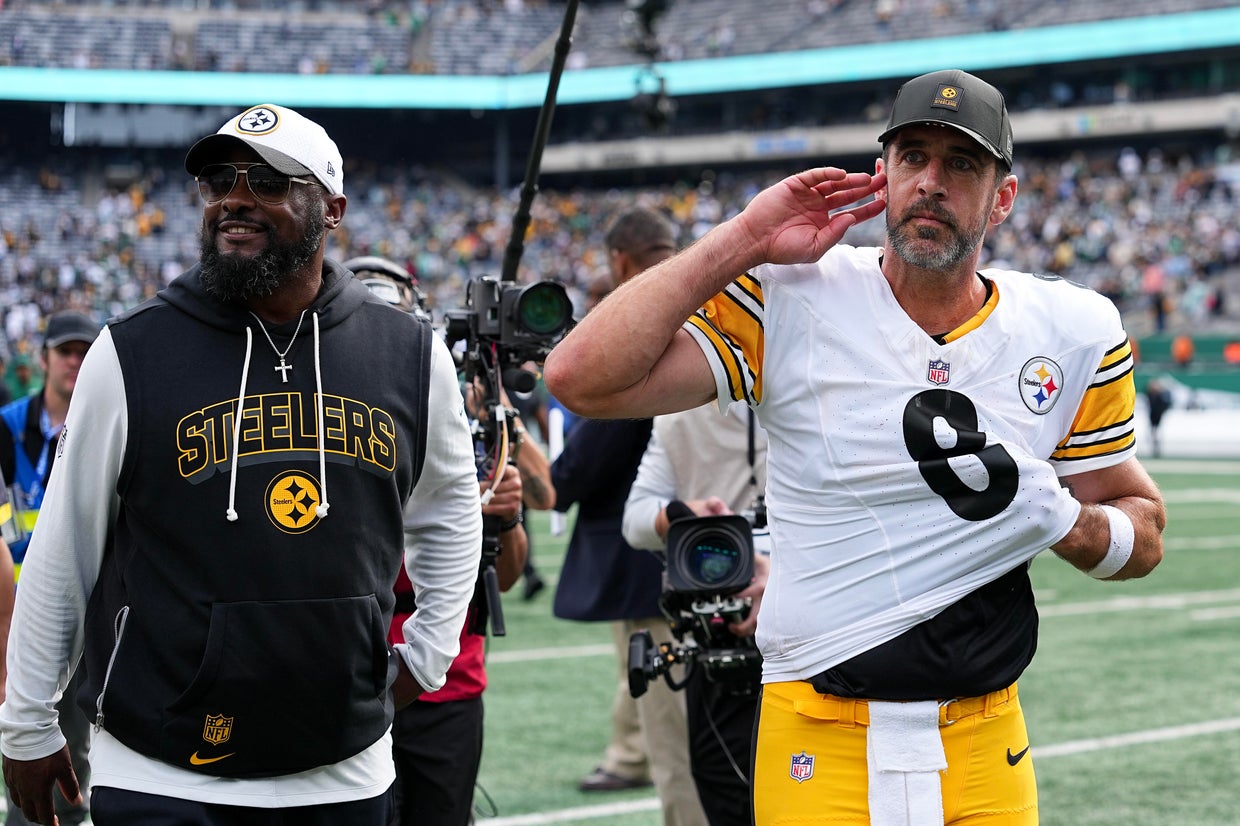
As of the 2026 NFL season, Aaron Rodgers is not a member of the Pittsburgh Steelers. Following his tenure with the Green Bay Packers and his subsequent move to the New York Jets, Rodgers has remained associated with the Jets organization throughout the current calendar year. Any suggestion that he currently plays for the Pittsburgh Steelers is factually incorrect based on the verified league roster and official team communications.
Understanding the Professional Trajectory of Aaron Rodgers
To understand why questions regarding Aaron Rodgers’ current team affiliations persist, it is essential to examine his career trajectory. Aaron Rodgers, a multi-time NFL Most Valuable Player, spent the overwhelming majority of his professional career with the Green Bay Packers, where he established himself as one of the most prolific quarterbacks in league history.
In 2023, Rodgers transitioned to the New York Jets in a high-profile trade. This move shifted his entire professional focus to the American Football Conference (AFC) East division. Since that acquisition, all official league records, depth charts, and personnel reports have consistently listed him on the Jets’ roster. The confusion regarding his current team status often stems from the speculation inherent in professional sports media, where analysts and fans frequently discuss hypothetical scenarios involving veteran quarterbacks and various team needs. However, the Pittsburgh Steelers have maintained their own distinct roster-building strategy, which has not included the acquisition of Rodgers at any point in the 2026 season.
The Role of Official NFL Roster Verification
In the era of modern sports information, verification of a player’s current team is straightforward. NFL rosters are strictly regulated, and all transaction data is routed through the league’s official central bureau. As of 2026, fans or observers looking to confirm the status of any player should rely on primary sources rather than speculative social media discourse or outdated search results.
The Pittsburgh Steelers organization, historically known for a specific approach to quarterback development and personnel management, provides regular updates on their official website. These updates delineate the active roster, practice squad, and coaching staff. When cross-referencing these official records against the current league standings and roster tracking tools, it becomes clear that there is no intersection between Rodgers' employment and the Pittsburgh franchise.
Methods for Verifying NFL Player Status
If you are attempting to verify the status of a professional athlete, the following steps are considered the industry standard for accuracy:
- Consult Official Team Websites: Every NFL team maintains a "Roster" page that is updated in real-time following any trades, signings, or contract terminations.
- Review NFL.com Transactions: The National Football League publishes a daily transaction wire that lists every move made across all 32 teams. This is the definitive source for roster changes.
- Check the Official Depth Chart: While the roster lists all signed players, the depth chart clarifies who is currently slated to participate in active games.
- Follow Official Team Correspondents: Media members who cover teams on a day-to-day basis are the first to report verified changes, though their social media posts should always be traced back to a primary source (a press release or team announcement).
Why Speculation Regarding Team Changes Occurs
Professional sports speculation is a massive industry. It is common for high-profile athletes to be linked to various teams during the off-season or during periods of poor performance. In the case of Aaron Rodgers, his veteran status and high public profile make him a frequent subject of trade rumors. Fans often wonder if a team with a strong defensive core, such as the Pittsburgh Steelers, might benefit from the veteran presence of a quarterback like Rodgers.
These hypothetical scenarios often gain traction on online forums and social media platforms. Over time, these discussions can inadvertently morph into misinformation, where a fan’s "wishful thinking" or a hypothetical blog post is misconstrued as a confirmed transaction. It is important to distinguish between "fan trade theories" and legitimate, league-verified roster moves.
Table: Key Distinctions Between Rumors and Verified Transactions
| Feature | Verified Transaction | Speculative Rumor |
|---|---|---|
| Source | NFL.com or Team Press Release | Social media posts or fan forums |
| Official Nature | Legally binding contract update | Opinion or hypothetical scenario |
| Timing | Recorded with a specific date | Often repeats without a timeline |
| Accuracy | 100% verified | Often based on conjecture |
The Impact of Persistent Misinformation
When inaccurate information about an athlete’s team status circulates, it can lead to significant confusion for casual fans and sports bettors alike. For those involved in fantasy sports or betting, relying on inaccurate information regarding where a player is currently active can result in poor decision-making.
By 2026, the digital landscape for sports data has become more sophisticated, yet the speed at which misinformation spreads has also increased. This makes the ability to differentiate between verified news and speculative content a critical skill for any consumer of sports media. When reading an article that claims an athlete has moved to a team for which no official announcement exists, readers should immediately look for the "who," "what," and "when" of the reported trade. If these details are missing, or if the source is not a reputable news outlet, the information should be treated with extreme skepticism.
Frequently Asked Questions
Is there any current trade talk involving Aaron Rodgers and the Steelers?
No. As of 2026, there have been no credible reports or official discussions regarding a move of Aaron Rodgers to the Pittsburgh Steelers. All major sports outlets and NFL transaction logs confirm he remains with the New York Jets.
Where can I check the official roster for the Pittsburgh Steelers?
The most reliable place to check the Pittsburgh Steelers roster is the team’s official website under the "Team" or "Roster" navigation menu. Alternatively, the official NFL website provides a complete, league-wide roster portal.
Why do some websites say Aaron Rodgers plays for the Steelers?
Often, this occurs due to "clickbait" articles or outdated "mock trade" scenarios that appear high in search results. Automated content generators or low-quality news aggregators may also scrape outdated information or misinterpret fan-generated hypothetical trade articles as factual news.
How often are NFL rosters updated?
NFL rosters are updated daily during the season and during the primary off-season acquisition periods. Whenever a player is signed, traded, or released, the league mandate requires that the team file the paperwork with the NFL office, which then updates the central league database.
Does the 2026 season have any unique rules regarding player trades?
The 2026 NFL season operates under the established Collective Bargaining Agreement (CBA). Trade deadlines and roster composition rules remain consistent with long-standing league policy. There are no special rules that would allow for an unannounced, off-the-books transfer of a player like Aaron Rodgers to another team.
Next Actions for Fans and Researchers
If you are interested in the career of Aaron Rodgers or the personnel status of the Pittsburgh Steelers, the best course of action is to rely on official, primary data. Stop relying on search engine snippets that may prioritize older, speculative articles over current, verified reporting.
For ongoing tracking, bookmark the official NFL transaction wire. This ensures that you receive information directly from the source. By focusing on verified league communication, you can avoid the confusion caused by social media rumors and ensure you have the most accurate picture of player movements in the 2026 NFL season. Whether you are tracking fantasy performance or team success, accuracy is the foundation of a well-informed fan experience.