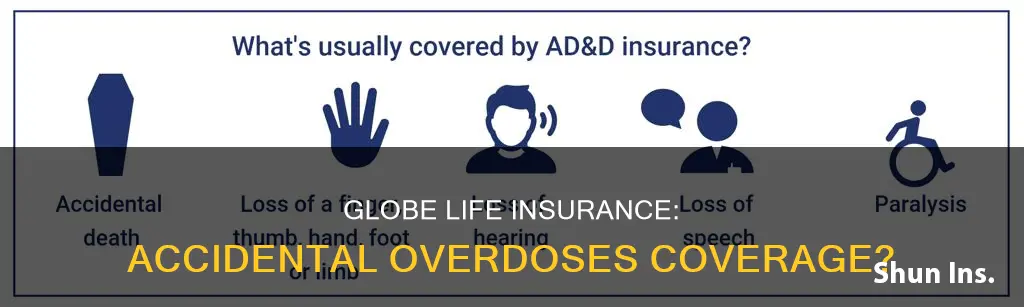
Standard membership in the American Association of Retired Citizens (AARC) does not include a complimentary accidental life insurance policy as a built-in feature of its annual dues. While the association provides members with access to group-rated insurance products and various accidental death and dismemberment (AD&D) options through third-party partners, these require separate enrollment and additional premium payments beyond the basic membership fee.
Understanding the distinction between membership perks and insurance coverage is essential for retirees and seniors planning their financial legacy in 2026. Many members mistakenly believe that the "accidental" protections mentioned in promotional materials are automatic, but a closer look at the AARC benefit structure reveals a clear separation between advocacy services and financial indemnity products.
Defining the AARC and Its 2026 Mandate
The American Association of Retired Citizens (AARC) serves as a prominent advocacy and discount organization for individuals aged 50 and older. In 2026, its primary mandate remains focused on three pillars: legislative advocacy for senior rights, providing a platform for community engagement, and leveraging collective bargaining power to secure discounts on lifestyle and health services.
Membership in the AARC is designed to be affordable, typically ranging from $15 to $30 annually depending on the multi-year plan selected. Because of this low entry cost, the association cannot actuarially support the inclusion of a universal accidental life insurance policy for every member. Instead, the AARC operates as a "gateway" organization. It vets insurance providers and negotiates "member-only" rates, but the legal contract of insurance exists between the member and the insurance carrier (such as a commercial underwriter), not between the member and the AARC itself.
The Core Issue: Accidental Life Insurance vs. Membership Perks
The confusion regarding whether AARC includes accidental life insurance often stems from the terminology used in "Welcome Kits." Members frequently see mentions of "Accident Protection" or "Emergency Assistance," which can be easily misinterpreted.
The "Included" Misconception
In the insurance industry, "included" coverage refers to a benefit that is provided automatically without a separate application or premium. For example, some premium credit cards include "travel accident insurance." The AARC, however, does not follow this model for life insurance. If you are an AARC member, you have the right to apply for coverage that has been pre-negotiated for the group, but you do not have a policy in force simply by virtue of paying your annual association dues.
Accidental Death vs. Term Life
It is also vital to distinguish between "Accidental Life Insurance" (often a misnomer for Accidental Death and Dismemberment) and traditional Life Insurance.
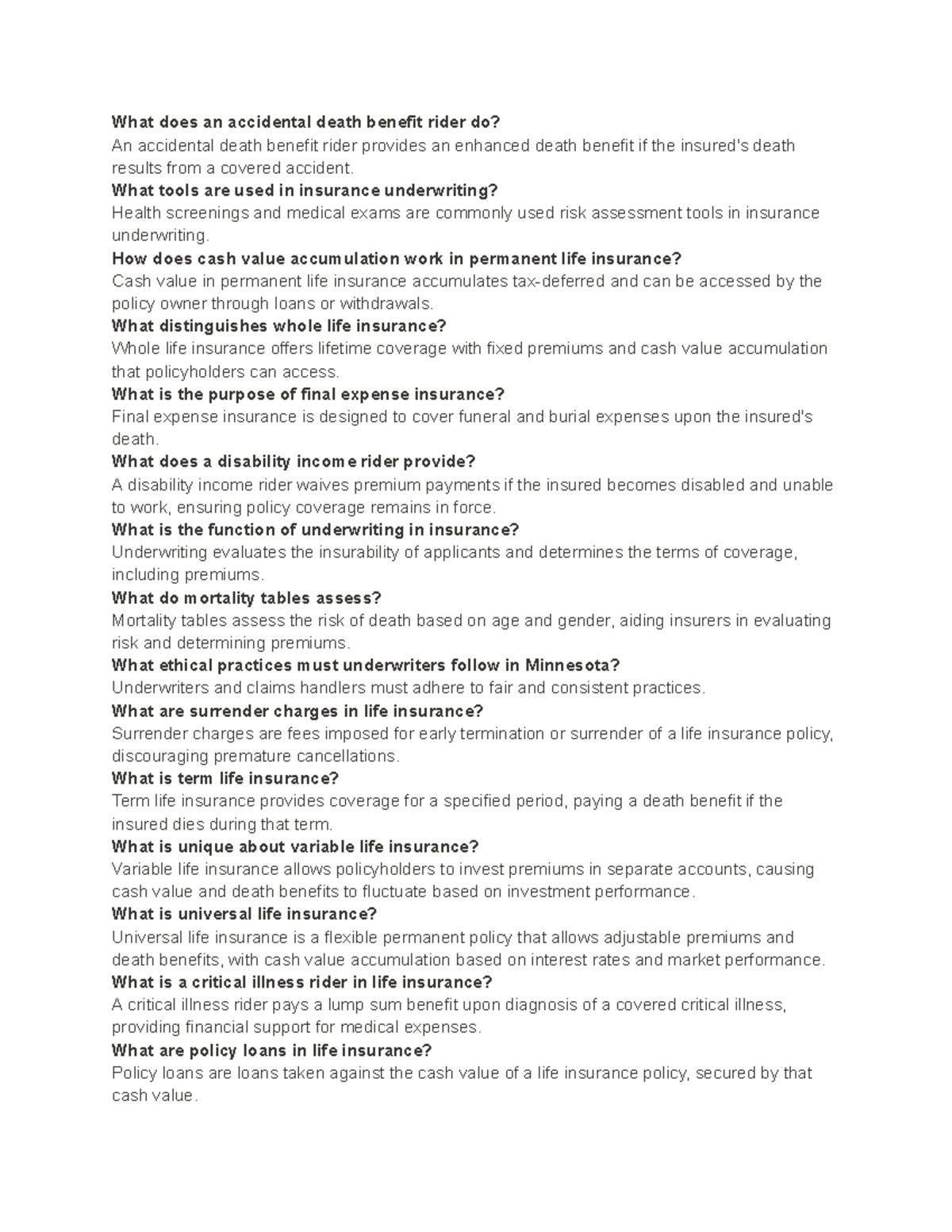
- Accidental Death (AD&D): Pays out only if the cause of death is a verified accident (e.g., a car crash or a fall).
- Life Insurance: Pays out regardless of whether the death was caused by an accident or natural causes (illness, age).
The AARC does not include either as a free benefit. If a member desires coverage that specifically pays out upon an accidental death, they must navigate to the "Insurance Marketplace" section of the AARC portal and select a policy provided by a partner carrier.
Decoding the Technical Difference: AD&D and Life Insurance
To understand why the AARC does not include accidental life insurance, one must look at the technical requirements of underwriting. Even in 2026, with advanced data analytics, providing "free" life insurance to a demographic aged 50–90 is financially unfeasible for a non-profit or advocacy-based association.
Underwriting Requirements
Standard life insurance usually requires "simplified issue" or "fully underwritten" processes, involving health questionnaires or medical exams. Accidental policies are "guaranteed issue," meaning no medical exam is required, but they are still individual legal contracts. The AARC provides the marketing platform for these guaranteed-issue accidental policies, but they remain optional add-ons.
Beneficiary Designations
A primary reason insurance isn't "included" is the legal requirement for beneficiary designation. For a life insurance policy to be valid, the owner must explicitly name a beneficiary. Since the AARC membership process does not require the naming of a beneficiary for its general advocacy services, it cannot automatically issue an insurance policy that would comply with state-level insurance regulations.
What is Actually Included in an AARC Membership?
If accidental life insurance is not part of the package, members may wonder what their dues actually cover. As of 2026, AARC membership is structured to provide immediate "return on investment" through daily savings rather than long-term death benefits.
Health and Wellness Discounts
The bulk of AARC's value proposition lies in health-related discounts that supplement Medicare or private insurance.
- Pharmacy Discounts: Savings on prescription drugs not covered by Medicare Part D.
- Vision Care: Discounts on exams, frames, and lenses through national provider networks.
- Hearing Aids: Significant price reductions on high-tech hearing solutions and batteries.
- Dental Access: Access to reduced-fee schedules at participating dentists.
Travel and Lifestyle Benefits
AARC members receive access to specialized travel portals. These benefits are often confused with "travel accident insurance." While the portal might offer a discount on a hotel or a rental car, it does not provide an indemnity payout if an accident occurs during that travel unless the member separately purchases a travel insurance policy.
Roadside Assistance
Some AARC membership tiers include or offer a discount on roadside assistance. This is a "service benefit," meaning the association pays for a tow truck to assist you. This is frequently where the "accidental" confusion arises; members see "Accident Towing" and assume it implies "Accidental Life Insurance."
Why Insurance is Rarely Included in Association Fees
The economic reality of 2026 insurance markets dictates that "free" insurance is a thing of the past for most associations. There are three primary reasons for this shift:
- Risk Pooling: If an association included life insurance for all members, the premiums for the healthy, younger members (aged 50) would have to subsidize the much higher risks of the older members (aged 90+). This would force membership dues to skyrocket, making the association unattractive to the very people it seeks to serve.
- Regulatory Compliance: Insurance is regulated at the state level (in the US). For the AARC to include a life insurance policy in its membership, it would essentially have to act as a licensed insurance agency in every jurisdiction where it has members, complying with 50 different sets of reserve requirements and filing rules.
- Claims Management: Handling death claims requires a specialized infrastructure. Associations like the AARC prefer to leave the complex legalities of claims processing to established carriers like New York Life, Prudential, or specialized senior insurers.
How to Verify Your Coverage and Secure Additional Protection
If you are an AARC member and are concerned about the lack of accidental life insurance, you should take the following steps to audit your status and secure the necessary protection.
Step 1: Review Your Membership Certificate
Log into the AARC member portal and download your "Benefits Summary." Look specifically for any mention of insurance. If you see a "Group Policy Number," you may have opted into a plan during your initial signup. If no policy number is listed, you do not have coverage.
Step 2: Access the AARC Insurance Marketplace
The AARC partners with several carriers to offer Accidental Death & Dismemberment (AD&D) plans. These are often the most affordable way for seniors to get "accidental" coverage because they do not require a medical exam. In 2026, these plans typically cost between $10 and $40 per month depending on the coverage amount (e.g., $50,000 to $250,000).
Step 3: Compare Association Rates with the Open Market
While AARC rates are competitive, they are not always the lowest. Before signing up for an "AARC-endorsed" accidental policy, use an independent comparison tool to see if a standalone term life policy or a different AD&D provider offers better terms for your specific age and location.
Comparing AARC Benefits: Included vs. Optional
The following table clarifies which benefits are typically included in a standard 2026 AARC membership and which require separate action or payment.
| Benefit Category | Included in Base Membership? | Requires Additional Premium? | Benefit Type |
|---|---|---|---|
| Accidental Death Insurance | No | Yes | Financial Payout |
| Traditional Life Insurance | No | Yes | Financial Payout |
| Pharmacy Discounts | Yes | No | Point-of-Sale Discount |
| Vision/Dental Discounts | Yes | No | Reduced Fee Schedule |
| Legislative Advocacy | Yes | No | Service/Representation |
| Roadside Assistance | Varies by Tier | Sometimes | Service Benefit |
| Medicare Supplement Info | Yes | No | Educational/Referral |
| Hospital Indemnity | No | Yes | Cash Benefit |
Frequently Asked Questions
Does AARC offer any free insurance at all?
No, AARC does not typically offer "free" insurance in the sense of a death benefit. Some memberships may include very small "common carrier" travel accident policies (e.g., $1,000 of coverage if you are in an accident on a commercial bus or plane), but these are too small to be considered accidental life insurance and are often restricted by very specific conditions.
I received a "Certificate of Eligibility" from AARC. Does this mean I am insured?
No. A "Certificate of Eligibility" simply means that because you are an AARC member, you have been "pre-approved" to apply for certain insurance products without being turned down for health reasons. You are not actually insured until you complete the application, name a beneficiary, and pay the first premium.
Is Accidental Death and Dismemberment (AD&D) the same as Accidental Life Insurance?
In the context of association benefits, yes. When people search for "accidental life insurance," they are usually looking for a policy that pays out if they die in an accident. AD&D is the technical product that fills this need. However, remember that AD&D does not pay out if the member dies of natural causes, whereas a standard life insurance policy does.
Why did I think my AARC membership included insurance?
This is a common point of confusion because many associations use "Insurance-like" language in their marketing. Phrases like "Protect your family's future" or "Members-only insurance access" are used to encourage people to join so they can then buy the insurance. Always look for the distinction between "Access to" and "Provision of."
Can I add accidental life insurance to my AARC membership later?
Yes. AARC members can log into the member portal at any time to browse the insurance marketplace. Most accidental policies offered through the AARC are "Guaranteed Acceptance" for members, meaning you can add the coverage regardless of your current health status, provided you meet the age requirements (usually up to age 80 or 85).
Practical Recommendation for AARC Members
If you currently rely on your AARC membership for your "life insurance," you are likely underinsured. Because AARC does not include accidental life insurance, you should immediately verify your existing coverage through a "Summary of Benefits" check.
If you require financial protection for your beneficiaries, do not assume your membership dues cover it. Instead, use your AARC membership to access the Group Insurance Marketplace and specifically apply for either a Term Life policy (for all-cause coverage) or an AD&D policy (for accident-only coverage). Ensure you receive a separate Policy Document and Beneficiary Confirmation from the actual insurance carrier. Without these two documents, you do not have a valid insurance claim, and your membership card alone will not provide a payout to your heirs.