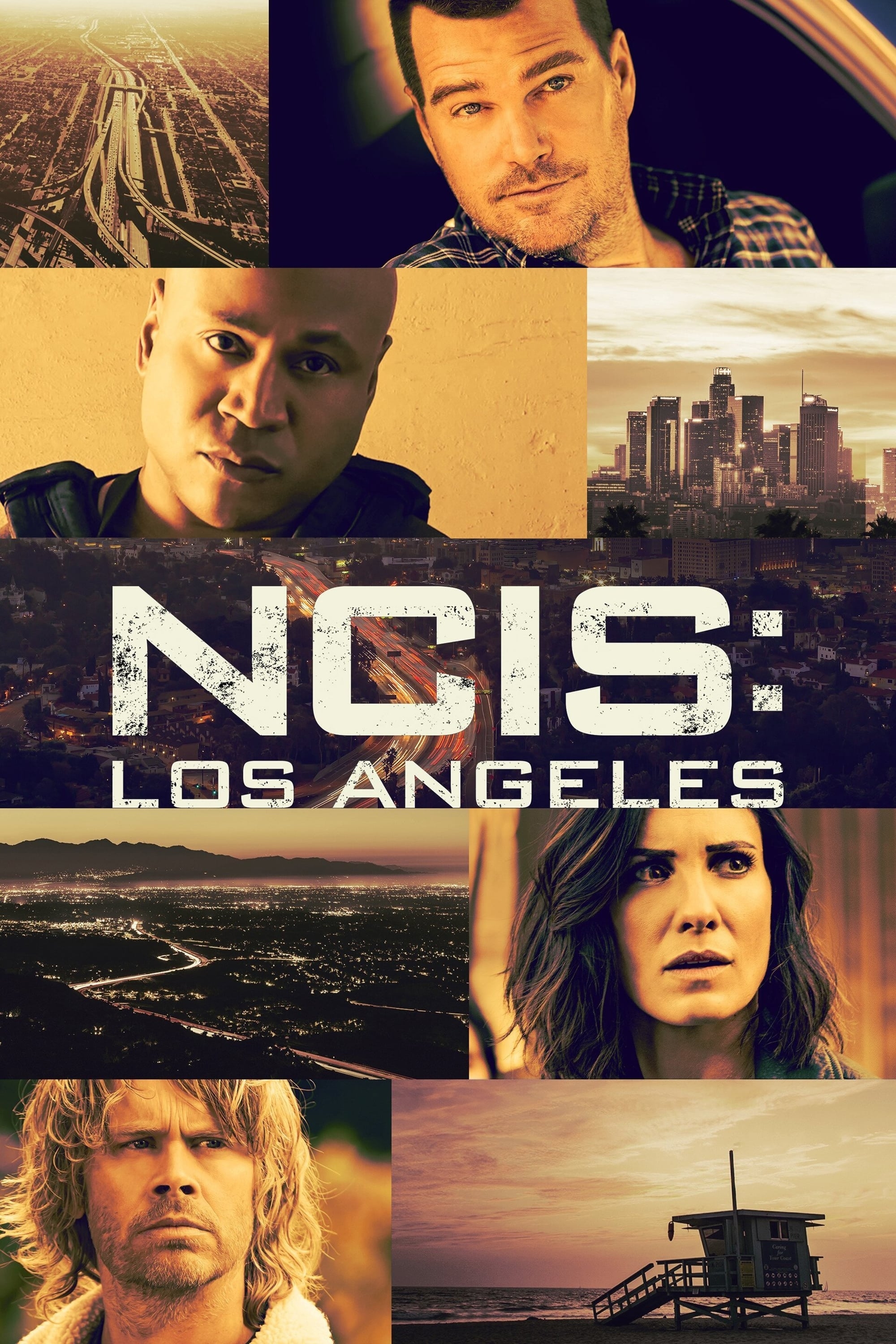
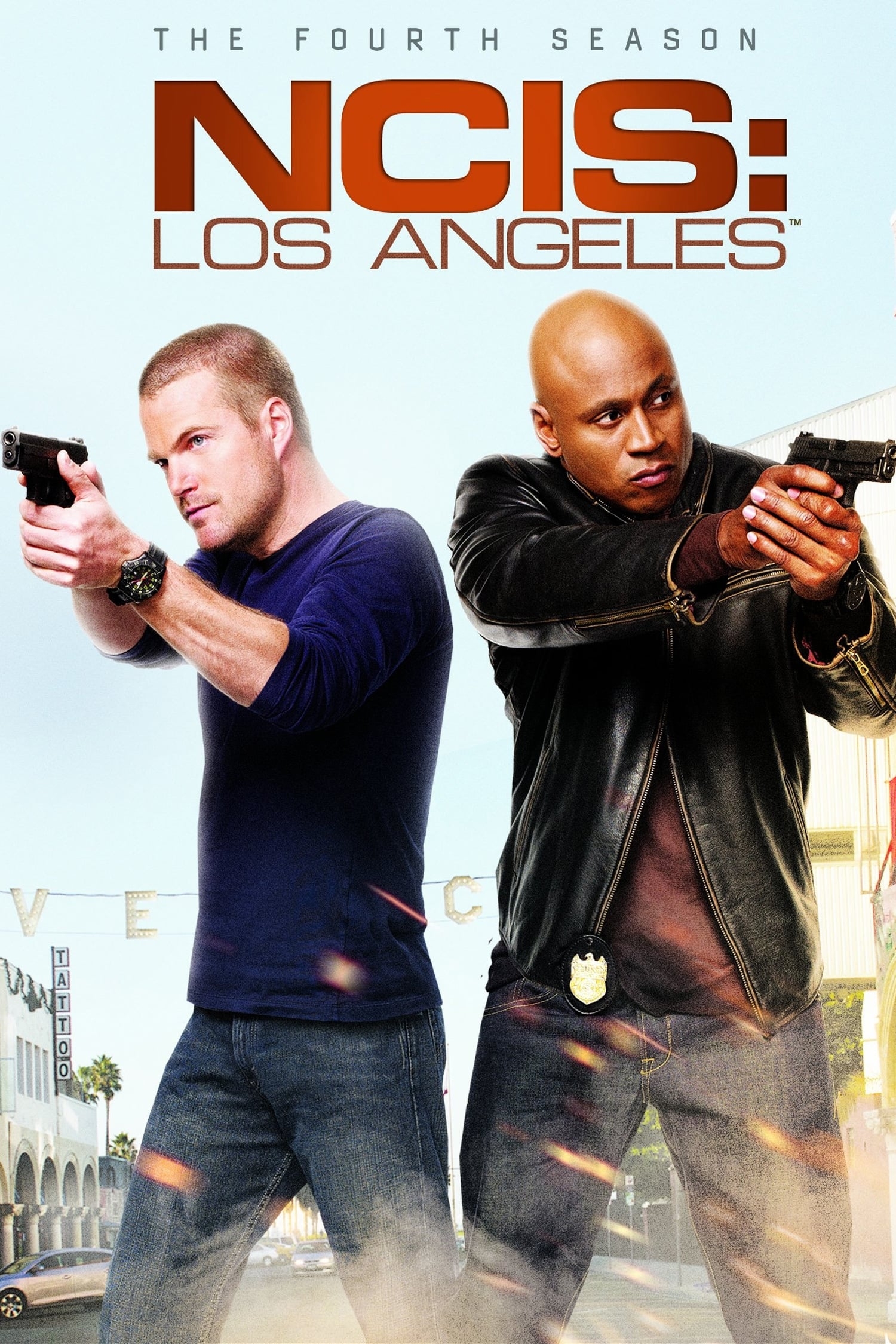
The first nine seasons of NCIS: Los Angeles encompass the definitive era of the high-octane procedural, following the Office of Special Projects (OSP) from its 2009 debut through major cast transitions in 2018. This period covers 216 episodes of undercover operations, the resolution of the long-running "Mole" storyline, and the deep exploration of G. Callen’s mysterious past.
The OSP, a specialized division of the Naval Criminal Investigative Service, focuses on deep-cover assignments and high-stakes counter-terrorism. While the original NCIS prioritized forensics and traditional investigation, the Los Angeles iteration—particularly in these first nine seasons—shifted the focus toward tactical action, surveillance technology, and the psychological toll of living under an alias.
The Evolution of the Office of Special Projects (Seasons 1–9)
The journey through the first nine seasons is characterized by a shift from episodic "case-of-the-week" storytelling to complex, multi-season narrative arcs. In the early seasons, the show focused heavily on establishing the chemistry between Special Agent G. Callen (Chris O'Donnell) and his partner, former Navy SEAL Sam Hanna (LL Cool J).
By Season 3 and 4, the series began to integrate the "tech" side of the house—Eric Beale and Nell Jones—more directly into field operations. This era also solidified the "Densi" relationship (Kensi Blye and Marty Deeks), which became a foundational element of the show’s emotional stakes. By the time the series reached Season 9, the tone had matured, dealing with more somber themes such as the death of core characters and the political fallout of unsanctioned international missions.
Seasons 1–3: The Foundation and Callen’s Identity
The first three seasons are primarily concerned with world-building. Following the backdoor pilot in the NCIS episodes "Legend (Part 1 & 2)," the show launched with a focus on Callen’s lack of a first name and his foster care history.
- Season 1: Introduced the team, including the ill-fated Dominic Vaile, whose disappearance and eventual death provided one of the show's first major emotional gut punches.
- Season 2: This season was pivotal for the introduction of Marty Deeks (Eric Christian Olsen) as a series regular, replacing the void left by Dom. It also introduced Nell Jones, who would become the operational heart of the tech center alongside Eric Beale.
- Season 3: Often cited by fans as a high point, this season delved into the "Comescu" blood feud and the "Hunters" arc, providing the first real clues regarding Callen’s family and the "G" in his name.
Seasons 4–6: Expansion and High Stakes
As the show entered its middle years, the scale of the threats increased. The production began utilizing more international locales (or high-quality Los Angeles stand-ins) to represent global security threats.
- Season 4: Featured the 100th episode and a backdoor pilot for NCIS: Red, a mobile unit that ultimately did not go to series. It also focused on the physical and psychological recovery of Kensi and Deeks following their capture and torture.
- Season 5: Marked by the "White Ghost" arc in Afghanistan, where Kensi was sent on a solo mission. This season balanced intense action with the evolving romantic tension between the leads.
- Season 6: Focused heavily on the character of Hetty Lange (Linda Hunt) and her Cold War-era secrets. We also saw the team travel to Russia, further cementing the show's status as a global thriller.
Seasons 7–9: The Mole and Transition
The final third of this nine-season block is defined by internal threats and shifting leadership. The "Mole" storyline, which suggested a traitor within the OSP, created a sense of paranoia that lasted for years.
- Season 7: Explored the personal costs of the job, including Sam Hanna’s family life and the increasing pressure from Washington D.C. to oversee Hetty’s "unorthodox" methods.
- Season 8: A dark and transformative season. It concluded the Mole arc in the episode "Under Siege" and dealt with the real-life passing of actor Miguel Ferrer (Owen Granger). The season finale saw the tragic death of Michelle Hanna, a move that fundamentally changed Sam’s character.
- Season 9: Represented a soft reboot in leadership. Following the fallout of the previous year, Executive Assistant Director Shay Mosley (Nia Long) arrived to bring the team in line. The season culminated in the controversial "Mexico Mission," a rescue operation that ended on a massive cliffhanger with the lives of the four lead agents in the balance.
Key Character Dynamics and Development
A significant reason for the longevity of the first nine seasons is the stability and chemistry of the ensemble cast. Unlike many procedurals that cycle through leads, NCIS: Los Angeles maintained its core four (Callen, Sam, Kensi, Deeks) throughout this entire 216-episode run.
G. Callen and Sam Hanna: The Brotherhood
The relationship between Callen and Sam is the spine of the show. Over nine seasons, we see them move from professional partners to brothers. Sam provides the stable family life that Callen lacks, while Callen’s investigative instincts complement Sam’s tactical SEAL training. Their "car talk" segments became a staple of the series, providing levity amidst high-stakes investigations.
Kensi Blye and Marty Deeks: The Evolution of "Densi"
The "will-they-won't-they" dynamic between Kensi (Daniela Ruah) and Deeks (Eric Christian Olsen) was handled with more nuance than typical TV romances. By Season 9, they had transitioned from bickering partners to an engaged couple. Their journey included significant trauma, such as Kensi’s helicopter crash and subsequent paralysis in Season 8, which tested the strength of their partnership beyond the battlefield.
Hetty Lange: The Enigmatic Matriarch
Henrietta "Hetty" Lange served as more than just a boss; she was a master of the "Great Game" of international espionage. Throughout the first nine seasons, her past was slowly unspooled, revealing links to the CIA, the Cold War, and Callen’s own mother. Her frequent disappearances (often to accommodate Linda Hunt’s schedule or health) were written into the plot as secret missions, adding to her mystique.
Technical Specifications and Production Overview
The production quality of NCIS: Los Angeles was notably high for broadcast television during this era. The show utilized the bright, saturated colors of Southern California to contrast with the dark, gritty nature of the crimes investigated.
| Feature | Season 1–3 Details | Season 4–6 Details | Season 7–9 Details |
|---|---|---|---|
| Primary Antagonist(s) | The Comescu Family, Janvier | The Chameleon, Matthias | The Mole, Tahir Khaled |
| Average Episodes | 24 per season | 24 per season | 24 per season (S9: 24) |
| Operational Base | The Mission (Initial Tech) | The Mission (Upgraded Ops) | The Mission (Post-Mole Breach) |
| Core Cast Size | 6 Main / 2 Recurring | 7 Main / 3 Recurring | 8 Main / 4 Recurring |
| Key Tech Focus | Surveillance/GPS | Cyber Warfare/Drones | Cryptography/Global Tracking |
How to Access the First 9 Seasons in 2026
As of 2026, the licensing for NCIS: Los Angeles has stabilized following the show's overall conclusion in 2023. Viewers looking to consume the first nine seasons have several distinct pathways, ranging from subscription services to physical media.
Streaming Platforms
In 2026, Paramount+ remains the primary streaming home for the entire NCIS franchise, including all 14 seasons of the Los Angeles spin-off. The first nine seasons are available in 1080p High Definition. For those without a subscription, the series is frequently cycled through "FAST" channels (Free Ad-supported Streaming TV) like Pluto TV, though these usually offer a randomized linear experience rather than on-demand selection.
Digital Purchase and Ownership
For viewers who prefer to "own" their content without worrying about licensing shifts, digital storefronts remain a viable option.
- Amazon Prime Video / Apple TV: Individual seasons are typically priced between $24.99 and $29.99. Purchasing the "Season 1-9 Bundle" is often more cost-effective, frequently appearing in digital sales for under $100.
- Resolution: While the show was broadcast in 1080i, digital purchases provide a stable 1080p signal. There is currently no 4K/UHD master available for the first nine seasons.
Physical Media (DVD)
The "NCIS: Los Angeles: The First 9 Seasons" DVD box set was a popular release and can still be found through secondary markets or specialty retailers.
- Pros: Includes deleted scenes, audio commentaries (notably on the pilot and the 100th episode), and "making-of" featurettes that are not available on streaming platforms.
- Cons: Physical media for this series is limited to DVD resolution (480p). No Blu-ray versions of the full seasons were produced for the North American market, making the digital HD versions superior in visual quality.
Common Viewing Obstacles and Troubleshooting
When marathon-watching nine seasons of a procedural, viewers often encounter a few common issues regarding continuity and episode availability.
- Crossover Confusion: NCIS: Los Angeles participated in several crossovers. To get the full story for specific episodes, you may need to watch episodes from the parent show NCIS or Hawaii Five-0. For example, the Season 3 episode "Touch of Death" is the second half of a story that began in Hawaii Five-0 Season 2, Episode 21.
- Missing "Previously On" Segments: Some streaming platforms strip out the "previously on" recaps. For serialized arcs like the "Mole" storyline in Seasons 7 and 8, this can make the plot difficult to follow if you are not binge-watching.
- Music Licensing: While most of the original broadcast music remains intact, some viewers have noted minor changes in incidental background music in earlier seasons on streaming platforms due to expiring licenses. The core theme and major musical cues remain unchanged.
Frequently Asked Questions
Does Callen find out his full name within the first 9 seasons?
Yes. After years of mystery, Callen finally discovers his full name and the history of his father in Season 7, Episode 16, titled "Matryoshka (Part 2)." The "G" is revealed to stand for Grisha, specifically Grisha Alexandrovich Nikolaev. This revelation is a major turning point for the character’s development through the end of Season 9.
Why did Miguel Ferrer (Owen Granger) leave the show in Season 8?
Miguel Ferrer passed away from throat cancer in early 2017. The show’s writers handled his illness with great respect, incorporating a declining health arc for his character, Assistant Director Owen Granger. Instead of killing the character off-screen, they gave him a "hero's exit" in Season 8, Episode 16, where he walked out of the hospital to live his remaining days on his own terms.
Is Season 9 the end of the "Mole" storyline?
No, the "Mole" storyline—which involved a group of rogue CIA agents and internal saboteurs—reached its primary climax in Season 8. Season 9 deals with the administrative and political fallout of that breach, including the arrival of Shay Mosley to clean up the OSP’s reputation and the team's transition into a more scrutinized era of operations.
Do Kensi and Deeks get married in these seasons?
They do not get married within the first nine seasons, but they do get engaged. After several seasons of dating and surviving multiple near-death experiences, Deeks proposes to Kensi in Season 8. Their wedding planning is a recurring subplot in Season 9, though the actual ceremony occurs later in the series (Season 10).
What is the significance of the "Mexico Mission" at the end of Season 9?
The Season 9 finale, "A Line in the Sand" and "Ninguna Salida," is one of the most famous cliffhangers in the series. The team goes on an unsanctioned mission to Mexico to rescue Sam’s son. It ends with their vehicle being hit by a rocket-propelled grenade (RPG), leaving the fate of Callen, Sam, Kensi, and Deeks unknown until the Season 10 premiere.
Final Recommendation for Viewers
For those embarking on a journey through the first nine seasons of NCIS: Los Angeles, the best approach is to view the series as a trilogy of trilogies. Seasons 1–3 are about identity; 4–6 are about global expansion; and 7–9 are about internal consequences.
If you are a first-time viewer in 2026, prioritize the Paramount+ high-definition stream for the best visual experience. However, if you are a completionist, seeking out the DVD box sets is recommended to access the "Inside the OSP" featurettes, which provide invaluable context on the show’s complex stunt work and tactical training. The first nine seasons represent the show at its creative peak, offering a blend of character-driven drama and explosive action that remains a benchmark for the genre.