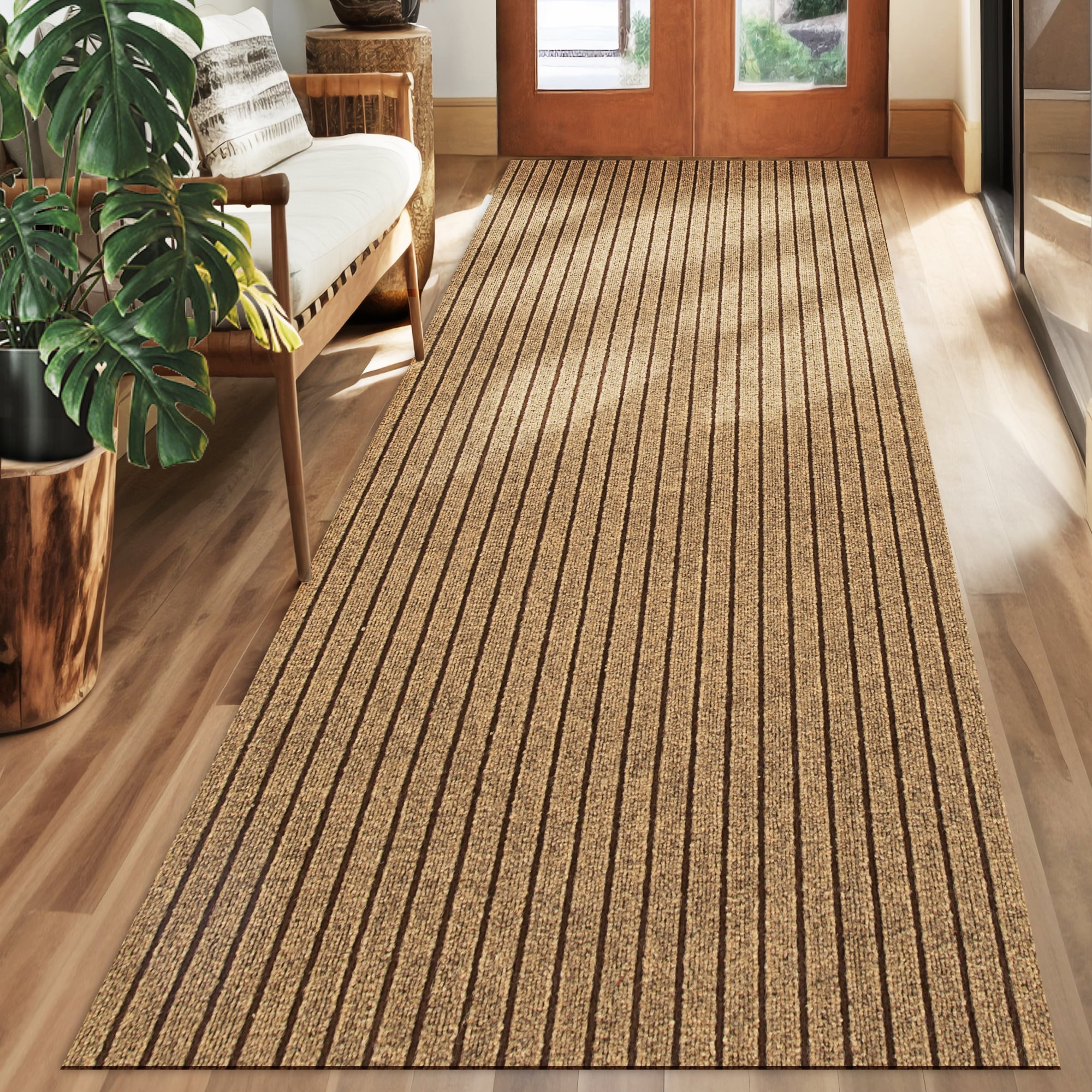
Shoppers looking at the $39.99 price point for Wayfair’s 4 by 6 outdoor rugs will find a variety of budget-friendly synthetic options made primarily from polypropylene and polyester, varying by weave style, pile height, and backing material. When evaluating these entry-level rugs against one another, differences in UV resistance, water drainage, texture, and edge binding determine which model best suits patios, balconies, or entryways.
Navigating the Wayfair 4x6 Outdoor Rug Market
When shopping for an outdoor rug on a strict budget, understanding the baseline offerings is essential. Wayfair serves as a massive marketplace aggregating thousands of distinct brands, manufacturers, and private-label products. Within the specific dimensions of 4 by 6 feet and a price ceiling around $39.99, consumers encounter a dense collection of accent rugs, patio mats, and porch runners. This price point represents a sweet spot for renters, apartment dwellers, and homeowners looking to update small outdoor living spaces without making a substantial financial commitment.
However, navigating this segment requires a clear eye. At roughly forty dollars, manufacturing shortcuts, material variations, and shipping folds can significantly alter the performance of the product. To make an informed choice, buyers must look past promotional photography and examine the underlying construction specifications, fiber types, and intended use cases. This analysis breaks down how these economical 4x6 outdoor rugs stack up against each other, what structural differences exist beneath the surface, and how to select the right mat for specific micro-climates and traffic levels.
Material Composition: Polypropylene Versus Polyester
The overwhelming majority of 4x6 outdoor rugs priced near $39.99 are constructed from synthetic fibers, primarily polypropylene (olefin) or polyester. Each material brings distinct performance characteristics to outdoor environments.
Polypropylene is the industry workhorse for outdoor textiles. It is inherently hydrophobic, meaning it does not absorb water, making it exceptionally resistant to mold and mildew. Furthermore, manufacturers often solution-dye polypropylene during the extrusion process, locking the color into the core of the fiber. This gives polypropylene rugs superior resistance to fading from ultraviolet (UV) radiation compared to surface-dyed fibers. For open patios exposed to relentless midday sun, a polypropylene flatweave at this price point is generally the safer bet for longevity.
Polyester, on the other hand, offers a softer hand-feel and more vibrant color clarity right out of the box. While modern outdoor-grade polyesters are treated to resist moisture, they tend to hold onto dampness slightly longer than polypropylene. In a 4x6 size, polyester is frequently used for plush, textured, or printed accent rugs placed on covered porches or screened-in lanais rather than uncovered, rain-soaked decks. Buyers prioritizing softness under bare feet often lean toward polyester, while those prioritizing weather resistance and easy hose-down cleaning choose polypropylene.
Weave Styles and Textures at the $39.99 Price Point
At the forty-dollar mark, manufacturing techniques vary, resulting in distinct tactile and functional differences among 4x6 rugs. The construction style dictates how well the rug handles foot traffic, debris, and moisture drainage.
Flatweave and Looped Construction
Flatweave rugs are produced on power looms without a raised pile, resulting in a tight, low-profile mat that resembles traditional natural fiber rugs like sisal or jute, but in synthetic form.
- Pros: Extremely easy to clean with a standard garden hose, quick to dry, and less likely to trap leaves, pet hair, and dirt. Chairs and patio furniture slide easily across flatweaves without catching.
- Cons: Offers zero cushioning underfoot; feels firm and utilitarian.
Power-Loomed Cut and Loop
Some manufacturers offer textured styles featuring a combination of cut and looped fibers to create geometric or botanical relief patterns.
- Pros: Visually striking, adds dimensional depth to small balconies or porches, and feels moderately softer than a flatweave.
- Cons: Loops can snag on pet claws, patio furniture legs, or rugged footwear. They also trap moisture and fine dirt more readily, requiring more frequent vacuuming or deep cleaning.
Comparative Specifications of Budget Outdoor Rugs
To visualize how different structural choices impact utility, the following comparison matrix outlines the typical variants found within the Wayfair 4x6 category around the $39.99 price tier.
| Feature / Attribute | Polypropylene Flatweave | Polyester Printed Accent | Recycled Plastic Straw Mat |
|---|---|---|---|
| Primary Material | 100% Polypropylene (Olefin) | 100% Treated Polyester | Polypropylene Straws / Tubes |
| Best Placement | Uncovered patios, decks, poolsides | Covered porches, balconies, sunrooms | RV camping, beach trips, grassy yards |
| Water Resistance | Excellent (non-absorbent) | Good (surface-treated) | Excellent (dries almost instantly) |
| UV Resistance | High (solution-dyed) | Moderate (surface printed) | Moderate to High |
| Cleaning Method | Hose down, mild soap, air dry | Spot clean, light vacuum, air dry | Shake out, hose down |
| Cushioning | Minimal (flat surface) | Low to Moderate (soft pile) | Minimal (flat woven tubes) |
Durability, Weather Resistance, and Maintenance
Outdoor rugs face a relentless barrage of environmental stressors, including rain, humidity, intense sunlight, bird droppings, and fluctuating temperatures. Understanding how a $39.99 rug responds to these factors helps manage expectations regarding lifespan.
At this price point, shoppers should not expect commercial-grade durability meant to withstand years of heavy commercial foot traffic. Instead, expect a functional lifespan of two to four seasons depending on exposure. Uncovered rugs left outside through freezing winters will experience accelerated fiber degradation, as trapped moisture expands and contracts within the weave.
Maintenance for these rugs is straightforward but non-negotiable for longevity. Regular upkeep prevents organic matter like dirt and pollen from breaking down the synthetic backing.
- Regular Debris Removal: Sweep or leaf-blow the rug weekly to prevent dry soil from settling deep into the fibers.
- Washing: Lay the rug flat on a clean surface, wet it thoroughly with a garden hose, apply a mild dish soap or specialized outdoor cleaner, and scrub gently with a soft-bristled brush.
- Rinsing and Drying: Rinse all soap residue away completely—soap film attracts fresh dirt. Hang the rug over a railing or fence to allow air circulation underneath until completely dry, preventing mold growth on the underside.
Aesthetic Variety and Styling Small Spaces
A 4 by 6-foot rug is an inherently compact size, making it ideal for targeted styling rather than anchoring large conversation sets. In outdoor design, a 4x6 rug typically serves specific functional zones: anchoring a single rocking chair on a porch, defining the entry area outside a sliding glass door, or sitting beneath a small bistro table with two chairs.
At the $39.99 price point, manufacturers cater to modern design trends, offering Moroccan trellis patterns, coastal nautical stripes, distressed vintage medallions, and minimalist geometric lines. Because the production cost is low, brands frequently rotate patterns to match interior design shifts. When styling a 4x6 rug outdoors, ensure that at least the front two legs of any furniture resting on it sit comfortably on the fabric to anchor the space visually. Floating the rug completely unanchored in an open area can make it look disproportionately small and prone to shifting in high winds.
Common Pitfalls and How to Avoid Them
Buying budget outdoor rugs online introduces specific risks that careful inspection can mitigate. The most frequent issues reported by consumers involve packaging creasing, backing deterioration, and sizing anomalies.
- Creasing from Shipping: Because 4x6 rugs are lightweight, retailers often fold them tightly into compact shipping boxes rather than rolling them on a core. When unpacked, deep creases can take several days to relax. Rolling the rug tightly in the reverse direction or leaving it flat in direct sunlight for a few hours typically eliminates these lines.
- Lack of Backing Grip: Inexpensive outdoor rugs rarely feature heavy rubber or non-skid backings because rubber degrades rapidly under UV exposure and traps moisture against wooden decks. On smooth concrete or composite decking, a 4x6 rug can slide easily. Purchasing a separate, breathable outdoor rug pad solves this safety hazard.
- Color Discrepancy: Printed polyester rugs often feature vibrant digital mockups on retail sites, but the actual printed ink can appear muted on textured synthetic fabrics. Reading customer reviews with user-submitted photos provides a more accurate depiction of real-world color saturation.
Frequently Asked Questions
Can I leave a $39.99 outdoor rug outside during winter?
While synthetic materials like polypropylene will not rot from snow, leaving inexpensive rugs exposed to continuous freezing, thawing, and heavy moisture accelerates fiber breakdown and fading. It is best to clean, dry, roll up, and store the rug in a garage or shed during harsh winter months.
Do 4x6 outdoor rugs require a rug pad?
Yes, using a breathable outdoor rug pad is recommended. A pad prevents the rug from sliding on slick surfaces like stone or composite decking, allows air to circulate underneath to speed up drying after rain, and prevents moisture from getting trapped against the floor surface.
How do I get rid of mold or mildew on my outdoor rug?
Mix a solution of equal parts water and white vinegar, or use a mild oxygen bleach mixed with water. Apply it to the affected area, let it sit for 10 to 15 minutes, scrub gently with a soft brush, and rinse thoroughly with a garden hose before letting it dry completely in the sun.
Can these rugs be used indoors as well?
Many consumers purchase these rugs for high-traffic indoor areas such as mudrooms, laundry rooms, basements, or children's playrooms because they are durable, stain-resistant, and easily cleaned with a garden hose or damp mop.
Are these rugs safe for wooden decks?
Yes, but with a caveat. Traditional indoor rugs with solid rubber or latex backings can trap moisture against wood and cause rot. Most budget outdoor rugs lack heavy waterproof backing, making them safer for wood decks, provided you lift and dry the area underneath periodically.
Conclusion and Final Recommendation
Choosing a 4 by 6 outdoor rug priced around $39.99 comes down to matching your specific environment with the right synthetic fiber and weave. For uncovered patios exposed to heavy sun and rain, a solution-dyed polypropylene flatweave offers the best balance of weather resistance and easy maintenance. For covered balconies or porches where tactile comfort is more important than heavy-duty drainage, a soft polyester or textured weave provides a cozy aesthetic upgrade. By acknowledging the limitations of budget-tier materials and performing simple seasonal maintenance, these affordable rugs can elevate small outdoor spaces effectively.