Replacing the alternator on a 2013 Kia Soul is a moderately difficult DIY task that requires basic hand tools and approximately two to three hours of labor. The process involves disconnecting the battery, releasing the serpentine belt tension, removing the electrical connections, and unbolting the unit from the engine block.
The 2013 Kia Soul remains a popular vehicle on the road in 2026, prized for its utility and relatively simple mechanical layout. However, as these vehicles age—now being over 13 years old—components like the alternator are reaching the end of their natural service life. The alternator is the heart of your vehicle's charging system; it converts mechanical energy from the engine into electrical energy to power the vehicle's electronics and maintain the battery's charge. When it fails, the car will eventually stall and refuse to restart, leaving you stranded.
Understanding the 2013 Kia Soul Charging System
Before turning a wrench, it is essential to understand the specific configuration of the 2013 Kia Soul. This model year features two primary engine options: the 1.6L Gamma GDI four-cylinder and the 2.0L Nu four-cylinder. While the replacement procedure is remarkably similar for both, the clearance and bolt locations vary slightly.
The alternator is driven by the serpentine belt (also known as the drive belt). In the 2013 Soul, this system utilizes an automatic tensioner or a manual adjustment bolt, depending on the specific production run and engine type. Most 2013 models moved toward the automatic tensioner design, which simplifies the removal of the belt but requires a specific technique to "unload" the spring tension.
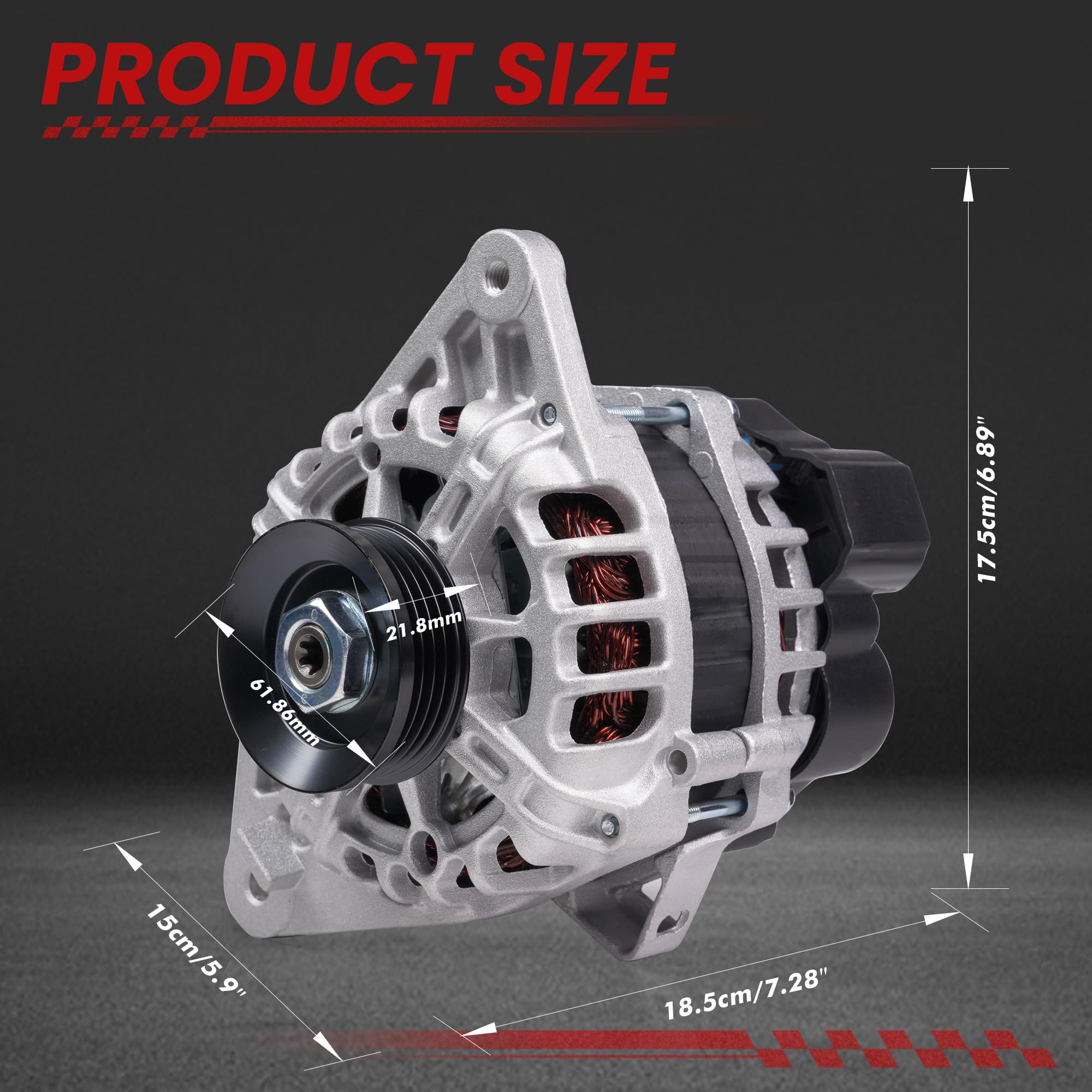
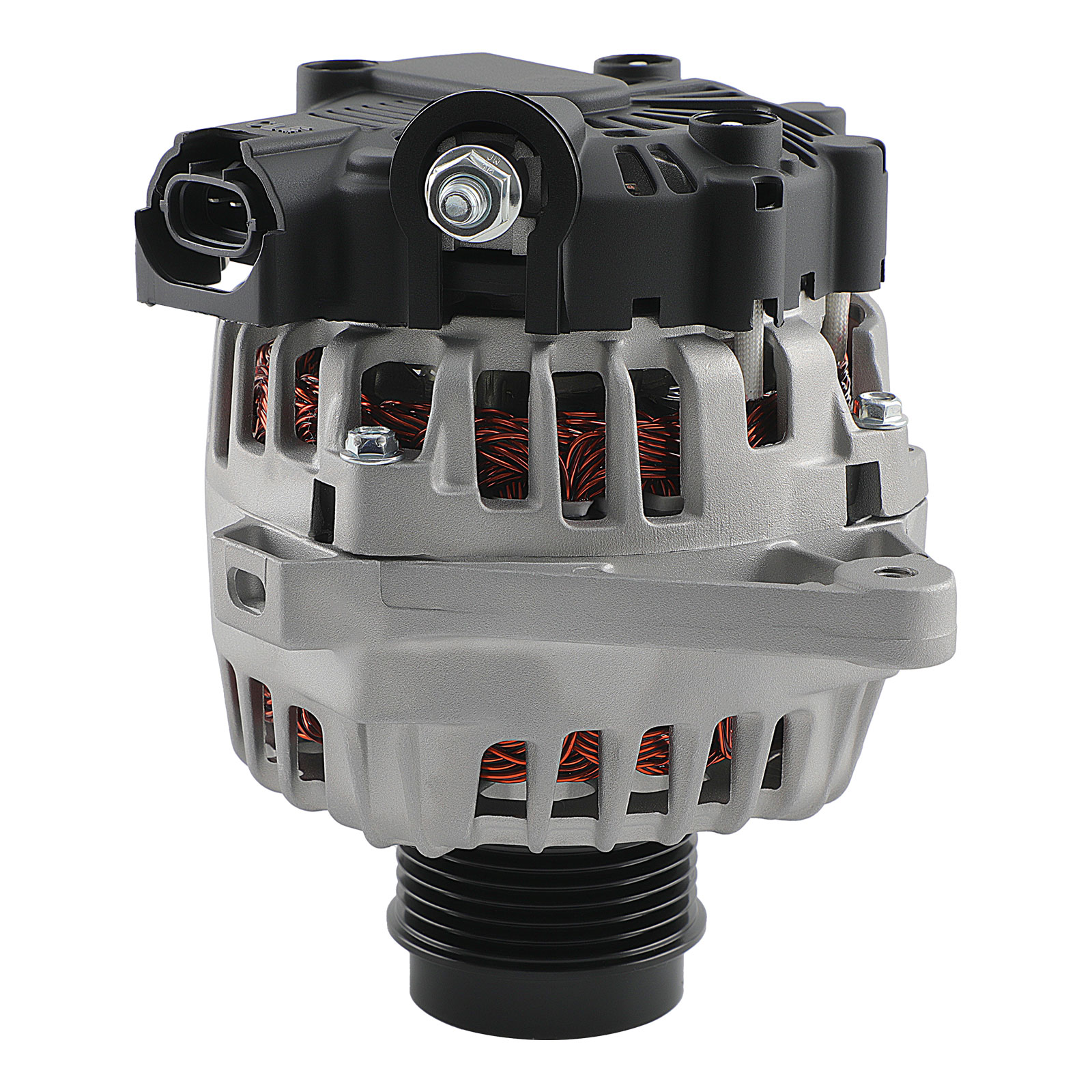
The alternator itself is a high-output unit designed to handle the Soul’s electronic power steering (EPS) and modern infotainment features. Replacing it with an underpowered or low-quality "will-fit" unit can lead to flickering lights or premature failure of the new component.
Symptoms of Alternator Failure in a Kia Soul
Recognizing the signs of a failing alternator can save you from an expensive tow bill. In the 2013 Kia Soul, the symptoms are often progressive rather than instantaneous.
- The Battery Warning Light: This is the most common indicator. If the "Battery" or "CHG" light illuminates on your dashboard while the engine is running, the voltage regulator inside the alternator has likely detected that the output is below the required threshold (typically 13.5 to 14.7 volts).
- Dimming or Flickering Lights: Since the alternator provides the primary power for the headlights and interior consoles, a failing unit will cause these lights to dim when the engine is at idle or flicker when you use other electronics, like the power windows.
- The "Whining" or "Growling" Noise: Alternators contain high-speed bearings. If these bearings wear out, they produce a distinct mechanical whine that increases in pitch as you accelerate.
- Strange Odors: A failing alternator may cause the drive belt to slip, creating a burnt rubber smell. Conversely, an internal short in the alternator can produce an "ozone" or electrical burning scent.
- Frequent Dead Batteries: If you find yourself needing a jump-start every morning despite having a relatively new battery, the alternator is likely failing to replenish the charge consumed during your previous drive.
Required Tools and Materials
To perform this replacement in 2026, you should gather all necessary equipment beforehand to avoid mid-project delays.
- Socket Set (Metric): Specifically 10mm, 12mm, and 14mm sockets.
- Wrenches: A 14mm long-handle wrench or a dedicated serpentine belt tool.
- Pry Bar: A small pry bar or large flat-head screwdriver to help wiggle the old alternator out of its bracket.
- Multimeter: To test the voltage of the new unit once installed.
- Work Lights: The engine bay can be dark, especially when reaching for the lower mounting bolts.
- Replacement Alternator: Ensure it is rated for the 2013 Kia Soul (1.6L or 2.0L specifically).
- New Serpentine Belt (Optional but Recommended): Since you must remove the belt anyway, it is best practice to install a new one if the current belt shows cracks or glazing.
Safety Precautions
Working on a vehicle’s electrical system carries risks of both electrical shock and mechanical injury.
Always disconnect the negative battery terminal first. The alternator is connected directly to the battery via a thick, un-fused wire (the B+ terminal). If your wrench touches the alternator frame and this wire simultaneously while the battery is connected, it will create a massive short circuit, potentially causing a fire, exploding the battery, or melting your tools.
Additionally, ensure the engine is completely cool. The alternator is located near the exhaust manifold and the radiator; contact with these components on a hot engine can cause severe burns.
Step-by-Step Replacement Guide
1. Preparation and Battery Disconnect
Park the vehicle on a level surface and engage the parking brake. Open the hood and locate the battery. Using a 10mm wrench, loosen the nut on the negative (black) battery terminal. Remove the cable and tuck it aside so it cannot accidentally make contact with the post. For extra safety, you may also disconnect the positive terminal.
2. Drive Belt Removal
Locate the serpentine belt tensioner. On the 2013 Soul, this is usually found on the front (passenger side) of the engine.
- Place a 14mm wrench on the center bolt of the tensioner pulley.
- Rotate the tensioner (usually counter-clockwise) to release the tension on the belt.
- While holding the tensioner, slide the belt off the alternator pulley.
- Slowly release the tensioner. You do not need to remove the belt entirely from the car unless you are replacing it, but ensure it stays on the other pulleys to make re-installation easier.
3. Disconnecting Electrical Leads
The alternator has two primary electrical connections:
- The Wiring Harness Plug: Squeeze the plastic tab and pull the multi-wire connector out of the back of the alternator.
- The B+ Terminal: This is a thick wire held on by a nut under a rubber protective cap. Flip the cap back, use a 12mm socket to remove the nut, and pull the wire off the threaded stud.
4. Removing Mounting Bolts
The alternator is held in place by two main bolts: a long pivot bolt at the top and a shorter mounting bolt at the bottom.
- Use a 12mm or 14mm socket (depending on the specific engine) to remove the top bolt.
- Locate the bottom bolt. This may be easier to reach from under the vehicle or by removing the plastic splash shield in the wheel well, though most technicians can reach it from above with a long extension.
- Once both bolts are removed, the alternator may still feel stuck. This is due to the "crush sleeve" in the mounting bracket. Use your pry bar to gently rock the alternator back and forth until it slides out of the bracket.
5. Installing the New Alternator
Position the new alternator into the mounting brackets. It may be a tight fit. If necessary, use a hammer and a small punch to slightly tap the crush sleeve on the new alternator’s housing outward to provide more clearance.
- Slide the long top bolt through first to act as a hinge, but do not tighten it yet.
- Align the bottom hole and insert the lower bolt.
- Torque both bolts to the manufacturer's specifications (see the table below).
- Reconnect the B+ terminal wire and tighten the 12mm nut. Replace the rubber dust cap.
- Snap the wiring harness plug back into place.
6. Reinstalling the Belt and Finishing
Refer to the belt routing diagram (usually found on a sticker under the hood). Use the 14mm wrench to rotate the tensioner again and slide the belt over the new alternator pulley. Crucial: Double-check that the belt is perfectly seated in the grooves of every pulley. If it is "one rib off," it will shred the belt within minutes of starting the engine.
Finally, reconnect the battery terminals.
Technical Specifications and Torque Values
The following table provides the necessary technical data for a successful installation on the 2013 model.
| Component | Specification / Torque | Notes |
|---|---|---|
| Alternator Output | 110 - 120 Amps | Varies by trim level (Base vs. Exclaim) |
| Top Pivot Bolt Torque | 25 - 35 lb-ft (34-47 Nm) | Do not over-tighten; housing is aluminum |
| Lower Mounting Bolt Torque | 15 - 22 lb-ft (20-30 Nm) | Access may require a swivel socket |
| B+ Terminal Nut Torque | 8 - 10 lb-ft (11-14 Nm) | Snug only; do not snap the stud |
| Belt Tensioner Rotation | Counter-Clockwise | To release tension on most 2013 units |
| System Voltage (Running) | 13.8V - 14.4V | Measured at battery terminals |
The "Fusible Link" Caution
Before condemning a new alternator that isn't charging, check the multi-fuse or "fusible link" located in the engine bay fuse box. In many Kia Soul models, a major electrical surge (or an accidental reverse-polarity jump start) can blow the 125A or 150A main fuse. If this fuse is blown, the alternator cannot send power to the battery, even if the alternator itself is brand new and functioning perfectly. Always inspect the clear window on top of this large fuse for any signs of a broken metal strip.
Cost Analysis: DIY vs. Professional Repair (2026 Estimates)
In 2026, labor rates for automotive repair have stabilized, but remain a significant portion of any repair bill.
- Professional Shop: Expect to pay between $550 and $850. This includes a marked-up OEM-quality part ($300-$450) and 2-3 hours of labor at $125-$175 per hour. Most shops will also include a diagnostic fee to verify the failure.
- DIY Approach: Your primary cost is the part. A high-quality remanufactured alternator typically costs between $180 and $280. If you return your old alternator to the store, you will receive a "core charge" refund (usually $40-$80), bringing your total net cost down significantly.
Frequently Asked Questions
Can I drive my 2013 Kia Soul with a bad alternator?
You should not. Once the alternator fails, the car relies entirely on the reserve energy in the battery. On a 2013 Soul, which uses electronic fuel injection and electronic power steering, the battery will likely deplete in 15 to 30 minutes of driving. Once the voltage drops below a certain point, the engine will die, and you will lose power steering assist, which can be dangerous.
Should I buy a "New" or "Remanufactured" alternator?
In 2026, many parts for 2013 models are remanufactured. A "reman" unit from a reputable brand (like Denso, Bosch, or ACDelco) is often just as good as a brand-new one because the core components are cleaned and tested, while wearable parts like brushes, bearings, and regulators are replaced with new ones. Avoid "used" alternators from salvage yards, as their internal brushes are likely already near the end of their lifespan.
Why is my battery light still on after I replaced the alternator?
There are three common reasons:
- The Fusible Link: As mentioned earlier, the main charging fuse may be blown.
- Corroded Terminals: The 2013 Soul is prone to corrosion on the negative battery cable where it bolts to the car's frame. Clean the ground connection.
- Defective New Part: "Dead on arrival" (DOA) alternators are unfortunately common with budget-tier auto parts store brands. Test the output with a multimeter; it should read over 13.5V at idle.
Is the 1.6L alternator different from the 2.0L?
Yes. While they look similar, the mounting ear offsets and the amperage ratings can differ. Always provide your VIN (Vehicle Identification Number) to the parts counter to ensure you receive the correct unit for your specific engine.
Do I need to program the new alternator to the car?
No. Unlike some European luxury vehicles of the same era, the 2013 Kia Soul does not require "coding" or "registering" a new alternator or battery. It is a traditional "plug-and-play" system.
Final Recommendation
If you have determined your 2013 Kia Soul alternator is failing, the most cost-effective and reliable path is to purchase a high-quality remanufactured unit with a lifetime warranty. Before installing the new unit, take your battery to a local parts store to have it fully charged and load-tested. An alternator's job is to maintain a charge, not to charge a completely dead battery from zero. Forcing a brand-new alternator to "bulk charge" a deeply discharged battery can cause the new voltage regulator to overheat and fail prematurely. Ensure your battery is healthy and charged, and your Kia Soul's electrical system will likely remain robust for several more years.