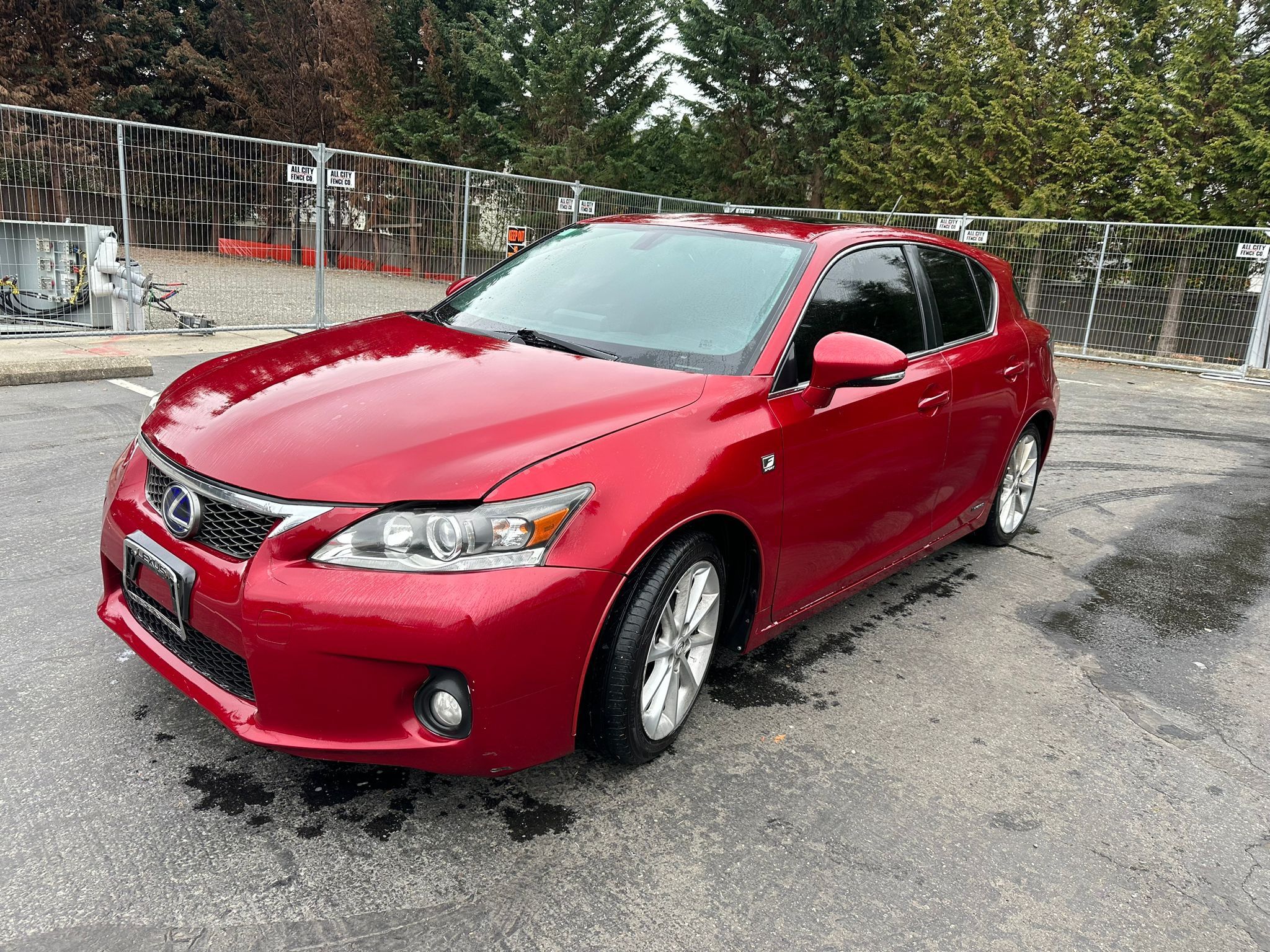
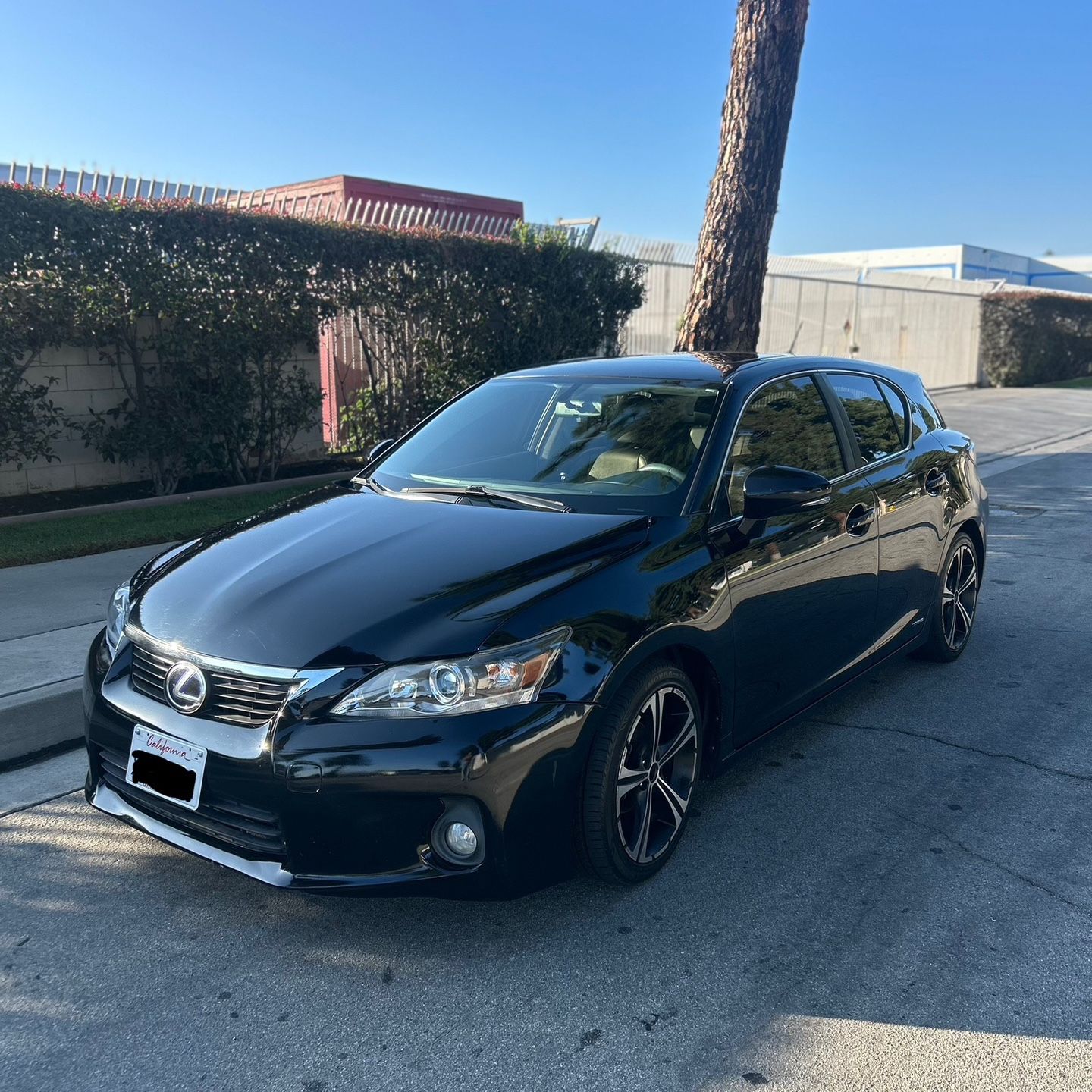
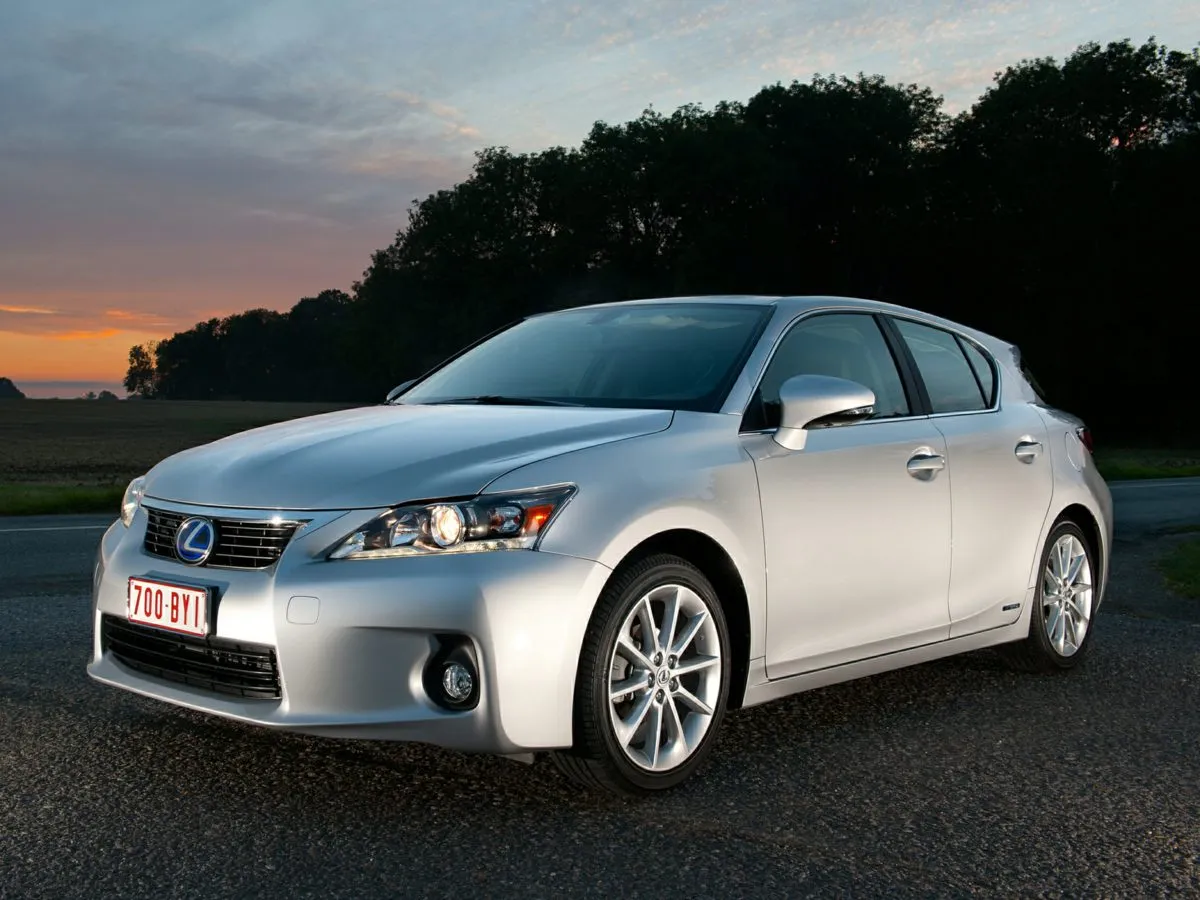
The 2012 Lexus CT 200h delivers an official EPA-estimated 43 MPG in the city and 40 MPG on the highway, resulting in a combined rating of 42 MPG. In 2026, these figures remain highly competitive for the premium compact segment, though achieving them requires diligent maintenance of the hybrid battery and the Atkinson-cycle engine.
Understanding the 2012 Lexus CT 200h Fuel Economy Ratings
When it was introduced, the 2012 Lexus CT 200h was a pioneer in the luxury "green" market, blending the fuel-sipping technology of the Toyota Prius with the refinement of the Lexus brand. Even today, its efficiency remains a benchmark for older hybrid vehicles. The discrepancy between city and highway mileage is a hallmark of hybrid technology, where urban environments allow the vehicle to maximize its electric-only capabilities.
Official EPA Estimates
The Environmental Protection Agency (EPA) provides a standardized framework for comparing vehicle efficiency. For the 2012 CT 200h, the numbers are:
- City: 43 MPG
- Highway: 40 MPG
- Combined: 42 MPG
Unlike traditional internal combustion engine (ICE) vehicles, the CT 200h is more efficient in the city. This is due to the Lexus Hybrid Drive system, which uses regenerative braking to capture energy during frequent stops and utilizes the electric motor for low-speed crawling, effectively keeping the gasoline engine off during heavy traffic.
Real-World Expectations in 2026
In 2026, a 2012 model is well into its second decade of service. Real-world fuel economy often varies between 37 and 44 MPG depending on several factors. Drivers who primarily traverse flat terrain at moderate speeds often report exceeding the EPA combined estimate. Conversely, those in colder climates or those who frequent high-speed interstates (75+ MPH) may see the highway figure dip toward 36 or 37 MPG, as the small 1.8-liter engine must work harder against aerodynamic drag without significant assistance from the electric motor.
The Engineering Behind the Efficiency
The 2012 Lexus CT 200h utilizes the 2ZR-FXE engine, a 1.8-liter four-cylinder unit that operates on the Atkinson cycle. This mechanical design is fundamental to the car's high MPG.
The Atkinson Cycle Advantage
In a standard Otto cycle engine, the intake valve closes shortly after the piston begins its upward stroke. In the CT 200h’s Atkinson cycle engine, the intake valve stays open longer, allowing some of the air-fuel mixture to be pushed back into the intake manifold. This reduces the effective compression stroke but allows for a longer expansion stroke, extracting more energy from the combustion process. While this results in lower power density, it significantly improves thermal efficiency, which is the primary driver behind the 42 MPG combined rating.
Hybrid Synergy Drive Components
The internal combustion engine is paired with two motor-generators (MG1 and MG2) and a Nickel-Metal Hydride (NiMH) battery pack.
- MG1: Acts primarily as a generator and a starter for the engine.
- MG2: Provides primary electric propulsion and handles regenerative braking.
- Power Split Device: This is a planetary gear set that replaces a traditional transmission. It seamlessly blends power from the engine and the motors, ensuring the engine stays in its most efficient RPM range regardless of vehicle speed.
Factors That Influence MPG Performance
While the vehicle is engineered for efficiency, external variables play a massive role in whether a driver achieves the 40+ MPG mark.
Driving Modes and Their Impact
The 2012 CT 200h features four distinct driving modes that alter the throttle mapping and hybrid system behavior:
- EV Mode: Allows the car to run solely on electricity for short distances (usually under 1/2 mile) at speeds below 25 MPH. This is best used in parking garages or slow residential streets.
- Eco Mode: Dampens throttle response and reduces the output of the air conditioning system. This is the primary tool for maximizing MPG, as it prevents aggressive acceleration.
- Normal Mode: Provides a balance of linear throttle response and efficiency.
- Sport Mode: Changes the hybrid indicator to a tachometer and increases the battery voltage from 500V to 650V for quicker response. Frequent use of Sport Mode typically results in a 3–5 MPG penalty.
Climate and Environmental Conditions
Hybrids are sensitive to temperature. In winter, the engine must run longer to generate heat for the cabin and to bring the catalytic converter up to operating temperature. Furthermore, cold air is denser, increasing aerodynamic drag. Owners in northern climates should expect a 10-15% drop in fuel economy during winter months.
Aerodynamics and Tires
The CT 200h has a drag coefficient of 0.29, which is quite low for a hatchback. However, adding roof racks or using non-low-rolling-resistance (LRR) tires can significantly degrade efficiency. When replacing tires in 2026, it is critical to select LRR models to maintain the original MPG specifications.
Comparative Efficiency: 2012 Lexus CT 200h vs. Competitors
To understand the value of the CT 200h's MPG, it is helpful to compare it to other premium or hybrid offerings from the same era.
| Vehicle Model | Fuel Type | City MPG | Highway MPG | Combined MPG |
|---|---|---|---|---|
| 2012 Lexus CT 200h | Hybrid (87 Octane) | 43 | 40 | 42 |
| 2012 Toyota Prius | Hybrid (87 Octane) | 51 | 48 | 50 |
| 2012 Audi A3 TDI | Diesel | 30 | 42 | 34 |
| 2012 Acura ILX Hybrid | Hybrid (87 Octane) | 39 | 38 | 38 |
| 2012 BMW 128i | Gasoline (Premium) | 18 | 28 | 22 |
| 2012 Honda Insight | Hybrid (87 Octane) | 40 | 43 | 41 |
While the Toyota Prius offers higher absolute numbers, the Lexus CT 200h provides a significant efficiency advantage over its premium European competitors, like the Audi A3 and BMW 1 Series, particularly in stop-and-go traffic.
Maintaining High MPG in an Aging 2012 CT 200h
As of 2026, many 2012 Lexus CT 200h units have surpassed 150,000 miles. Maintenance is no longer just about longevity; it is about preserving the fuel economy that makes the car desirable.
Hybrid Battery Health
The NiMH battery pack in the CT 200h is robust, but its capacity naturally degrades over 14 years. A weakening battery requires the gasoline engine to run more frequently to provide propulsion and charging. Owners should ensure the hybrid battery cooling fan (located under the rear seat) is free of dust and debris. Overheating is the primary cause of premature battery failure.
The EGR System and Intake Manifold
The 2ZR-FXE engine is known for carbon buildup in the Exhaust Gas Recirculation (EGR) system. By 2026, if the EGR cooler and valve have not been cleaned, the engine will suffer from reduced efficiency and potential "knocking" or "shuddering." A clogged EGR system forces the ECU to retard ignition timing, which can drop fuel economy by 2–4 MPG and eventually lead to head gasket failure.
Spark Plugs and Ignition Coils
The CT 200h uses iridium-tipped spark plugs with a 120,000-mile service interval. If these are original or overdue, the engine's combustion efficiency will suffer. Replacing these, along with ensuring the engine air filter is clean, is the most cost-effective way to restore lost MPG.
Technical Troubleshooting for Low MPG
If a 2012 CT 200h is struggling to reach even 35 MPG, there are specific technical areas to investigate:
- 12V Auxiliary Battery: Unlike the high-voltage hybrid battery, the 12V battery powers the car's computers. If it is weak, the hybrid system may behave erratically, preventing the engine from shutting off at stoplights.
- Stuck Brake Calipers: The CT 200h uses its mechanical brakes less often due to regenerative braking. This can lead to caliper slide pins seizing, causing the brake pads to drag and increase rolling resistance.
- Oxygen Sensors: A "lazy" upstream oxygen sensor might not trigger a Check Engine light but can cause the engine to run a rich fuel mixture, wasting gasoline.
- Wheel Alignment: Even a slight misalignment can increase the effort required to move the vehicle, noticeably impacting the highway MPG rating.
Best Practices for Maximizing Range
Achieving the 42 MPG combined rating in a 2012 CT 200h requires a shift in driving philosophy, often referred to as "hypermiling" light.
- Pulse and Glide: This technique involves accelerating to a target speed (pulse) and then easing off the throttle to allow the electric motor to maintain that speed or allow the car to coast (glide).
- Predictive Braking: Instead of braking late, initiate a gentle, long braking sequence. This maximizes the amount of energy the MG2 can return to the battery, rather than wasting it as heat through the friction brakes.
- Avoid Short Trips: The first 5–10 minutes of driving are the least efficient as the car enters "Warm-up Stage." Combining errands into one long trip allows the system to remain in its most efficient operating state (Stage 4).
- Monitor the Energy Monitor: Using the dashboard display to track energy flow helps drivers visualize when the engine is running unnecessarily, encouraging more efficient throttle inputs.
Frequently Asked Questions
Does the 2012 Lexus CT 200h require premium gas for better MPG?
No, the 2012 Lexus CT 200h is designed to run on 87-octane regular unleaded gasoline. Using premium fuel (91 or 93 octane) will not improve MPG or performance, as the Atkinson-cycle engine is calibrated for the combustion rate of regular fuel.
How much does it cost to fill the 11.9-gallon tank?
The cost depends on current fuel prices in 2026. With an 11.9-gallon capacity, and assuming a 10.5-gallon fill-up (leaving a reserve), at a price of $4.00 per gallon, a full tank costs approximately $42. Given the 42 MPG rating, this provides a theoretical range of over 440 miles per tank.
Why is my highway MPG lower than my city MPG?
This is normal for the CT 200h. At highway speeds (typically above 45–50 MPH), the electric motor cannot provide the primary motive force, and the gasoline engine must run constantly. Additionally, aerodynamic drag increases exponentially with speed, which the small engine must overcome without the frequent "engine-off" opportunities found in city driving.
Will a new hybrid battery increase my MPG?
If your current battery is significantly degraded (indicated by rapid fluctuations on the battery gauge or a "Check Hybrid System" light), a new or refurbished battery will likely restore your MPG to its original levels. A healthy battery allows for more frequent and longer durations of EV-only operation.
Can I tow with the CT 200h without ruining the fuel economy?
Lexus does not recommend towing with the 2012 CT 200h. The vehicle’s chassis and the Power Split Device are not designed for the additional stress of a trailer. Attempting to tow will not only drastically reduce MPG but may also cause permanent damage to the hybrid transaxle.
Practical Recommendation
For those looking to maintain or achieve the 42 MPG combined rating in a 2012 Lexus CT 200h in 2026, the most effective action is a combination of preventative mechanical maintenance and informed driving habits. Specifically, ensure the EGR system is cleaned and the hybrid battery cooling fan is unobstructed. When driving, utilize "Eco Mode" and practice gentle regenerative braking. By addressing these technical and behavioral factors, the CT 200h remains one of the most cost-effective and reliable luxury vehicles for the fuel-conscious driver.