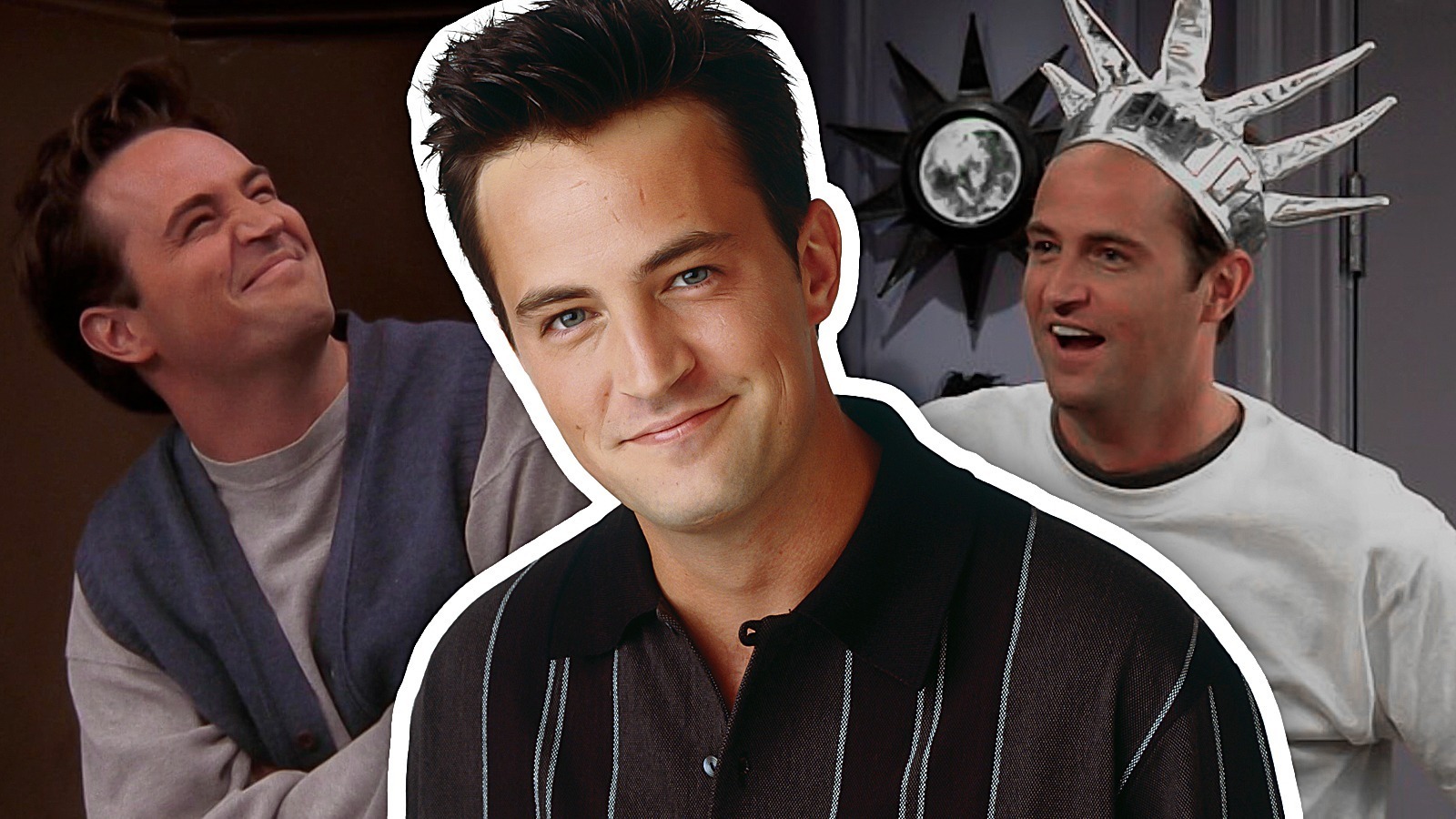
Season 10 of Friends serves as the emotional and narrative resolution for the group, and for Chandler Bing, it represents the final transition from the show’s primary source of sarcasm and insecurity to a mature, stable family man. Across these final eighteen episodes, Chandler sheds his remaining fears regarding commitment and career, culminating in his move to the suburbs. These ten highlights track his growth, his deepening bond with Monica, and his definitive departure from his bachelor lifestyle.
1. Navigating the Adoption Process
The primary narrative arc for Chandler in the final season is his journey toward fatherhood. After learning about their infertility issues in previous seasons, Chandler and Monica commit to adoption. In the season premiere, “The One After Joey and Rachel Kiss,” Chandler’s vulnerability is on full display as he and Monica meet Erica (played by Anna Faris). This highlight is essential because it marks the moment Chandler stops being the person who avoids responsibility and starts being the person who actively fights for his future family. His ability to charm Erica while navigating the tension of the interview process shows a level of emotional maturity absent in earlier seasons.
2. The Ohio Road Trip
Chandler’s character development is punctuated by his willingness to step outside his comfort zone. When he and Monica fly to Ohio to meet Erica, the experience tests his patience and his ability to handle uncertainty. Throughout these episodes, Chandler moves away from his trademark "deflection through humor" and toward "connection through sincerity." This specific highlight illustrates his role as a partner—he is no longer just tagging along; he is an equal participant in a life-altering decision.
3. The Climax of the Adoption: Meeting the Twins
In the series finale, “The Last One,” Chandler experiences his most significant life change: the birth of the twins, Jack and Erica. The highlight here is not just the birth, but the realization that they are having two babies instead of one. Chandler’s genuine shock and subsequent acceptance of this "two for the price of one" situation highlight his evolution into a father figure. His comedic timing remains, but it is now grounded in the reality of his new responsibilities.
4. Resigning from the Advertising Agency
Career stability was a recurring theme for Chandler, and in Season 10, he finally finds his professional calling. After transitioning from data processing to junior copywriting in the advertising world, Chandler faces the ultimate test of his commitment to his career path. His decision to stick with the agency, despite the instability of the creative industry, demonstrates his newfound perseverance. Unlike his previous "dead-end" job, which he stayed in for security, his work in advertising reflects a conscious choice, marking a shift from corporate cog to creative professional.
5. Managing Joey’s Career Stagnation
Chandler’s friendship with Joey Tribbiani remains one of the show’s pillars, and in Season 10, their dynamic shifts. As Chandler enters a phase of adult domesticity, he frequently helps Joey navigate the transition of his acting career and his personal life. Whether he is offering advice on Joey’s auditions or providing a space for Joey to vent, Chandler’s role as the "responsible friend" is solidified. This highlights his capacity for empathy and his role as the anchor of the group.
6. The Decision to Move to the Suburbs
Perhaps the most symbolic moment of the final season is the couple’s decision to purchase a house in Westchester. This is a massive departure for a character who spent years in a rent-controlled apartment in Greenwich Village. The highlight is the negotiation process, particularly when Chandler and Monica find the perfect house next to a terrifying neighbor. His insistence on making the move, despite the challenges, marks his definitive transition from "New York bachelor" to "suburban family man."
7. The Last Thanksgiving in the Apartment
In “The One with the Late Thanksgiving,” Chandler’s maturity is tested by the group’s antics. When the friends arrive late to the dinner that Monica and Chandler spent hours preparing, Chandler’s reaction is markedly different from how he would have responded in Season 1. He manages his frustration with a level of calm and perspective that highlights his growth. He recognizes that while the dinner was important, his life is now defined by the people in the room, not just the perfection of the event.
8. Handling the "Janice" Encounter
Throughout the series, Janice Litman-Goralnik served as a recurring antagonist for Chandler. In Season 10, when they encounter her as a potential neighbor in Westchester, Chandler is forced to confront his past. The highlight of this encounter is how he handles the situation with grace and firmness rather than desperation or cruelty. By ensuring she doesn't buy the house next to them, he shows a protective streak for his future family, demonstrating that he is no longer the man who can be easily trapped or manipulated by his history.
9. The Bittersweet Goodbye to the Apartment
In the penultimate episode, Chandler spends his final moments in the apartment. His reflection on what the space meant—from his days with Joey to his life with Monica—is a powerful highlight. It captures the essence of his character arc: the boy who was afraid of commitment has now built a life he is actually sad to leave behind because it represents the foundation of his happiness.
10. The Final Iconic Line
While the series ends on a collective note, Chandler’s final line, "Sure, where?" in response to the group’s decision to get one last cup of coffee, is the perfect capstone to his ten-year arc. It is a moment of communal acceptance. He no longer needs a sarcastic quip to distance himself from his emotions; he is simply part of the group, ready for the next phase of life.
Understanding the Context of Character Growth
| Life Milestone | Earlier Season Approach | Season 10 Approach |
|---|---|---|
| Commitment | Fear/Avoidance | Embracing responsibility |
| Career | Complacency/Security | Creative passion/Purpose |
| Family | Distanced/Observer | Active fatherhood |
| Conflict | Sarcasm/Flight | Direct communication |
Evolution of the "Chandler Bing" Archetype
The character of Chandler Bing is often studied for its deconstruction of the 90s sitcom archetype. Initially, he was the "funny guy" whose humor was a shield against intimacy and family trauma. By Season 10, that armor has been completely stripped away. The highlights listed above are not just plot points; they are milestones of his psychological development.
His shift toward becoming a father is the most critical component of this change. In early seasons, Chandler was visibly uncomfortable around children, often viewing them as an inconvenience. In Season 10, his desire to adopt and his immediate, overwhelming love for the twins illustrates a profound internal shift. This is supported by his relationship with Monica, which acts as the catalyst for his transformation. Without the stable foundation Monica provided, it is unlikely Chandler would have reached the level of emotional intelligence displayed in the final episodes.
Addressing Common Questions
Why was Chandler’s transition to advertising significant? It represented his rejection of the "stability over happiness" mindset. By leaving a job he had held for years to pursue a career where he was a beginner, he signaled that he finally valued his own satisfaction and professional identity over mere survival.
How does Chandler's relationship with Joey change in Season 10? The dynamic shifts from two bachelors living together to an "older brother/younger brother" relationship. Chandler becomes a mentor and a steadying influence, while Joey remains the free spirit. This evolution highlights Chandler's transition into adulthood.
Was the move to the suburbs necessary for his character arc? Yes. For a character defined by his life in a specific New York apartment, leaving the city was the ultimate sign of "growing up." It signified that his life was no longer about the external environment of the city, but the internal environment of his family.
Did his humor disappear in Season 10? No, his humor remained, but its function changed. It stopped being a defensive mechanism to hide his feelings and became a tool for bonding and managing the inevitable stress of being a new parent.
What was the most challenging aspect of Season 10 for Chandler? Balancing the reality of the infertility arc with his desire to remain the "supportive partner." The adoption process was the most emotionally taxing period of his life, and his handling of it defines his arc as a successful partner.
Recommendation for Viewers
To fully appreciate the transformation of Chandler Bing in Season 10, it is recommended to watch the final season immediately after viewing the transition episodes in Season 9 where the couple first discusses adoption. This sequence highlights the stark difference between the Chandler who feared the future and the Chandler who helped build it.