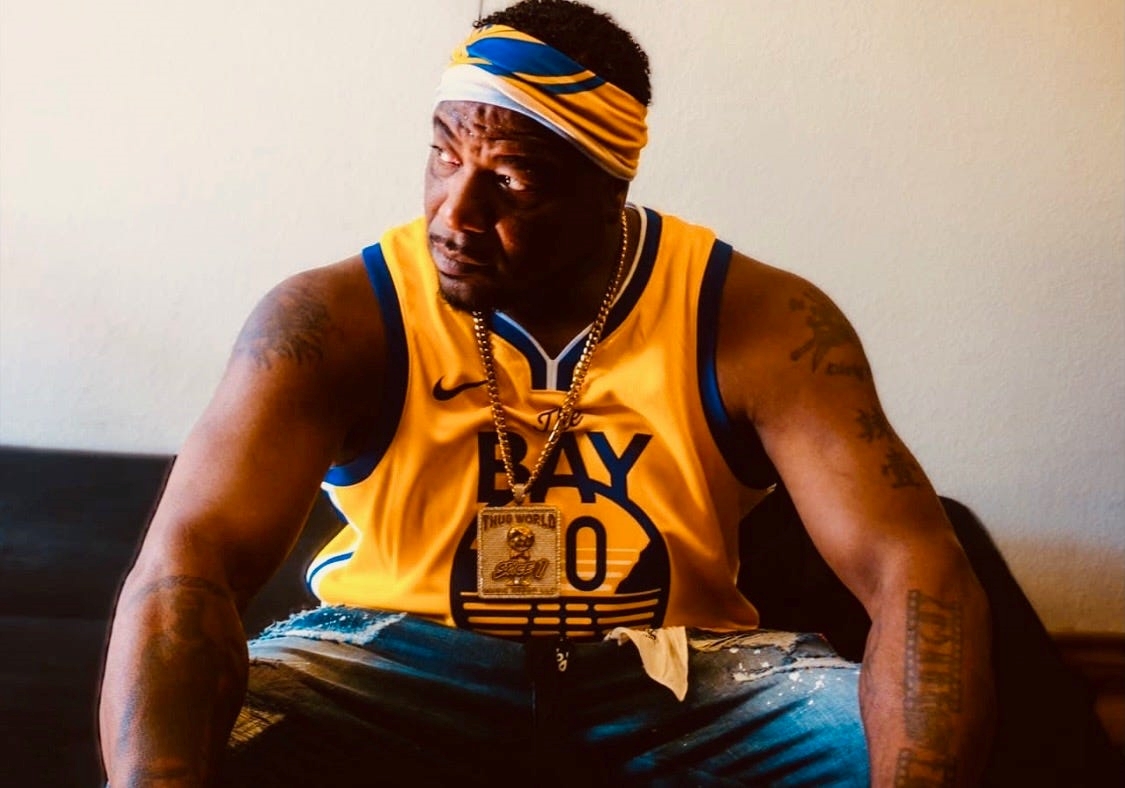
Spice 1, born Robert Lee Green Jr., is a seminal figure in West Coast hip-hop, known for his gritty storytelling, aggressive lyrical delivery, and early adoption of the high-speed "chopper" flow. Rising from Hayward, California, his career spans over three decades, marked by gold-certified albums and a profound influence on the gangsta rap genre.
In the landscape of 2026, Spice 1 remains a respected elder statesman of the "Golden Era." His trajectory from a young protégé of Too $hort to a Billboard-topping artist on Jive Records—and eventually to an independent powerhouse—offers a blueprint for longevity in the music industry. This overview examines his discography, technical innovations, and the cultural impact that solidified his place in hip-hop history.
The Foundation of a Hayward Legend
To understand the career of Spice 1, one must first understand the East Bay rap scene of the late 1980s and early 1990s. While Los Angeles and Long Beach were garnering global attention through N.W.A. and Death Row Records, the Bay Area was cultivating a fiercely independent and stylistically distinct sound.
Robert Green Jr. was born in Texas but moved to Hayward, California, as a child. This transition was pivotal; Hayward provided the backdrop for the narratives that would eventually dominate his lyrics—stories of street life, survival, and the harsh realities of the "ghetto." His talent was discovered by the legendary Too $hort, who recognized Green’s unique vocal texture and rapid-fire cadence.
In 1990, Spice 1 released his debut EP, Let It Be Known. Though limited in distribution compared to his later works, it served as a proof of concept. It introduced the "Spice 1" persona: a raw, unapologetic narrator who could pivot between slow, menacing threats and high-velocity lyrical outbursts. This duality caught the attention of Jive Records, leading to a multi-album deal that would define the first major phase of his career.
The Jive Records Era: Defining the Gangsta Sound (1992–1997)
The period between 1992 and 1997 is widely considered the "Golden Era" for Spice 1. During this time, he released a string of albums that are now considered classics of the genre. His ability to balance the commercial demands of a major label with the authenticity required by his core audience was a rare feat.
The Self-Titled Debut (1992)
Released in 1992, Spice 1 was an immediate success. It featured the hit single "Welcome to the Ghetto," a track that showcased his ability to blend social commentary with street reportage. The album was certified gold, signaling that the Bay Area had a new heavyweight contender. Production from Ant Banks and Blackjack provided a heavy, bass-driven foundation that complemented Spice’s raspy voice.
187 He Wrote (1993)
This album represents the commercial and critical peak of Spice 1's career. 187 He Wrote debuted at number one on the Billboard Top R&B/Hip-Hop Albums chart and reached the top ten of the Billboard 200. It is a cinematic, often violent journey through the psyche of a young man in the inner city. Tracks like "The Murda Show," featuring MC Eiht, solidified the cross-pollination between Northern and Southern California rap scenes. The album was certified gold and remains a benchmark for the "horrorcore" and "gangsta" subgenres.
AmeriKKKa's Nightmare (1994)
Continuing his prolific run, Spice 1 released AmeriKKKa's Nightmare in 1994. The album title itself was a provocative nod to Ice Cube’s AmeriKKKa’s Most Wanted, positioning Spice 1 as a political and social antagonist. Hits like "Strap on the Side" and "Face of a Desperate Man" continued his exploration of urban despair. Notably, this album saw him collaborating with Method Man on "Hard 2 Kill," bridging the gap between the West Coast and the Wu-Tang Clan's East Coast dominance.
1990-Sick and The Black Bossalini (1995–1997)
By the mid-90s, Spice 1 had refined his formula. 1990-Sick (1995) featured a more polished G-funk sound, while The Black Bossalini (1997) took on a more "mafioso" rap aesthetic, which was trending across the industry at the time. These albums continued his streak of commercial relevance, even as the rap landscape began to shift toward the "Shiny Suit Era" and more pop-oriented sounds.
Technical Brilliance: The Origins of the Chopper Flow
One of the most frequently overlooked aspects of Spice 1’s career is his technical innovation. Long before "chopper" rap became a codified subgenre popularized by artists like Tech N9ne or Bone Thugs-N-Harmony, Spice 1 was experimenting with internal rhyme schemes and double-time flows.
His delivery is characterized by:
- Staccato Phrasing: The ability to break down syllables into sharp, rhythmic bursts.
- Vocal Texture: A distinct, raspy, and somewhat high-pitched growl that adds an element of menace to his verses.
- Rhythmic Versatility: Spice 1 could comfortably transition from a slow, "pimp-style" drawl to a 130-BPM sprint within a single song.
This technical proficiency allowed him to collaborate with a wide array of artists. He was one of the few rappers who could stand on a track with 2Pac, MC Eiht, or E-40 and maintain a distinct presence. His influence on the "speed rap" community is significant, as he proved that high-velocity lyrics did not have to sacrifice clarity or street credibility.
Collaborative Impact: The Bond with 2Pac and MC Eiht
Spice 1’s career is inextricably linked to his peers. He was a frequent collaborator and close friend of Tupac Shakur. Their chemistry was evident on tracks like "Jealous Got Me Strapped." In various interviews throughout the years, Spice 1 has recounted his time in the studio with Shakur, highlighting their shared work ethic and mutual respect for the "thug life" philosophy.
Equally important was his relationship with MC Eiht. The duo, representing the Bay Area and Compton respectively, released several collaborative projects, including the Pioneers series. Their partnership helped break down regional barriers within California, fostering a sense of "West Coast Unity" that was often overshadowed by the high-profile beefs of the era.
Discography and Chart Performance
The following table highlights the core studio albums released during Spice 1's tenure with Jive Records and his initial transition into the independent market.
| Album Title | Release Year | RIAA Certification | Peak Billboard 200 | Key Single |
|---|---|---|---|---|
| Spice 1 | 1992 | Gold | 82 | "Welcome to the Ghetto" |
| 187 He Wrote | 1993 | Gold | 10 | "The Murda Show" |
| AmeriKKKa's Nightmare | 1994 | Gold | 22 | "Strap on the Side" |
| 1990-Sick | 1995 | — | 30 | "1990-Sick (Kill 'em All)" |
| The Black Bossalini | 1997 | — | 28 | "Playa Let Me Loose" |
| Immortalized | 1999 | — | 117 | "The Thug Show" |
| The Last Dance | 2000 | — | 154 | "Chocolate Phantasy" |
Navigating the Independent Landscape (2000–Present)
As the year 2000 approached, the relationship between Spice 1 and Jive Records reached its conclusion. Like many veteran artists of the 90s, Spice 1 faced a choice: attempt to chase mainstream trends or pivot to the independent market. He chose the latter, embarking on a prolific journey that saw him releasing dozens of albums, mixtapes, and collaborative projects.
This era of his career is defined by its sheer volume. While these projects lacked the massive marketing budgets of his Jive years, they allowed him to maintain a direct connection with his fanbase. He founded his own imprint and worked with various independent labels like Real Talk Entertainment and Thug World Music Group.
The Platinum Overdose Series
In the late 2010s and leading into the early 2020s, Spice 1 experienced a creative resurgence with the Platinum Overdose series. These albums aimed to recapture the raw energy of his 90s work while utilizing modern production techniques. They featured guest appearances from other legends like Devin the Dude, Krayzie Bone, and MC Eiht, proving that his voice still commanded respect among his peers.
Adaptability in the Streaming Era
As of 2026, Spice 1 has successfully transitioned his catalog into the streaming-first economy. By consistently releasing new material and engaging with "old-school" hip-hop festivals, he has ensured that his classic hits like "187 Pure" and "Nigga Gots No Heart" continue to generate revenue and reach new generations of listeners.
Cultural Relevance in 2026: A Living Legend
In the current hip-hop climate of 2026, Spice 1 is viewed through the lens of historical preservation and technical mastery. He is often cited in discussions regarding the "Top 5 West Coast Rappers" by those who value lyrical depth and regional authenticity over radio play.
His influence can be seen in:
- The "Street Reporter" Archetype: Modern artists who use their music to document the specific socioeconomic conditions of their neighborhoods owe a debt to the narrative style Spice 1 perfected in the early 90s.
- West Coast Sound Preservation: By refusing to abandon the heavy-hitting, dark production styles of the Bay Area, he has helped keep the "East Bay Funk" sound alive.
- Mentorship: Spice 1 is known for supporting younger artists from Northern California, providing them with features and guidance on navigating the complexities of the music business.
While he may not occupy the top of the pop charts in 2026, his legacy is secure. He remains one of the few artists from the gangsta rap explosion who has managed to stay active, sober (based on recent career pivots), and relevant without compromising the "187" brand that made him famous.
Frequently Asked Questions
What is Spice 1’s real name?
Spice 1’s real name is Robert Lee Green Jr. He adopted the stage name "Spice 1" early in his career, with the "Spice" often interpreted as a nod to his flavorful delivery and the "1" signifying his unique status in the game.
Is Spice 1 still making music in 2026?
Yes, Spice 1 remains active in 2026. While he may not release full-length albums with the same frequency as he did in the 1990s, he continues to drop singles, participate in high-profile features, and perform at major hip-hop festivals dedicated to the Golden Era of West Coast rap.
What is Spice 1's most famous song?
"Welcome to the Ghetto" and "The Murda Show" (featuring MC Eiht) are generally considered his most famous and influential tracks. "Welcome to the Ghetto" peaked on the Billboard Hot 100 and remains a staple of West Coast hip-hop playlists.
Did Spice 1 have a beef with other rappers?
Throughout the 90s, Spice 1 was involved in various regional tensions, but he was famously known for his "West Coast Unity" stance. Unlike many of his contemporaries, he managed to maintain friendships across different camps, notably bridging the gap between Northern and Southern California.
How did Spice 1 meet Too $hort?
Spice 1 was discovered by Too $hort in the Hayward area. Too $hort was already an established star and recognized Spice's potential, eventually helping him secure his first recording opportunities and introducing him to the industry infrastructure that led to his Jive Records deal.
Practical Recommendation for New Listeners
For those looking to explore Spice 1’s extensive catalog in 2026, the best entry point remains his "Big Three" albums: Spice 1 (1992), 187 He Wrote (1993), and AmeriKKKa's Nightmare (1994). These records provide a comprehensive look at his lyrical evolution and his role in shaping the West Coast sound. Once familiar with his early work, listeners should seek out the Platinum Overdose series for a modern perspective on his legendary career.