Transforming an old or spare Android device into a reliable surveillance system using a free cloud-enabled security camera app provides an accessible way to monitor homes, pets, or offices without investing in expensive dedicated hardware. Evaluating top options reveals that AlfredCamera stands out as the definitive top choice, balancing cross-platform accessibility, secure cloud storage, and essential motion detection features within a freemium model.
Understanding Free Cloud Android Security Camera Apps
Turning an Android smartphone or tablet into a security camera requires specialized software capable of capturing video feeds, detecting motion, and transmitting data securely to a cloud infrastructure or a remote viewer device. The modern market offers various applications designed to repurpose old hardware, eliminating the need to purchase dedicated Internet Protocol (IP) cameras or expensive subscription-based ecosystem hubs.
When searching for the single best option, users frequently encounter the phrase "1 best free cloud android security camera app compared," which highlights the need for a definitive, objective breakdown of how available platforms stack up against one another. While several apps provide local recording, true cloud integration allows remote access to live streams and alert history from anywhere with an internet connection. However, "free" tiers often come with specific trade-offs, such as video resolution caps, advertisement banners, or limited cloud retention windows. Understanding these constraints is essential for selecting an application that aligns with security requirements without unexpected costs.
Core Prerequisites and Setup Requirements
Before deploying a cloud-based Android security camera system, several technical and physical prerequisites must be met to ensure stable, continuous operation. Repurposing an old smartphone as a security camera is not as simple as installing an application; environmental and hardware factors heavily dictate system reliability.
Hardware and OS Compatibility
- The Camera Device: An Android smartphone or tablet running a supported operating system version (typically Android 5.0 Lollipop or higher) equipped with a functional camera lens and a stable Wi-Fi chip.
- The Viewer Device: A secondary smartphone, tablet, or a web browser on a desktop computer to monitor the live feed and receive push notifications.
- Power Supply: Because continuous video streaming and motion processing drain batteries rapidly, the camera device must remain permanently plugged into a wall outlet using a certified charger and cable.
Network Infrastructure
- Stable Wi-Fi Connection: Both the camera device and the viewer device require a reliable internet connection. A fluctuating Wi-Fi signal will result in dropped frames, delayed motion alerts, and connection timeouts.
- Bandwidth Allocation: Cloud streaming consumes upstream bandwidth. Households with limited internet upload speeds or data caps should monitor bandwidth consumption or adjust video resolution settings within the application.
Top Contenders in the Android Security Camera Space
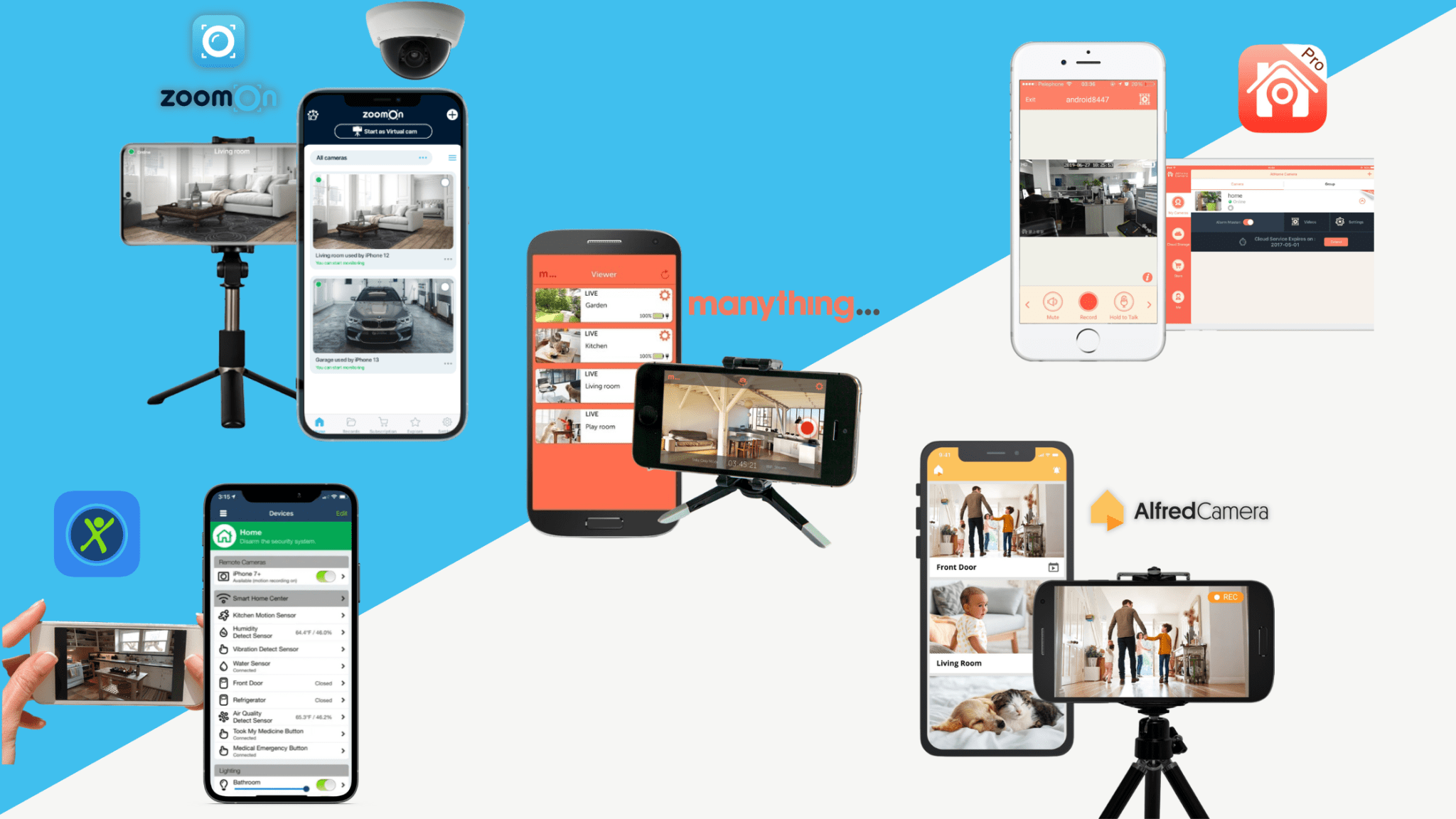
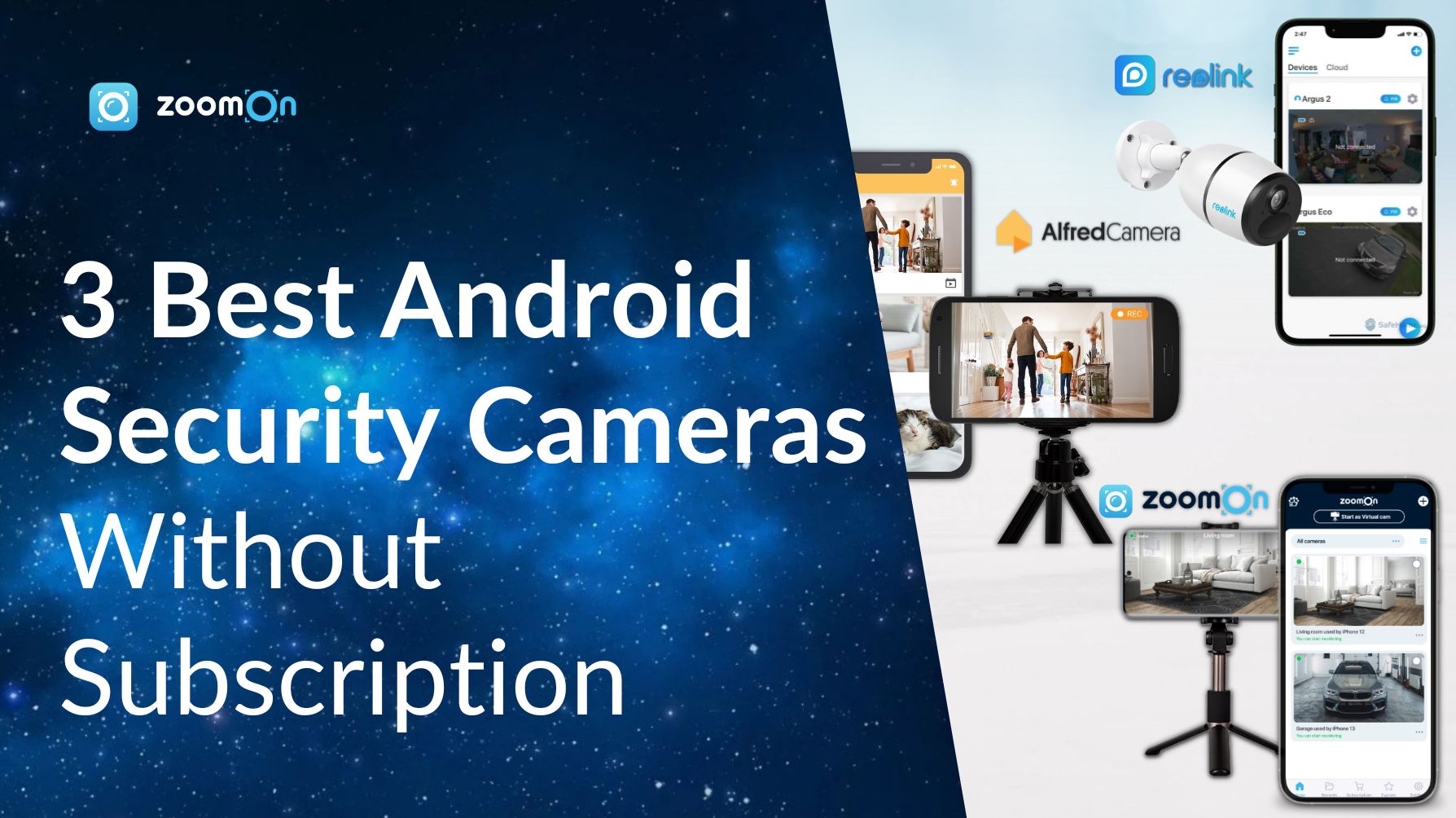
To determine the single best application, three prominent contenders frequently emerge in comparative evaluations: AlfredCamera, IP Webcam, and AtHome Video Streamer. Each platform approaches remote surveillance through a distinct architectural lens.
| Feature / Metric | AlfredCamera | IP Webcam | AtHome Video Streamer |
|---|---|---|---|
| Primary Model | Freemium (Cloud) | Free / Local (Ad-supported) | Freemium (Cloud) |
| Cloud Storage | Yes (Free tier: 7 days) | No (Requires third-party) | Yes (Limited capacity) |
| Ease of Setup | High (QR code pairing) | Moderate (IP addresses) | Moderate (App accounts) |
| Web Viewer Support | Yes | Yes (Local network) | Yes |
| Audio Support | Two-way talk | One-way / Two-way | Two-way talk |
1. AlfredCamera: The Benchmark for Cloud Surveillance
AlfredCamera consistently ranks as the top choice for users seeking an out-of-the-box cloud surveillance experience. It operates on a pairing system where one device acts as the "Camera" and another acts as the "Viewer."
- Cloud Integration: The free tier automatically saves motion-triggered video clips to the cloud for up to seven days, allowing users to review footage even if the physical camera device is stolen or damaged.
- Core Features: Includes motion detection, low-light mode (for night viewing), siren activation, and two-way audio communication.
- Limitations: The free version displays advertisements and restricts video resolution to standard definition (SD), requiring a monthly or annual subscription (Alfred Premium) for high-definition (HD) streaming, extended storage, and zoom capabilities.
2. IP Webcam: The Advanced Local Powerhouse
IP Webcam turns an Android device into a network camera with robust viewing options. Rather than relying on a centralized proprietary cloud, it streams video locally over Wi-Fi, allowing users to view feeds via VLC media player, web browsers, or specialized software like TinyCam Monitor.
- Advantages: Completely free of artificial subscription walls, offering high-resolution streaming, custom integration options, and deep configuration controls over frame rates and focus.
- Limitations: Setting up remote access outside the local home network requires port forwarding or third-party cloud plugins, making it less beginner-friendly than AlfredCamera. It lacks native, zero-configuration cloud storage.
3. AtHome Video Streamer: The Multi-Angle Alternative
AtHome splits its ecosystem into AtHome Camera (for viewing) and AtHome Video Streamer (for capturing). It utilizes advanced AI technology for human shape detection to reduce false alarms triggered by pets or shadows.
- Advantages: Supports multi-view monitoring (watching up to four cameras simultaneously) and utilizes cloud storage capabilities.
- Limitations: The user interface can feel cluttered, and free-tier limitations on cloud retention and streaming duration can be restrictive compared to AlfredCamera.
Why AlfredCamera Emerges as the Best Free Cloud Option
When evaluating ease of use, cloud reliability, and feature completeness, AlfredCamera secures the position of the 1 best free cloud android security camera app compared to its rivals.
The primary differentiator is frictionless cloud integration. While IP Webcam offers superior local control and resolution, it demands technical knowledge of networking to achieve remote cloud-like access. For the average consumer looking to repurpose a discarded Android phone in under five minutes, AlfredCamera’s QR-code pairing mechanism removes technical barriers. Furthermore, having a 7-day rolling cloud storage buffer on the free tier ensures that evidentiary video clips are preserved off-site, fulfilling the core objective of home security.
Practical Setup Guide for AlfredCamera
Deploying AlfredCamera requires executing a sequential setup process across both your old Android device and your daily-driver viewer device.
- Prepare the Camera Device: Factory reset an old Android phone or tablet if necessary to clear background bloatware, ensure the operating system is updated, and connect it to your permanent home Wi-Fi network.
- Install the App: Download and install AlfredCamera Home Security Camera from the Google Play Store on both the camera device and your primary viewer device.
- Configure Roles:
- On the old Android device, select the Camera mode.
- On your primary smartphone or tablet, select the Viewer mode.
- Account Synchronization: Log into both devices using the same Google, Apple, or email account credentials, or scan the QR code displayed on the viewer device using the camera device's lens.
- Position and Power: Mount the camera device securely using a universal smartphone tripod or wall mount, pointing it toward the target entry point or monitoring zone. Connect the device permanently to a power source.
Common Pitfalls and Troubleshooting
Operating a makeshift security camera system introduces unique operational hurdles. Anticipating these challenges prevents system downtime and security gaps.
- Overheating and Battery Degradation: Continuous video encoding and Wi-Fi transmission generate significant thermal output. To prevent battery swelling or thermal shutdown, remove heavy phone cases, avoid placing the device in direct sunlight behind closed windows, and consider using a smart plug that cycles power if the battery reaches maximum capacity.
- False Motion Triggers: Shadows, moving tree branches, or indoor pets can flood your notification feed with false alarms. Utilize the app's sensitivity adjustment sliders or configure specific motion-detection zones to focus exclusively on entryways.
- Wi-Fi Dropouts: If the camera device goes offline, check your router's placement. Concrete walls and metal appliances severely attenuate Wi-Fi signals. Consider placing a Wi-Fi range extender near the monitoring area if connection instability persists.
Conclusion and Next Action
Repurposing an old Android device with a cloud-enabled surveillance application offers a cost-effective, practical alternative to commercial security hardware. Among available options, AlfredCamera delivers the most balanced blend of effortless setup, reliable cross-platform viewing, and essential free cloud storage. To begin, gather a spare Android smartphone, download the application, establish your camera-to-viewer pairing, and secure your monitoring space today.