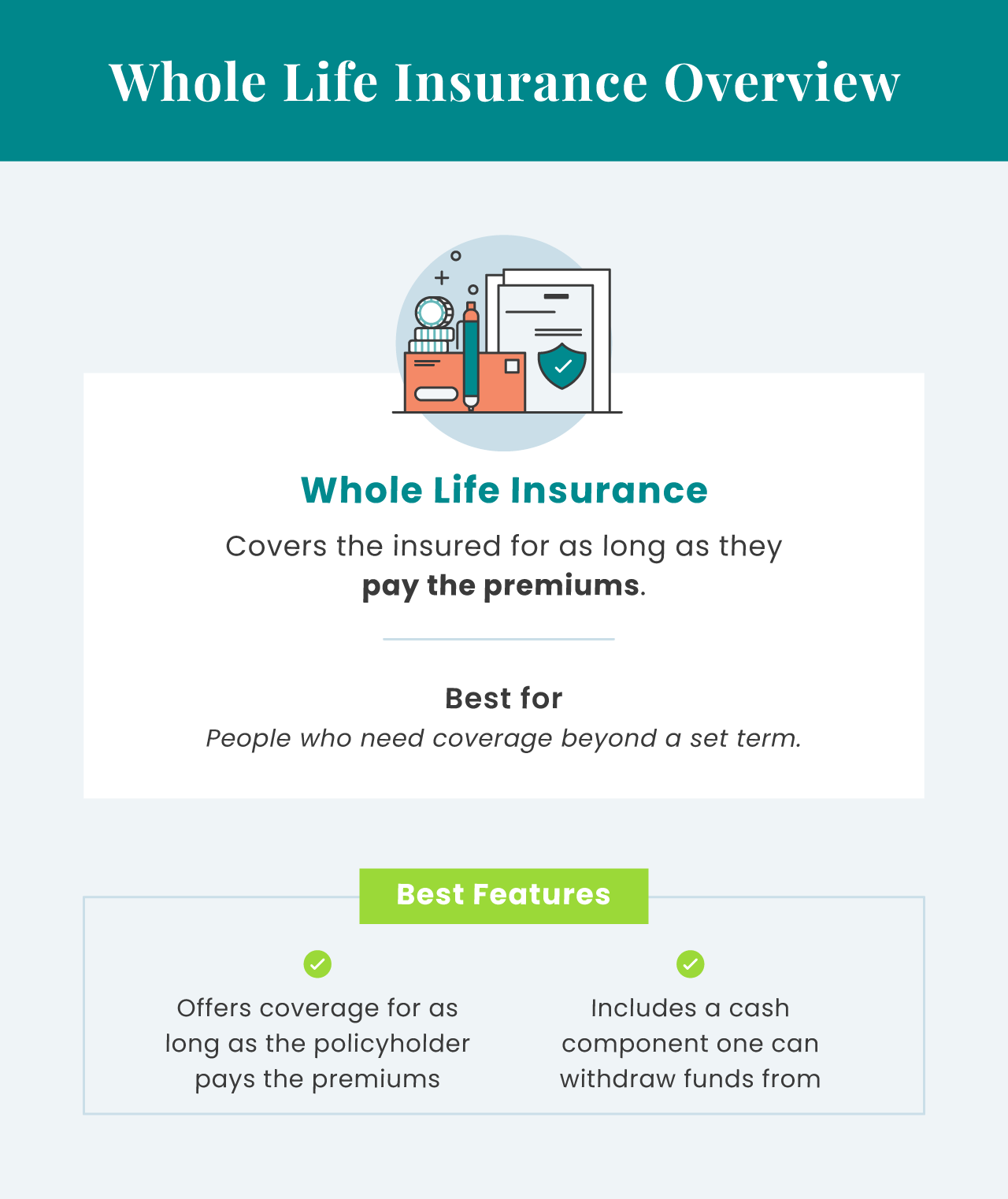
Universal life insurance offers flexible premiums, a primary feature that is not available with traditional whole life insurance. This functionality allows policyholders to adjust the timing and amount of their premium payments—or even skip them entirely—provided the policy’s accumulated cash value is sufficient to cover the monthly cost of insurance and administrative fees.
While both universal life (UL) and whole life (WL) fall under the umbrella of permanent life insurance, their internal architectures are fundamentally different. Traditional whole life is built on a "bundled" chassis, where the premium, death benefit, and cash value growth are fixed and guaranteed by the insurer. In contrast, universal life is "unbundled," separating the protection component from the savings component. This structural shift is what enables the flexibility that has made universal life a staple of financial planning through 2026.
The Architecture of Flexibility: Unbundling the Policy
To understand why flexible premiums exist in universal life but not in whole life, one must examine how these policies are constructed. In a traditional whole life policy, the actuary determines a set premium that must be paid for the life of the contract (or a set period) to support a specific death benefit. If the policyholder fails to pay this exact amount, the policy typically enters a grace period and may eventually lapse or trigger an automatic premium loan against the cash value.
Universal life insurance, introduced to the market in the late 1970s and early 1980s, revolutionized this by unbundling the components. In a UL policy, the insurer treats the policy like a transparent financial account. Every month, the company credits the account with interest and debits it for the "cost of insurance" (COI) and administrative expenses. Because these elements are separated, the premium is no longer a fixed requirement for the policy's survival; rather, it is a contribution to the account balance. As long as the account balance (cash value) is high enough to pay the monthly "mortality and expense" charges, the policy remains in force regardless of whether a premium was paid that month.
How Flexible Premiums Function in Practice
The flexible premium feature provides policyholders with three distinct advantages that are structurally impossible in a traditional whole life contract:
- Adjustable Payment Amounts: A policyholder can choose to pay the "target premium" suggested by the agent, or they can pay more (up to certain IRS limits) to build cash value faster. Conversely, during lean years or periods of career transition, they can reduce their payments to the minimum required to keep the policy active.
- Payment Frequency Control: Unlike whole life, which usually requires monthly, quarterly, or annual installments of a fixed sum, UL allows for "stop-and-go" funding. A policyholder might make a large lump-sum payment one year and nothing the next.
- Premium Holidays: If the cash value has grown sufficiently, the policyholder can stop paying premiums entirely for a period of time. The policy simply "eats itself" by deducting the monthly costs from the accumulated interest and principal. This is a common strategy for retirees who want to maintain coverage without using their fixed income to pay premiums.
Adjustable Death Benefits: The Companion Feature
Often paired with flexible premiums is the adjustable death benefit, another hallmark of universal life not found in traditional whole life. In a whole life policy, the face amount is generally fixed at the time of purchase. While dividends can be used to buy "paid-up additions" that increase the total death benefit, the base face amount remains static unless a new policy is issued.
Universal life allows the owner to request an increase or decrease in the death benefit as their life circumstances change. For example, a young parent might increase their coverage after the birth of a child (subject to medical underwriting) and then decrease it twenty years later once the mortgage is paid off and the children are independent.
Furthermore, UL policies offer two primary death benefit options:
- Option A (Level): The death benefit remains the same, and as the cash value grows, the "amount at risk" to the insurance company decreases.
- Option B (Increasing): The death benefit consists of the face amount plus the accumulated cash value. This ensures that the beneficiaries receive the full value of the savings account in addition to the insurance protection.
Why Traditional Whole Life Cannot Support Premium Flexibility
The absence of flexible premiums in whole life insurance is not a lack of innovation but a result of a different risk-sharing philosophy. Whole life is designed to provide absolute certainty. The insurer guarantees the death benefit, a minimum interest rate on cash value, and a fixed premium. To make these guarantees, the insurer must be able to predict exactly when capital will flow into the policy.
If a whole life insurer allowed policyholders to skip premiums at will, the actuarial models used to guarantee the death benefit would collapse. The fixed premium in whole life is calculated to ensure that, over the long term, the policy remains "endowed"—meaning the cash value will eventually equal the death benefit at a specific age (usually 100 or 121).
In contrast, universal life shifts some of the "timing risk" to the policyholder. By allowing flexible premiums, the insurer no longer guarantees that the policy will stay in force forever based on the initial projections. If the policyholder pays too little or if interest rates remain low for too long, the cash value may be exhausted, requiring the policyholder to inject more cash or face a lapse. This is the trade-off: the policyholder gains control but assumes the responsibility of monitoring the policy’s health.
Comparative Analysis: Universal Life vs. Traditional Whole Life
The following table outlines the mechanical differences between these two permanent life insurance structures as they stand in 2026.
| Feature | Universal Life (UL) | Traditional Whole Life (WL) |
|---|---|---|
| Premium Payments | Flexible: Can be increased, decreased, or skipped if cash value is sufficient. | Fixed: Mandatory payments of a set amount on a set schedule. |
| Death Benefit | Adjustable: Can be increased (with underwriting) or decreased by the owner. | Fixed: Generally stays at the initial face amount unless dividends are used. |
| Cash Value Growth | Variable: Based on current market interest rates or index performance. | Guaranteed: Based on a fixed schedule set at the policy's inception. |
| Transparency | Unbundled: Mortality charges and expenses are explicitly listed on statements. | Bundled: Costs are not disclosed; the premium is a single, all-in figure. |
| Policy Duration | Flexible: Stays in force as long as the cash value covers monthly costs. | Permanent: Stays in force for life as long as the fixed premium is paid. |
| Management | Active: Requires regular monitoring to ensure adequate funding levels. | Passive: "Set it and forget it" as long as the bill is paid. |
The Role of the "Cost of Insurance" (COI)
A critical technical element that allows for flexible premiums is the Cost of Insurance (COI). In a universal life policy, the COI is based on the insured’s attained age. Every month, the insurer looks at the "Net Amount at Risk" (the difference between the death benefit and the cash value) and charges a fee based on the probability of the insured dying that month.
In the early years of a policy, the COI is relatively low. This is when flexible premiums are most advantageous, as a policyholder can "overfund" the policy to build a large cash reserve. In the later years (ages 70, 80, and beyond), the COI rises significantly. If the policyholder has not built up enough cash value during the early years, the flexibility of the premium can become a liability. They may find that the "minimum" payment required to keep the policy from lapsing grows to an unsustainable level.
Traditional whole life avoids this "COI spike" for the consumer by leveling the cost over the life of the policy. The policyholder pays more than the actual cost of insurance in the early years to "pre-pay" for the high costs of later years. Universal life does this too, but only if the policyholder chooses to pay more than the minimum premium.
Scenarios Where Universal Life Flexibility Outshines Whole Life
The flexible premium feature is particularly useful in several modern financial scenarios:
Variable Income Earners
For entrepreneurs, freelancers, or commissioned sales professionals, income is rarely a flat line. In high-earning years, these individuals can "dump" extra cash into their UL policy, effectively using it as a tax-advantaged savings vehicle. In lean years, they can scale back to zero payments, relying on the "buffer" they created previously. A whole life policy would require the same high premium even during a business downturn.
Strategic Tax Planning
Under the Internal Revenue Code (IRC) Section 7702, life insurance cash value grows tax-deferred. By using flexible premiums, a policyholder can maximize their contributions up to the Modified Endowment Contract (MEC) limit. This allows for significant wealth accumulation that can later be accessed via tax-free policy loans. If tax laws change or the individual's tax bracket shifts, they can adjust their premium contributions accordingly.
Mortgage Protection and Estate Liquidity
Many people use life insurance to cover a specific debt, like a 30-year mortgage. With an adjustable death benefit UL policy, the policyholder can start with a $500,000 death benefit and slowly decrease it as the mortgage balance drops. This reduces the COI charges within the policy, allowing more of the premium to stay in the cash value account. Traditional whole life would keep the $500,000 coverage (and the associated cost) regardless of the shrinking debt.
Risks Associated with Flexibility: The Danger of Lapsing
While flexibility is a powerful tool, it requires a level of diligence not necessary with whole life. The most common mistake made by UL policyholders is treating the "minimum premium" as the "sufficient premium."
During the 1990s and early 2000s, many universal life policies were sold with projections based on high-interest rates. When interest rates fell and stayed low for over a decade, many of these policies began to fail. Because the premiums were flexible, policyholders paid the minimums, but the interest credited to the accounts wasn't enough to cover the rising COI.
By 2026, insurance companies have become more transparent about these risks, but the fundamental danger remains: if you use the flexible premium feature to underfund the policy, you risk the policy "imploding" in your later years. At that point, the cost to save the policy can be prohibitively expensive because the insured is now much older and the COI is at its peak.
Regulatory and Technical Limitations
Even with "flexible" premiums, there are boundaries set by the IRS and the National Association of Insurance Commissioners (NAIC).
- The MEC Limit: If you put too much money into a policy too quickly, it becomes a Modified Endowment Contract. This strips the policy of some of its tax advantages, specifically making withdrawals and loans taxable as income first (LIFO accounting).
- The Guideline Premium Test: This is a calculation used to ensure the policy remains classified as life insurance rather than a pure investment vehicle. The "flexibility" of your premium is always capped by these federal guidelines.
- Surrender Charges: While you can stop paying premiums, you may not be able to withdraw all your cash value immediately. Most UL policies have a surrender charge period (often 10 to 15 years) where the company keeps a portion of the cash if you cancel the policy.
Frequently Asked Questions
Can I change my universal life premium at any time?
Yes, in most cases, you can change the amount or frequency of your premium payments at any time without needing prior approval from the insurance company. However, if you want to increase the premium significantly, the company may check to ensure the new amount does not exceed IRS funding limits (MEC limits). If you want to decrease it, you must ensure there is enough cash value to cover the monthly insurance costs.
What happens if I stop paying premiums on a universal life policy?
The policy will remain in force as long as the net cash surrender value is sufficient to pay the monthly deductions for the cost of insurance and administrative fees. Once the cash value is exhausted, the policy enters a 61-day grace period. If no payment is made by the end of that period, the policy lapses and coverage terminates.
Is the "flexible premium" feature available in Variable Universal Life (VUL)?
Yes. Variable Universal Life is a sub-type of universal life where the cash value is invested in sub-accounts (similar to mutual funds). It retains the same flexible premium and adjustable death benefit features as a standard "current assumption" universal life policy. The primary difference is how the cash value grows, not the premium structure.
Why would anyone choose a fixed premium whole life policy instead?
Whole life offers "guarantees" that universal life does not. With whole life, as long as you pay your fixed premium, the policy is guaranteed to never lapse, and the death benefit is guaranteed. For individuals who do not want to monitor their policy or worry about fluctuating interest rates and rising insurance costs, the rigidity of whole life provides peace of mind.
Can I add a flexible premium rider to a whole life policy?
No. Flexible premiums are a core structural component of the universal life "chassis." You cannot add this feature to a traditional whole life policy because whole life's mathematical foundation requires fixed, predictable premium inflows. Some whole life policies have "premium offset" options using dividends, but this is not the same as the inherent premium flexibility found in UL.
Practical Recommendation for 2026
If you are considering a permanent life insurance policy in 2026, the choice between universal life and whole life should hinge on your desire for control versus your desire for guarantees.
Choose Universal Life if your income is variable, if you are a sophisticated investor who wants to manage your policy's "funding level," or if you anticipate needing to change your death benefit amount in the future. The flexible premium is a powerful wealth-management tool, but it requires you to review your annual statements carefully to ensure the policy remains on track.
Choose Whole Life if you want a "set-it-and-forget-it" solution. If you have a stable income and want the absolute certainty that your death benefit will be there for your heirs regardless of what happens in the financial markets, the fixed nature of whole life is an advantage, not a limitation.
Before making a final decision, always request a "current-age" illustration and a "guaranteed" illustration. For universal life, pay close attention to how long the policy lasts if you only pay the minimum premium versus the target premium.