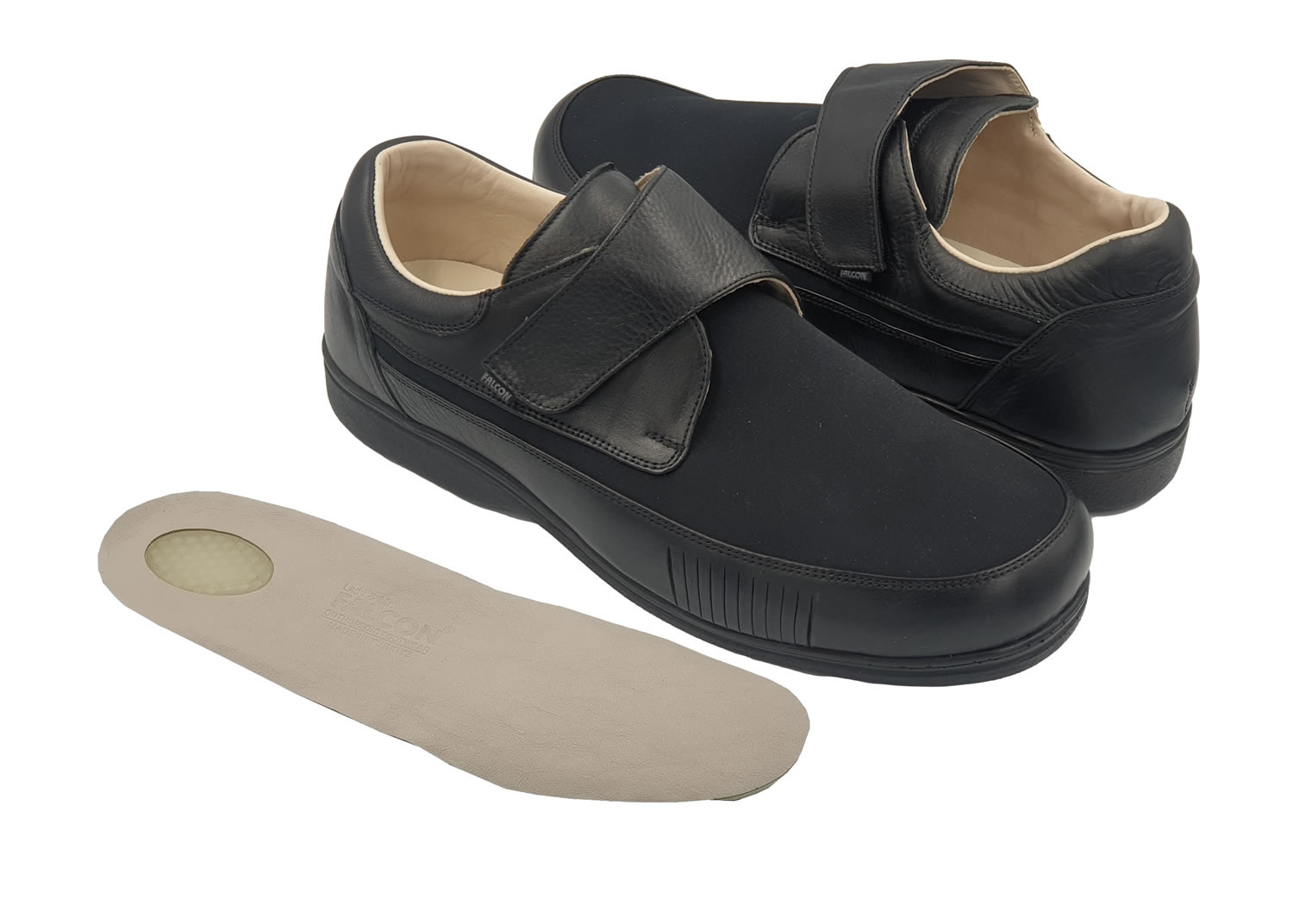
Yes, specialized shoes designed with wide toe boxes, soft and flexible upper materials, and low heels are widely available to accommodate and relieve the pain caused by bunions. These shoes reduce direct friction and pressure on the metatarsophalangeal (MTP) joint, helping individuals maintain mobility without exacerbating structural foot deformities.
Understanding Bunions and Footwear Challenges
Bunions, medically known as hallux valgus, are progressive structural foot deformities characterized by the leaning of the big toe toward the second toe. This anatomical shift causes the joint at the base of the big toe—the first metatarsophalangeal joint—to stick out on the inner side of the foot.
As the joint misaligns, it becomes increasingly vulnerable to friction, pressure, and inflammation from standard footwear. Traditional fashion footwear, particularly shoes with narrow, tapered toe boxes and elevated heels, forces the toes into an unnatural, compressed position. This mechanical stress not only accelerates the progression of the deformity but also causes painful conditions such as bursitis, calluses, and nerve irritation around the joint.
Finding appropriate footwear is therefore a central component of conservative bunion management. While shoes cannot reverse the structural bone displacement of a bunion, the right pairs can dramatically alter daily comfort levels, prevent acute flare-ups, and reduce the risk of secondary complications. Understanding how specific design elements interact with foot anatomy helps consumers navigate the vast footwear market to select options that prioritize joint health.
Key Design Features of Bunion-Friendly Shoes
Not all comfortable or athletic shoes are suited for bunions. Footwear engineered specifically to accommodate foot deformities typically incorporates several distinct structural characteristics. Identifying these features allows shoppers to filter out models that might look comfortable on the surface but lack the necessary orthopedic considerations.
The Wide Toe Box
The single most critical feature of a bunion-friendly shoe is a roomy toe box. Standard and narrow shoes compress the forefoot, forcing the toes together and grinding the bunion against the shoe's interior wall. A wide or extra-wide toe box allows the toes to splay naturally inside the shoe, eliminating lateral pressure on the big toe joint.
When evaluating toe boxes, look for shoes that offer volume not just in width, but also in height. A low-profile ceiling can press down on the top of the joint, causing irritation. Footwear brands often categorize their fits using standardized widths, but individuals with bunions frequently benefit from purchasing shoes specifically labeled as "wide" (D for women, 2E for men) or "extra-wide" (2E/4EE), or selecting brands that engineer anatomic toe shapes.
Flexible and Malleable Upper Materials
Rigid leather or synthetic uppers can act like a clamp on a sensitive bunion. Bunion-friendly shoes utilize soft, pliable materials that stretch and conform to the unique contours of the foot without putting mechanical force on the bone protrusion.
- Mesh and Knit Fabrics: Highly breathable and flexible, engineered knit uppers expand dynamically over the bunion area.
- Soft Leathers: Supple leathers like glove-tanned calfskin or treated suede mold to the foot over time, though they should feature seamless interiors to prevent chafing.
- Seamless Interiors: Overlays, stitching, and glue lines inside the shoe can rub against the inflamed bursa sac over the bunion. Seamless construction or padded linings minimize friction points.
Low Heel Height and Cushioning
Elevated heels shift body weight forward onto the metatarsal heads and toes, drastically increasing the pressure exerted on the forefoot and the bunion joint. Podiatrists generally recommend limiting heel heights to under two inches, with flat shoes or low, stable wedges being the optimal choice for daily wear.
Furthermore, adequate underfoot cushioning is essential. Midsole materials like ethylene-vinyl acetate (EVA) or polyurethane absorb shock during the gait cycle, reducing the impact forces transmitted through the midfoot and forefoot.
| Shoe Feature | Standard Footwear | Bunion-Friendly Footwear | Primary Benefit |
|---|---|---|---|
| Toe Box Shape | Tapered or pointed | Rounded, square, or anatomic wide | Eliminates lateral compression on the big toe joint |
| Upper Material | Rigid synthetics or stiff leather | Stretch mesh, soft leather, flexible knits | Conforms to bone protrusions without applying pressure |
| Heel Height | High heels, stilettos (>2 inches) | Flat, low block, or gentle wedge (<1.5 inches) | Prevents forward weight transfer onto the forefoot |
| Interior Lining | Exposed seams, rough synthetic backings | Seamless, padded, moisture-wicking | Reduces friction, blistering, and bursitis flare-ups |
Categories of Shoes for Bunions
Different daily activities and dress codes require various types of footwear. Fortunately, manufacturers have expanded bunion-friendly designs across multiple categories, ensuring that individuals do not have to sacrifice professional presentation or athletic performance for foot comfort.
Athletic and Walking Shoes
Running and walking shoes are often the easiest category in which to find bunion-friendly options because athletic brands prioritize functional ergonomics, cushioning, and varied width sizing.
Many running shoe manufacturers design their models with naturally wider platforms and breathable mesh uppers that accommodate forefoot widening. Stability and neutral running shoes frequently offer removable sock liners, allowing wearers to insert custom orthotics or specialized bunion spacers if prescribed by a podiatrist. When shopping for athletic shoes, look for brands that explicitly offer "Wide" and "Extra Wide" width classifications rather than sizing up in length, as an overly long shoe can cause instability and blistering in the heel.
Casual and Everyday Footwear
Casual footwear presents a greater challenge because everyday lifestyle shoes often favor minimalist aesthetics and rigid, flat soles over orthopedic support. However, sneaker culture and comfort-focused brands have introduced casual options featuring stretch-canvas uppers, anatomical footbeds, and rounded toe boxes.
When selecting casual slip-ons or lace-up canvas shoes, verify that the upper fabric offers genuine give. Shoes with elasticized panels or adjustable laces are superior to rigid slip-on designs, as laces allow the wearer to customize the volume and tightness across the instep and forefoot.
Professional and Dress Shoes
Finding appropriate dress shoes is frequently cited as the most difficult hurdle for people with bunions. Traditional pumps, loafers, and oxfords are notorious for their stiff construction and pointed toe boxes.
To navigate professional environments comfortably, look for dress flats or low block heels crafted from soft glove leather. Look for styles with elasticized toplines, which gently hug the foot without biting into the bunion. Mary Jane styles with adjustable strap closures can also provide a secure fit while keeping pressure off the sensitive forefoot area. Additionally, some specialty orthopedic footwear companies manufacture professional shoes tailored specifically to hide supportive orthopedic features beneath classic exterior designs.
Custom Orthotics and Footwear Modifications
While buying shoes with the right structural dimensions is an effective first step, many individuals require additional mechanical intervention to manage pain and control the progression of bunions. Podiatrists frequently recommend custom orthotics or over-the-counter arch supports to stabilize the foot structure.
Bunions are often associated with foot mechanics such as overpronation—where the foot rolls inward excessively during walking. This abnormal biomechanical pattern places repetitive strain on the first metatarsal joint. Custom orthotics help redistribute plantar pressures evenly across the foot, supporting the arch and preventing the foot from sliding forward into the toe box.
When integrating orthotics into bunion-friendly shoes, it is vital to ensure that the shoe has adequate internal depth and a removable insole. Inserting a thick orthotic into a standard shoe reduces the vertical volume inside the footwear, which can press the top of the foot against the upper and cause secondary discomfort. Shoes with removable footbeds allow the wearer to swap out factory insoles for custom devices without sacrificing toe clearance.
Common Mistakes to Avoid When Buying Bunion Shoes
Navigating the footwear market with a foot deformity involves avoiding several common pitfalls that can inadvertently worsen foot pain or accelerate structural changes.
Sizing Up Incorrectly
A frequent error is purchasing shoes that are one or two sizes too long simply to gain extra room in the toe box. While sizing up may alleviate some lateral squeezing, it creates a dangerous mechanical problem: the widest part of the foot (the ball) will no longer align with the widest part of the shoe. This mismatch causes the foot to slide forward with every step, jamming the toes into the front of the shoe and causing friction, blisters, and instability in the ankle. The correct approach is to purchase shoes in your precise length while selecting models explicitly manufactured in wider width categories.
Ignoring Heel Counter Stability
While flexibility in the upper material over the forefoot is essential, the rear part of the shoe—known as the heel counter—should remain structured and supportive. Excessively soft, pliable heel counters fail to anchor the heel securely, forcing the toes to grip the sole of the shoe to maintain balance. This gripping action increases forefoot pressure and can worsen toe deformities over time.
Falling for "Magic" Quick Fixes
Consumers should maintain a healthy skepticism toward commercial products marketed as instant cures for bunions. Non-surgical footwear, toe separators, and splints can manage symptoms, reduce friction, and improve daily comfort, but they cannot structurally realign bone deformities once they are established. Consulting a qualified podiatrist or orthopedic specialist provides an accurate assessment of disease severity and ensures that footwear choices align with professional medical guidance.
Frequently Asked Questions
Can special shoes cure or reverse bunions?
No, shoes cannot cure or reverse bunions. Once the bone structure of the metatarsophalangeal joint has shifted, non-surgical interventions like specialized footwear, orthotics, and toe spacers can only manage pain, reduce inflammation, and prevent the deformity from worsening. Permanent correction of the structural bone displacement requires surgical intervention performed by a podiatric surgeon.
Should I buy shoes a size larger to accommodate a bunion?
Purchasing a longer shoe to gain width is generally discouraged. Doing so misaligns the natural flex point of the shoe with your arch and ball of the foot, causing your foot to slide forward and jam your toes. Instead, look for shoes available in designated wide or extra-wide width categories that match your exact foot length.
Are there specific brands known for bunion-friendly footwear?
Several brands specialize in foot health and orthopedic comfort, offering wide toe boxes and soft uppers. Brands such as Brooks, New Balance, and Hoka are widely recognized for athletic options with diverse width availability, while comfort-oriented lifestyle brands like Altra, Orthofeet, and Vionic engineer footwear with specific anatomical principles to reduce forefoot pressure.
How do I know if my shoes are too narrow for my bunion?
Signs that your shoes are too narrow include visible bulging of the bunion pressing against the shoe's side wall, redness or skin irritation over the joint after removal, development of corns or calluses on the big toe, and aching pain in the forefoot after periods of standing or walking.
Can I wear high heels if I have bunions?
Wearing high heels is generally not recommended for individuals with bunions because elevated heels shift body weight forward onto the forefoot, compressing the toes and exacerbating joint pain. If high heels must be worn for special occasions, limit the duration, choose styles with wider toe boxes and lower block heels, and use gel toe shields or pads to minimize friction.
Practical Next Steps
Addressing bunions through footwear requires a deliberate audit of your current closet and a shift toward purchasing shoes engineered for anatomical health. Begin by measuring your feet professionally at a specialty running or orthopedic shoe store to confirm your correct length and width requirements. Transition your daily wear toward athletic shoes, walking shoes, or casual styles featuring wide toe boxes and flexible, seamless uppers. If pain persists despite footwear modifications, schedule a consultation with a podiatrist to evaluate your gait, discuss custom orthotics, and explore comprehensive management strategies tailored to your specific anatomical needs.