Generally, whole life insurance dividends are not taxable when they are paid out or applied to a policy, regardless of whether the underlying premiums are being paid out-of-pocket by the policyholder or covered by a disability waiver of premium rider. Under United States federal tax law, dividends distributed by mutual life insurance companies are legally treated as a return of a portion of the premium payments you have already made. Because the Internal Revenue Service (IRS) views these dividends as a refund of previously paid after-tax dollars rather than as corporate profit or investment income, they are generally considered a return of capital and are income tax-free up to the total amount of premiums you have paid into the contract.
To understand how this principle interacts with a disability waiver of premium rider, it is essential to explore the mechanics of whole life insurance, how dividends function, how disability waivers operate, and the specific tax rules governing policy distributions. While the dividends themselves remain tax-free under the IRS "cost recovery rule," the source of the premium payments introduces unique administrative and structural considerations that every policyholder should understand.
Understanding Whole Life Insurance Dividends
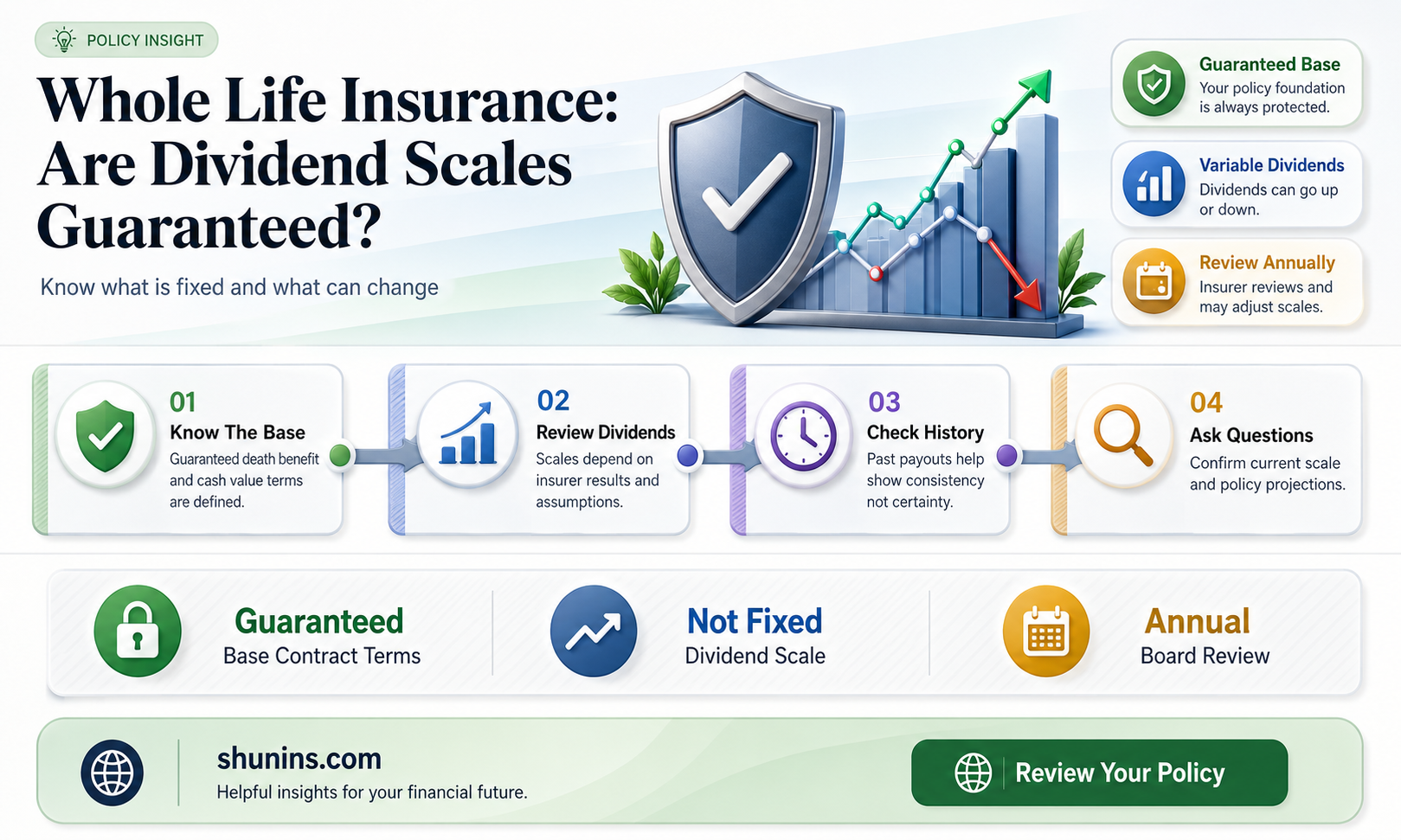
Whole life insurance is a type of permanent life insurance that features a guaranteed death benefit, guaranteed cash value growth, and fixed, level premium payments over the life of the insured. Many whole life policies are issued by mutual insurance companies, which are owned by the policyholders rather than outside shareholders. When these mutual companies perform well financially—experiencing favorable mortality rates, efficient operational expenses, and strong investment returns—they often distribute a portion of their surplus earnings back to eligible policyholders. These distributions are known as policy dividends.
Policyholders typically have several options for how they can utilize their whole life dividends. They can:
- Receive them as direct cash payments via check or direct deposit.
- Apply them to reduce the current year’s out-of-pocket premium payment.
- Accumulate them in an interest-bearing side fund.
- Use them to purchase paid-up additions (PUAs), which increase both the total death benefit and the policy's cash value.
- Use them to pay off policy loans or interest.
Regardless of which dividend option you select, the baseline tax treatment remains consistent: dividends are fundamentally a return of premium. Because you purchase whole life insurance with after-tax dollars (meaning your premium payments are not tax-deductible), getting a portion of those dollars back via a dividend does not generate taxable income, provided the total cumulative dividends you receive do not exceed the total cost basis of your policy.
The Mechanics of a Disability Waiver of Premium Rider
A disability waiver of premium is an optional policy rider that you can add to a whole life insurance contract when you first purchase it, or occasionally during specific underwriting windows. This rider is designed to protect your permanent insurance coverage if you become totally and permanently disabled due to an illness or accident.
If you experience a qualifying disability that satisfies the insurance company’s definition—and you successfully navigate the waiting period (elimination period, typically ranging from three to six months)—the insurance carrier steps in to pay your policy premiums on your behalf. As long as you remain totally disabled according to the terms of the contract, you do not have to pay anything out-of-pocket to keep the policy active, maintain your guaranteed cash value growth, and preserve your death benefit.
Crucially, the waiver of premium rider does not alter the fundamental structure of the policy. The contract remains in full force, and the insurer treats the waived premiums as if they were being paid directly by the insured policyholder. This means that cash value continues to compound, and the policy remains eligible to earn dividends, assuming the specific insurance company’s dividend scale and policy design allow dividend generation during a disability claim.
Tax Treatment of Dividends Under the Cost Recovery Rule
The Internal Revenue Code governs how life insurance policies, cash values, and dividends are taxed. Under Section 72 of the Internal Revenue Code, life insurance contracts are subject to the "cost recovery rule."
Under this rule, any withdrawals, dividends, or other distributions from a life insurance policy are tax-free until the cumulative amount of those distributions exceeds your "cost basis." Your cost basis is generally defined as the sum total of all the net premiums you have paid into the policy out of your own pocket. Once your distributions exceed your total cost basis, any subsequent withdrawals or dividend payments (if taken as cash) are treated as ordinary income and are subject to taxation.
| Scenario | Premium Funding Source | Dividend Treatment | Tax Implications |
|---|---|---|---|
| Standard Policy | Paid out-of-pocket by policyholder | Return of premium | Tax-free up to total cost basis |
| Active Disability Claim | Paid by insurer via waiver rider | Return of premium / insurer-funded | Tax-free up to total cost basis |
| Excessive Distributions | Mixed or standard | Exceeds cost basis | Taxable as ordinary income |
How the Disability Waiver Affects Your Cost Basis
The most critical nuance when premiums are paid via a disability waiver of premium rider involves how those insurer-paid premiums impact your policy's cost basis.
When you pay premiums out-of-pocket, those dollars add directly to your cost basis because they represent after-tax funds spent on the insurance contract. However, when the insurance company pays your premiums under a disability waiver, you are not spending your own after-tax dollars on those specific payments. Consequently, premiums waived by the insurance company generally do not increase your personal cost basis during the period of disability.
Despite this technical distinction in basis accumulation, the dividends generated while on waiver remain fundamentally classified as a return of premium. Because the policy is still operating under its normal contract provisions, the IRS does not suddenly reclassify dividends as taxable simply because the premium was funded by a rider rather than a personal paycheck. As long as the total cash distributions you receive do not exceed the actual out-of-pocket premiums you paid prior to (and potentially outside of) the disability period, those dividends remain tax-free.
Potential Tax Pitfalls and Edge Cases
While standard dividend distributions remain tax-free under a waiver of premium, policyholders must remain vigilant about several structural risks and edge cases that could inadvertently trigger a taxable event.
Modified Endowment Contract (MEC) Status
If you use your dividends to purchase paid-up additions or if you fund your whole life policy aggressively during its early years, you run the risk of turning the policy into a Modified Endowment Contract (MEC) under Internal Revenue Code Section 7702A. A policy becomes a MEC if the cumulative premiums paid during the first seven years exceed statutory funding limits (the 7-pay test).
If a policy is classified as a MEC, any distributions—including dividends taken as cash, policy loans, or withdrawals—are subject to "last-in, first-out" (LIFO) tax rules. This means that distributions are treated as taxable income first (representing the earnings inside the policy) rather than a tax-free return of basis. While a disability waiver does not automatically trigger MEC status, any rapid changes in funding or excessive cash accumulation resulting from dividend options must be monitored carefully.
Dividends Taken as Direct Cash Payouts vs. Applied to Premiums
How you elect to receive your dividends dictates your immediate liquidity, but the tax rule remains the same:
- Applied to Premiums: If your dividends are used to reduce your out-of-pocket premium liability (or to cover the portion of premiums not waived, if applicable), they are simply a bookkeeping adjustment and carry no tax liability.
- Paid in Cash: If you elect to receive your dividends as physical checks sent to your home or deposited into a personal bank account, they are still considered a return of premium. However, they will count against your total cost basis. If your cumulative cash dividends eventually surpass your total out-of-pocket premiums paid, the excess will be treated as taxable income.
Premium Offset and Policy Loans
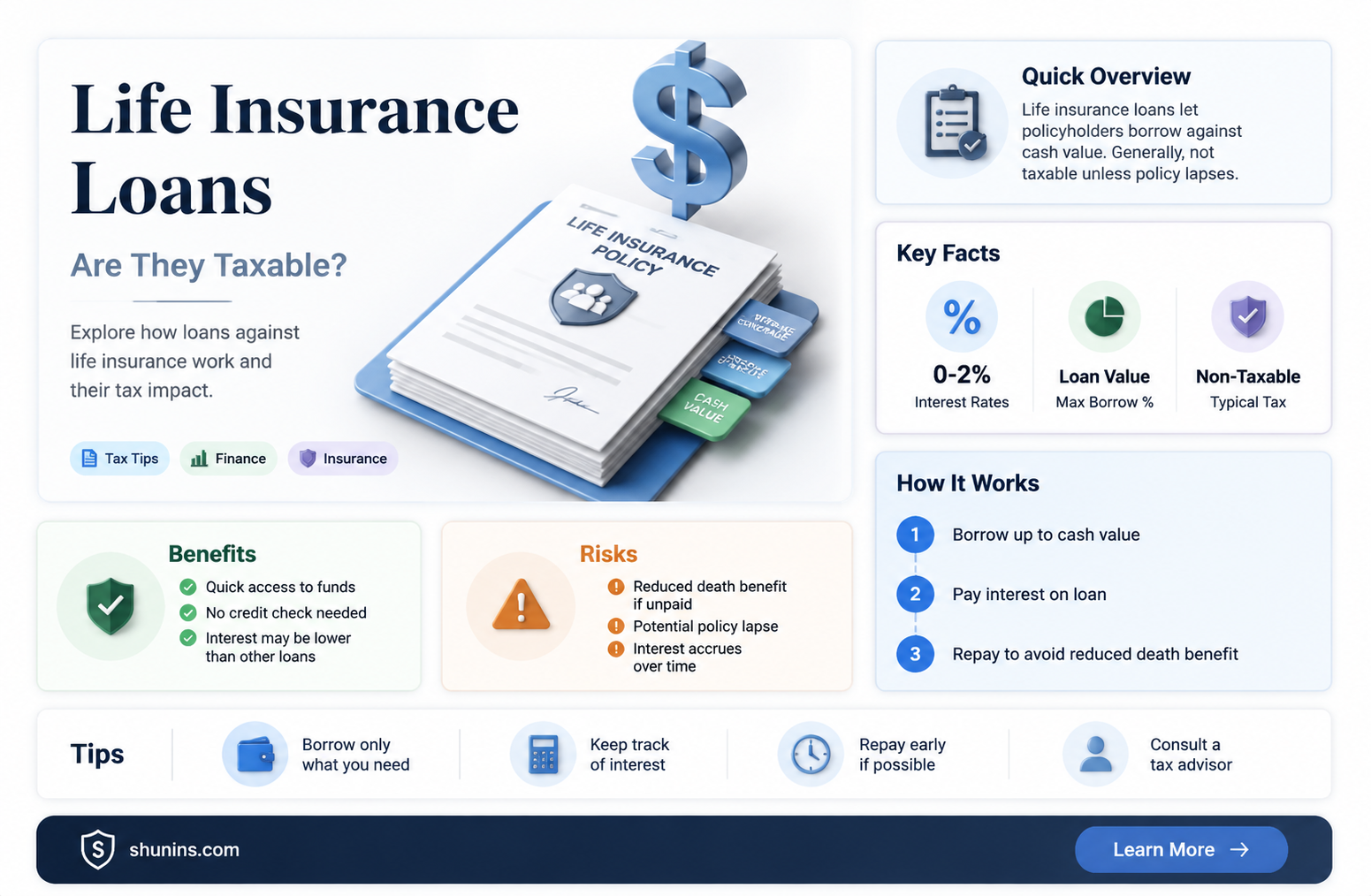
Sometimes, policyholders confuse dividends with policy loans. If you borrow against the cash value of your whole life insurance policy, those loan proceeds are not taxable because they represent debt secured by your cash value. However, if a policy lapses or is surrendered with an outstanding loan balance that exceeds your cost basis, the resulting gain can become fully taxable as ordinary income—even if you were previously on a disability waiver.
Frequently Asked Questions
Are life insurance dividends ever taxable?
Life insurance dividends are generally not taxable because the IRS views them as a return of excess premium payments (a return of capital). They only become taxable if the total amount of dividends you have received over the life of the policy exceeds your total cost basis—meaning you have gotten back more money than you paid in. Additionally, if dividends are left to accumulate interest, the interest earned on those accumulated dividends is taxable in the year it is credited, even though the dividends themselves are tax-free.
Does a disability waiver of premium count as taxable income?
No. Benefits received from a disability waiver of premium rider are not considered taxable income. When the insurance company pays your whole life insurance premiums on your behalf because you are disabled, those payments are treated as a non-taxable insurance benefit rather than earned income.
Can a whole life policy still generate dividends while I am disabled?
Yes. If your policy is structured to earn dividends, it will typically continue to do so while premiums are being paid by a disability waiver. The insurance company treats the policy as fully active and in good standing. The cash value continues to grow, and dividends are credited according to the company's current dividend scale.
How do I calculate my policy's cost basis?
Your policy's cost basis is calculated by taking the sum of all out-of-pocket premium payments you have made since the inception of the policy, minus any prior tax-free distributions or withdrawals you have taken. Premiums paid by an insurance company via a disability waiver do not add to your personal out-of-pocket cost basis because those funds did not originate from your taxable income.
What happens if I surrender my whole life policy while on a disability waiver?
If you choose to surrender your whole life policy for its cash surrender value while on a disability waiver, the transaction is treated like any other policy surrender. You will receive the net cash value, and you will owe ordinary income tax on any portion of the payout that exceeds your total cost basis. The fact that the policy was on a waiver does not exempt surrender gains from taxation.
Next Actions and Professional Guidance
Navigating the tax implications of permanent life insurance, especially when interacting with complex riders like a disability waiver of premium, requires careful attention to your specific policy documents and annual statements. If you or a family member are currently on a disability claim and receiving whole life insurance dividends, your primary next step is to request an in-force illustration and a cost basis report from your insurance carrier. This documentation will clearly state your current cash value, cumulative premiums paid, and historical dividend distributions.
Because tax laws are subject to legislative changes and individual financial situations vary widely based on policy design and state regulations, you should consult with a certified public accountant (CPA), a fee-only financial planner, or a qualified tax professional before making major decisions regarding policy withdrawals, surrenders, or dividend changes.