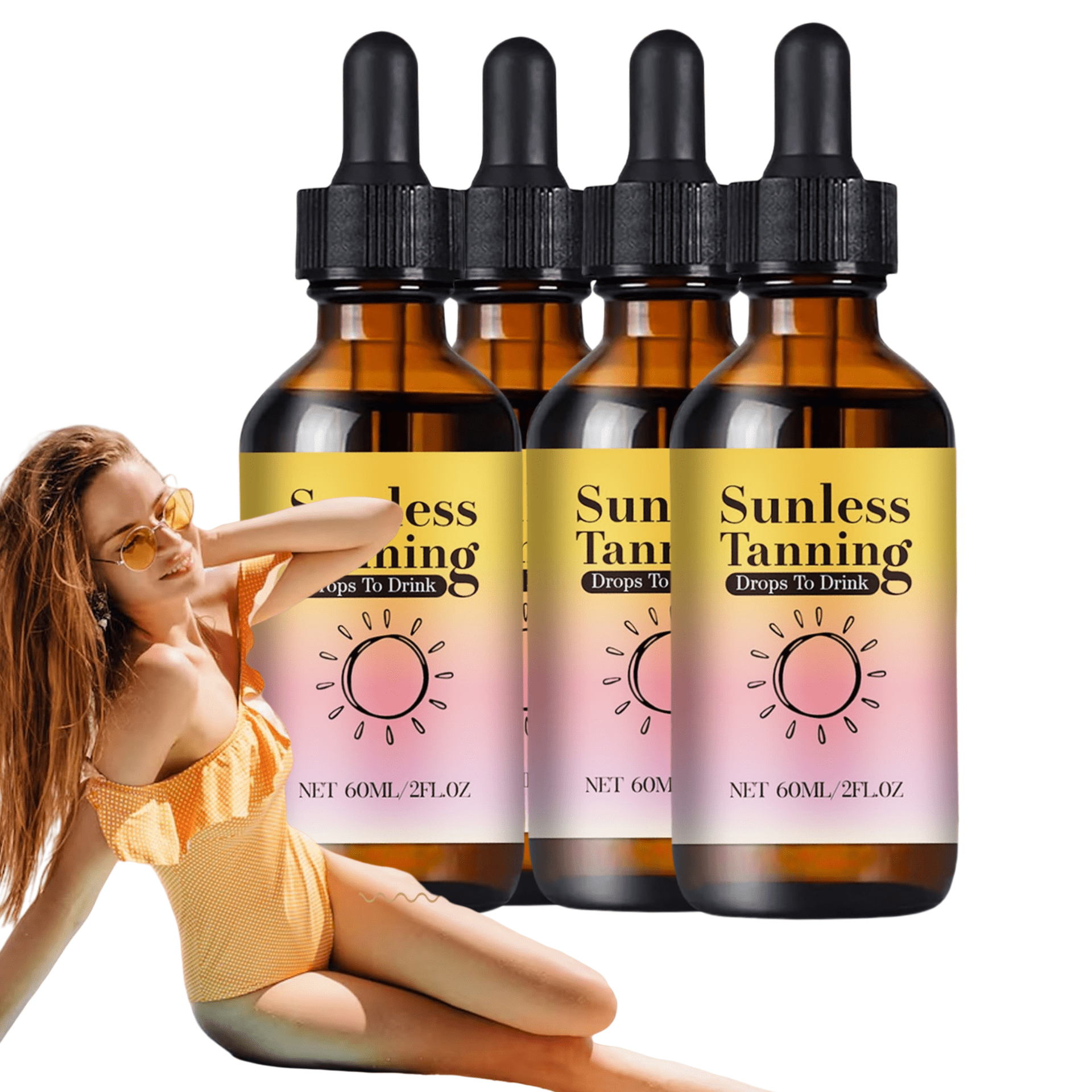
Sunless tanning drops are considered safe for topical use by major health authorities, including the FDA and the European Scientific Committee on Consumer Safety (SCCS). The primary active ingredient, Dihydroxyacetone (DHA), reacts only with the skin's outermost layer. However, safety depends on avoiding inhalation, performing patch tests for allergies, and maintaining consistent sun protection.
As we move through 2026, the beauty industry has seen a significant shift toward customizable skincare. Sunless tanning drops have become the gold standard for those seeking a "sun-kissed" glow without the DNA-damaging effects of ultraviolet (UV) radiation. Unlike traditional self-tanners, these concentrated formulas are designed to be mixed with your existing moisturizer, allowing for a bespoke level of bronze. Yet, with increased potency and daily use, many consumers are questioning the long-term safety of these chemical formulations.
Understanding the safety of tanning drops requires a deep dive into the chemistry of the skin, the regulatory standards governing cosmetic ingredients, and the practical risks associated with improper application.
The Science of the Glow: How Tanning Drops Work
To evaluate the safety of tanning drops, one must first understand the chemical reaction they trigger. The vast majority of sunless tanners rely on a sugar molecule called Dihydroxyacetone (DHA).
The Maillard Reaction
When you apply tanning drops to your skin, the DHA interacts with the amino acids found in the stratum corneum—the dead, outermost layer of the epidermis. This interaction is known as the Maillard reaction, the same chemical process that causes bread to brown when toasted or meat to sear.
Because this reaction is limited to the non-living cells on the surface of your skin, the resulting pigment (melanoidins) is temporary. As your skin naturally exfoliates over a period of 5 to 10 days, the tan fades. This localized reaction is why dermatologists generally prefer sunless tanning over UV exposure; it provides a cosmetic change without penetrating the living dermis or altering cellular DNA.
DHA vs. Erythrulose
Many premium tanning drops in 2026 also incorporate Erythrulose, another keto-sugar. Erythrulose works similarly to DHA but develops more slowly and often results in a less "orange" tone. When used in combination, these two ingredients provide a more durable and natural-looking tan. From a safety perspective, Erythrulose is held to the same rigorous standards as DHA and is considered non-toxic for topical application.
Regulatory Status and Concentration Limits
The safety of tanning drops is not merely a matter of opinion; it is governed by strict regulatory frameworks that have evolved as formula concentrations have increased.
FDA Oversight
In the United States, the Food and Drug Administration (FDA) approves DHA for external application only. This is a critical distinction. While DHA is safe for the skin, the FDA has not approved it for use on the "area of the eye," the lips, or any body surface covered by mucous membranes. This is why tanning drops, which offer more control than sprays, are often cited by experts as a safer alternative to professional spray booths where accidental inhalation or eye contact is more likely.
SCCS and European Standards
The European Scientific Committee on Consumer Safety (SCCS) provided a definitive safety assessment that remains the benchmark in 2026. The SCCS concluded that DHA is safe in cosmetic formulations at concentrations up to 10%.
Because tanning drops are concentrated, the base liquid in the bottle often exceeds this 10% threshold. However, since the instructions mandate mixing the drops with a carrier (like a face cream or body lotion), the final concentration reaching the skin typically falls within the safe 10% limit. Safety concerns arise primarily when users ignore instructions and apply the concentrated drops directly to the skin, which can lead to irritation or uneven pigment deposition.
Potential Risks and Health Considerations
While the "active" tanning agents are safe, "safety" is a broad term that includes allergic reactions, oxidative stress, and the health of the underlying skin barrier.
1. The Risk of Free Radical Generation
A landmark study previously identified that DHA-treated skin, when exposed to sunlight, can generate up to 180% more free radicals compared to untreated skin. This effect is most pronounced in the first 24 hours after application. Free radicals are unstable molecules that can damage skin cells and accelerate aging.
To mitigate this risk, it is essential to use tanning drops in conjunction with a high-SPF sunscreen and consider applying the drops in the evening. This allows the Maillard reaction to stabilize overnight before the skin is exposed to direct UV rays the following day.
2. Allergic Reactions and Sensitivities
Tanning drops are rarely "pure" DHA. They contain preservatives (like phenoxyethanol), fragrances, and stabilizers. Many users experience contact dermatitis not from the tanning agent itself, but from the added perfumes or "bronzer" dyes used to provide an immediate color guide.
3. Inhalation and Ingestion
Although drops are applied topically, there is a minor risk of accidental ingestion if applied too close to the mouth or if hands are not washed after application. DHA is not intended for internal consumption. In 2026, many brands have moved toward "clean" formulations, but "natural" does not always mean "edible."
| Factor | Safety Status | Recommended Precaution |
|---|---|---|
| Topical DHA | Safe (FDA/SCCS Approved) | Limit concentration to 10% or less via dilution. |
| Eye Contact | Potential Irritant | Avoid the immediate orbital area and eyelids. |
| Inhalation | High Risk | Prefer drops over aerosolized sprays for facial use. |
| UV Exposure | Conditional Risk | Use SPF 30+; avoid sun for 24h after application. |
| Sensitive Skin | Variable | Perform a 24-hour patch test behind the ear. |
Sunless Tanning During Pregnancy
One of the most frequent questions regarding the safety of tanning drops involves pregnancy. Most obstetricians and dermatologists agree that sunless tanning drops are safe to use during pregnancy. Because the DHA does not migrate past the stratum corneum, it does not enter the bloodstream and therefore cannot reach the developing fetus.
However, pregnancy can make the skin more sensitive to fragrances and preservatives. Furthermore, the hormonal changes during pregnancy (specifically increased melanocyte-stimulating hormone) can sometimes lead to "mask of pregnancy" or melasma. Tanning drops can occasionally make these hyperpigmented spots look darker or more pronounced. If you are pregnant, look for fragrance-free, hypoallergenic drops to minimize the risk of skin irritation.
Common Mistakes That Compromise Safety
Safety is often compromised by the user rather than the product itself. To ensure you are using tanning drops safely in 2026, avoid these common pitfalls:
- Skipping the Patch Test: Even if you have used self-tanners before, a new brand of drops may contain a different preservative or botanical extract that triggers a reaction.
- Direct Application: Applying concentrated drops directly to the face can cause chemical irritation and an unnaturally dark, patchy result. Always mix with a moisturizer.
- The "Base Tan" Myth: Perhaps the greatest danger of tanning drops is the psychological effect. A sunless tan provides zero protection against UV rays. A common mistake is assuming the tanned color acts as a "base tan," leading users to skip sunscreen and suffer significant sun damage.
- Expired Products: DHA is a relatively unstable molecule. Using drops that are several years old or have been stored in a hot, humid bathroom can lead to the breakdown of the formula, resulting in a foul odor or skin irritation.
Ingredients to Watch For
When shopping for tanning drops, the ingredient list is your best guide to safety. In 2026, many consumers prioritize "skin-first" formulas.
Beneficial Additives:
- Hyaluronic Acid: Helps maintain the skin barrier, which can be slightly dried out by the tanning reaction.
- Vitamin C and E: Antioxidants that help neutralize the free radicals generated during the DHA reaction.
- Aloe Vera: Provides a soothing effect to prevent irritation.
Potential Irritants:
- Alcohol Denat: Often used to make drops dry faster, but can be highly drying and irritating for those with eczema or dry skin.
- Heavy Fragrance/Linalool: A common cause of allergic contact dermatitis.
- Synthetic Dyes: (e.g., Red 40, Blue 1) Used for immediate color, but can clog pores in acne-prone individuals.
Step-by-Step Guide for Safe Application
To maximize safety and minimize the risk of a "botched" tan, follow this professional protocol:
- Exfoliate 24 Hours Prior: Remove dead skin cells to ensure the DHA reacts with a fresh layer of the stratum corneum. This prevents "spotty" absorption.
- The Mix Ratio: Start with 1–2 drops mixed into a nickel-sized amount of moisturizer. You can increase the drop count as your skin builds tolerance.
- Application Barrier: Apply a light layer of plain moisturizer to elbows, knees, and ankles first. These areas have thicker skin and absorb more DHA, which can lead to irritation or overly dark staining.
- Wash Hands Thoroughly: DHA will stain the skin of your palms deeply and quickly. Use soap and water immediately after application.
- Moisturize Daily: Keeping the skin hydrated prevents the uneven "cracking" of the tan as the skin cells begin to shed.
Frequently Asked Questions
Can tanning drops cause skin cancer?
No. There is no evidence that the topical application of DHA causes skin cancer. In fact, sunless tanning is recommended by the Skin Cancer Foundation as a safe alternative to UV tanning. The only indirect risk is the "false sense of security" where a user might forget to apply sunscreen because they look tanned.
Do tanning drops cause acne?
DHA itself is non-comedogenic, meaning it does not clog pores. However, the carrier oils or thickeners in certain tanning drops may be comedogenic. If you are acne-prone, look for "non-comedogenic" or "oil-free" labels and ensure the formula is specifically designed for facial use.
Are tanning drops safe for people with eczema or psoriasis?
People with active eczema or psoriasis should exercise caution. DHA can cling to dry, flaky patches, making them appear significantly darker and potentially causing further irritation to the compromised skin barrier. It is best to wait until a flare-up has subsided before applying sunless tanner.
Is it safe to use tanning drops every day?
Using tanning drops daily is generally safe, provided you are not experiencing dryness or irritation. However, daily use can lead to a heavy buildup of pigment that may eventually look "muddy." Most experts recommend using them every 2 to 3 days to maintain a natural glow.
Can I mix tanning drops with my sunscreen?
It is generally discouraged to mix tanning drops directly into your sunscreen bottle or even in your hand with sunscreen. Sunscreen formulas are precisely engineered to create a uniform protective film. Adding drops can "break" the emulsion, creating gaps in your UV protection. Apply your tanning drops mixed with a standard moisturizer first, let it dry, and then apply your sunscreen as a separate layer.
Final Recommendations
Sunless tanning drops remain one of the safest ways to achieve a bronzed aesthetic in 2026. Their safety is well-documented, provided they are used topically and in accordance with manufacturer guidelines. To ensure the best results for your skin health, prioritize formulas that include antioxidants to counteract free radical production and never view a sunless tan as a substitute for UV protection. By performing a patch test and respecting the 10% concentration limit through proper mixing, you can enjoy a consistent glow without compromising your long-term dermatological health.