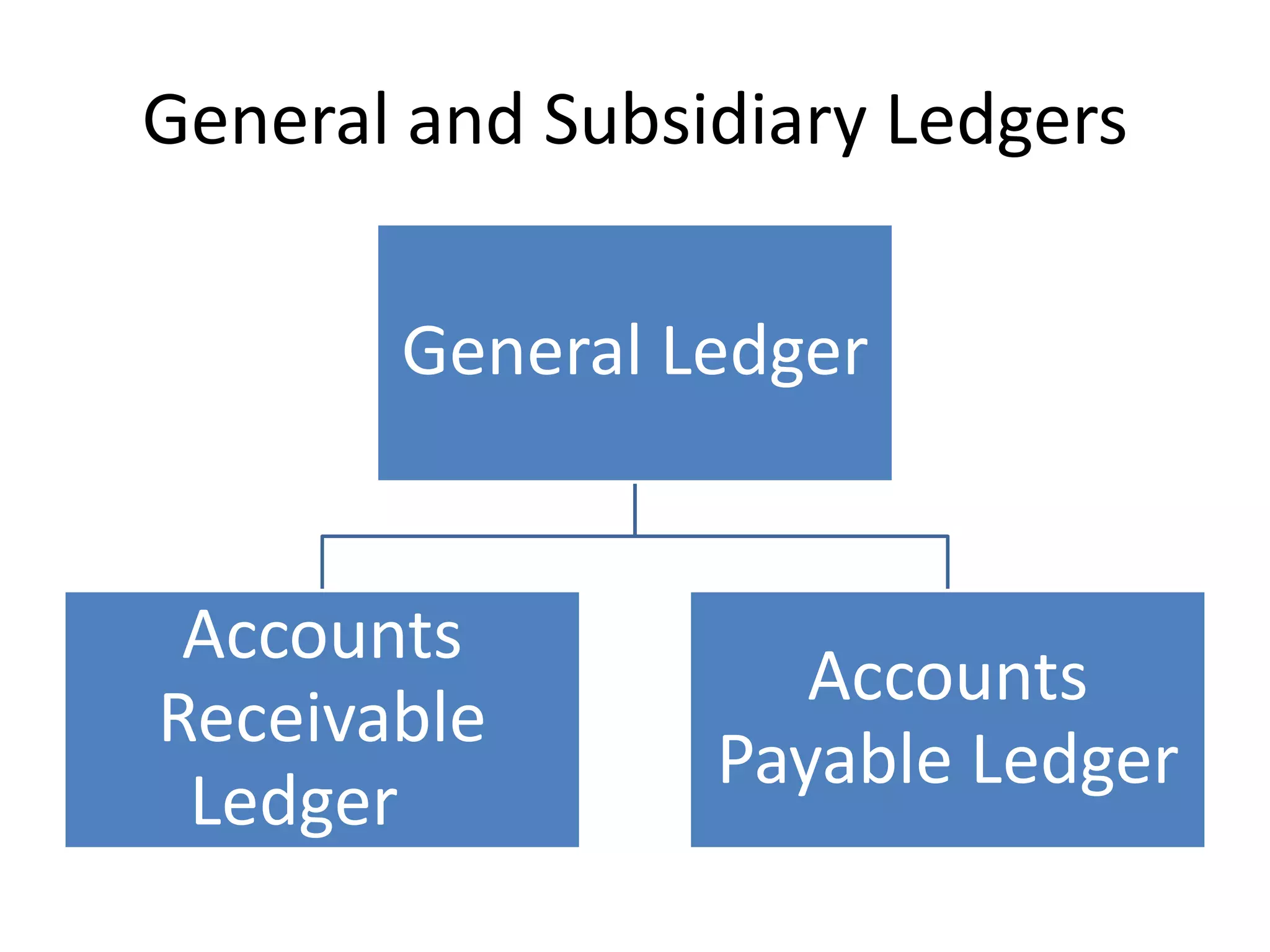
A company is "a subsidiary of" another entity when that entity—known as the parent or holding company—owns more than 50% of its voting stock. This arrangement creates a separate legal entity that operates under the parent’s control while maintaining its own distinct legal, tax, and administrative identity.
In the complex global economy of 2026, the phrase "a subsidiary of" describes a fundamental building block of corporate architecture. From tech giants managing specialized AI divisions to manufacturing conglomerates shielding themselves from regional liabilities, the subsidiary model provides the flexibility necessary for scale, risk management, and international expansion. Understanding how these relationships function is critical for investors, business owners, and legal professionals navigating the modern marketplace.
The Structural Hierarchy of Parent and Subsidiary Companies
The relationship between a parent company and its subsidiary is defined by control. While the subsidiary is a separate legal person in the eyes of the law, its strategic direction and high-level governance are dictated by the parent company. This hierarchy is not merely a line on an organizational chart; it is a legal framework that dictates how money flows, who is responsible for debt, and how taxes are filed.
Wholly Owned vs. Majority-Owned Subsidiaries
A wholly owned subsidiary is one where the parent company owns 100% of the common stock. This provides the parent with total control over the subsidiary’s board of directors and operations. Large multinational corporations often use wholly owned subsidiaries to enter new geographic markets or to keep proprietary technology isolated from other business units.
In contrast, a majority-owned subsidiary exists when the parent owns more than 50% but less than 100% of the voting shares. The remaining shares (the "minority interest") may be held by the original founders, private investors, or the public if the subsidiary is itself a publicly traded company. Managing a majority-owned subsidiary requires careful attention to the rights of minority shareholders to avoid "oppression of the minority" lawsuits.
The Role of Holding Companies
In many cases, the parent company is a "holding company." A holding company does not produce its own goods or services; its sole purpose is to own shares of other companies. This structure allows a central entity to control a diverse portfolio of businesses without being directly involved in the day-to-day operations of any single one. By 2026, this has become the standard model for private equity firms and large family offices managing multi-industry assets.
Why Corporations Use Subsidiary Structures
The decision to form or acquire a subsidiary is rarely about a single factor. Instead, it is a strategic move designed to optimize the business across several dimensions: legal protection, financial efficiency, and brand management.
Risk Management and Liability Shielding
The primary reason companies operate through subsidiaries is to achieve "asset compartmentalization." Because a subsidiary is a separate legal entity, its liabilities (such as debt, lawsuits, or environmental fines) generally do not belong to the parent company. If a subsidiary goes bankrupt, the parent’s losses are typically limited to the amount of capital it invested in that subsidiary.
However, this protection is not absolute. Under the legal doctrine of "piercing the corporate veil," a court may hold a parent company liable if the subsidiary was used to perpetrate fraud, if the two entities were so intermingled that they ceased to be separate, or if the subsidiary was chronically undercapitalized.
Brand Segmentation and Market Positioning
Companies often use subsidiaries to maintain distinct brand identities. This prevents a failure or controversy in one niche from tarnishing the reputation of the entire group. For example, a luxury car manufacturer might own a subsidiary that produces economy vehicles under a different name to avoid diluting its high-end brand equity. This strategy also allows for targeted marketing to different demographics while sharing back-end resources like logistics and procurement.
Tax Optimization and International Expansion
Navigating international tax laws is one of the most common drivers for the subsidiary model. By establishing a local subsidiary in a foreign country, a corporation can comply with local regulations, hire local employees, and potentially benefit from local tax incentives.
In 2026, corporations must navigate the OECD Pillar Two global minimum tax rules, which aim to ensure that large multinational groups pay at least a 15% tax rate regardless of where they are headquartered. Despite these regulations, subsidiaries remain essential for managing "transfer pricing"—the internal pricing of goods and services sold between a parent and its subsidiary—which must be conducted at "arm's length" to satisfy tax authorities.
Legal Status and the "Corporate Veil"
The separation between a parent and its subsidiary is maintained by a series of legal formalities. For the "subsidiary of" status to protect the parent company, both entities must behave as distinct businesses.
Requirements for Maintaining Separation:
- Separate Boards: While the parent chooses the directors, the subsidiary should ideally have its own board meetings and maintain its own minutes.
- Independent Accounting: The subsidiary must maintain its own bank accounts and financial records. Intercompany transfers must be meticulously documented.
- Operational Independence: The subsidiary should have its own employees, its own office space (even if leased from the parent), and its own contracts.
If these formalities are ignored—for instance, if the parent company pays the subsidiary’s bills directly or if executives move funds between accounts without documentation—the legal distinction vanishes. In such cases, creditors can "pierce the veil" and sue the parent company for the subsidiary's debts.
Accounting and Financial Reporting in 2026
When a company is a subsidiary, its financial results are usually included in the parent company’s consolidated financial statements. This gives investors a comprehensive view of the entire corporate group's health.
The Consolidation Process
Under standard accounting principles (like GAAP in the U.S. or IFRS internationally), a parent must consolidate any subsidiary it controls. This involves:
- Combining the assets, liabilities, revenues, and expenses of the parent and all subsidiaries.
- Eliminating "intercompany transactions" (e.g., if the parent sold $1 million of parts to the subsidiary, that revenue and expense are removed so the group doesn't "double-count" its internal activity).
- Accounting for "Non-Controlling Interests" (NCI) if the parent does not own 100% of the subsidiary.
Transparency and ESG Reporting
By 2026, financial reporting has expanded beyond mere profit and loss. Regulatory bodies now require "subsidiary-level transparency" regarding Environmental, Social, and Governance (ESG) metrics. Parent companies are increasingly held responsible for the carbon footprint, labor practices, and supply chain ethics of their subsidiaries. This means that being "a subsidiary of" a major corporation now involves rigorous compliance audits that go far beyond traditional bookkeeping.
Comparing Corporate Entities
Understanding the nuances between different types of corporate relationships is vital for due diligence and strategic planning.
| Feature | Subsidiary | Branch Office | Affiliate / Associate |
|---|---|---|---|
| Legal Status | Separate legal entity | Part of the parent entity | Separate legal entity |
| Ownership | >50% owned by parent | 100% owned by parent | 20% to 50% owned |
| Liability | Limited to subsidiary assets | Parent is fully liable | Parent has limited/no liability |
| Taxation | Files its own tax returns | Taxed as part of parent | Files its own tax returns |
| Governance | Controlled by parent board | Controlled by parent mgmt | Parent has "significant influence" |
| Common Use | New markets/Risk isolation | Low-cost entry/Local sales | Strategic partnerships |
How to Identify if a Company is a Subsidiary
For consumers, researchers, and investors, determining if a company is "a subsidiary of" another entity is not always straightforward, as many brands do not advertise their parentage.
Public Filings (SEC and International Equivalents)
For publicly traded companies, the most reliable source is the annual report. In the United States, the SEC requires companies to file Exhibit 21 as part of their 10-K report. Exhibit 21 is a comprehensive list of all "significant" subsidiaries, including their names and the jurisdiction in which they are incorporated.
Corporate Registries and Business Licenses
Private companies are harder to track. However, state or national corporate registries (such as Companies House in the UK or the Secretary of State databases in the US) often list the "Parent Entity" or the "Ultimate Beneficial Owner" (UBO). Since 2024, many jurisdictions have implemented stricter UBO registries to combat money laundering, making it easier to see who truly controls a subsidiary.
Terms of Service and Privacy Policies
For digital services, the "Terms of Service" or "Privacy Policy" pages often disclose the corporate owner. A website might be branded as "QuickPay," but the fine print will state: "QuickPay is a subsidiary of Global Finance Corp." This is legally necessary to clarify which entity the user is entering into a contract with.
Operational Challenges of the Subsidiary Model
While the benefits are significant, managing a subsidiary is fraught with operational complexities. The "agency problem" is a primary concern: how does the parent ensure the subsidiary’s management acts in the best interest of the parent company?
- Cultural Friction: When a large corporation acquires a smaller startup as a subsidiary, the "corporate" culture often clashes with the "entrepreneurial" culture. If the parent exerts too much control, it may stifle the innovation it sought to buy.
- Duplication of Costs: Every subsidiary requires its own legal compliance, HR administration, and local management. This can lead to "corporate bloat" where the overhead of maintaining dozens of subsidiaries outweighs the tax or liability benefits.
- Governance Overload: Ensuring that every subsidiary in a global network complies with the parent’s ethical standards and the local laws of every country is a massive undertaking. In 2026, many companies utilize AI-driven compliance software to monitor subsidiary activities in real-time.
Frequently Asked Questions
Can a subsidiary own another subsidiary?
Yes. This is known as a multi-tier structure. The first subsidiary is the "first-tier" subsidiary, and the company it owns is a "second-tier" subsidiary (or a sub-subsidiary). This is common in large conglomerates to further isolate risks or organize businesses by region before organizing them by product type.
Is a subsidiary responsible for the parent company's debt?
Generally, no. Just as the parent is protected from the subsidiary's debt, the subsidiary is a separate legal entity and is not liable for the parent's obligations. However, if the subsidiary has provided a "corporate guarantee" for the parent’s loans, it can then be held responsible.
What is the difference between a subsidiary and a sister company?
A sister company is another subsidiary owned by the same parent company. They are related through their common owner but do not have an ownership stake in each other. They are like siblings in a family tree.
Can a subsidiary be larger than its parent company?
Technically, yes. A small holding company (the parent) can own 100% of a massive operating company (the subsidiary). This often happens after "Reverse Mergers" or in specific tax-advantaged restructuring scenarios.
Why do some subsidiaries have different names than their parents?
This is usually for branding purposes. A parent company may want to operate in different market segments (e.g., luxury vs. discount) without confusing consumers. It also allows the parent to sell the subsidiary later (a "divestiture") without having to rebrand the entire business.
Practical Recommendation for Business Owners
If you are considering structuring your business as "a subsidiary of" a holding company, your first step should be a consultation with a corporate attorney and a tax strategist familiar with your specific industry.
The subsidiary model is most effective when you have distinct business lines with different risk profiles or when you are expanding into a new legal jurisdiction. However, do not underestimate the administrative burden. To maintain the "corporate veil" and protect your assets, you must commit to the rigorous separation of finances and governance. In 2026, with increased regulatory scrutiny on corporate transparency, the "set it and forget it" approach to subsidiaries is no longer viable. Success requires active, documented, and compliant management of the parent-subsidiary relationship.