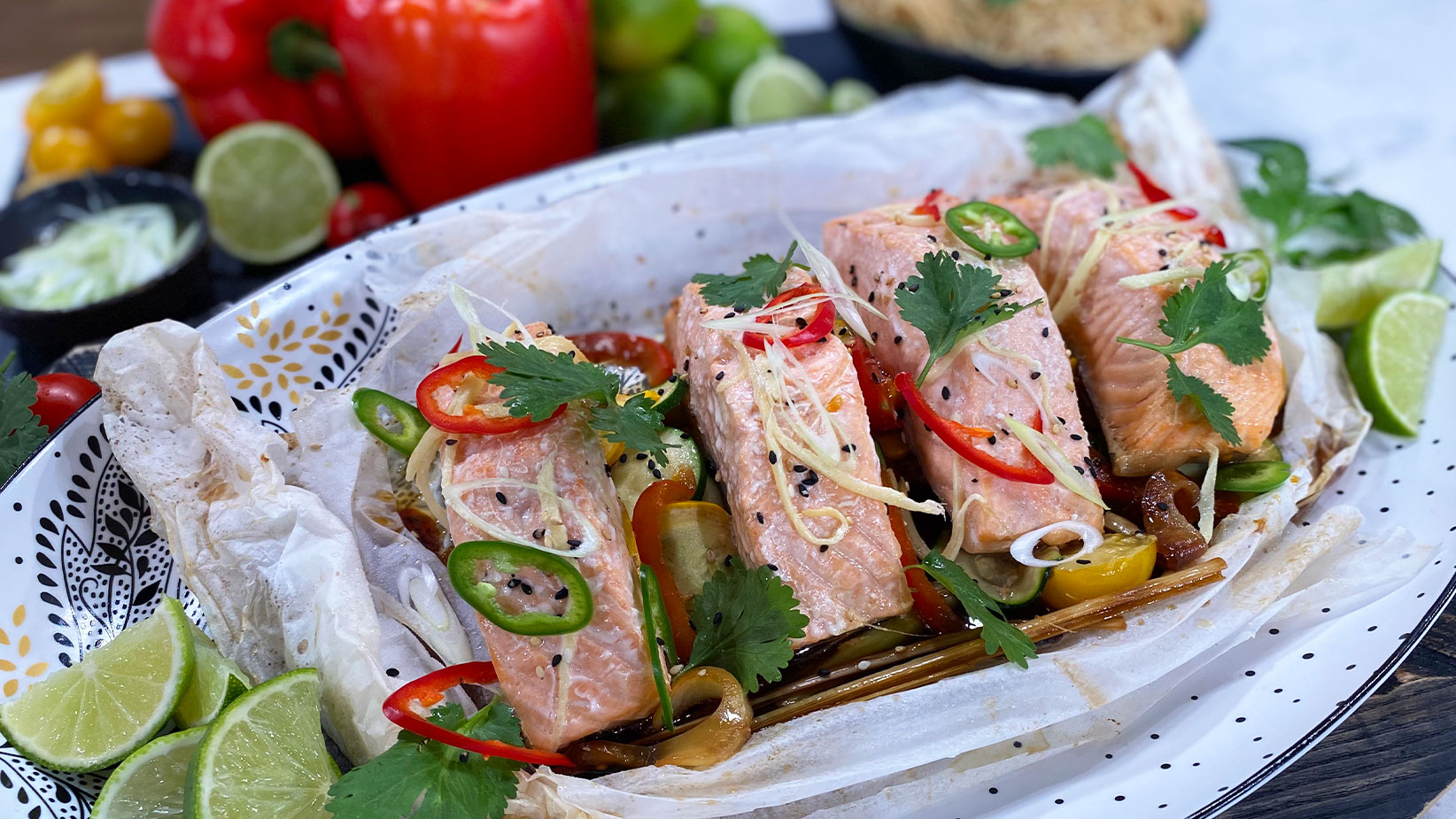
Cooking fish in a bag, technically known as the French technique en papillote, is a sophisticated yet remarkably simple method that seals delicate fillets and aromatics inside a parchment paper pouch. As the packet heats in the oven, the fish steams in its own juices and infused flavorings, resulting in a moist, healthy meal that requires minimal cleanup and prevents common kitchen mistakes like drying out the protein.
Understanding the En Papillote Method
The fundamental premise of cooking "en papillote" is enclosure. By sealing food within parchment paper or, in some cases, aluminum foil, you create a miniature pressurized steam oven. This environment is ideal for fish, which is naturally low in fat and prone to becoming dry if overcooked by direct, high-heat methods like pan-searing or grilling.
When you fold the paper tightly, the moisture released by the fish and any added vegetables is trapped inside. This steam cooks the fish gently and evenly. Because the temperature inside the bag stays relatively consistent and does not exceed the boiling point of water, the fish remains succulent and tender. Furthermore, because the aromatics—herbs, citrus, wine, or oils—are trapped in the same space, the flavors penetrate the fish more effectively than they would during stovetop cooking.
Prerequisites and Essential Ingredients
To execute this recipe successfully, you need to manage your selection of ingredients and materials carefully. Not all fish varieties respond equally well to the gentle steaming process, and the quality of your "bag" is critical to the success of the seal.
Choosing the Right Fish
Select fillets that are roughly the same thickness to ensure they cook at the same rate. Preferred varieties include:
- White Fish: Cod, halibut, tilapia, and snapper are excellent choices. Their mild flavor profile allows for versatility in seasoning.
- Fatty Fish: Salmon and trout work beautifully, though they require slightly longer cooking times due to their higher oil content.
- Shellfish: While not strictly fish, scallops and prawns are perfect for this technique.
Avoid thick, whole-fish cuts or dense, oily steaks that might require significantly longer cooking times, as these may not steam through before the parchment begins to scorch.
Paper and Folding
Parchment paper is the gold standard for this technique. Unlike aluminum foil, parchment is non-stick, breathable enough to prevent the fish from becoming "boiled" rather than steamed, and chemically inert. Aluminum foil can be used in a pinch, but it tends to conduct heat aggressively, which may lead to charred spots if the foil touches the heating element.
Step-by-Step Preparation Guide
Follow these steps to create a perfect steam packet. Precision during the folding process is the most important factor in preventing the steam from escaping.
- Preparation: Preheat your oven to 400°F (200°C). Prepare your parchment by cutting a large heart-shaped piece (or a large rectangle, roughly 12x16 inches).
- The Bed: Place a layer of thinly sliced vegetables—such as leeks, julienned carrots, or fennel—in the center of one half of the paper. This acts as a rack to keep the fish from sticking to the bottom.
- Seasoning: Place the fish fillet on top of the vegetables. Season with sea salt, cracked black pepper, a splash of white wine, a teaspoon of olive oil or butter, and a slice of lemon. Add fresh herbs like dill, parsley, or thyme.
- The Seal: Fold the other half of the paper over the fish. Starting at one end, make small, overlapping pleats along the edges to create a tight, semi-circular seal. Ensure there are no gaps.
- Cooking: Place the packets on a baking sheet to ensure they are easy to transport to and from the oven. Bake for 10 to 12 minutes, depending on the thickness of the fish.
Comparative Analysis: Parchment vs. Foil
When considering which material to use for your pouch, it is helpful to look at how each interacts with the heat and the ingredients.
| Feature | Parchment Paper | Aluminum Foil |
|---|---|---|
| Heat Conductance | Low (Insulating) | High (Conductive) |
| Seal Integrity | Requires careful folding | Easily crimped airtight |
| Appearance | Aesthetic (good for serving) | Utilitarian |
| Risk of Overcooking | Lower | Higher (edges can burn) |
| Environmental Impact | Often compostable | Recyclable if clean |
If you are a beginner, parchment is highly recommended because it is more forgiving. If you struggle with the folding technique, you can use a bit of egg wash or a staple to secure the edges of the parchment, though precise folding is usually sufficient if the paper is sturdy.
Troubleshooting Common Issues
Even with a simple recipe, minor errors can compromise the result. Most issues involve heat management or sealing technique.
- The Bag Leaks: If the steam escapes, the fish will dry out. If you notice a tear in the paper during prep, discard it and use a fresh sheet. Never force the paper; if it tears, it is because it has been folded too sharply.
- The Fish is Undercooked: If you open the bag and the fish appears raw, you can reseal it—though the integrity of the steam seal is lost—or simply place the fish in a microwave-safe dish for 30–60 seconds. To avoid this, ensure your fish is at room temperature before placing it in the oven.
- Vegetables are Hard: If you use root vegetables, they may take longer to cook than the fish. Always slice aromatics like carrots or potatoes very thin (using a mandoline is ideal) to ensure they reach the correct texture simultaneously with the fish.
Nutritional Benefits and Health Considerations
Cooking fish en papillote is one of the healthiest methods available to home cooks. Because the fish steams in its own juices, you do not need to add large amounts of fat, oils, or heavy sauces to achieve a delicious result. The method preserves the water-soluble vitamins found in the fish and the vegetables, which are often lost during boiling or high-heat frying.
Furthermore, this method is excellent for those tracking sodium intake. Because the technique concentrates the natural flavors of the fish and fresh herbs, you will likely find you need significantly less salt than you would with other cooking methods.
Serving and Presentation
The true elegance of this recipe lies in the serving. Traditionally, you serve the packet directly on the dinner plate. When your guest or family member cuts into the paper with a knife or scissors, a puff of aromatic, herb-infused steam is released. This sensory experience is a hallmark of fine dining but is entirely achievable in a domestic kitchen.
Accompany the dish with a light starch, such as crusty sourdough bread to soak up the juices, or a side of quinoa or couscous. Because the fish is already cooked with vegetables, you have the flexibility to serve a "complete meal in a bag," reducing the number of pots and pans used during preparation.
Frequently Asked Questions
Can I use frozen fish for this recipe?
It is generally better to thaw the fish completely before cooking. Frozen fish releases a significant amount of water as it thaws, which can make the bag soggy and prevent the fish from steaming correctly. If you must use frozen fish, pat it dry thoroughly and add two minutes to the cooking time.
How do I know when the fish is done?
The fish is done when it is opaque and flakes easily with a fork. If you have an instant-read thermometer, insert it through the side of the pouch. The internal temperature of the fish should reach 145°F (63°C) according to current food safety guidelines.
Can I make these ahead of time?
You can assemble the packets up to two hours before cooking, provided you keep them refrigerated. Do not add acidic ingredients like lemon juice until you are ready to put them in the oven, as the acidity can begin to "cure" or denature the fish proteins if left for too long.
Is it safe to use staples to hold the bag shut?
Yes, using a stapler to seal the edges of the parchment paper is a professional kitchen trick. However, ensure the staples are stainless steel and remove them before serving to prevent any risk of ingestion.
Can this be done in a microwave?
While the method is traditionally oven-based, you can cook fish in parchment in a microwave. The process is much faster (usually 3–4 minutes), but you must ensure that there is no metal (like staples) used, and the paper must be microwave-safe. Be cautious, as the steam buildup is rapid in a microwave.
Next Actions
To get started, purchase a high-quality, unbleached parchment paper. Select a firm white fish like cod or a fresh salmon fillet from your local market. Focus first on perfecting your folding technique on a single sheet of paper before adding the ingredients. Once you have mastered the seal, experiment with different flavor profiles, such as ginger, soy sauce, and scallions for an Asian-inspired version, or Mediterranean flavors like olives, capers, and cherry tomatoes. The simplicity of this technique provides a reliable, restaurant-quality result that is difficult to replicate with more complex methods.