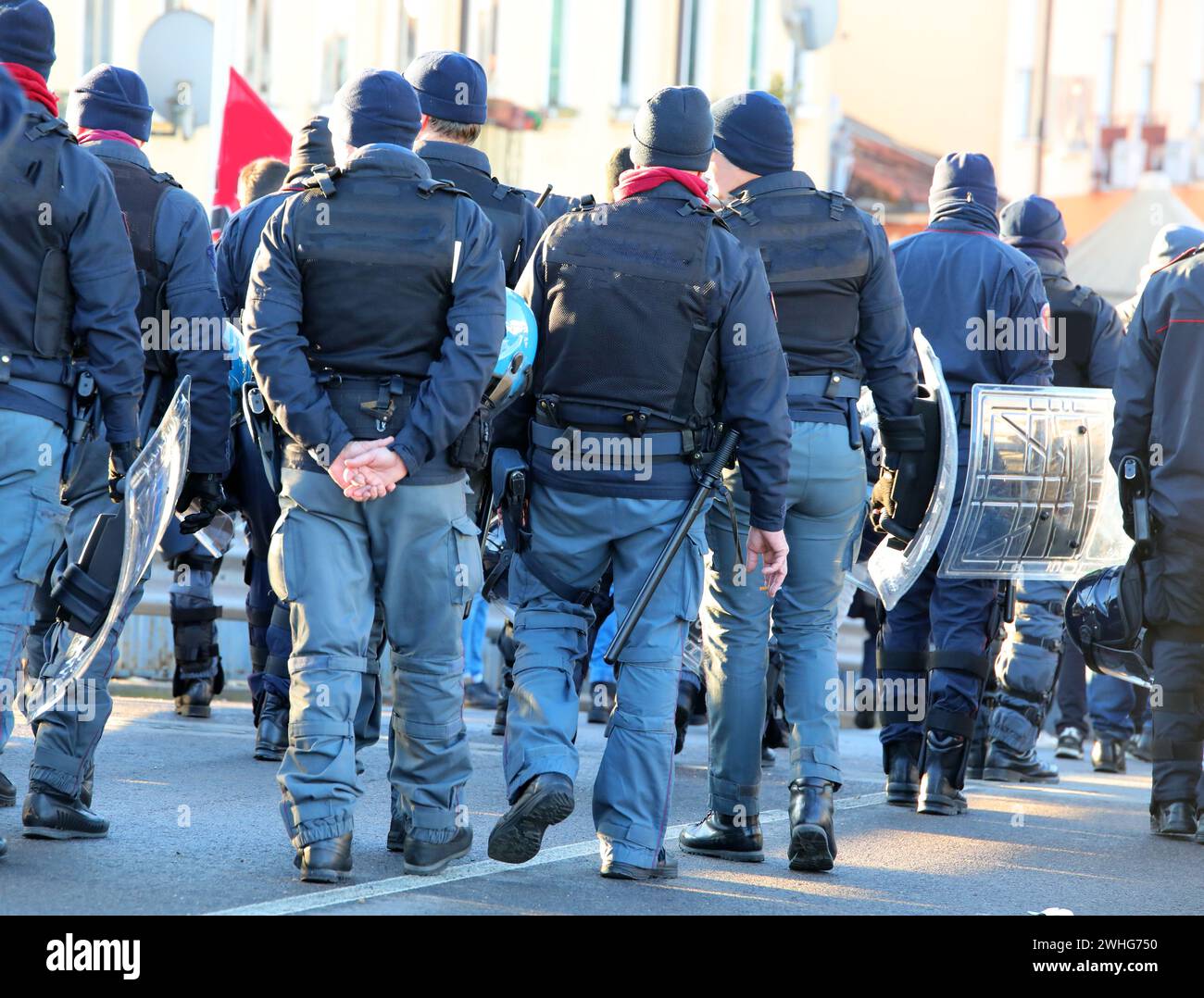
A protest gear checklist for every demonstration centers on personal safety, legal preparedness, and situational awareness. Essential items include high-visibility identification, basic medical supplies, hydration, weather-appropriate layers, and non-identifying, durable clothing. Preparing for a demonstration requires balancing the need for comfort and mobility with the necessity of protecting yourself against environmental factors, crowd dynamics, and unexpected interactions.
Understanding the Role of Preparation
Engaging in public protest is a fundamental expression of civic participation, but it carries inherent risks related to physical safety, exposure to elements, and legal interactions. Preparation is not merely about having the right equipment; it is about mitigating manageable risks before they escalate. A comprehensive approach involves assessing the nature of the protest, the expected duration, the geographic location, and the current legal environment.
By systematically organizing your gear, you reduce the cognitive load during high-stress situations. When you are prepared, you remain more observant of your surroundings, better able to assist others if necessary, and less likely to be hindered by preventable issues like dehydration or improper footwear.
Clothing: The First Line of Protection
Your attire acts as your primary barrier against the environment. The golden rule of protest wear is to prioritize functionality and durability over aesthetics.
- Footwear: Choose broken-in, closed-toe shoes with solid arch support. You will likely spend hours standing or walking on pavement. Avoid sandals, high heels, or thin-soled sneakers, which offer no protection against debris, accidental trampling, or long-term fatigue.
- Layering: Weather conditions can change rapidly. Utilize moisture-wicking base layers to manage perspiration and insulate against cold or heat. A light, neutral-colored outer layer is generally recommended to avoid standing out to law enforcement or opposing groups.
- Materials: Avoid synthetic fabrics that may melt or adhere to skin if exposed to chemical irritants or fire. Natural fibers like heavy cotton or wool are generally safer, though modern technical outdoor gear often incorporates flame-resistant synthetic blends.
- Identification: Remove or cover any clothing with distinctive logos, political slogans, or personal names that could be used to target or identify you later.
Personal Safety and Health Supplies
Staying healthy during a demonstration is essential for maintaining your composure and contributing to the collective safety of the group. Carry a small "go-bag" or heavy-duty backpack that remains comfortable for extended wear.
- Hydration: Bring more water than you expect to consume. Electrolyte replacement drinks or powder packets are superior to plain water during long, hot days, as they help prevent heat exhaustion and cramping.
- Nutrition: Carry calorie-dense, non-perishable snacks such as nuts, energy bars, or dried fruit. Avoid items that require extensive preparation or generate large amounts of trash.
- Medical Basics: A minimalist first-aid kit should include adhesive bandages, antiseptic wipes, sterile gauze, and medical tape. If you take prescription medication, ensure you have an extra dose stored in a labeled, waterproof container.
- Sun and Element Protection: High-SPF sunscreen, polarized sunglasses, and a wide-brimmed hat provide necessary protection from UV radiation. In colder climates, include hand warmers and a thermal blanket.
Tech and Communication Strategy
Modern protest environments rely heavily on digital coordination, but you must assume that your digital footprint can be tracked.
- Power Management: Carry a fully charged, high-capacity external power bank and a durable charging cable. A low battery is a liability when you need to contact family or navigate your way home.
- Digital Hygiene: If you choose to bring a mobile device, ensure it is encrypted. Use a strong passcode rather than biometric locks (face or fingerprint identification). Disable location services for non-essential apps and clear your cache before attending.
- Communication: Have a pre-agreed-upon meeting point for your group, as cellular service is frequently overwhelmed in large crowds. Carry a printed list of emergency contact numbers; do not rely solely on your phone's contact list.
Legal Preparedness
Understanding your rights is a critical component of protest safety. While laws vary significantly by jurisdiction, certain principles are broadly applicable in most democratic settings.
- Know Your Rights: Research the specific local ordinances regarding protests, public gathering permits, and the laws governing filming in public spaces.
- Emergency Contact: Write your primary emergency contact’s phone number in permanent marker on your inner forearm or a piece of tape affixed to your gear. This ensures that if you are separated from your belongings, you can still be identified and your contacts notified.
- Legal Aid: Research local organizations that provide legal observers or post-arrest support. Keep their contact information written down on a physical card in your wallet.
Comparative Overview of Gear Considerations
| Category | Recommended Item | Purpose |
|---|---|---|
| Footwear | Sturdy Hiking Boots | Ankle support and protection from debris. |
| Storage | Small Tactical Backpack | Secure carry for essentials without restricting movement. |
| Vision | Polarized Sunglasses | Eye protection from dust, pepper spray, or sun glare. |
| Security | Waterproof Document Sleeve | Keeps identification and emergency numbers dry/intact. |
| Hydration | Reusable 1L Water Bottle | Reliable fluid access; avoid glass containers. |
FAQ: Addressing Common Concerns
What should I do if I am exposed to chemical irritants? Do not rub your eyes or skin, as this can work the irritant deeper into your pores. Move to an area with fresh air and wait for the wind to clear the substance. Flush your skin with cool water and mild soap as soon as you safely leave the area. Avoid using heavy creams or oils, which can trap chemicals against the skin.
Is it safe to bring a camera or record video? Documenting events can be an important way to provide evidence or show support, but consider the privacy of fellow demonstrators. Use a device with high battery life and sufficient storage. Be aware that your recording device could be subject to seizure in certain legal environments, so back up your media frequently.
How can I manage group dynamics safely? Maintain a "buddy system." Never attend a demonstration alone. Assign a partner and ensure you both check in with each other regularly. If your group is large, establish a secondary communication channel that functions offline, such as walkie-talkies, though be aware these can be monitored.
What is the best way to handle interactions with law enforcement? Remain calm and keep your hands visible. You have the right to ask if you are being detained. If you are not under arrest, you generally have the right to leave. If you are being detained, clearly state that you do not consent to a search and that you wish to remain silent until you have legal representation.
Should I wear a mask? Masks serve multiple purposes, including protection against airborne pathogens, dust, and chemical irritants, as well as preserving anonymity. Check local regulations, as some jurisdictions have specific laws regarding "face coverings" during public assemblies. In 2026, many participants continue to wear masks for health and privacy, but ensure it does not obstruct your peripheral vision.
Final Recommendations for Action
Before heading to a demonstration, conduct a final "gear audit." Ensure your power bank is charged, your phone is locked down, and your emergency contacts are written on your body or a durable card. Most importantly, trust your intuition. If the atmosphere shifts from peaceful to volatile, move toward the periphery of the crowd and have an exit strategy ready. Your primary goal is to return home safely after your voice has been heard. Monitor local news and official social media feeds for real-time updates regarding the protest route or safety warnings throughout the day.