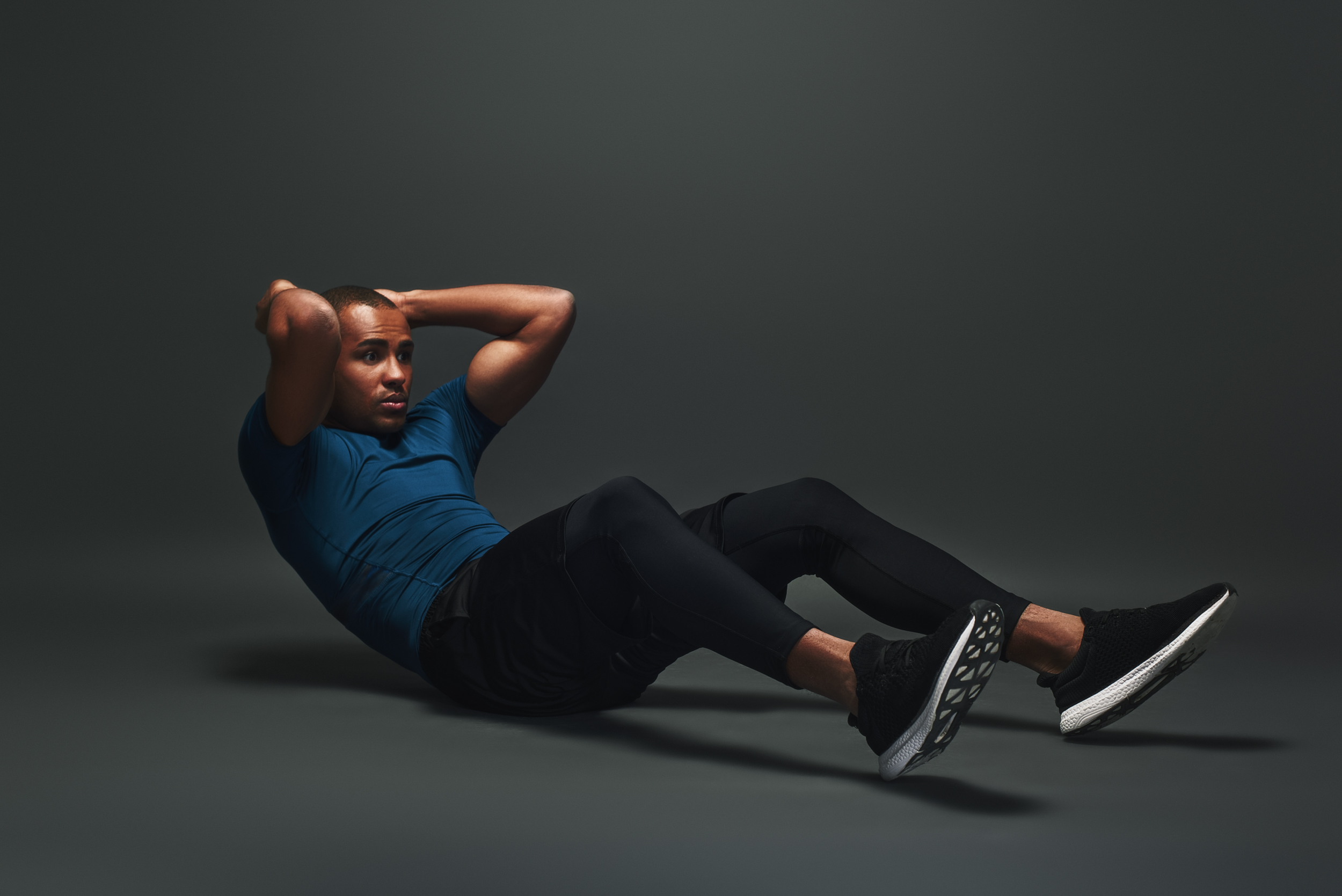
Planks are objectively worth the effort for most individuals because they offer a highly efficient, equipment-free method for building core endurance, improving posture, and stabilizing the spine. By prioritizing isometric tension over repetitive movement, they provide a foundational strength stimulus that minimizes joint shear force while maximizing muscle activation in the rectus abdominis, obliques, and transverse abdominis.
The Mechanics of the Plank
At its core, a plank is an isometric exercise. Unlike traditional crunches or sit-ups that rely on spinal flexion—a movement pattern that can lead to repetitive strain in the intervertebral discs over time—the plank requires the body to maintain a static, straight-line position. The objective is not to move, but to resist the force of gravity while preventing the lumbar spine from sagging or the pelvis from tilting.
When you hold a plank, your nervous system is tasked with recruiting multiple muscle groups simultaneously. This is known as co-contraction. Your abdominals, glutes, quads, and shoulders must fire in concert to create a "rigid cylinder" of tension. This rigidity is essential for spinal health, as it teaches the brain to stabilize the trunk before the limbs initiate movement in daily life.
Why Planks Deliver Results
The primary value of the plank lies in its functional carryover. Many gym-goers focus on "six-pack" muscles, often neglecting the deeper transverse abdominis, which acts as a natural corset for the spine.
- Spinal Protection: By strengthening the stabilizers around the vertebrae, planks can help reduce back pain associated with weak core musculature.
- Posture Correction: A plank forces the scapulae (shoulder blades) to stabilize against the ribcage. Frequent practice combats the "slumped" posture common with prolonged desk work by encouraging thoracic extension and cervical alignment.
- Efficiency: A high-quality plank routine requires zero equipment and minimal space. You can integrate this into a home workout, hotel room routine, or as a post-run finisher without needing a gym membership or specific apparatus.
- Metabolic Engagement: While a plank is not a primary cardiovascular exercise, holding a maximal contraction recruits a significant volume of muscle fibers. When performed for duration or in intervals, the increased demand for blood flow and stability elevates the metabolic cost of the movement.
Comparative Effectiveness: Planks vs. Dynamic Abdominal Exercises
To determine if planks are "worth it" compared to other methods, one must weigh the risk-to-reward ratio of different movement patterns.
| Exercise | Primary Action | Spinal Load | Best Used For |
|---|---|---|---|
| Plank | Isometric Hold | Low (Neutral) | Endurance and stability |
| Crunch | Spinal Flexion | Moderate (Repetitive) | Rectus abdominis isolation |
| Leg Raise | Hip Flexion | High (If arching occurs) | Lower abdominal control |
| Dead Bug | Controlled Motion | Low (Stable) | Core coordination |
The weakness of the plank is that it is essentially a "static" movement. While stability is vital, dynamic movement—where the core resists rotation or flexion while limbs move—is also necessary for athletic performance. Therefore, the plank is most "worth it" when used as a foundational block rather than the entirety of a core program.
Common Mistakes That Devalue the Plank
Many people conclude that planks are ineffective because they do not feel a "burn" or see aesthetic results. Often, this is due to improper execution. If you are holding a plank for three minutes but your hips are sagging toward the floor, you are likely putting stress on your lumbar spine rather than training your abdominals.
- Lumbar Sagging: This occurs when the hip flexors take over and the abdominals relax. It places excessive compression on the facets of the spine.
- Shoulder Shrugging: If the shoulder blades are winged or the traps are elevated, the tension is diverted from the core to the upper back and neck, leading to unnecessary fatigue in the wrong areas.
- Breath Holding (Valsalva): Holding your breath during a plank increases intra-abdominal pressure significantly. While some bracing is required, shallow, controlled breathing ensures the muscle fibers remain oxygenated and capable of sustaining the hold.
- Chin Tucking: Dropping the head or looking too far forward strains the cervical spine. The goal is to keep the ears aligned with the shoulders.
Establishing a Proper Routine
For the average individual, the goal should be quality over duration. Once you can hold a perfect plank for 60 seconds, increasing the time to five minutes provides diminishing returns. Instead of chasing a longer duration, look toward progression.
The Progressive Ladder:
- The Forearm Plank: Master the neutral spine while resting on the forearms. Keep the glutes squeezed to prevent the pelvis from rotating.
- The High Plank: Performed on the hands, similar to the top of a push-up. This requires greater scapular stability.
- The Weighted Plank: Place a small weight plate on the mid-back (ensure it is stable) to increase the demand for tension.
- The Long-Lever Plank: Move your elbows further forward, away from your shoulders. This increases the mechanical disadvantage, forcing the core to work significantly harder to maintain the same angle.
Integrating Planks for Longevity
If your intent is long-term health and injury prevention, the plank is a non-negotiable tool. It is a baseline test of core integrity. If you cannot maintain a stable, braced core under the minimal load of your own body weight, your ability to perform more complex lifts—like squats or deadlifts—or even daily tasks like lifting heavy groceries, is compromised.
However, consider the "worth" in the context of your lifestyle. If you suffer from pre-existing disc herniations or specific spinal conditions, you must consult a physical therapist before adopting isometric holds. In some clinical cases, the sustained pressure of a plank may be contraindicated until specific corrective movements are mastered.
Frequently Asked Questions
How long should I hold a plank for it to be effective? Most healthy adults benefit from 30 to 60 seconds of high-quality, braced tension. If you can hold a plank for longer than two minutes, you are likely moving into endurance training rather than strength or stability. At that stage, look to move toward more challenging variations like weighted or long-lever planks to continue seeing adaptations.
Will planks give me a six-pack? Planks build the abdominal wall, but they do not burn body fat specifically from the midsection. A visible "six-pack" is primarily a function of body fat percentage. Planks will increase the thickness and endurance of the muscles, but they must be paired with a comprehensive nutrition and exercise strategy to achieve visible definition.
Do planks hurt your back? Planks should not hurt your back. If you experience lower back pain during a plank, it is a technical failure. Your body is likely compensating for weak abdominals by over-arching the lumbar spine. Stop immediately, reset your pelvis into a posterior tilt (tucking your tailbone toward your heels), and engage your glutes. If pain persists, avoid the movement and seek professional guidance.
How often should I do planks? Because planks are relatively low-impact, they can be performed daily. However, as with any training, recovery is important. Incorporating them 3–4 times per week as part of a balanced core circuit is sufficient for most fitness goals. If you are doing intense core sessions, allow for rest days to ensure the muscle tissue can recover.
Are planks better than sit-ups? In terms of spinal health and functional stability, yes. Research consistently shows that repetitive spinal flexion—the hallmark of the sit-up—is less protective for the discs than isometric bracing. Planks train the muscles to do what they are evolutionarily designed for: protecting the spine against instability.
Final Recommendation
To maximize the value of planks, treat them as a "skill" rather than a chore. Do not view them as a way to "burn calories." Instead, view them as a foundational diagnostic and training tool. Start by performing three sets of 45 seconds with perfect form. Focus on "locking" your ribcage down, squeezing your glutes as hard as possible, and maintaining a straight line from your ears to your heels. If you find your form breaking down, stop. Perfection is the only standard that makes the plank worth your time.