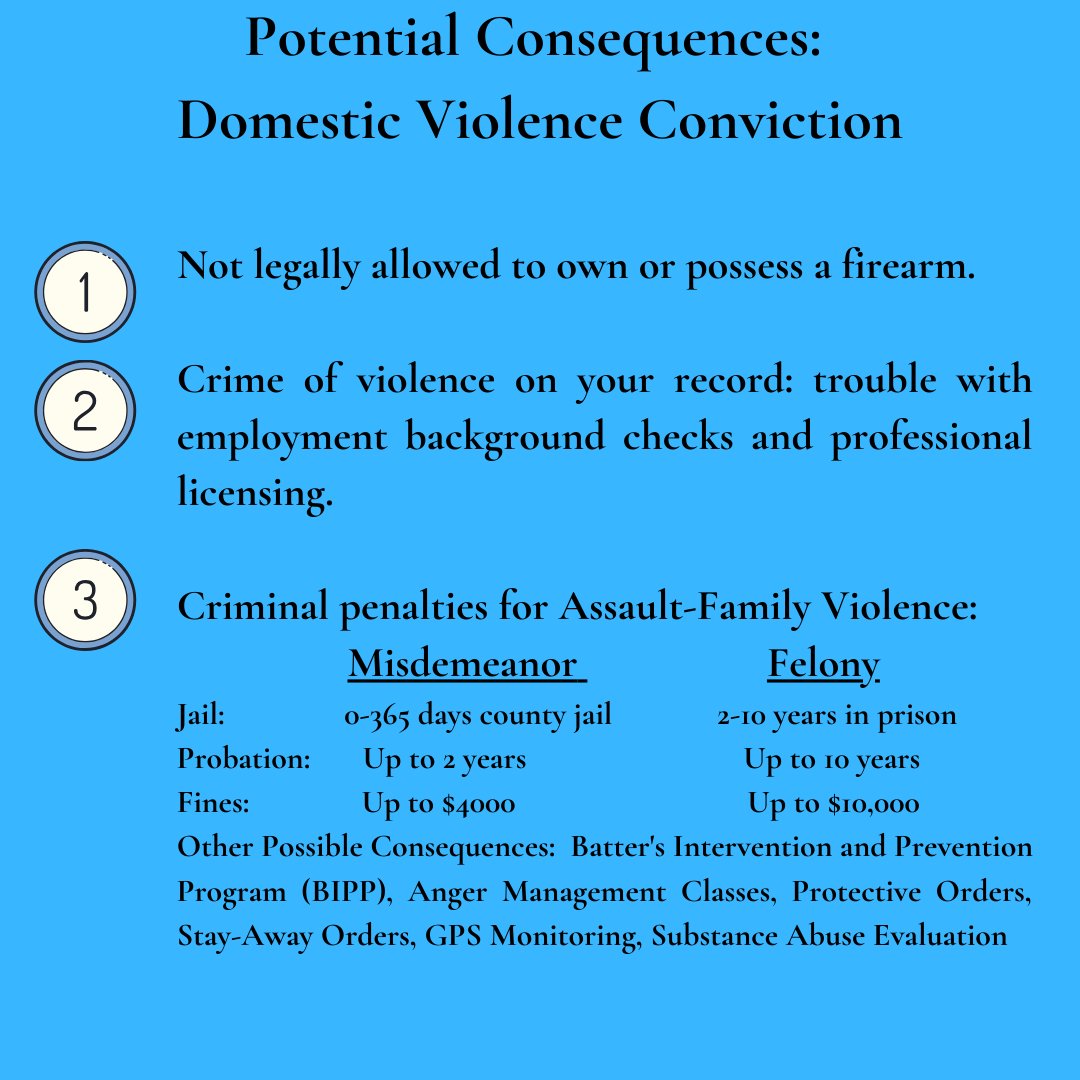
Facing allegations or the immediate fallout of domestic violence requires specialized legal intervention to protect constitutional rights, personal safety, and long-term futures. Whether an individual is navigating emergency protective orders, defending against criminal charges, or seeking safe separation through family court, retaining an attorney for domestic violence cases is essential for managing high-stakes legal procedures.
Domestic violence matters involve a complex intersection of criminal law, family law, and civil procedures. Because these cases often move rapidly—with emergency hearings and mandatory arrest policies triggering immediate legal consequences—securing qualified counsel ensures that a person's voice is accurately represented, statutory rights are upheld, and long-term collateral consequences are minimized.
Understanding the Legal Landscape of Domestic Violence
Domestic violence cases do not exist in a vacuum; they frequently bridge multiple court systems simultaneously. An understanding of how these legal frameworks operate clarifies why specialized counsel is necessary.
Criminal Versus Civil Proceedings
A single domestic incident can trigger two entirely separate legal actions:
- Criminal Prosecution: Initiated by the state or municipality, criminal charges (such as domestic battery, assault, or harassment) can lead to probation, mandatory counseling, or incarceration. The state prosecutes the case, meaning that even if an alleged victim wishes to drop charges, the prosecutor holds the ultimate authority to proceed.
- Civil Protection Orders (CPOs) / Restraining Orders: Handled in civil or family court, these orders dictate terms of contact, temporary housing, and sometimes child custody. Violating a civil protection order frequently constitutes a separate criminal offense.
The Role of Mandatory Arrest and No-Drop Policies
Law enforcement agencies in many jurisdictions adhere to mandatory arrest policies, meaning officers dispatched to a domestic disturbance call are required to make an arrest if they observe probable cause, regardless of whether the complainant recants. Similarly, prosecutors often enforce "no-drop" policies. An attorney for domestic violence cases understands how to navigate these strict institutional protocols, evaluate police reports for procedural errors, and advocate effectively within rigid prosecutorial environments.
When to Hire an Attorney for Domestic Violence Cases
The timing of legal representation can dramatically influence the trajectory of a case. Individuals require specialized counsel under several distinct circumstances.
For Defendants Facing Criminal Charges
When a person is accused of domestic violence, early intervention by defense counsel can alter the investigative phase before formal charges are filed. An experienced defense attorney can:
- Communicate with law enforcement and prosecutors on the client's behalf to prevent self-incrimination.
- Review evidence, body-worn camera footage, and 911 dispatch logs to identify inconsistencies or bias.
- Negotiate pre-filing diversion programs or secure reduced charges where appropriate.
For Petitioners Seeking Protection
Individuals seeking to escape abusive environments require legal guidance to secure enforceable protection orders. A petitioner's attorney helps gather contemporaneous documentation, medical records, and communication logs to present a compelling case to the judge during ex parte and evidentiary hearings.
For Family Law and Custody Complications
Domestic violence allegations deeply impact divorce proceedings and child custody determinations. Family courts prioritize the best interests of the child, and a substantiated finding of domestic abuse severely limits custody and visitation rights. Specialized counsel ensures that false allegations are challenged or that genuine safety risks are properly documented and addressed by the court.
Key Responsibilities of a Domestic Violence Attorney
Qualified legal practitioners perform a wide array of duties tailored to the sensitive nature of these disputes.
| Phase of Legal Process | Defense Attorney Responsibilities | Petitioner / Plaintiff Attorney Responsibilities |
|---|---|---|
| Initial Consultation & Intake | Assess arrest validity, identify constitutional violations, and establish immediate bail conditions. | Evaluate safety risks, compile incident history, and draft protection order petitions. |
| Discovery & Investigation | Subpoena witness statements, medical reports, and digital communications to counter allegations. | Organize corroborating evidence, police reports, and photographic proof of injuries or property damage. |
| Hearings & Negotiations | Argue against protective order restrictions or negotiate plea bargains with prosecutors. | Represent the petitioner in contested restraining order hearings and temporary custody motions. |
| Trial & Post-Trial | Conduct cross-examinations, present expert testimony, and handle appeals if necessary. | Ensure enforcement of final orders and manage subsequent contempt-of-court proceedings. |
Evaluating and Selecting Legal Counsel
Choosing the right attorney requires careful evaluation of their specific background, litigation style, and jurisdictional experience.
Assessing Relevant Experience
General practice attorneys may handle a wide spectrum of legal issues, but domestic violence law requires niche expertise. A qualified attorney should demonstrate:
- Substantial Trial Experience: Many domestic violence cases ultimately proceed to evidentiary hearings or trials where courtroom advocacy is vital.
- Familiarity with Local Courts: Understanding the tendencies of local judges, prosecutors, and family court commissioners provides a strategic advantage.
- Understanding of Collateral Consequences: Counsel must recognize how criminal convictions or permanent protection orders affect immigration status, professional licensing, and firearm ownership rights.
Questions to Ask During Initial Consultations
When interviewing prospective attorneys, clients should seek clarity on critical operational aspects:
- What percentage of your practice is dedicated to domestic violence or related criminal/family law?
- Have you handled cases involving similar factual allegations in this specific jurisdiction?
- Who will be handling the day-to-day management of my case?
- What is your fee structure (retainer vs. flat fee), and what additional costs (such as expert witnesses or investigators) should I anticipate?
Strategic Defenses and Challenges in Domestic Violence Litigation
Every case involves unique factual matrices. Attorneys analyze several standard legal arguments and evidentiary challenges depending on their client's position.
Self-Defense and Defense of Others
In criminal defense scenarios, establishing that a client acted in self-defense is a recognized legal justification. This requires demonstrating that the client reasonably believed they were in imminent danger of unlawful bodily harm and used proportional force to repel the threat. Attorneys work to secure surveillance footage, witness accounts, and medical evidence verifying defensive injuries sustained by the accused.
False Allegations and Motive
Unfortunately, domestic violence accusations are sometimes weaponized during high-conflict divorces or custody battles to gain leverage. Proving fabrication requires meticulous scrutiny of timeline inconsistencies, digital communications, and witness credibility. An attorney must handle these delicate defense strategies carefully to avoid appearing dismissive of genuine abuse while aggressively protecting a falsely accused client's rights.
Frequently Asked Questions
Can an alleged victim drop domestic violence charges?
No. In criminal cases, the decision to prosecute rests entirely with the state prosecutor, not the alleged victim. While a victim's reluctance to cooperate can make securing a conviction more difficult for the state, prosecutors can and do proceed using 911 audio, police bodycam footage, and independent medical reports.
What happens if a temporary protection order is violated?
Violating a civil protection order or a criminal restraining order is a serious offense, often resulting in immediate arrest and new criminal misdemeanor or felony charges. Penalties frequently include mandatory jail time and fines, making strict compliance paramount regardless of whether the protected party attempts to initiate contact.
How do domestic violence convictions affect child custody?
Most state family laws establish rebuttable presumptions against awarding joint or sole custody to a parent with a documented history of domestic violence. Courts may mandate supervised visitation or require completion of batterer intervention programs before modifying custody parameters.
Are public defenders available for domestic violence charges?
Yes. Individuals facing criminal domestic violence charges who financially qualify are entitled to appointed public defenders. For civil matters such as protection order hearings or divorce proceedings, appointment of counsel is rare, though legal aid organizations often provide resources or representation to qualifying low-income petitioners.
What should I do immediately if I am served with a restraining order?
Comply with the terms of the order immediately—even if you believe the allegations are false—to avoid additional criminal charges. Contact a qualified attorney immediately to prepare for the upcoming return hearing where you can contest the permanent terms of the order.
Next Steps and Professional Guidance
Navigating domestic violence litigation demands immediate, calculated action and professional support. Individuals facing criminal accusations or seeking safe legal separation should promptly consult with a licensed attorney practicing within their local jurisdiction.
Legal Disclaimer: The information provided in this article is for educational purposes only and does not constitute formal legal advice. Laws governing domestic violence, criminal defense, and family law vary significantly by jurisdiction. Readers should consult with a qualified attorney licensed in their state to address specific legal circumstances.