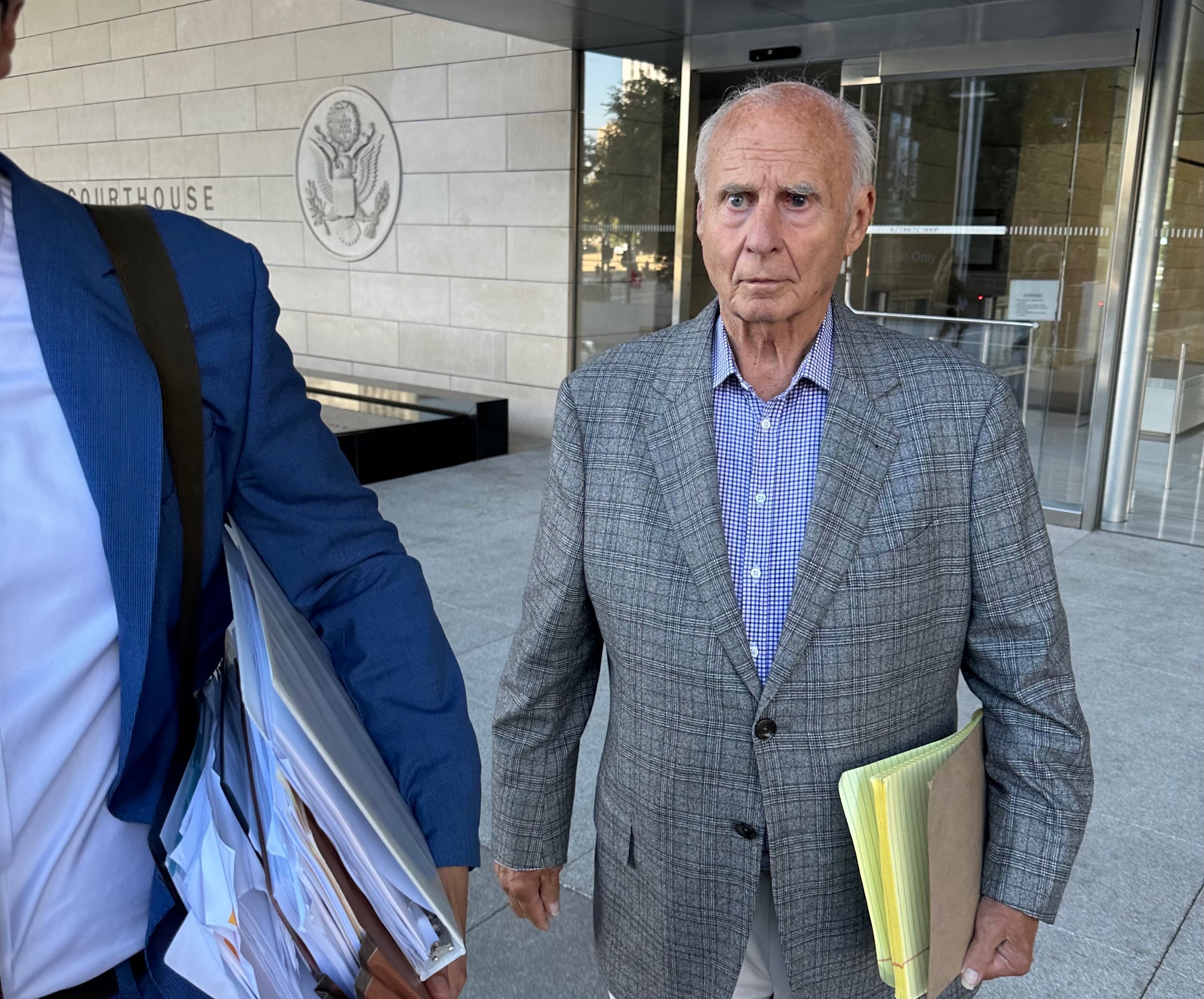
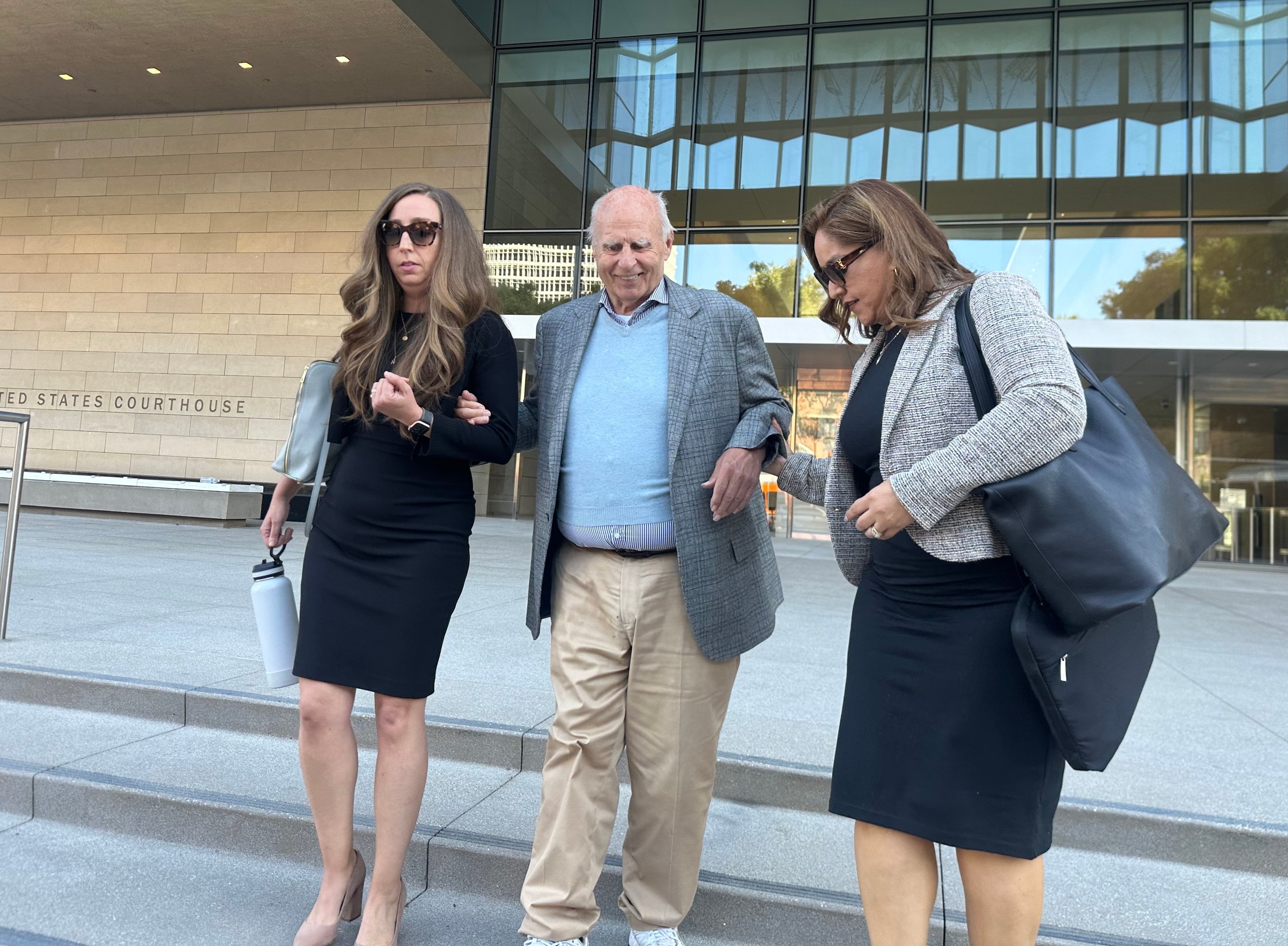
Thomas Girardi, once a titan of the American legal profession and a fixture of high-society Hollywood, experienced a dramatic downfall that culminated in his criminal conviction and incarceration. His journey reflects a stark trajectory from securing massive multi-million dollar class-action settlements to facing federal charges of wire fraud, ultimately resulting in his confinement within the federal prison system. This transition represents one of the most significant professional collapses in modern legal history, highlighting the intersection of celebrity culture, financial misconduct, and the stringent accountability of the justice system.
The Rise of a Legal Powerhouse
For decades, Thomas Girardi was synonymous with high-stakes litigation in California. As a founding partner of Girardi & Keese, a prominent Los Angeles law firm, he cultivated a reputation as a fierce advocate for plaintiffs against major corporations. He achieved national fame for his role in the litigation against Pacific Gas & Electric—a case that served as the basis for the popular 2000 film Erin Brockovich.
During his tenure as a powerhouse attorney, Girardi operated at the highest levels of influence. He possessed a vast network of connections within political, judicial, and entertainment circles. His lifestyle, often showcased in media appearances and social registers, reflected the extreme success he enjoyed. He was seen as a man who could navigate complex regulatory landscapes and deliver results that seemed unattainable to his peers. This professional aura contributed to the trust placed in him by thousands of clients, many of whom were victims of catastrophic injuries or environmental harm.
The Unraveling of the Firm
The transition from esteemed advocate to disgraced defendant began in earnest as reports surfaced regarding missing client funds. The structure of the Girardi & Keese firm was built on the management of massive settlement funds, which were to be distributed to clients after the conclusion of litigation. Regulatory bodies and plaintiffs’ attorneys began uncovering evidence that these funds were being diverted to maintain an extravagant lifestyle and to cover the operating costs of the firm’s increasingly unsustainable business model.
The collapse was characterized by a series of legal actions, including disbarment proceedings and involuntary bankruptcy petitions filed by creditors who alleged that millions of dollars in settlement payouts had vanished. The scale of the financial improprieties was staggering, involving not just single instances of mismanagement but a systematic pattern of deception that spanned several years. The loss of credibility was absolute, leading to the dissolution of the firm that had defined his career.
Criminal Charges and Prosecution
In 2023 and 2024, the federal government pursued a comprehensive criminal case against Girardi. The primary charges centered on wire fraud, alleging that he embezzled at least $15 million from his clients’ settlements. The federal prosecution, led by the United States Attorney’s Office for the Central District of California, presented a meticulous reconstruction of the financial movements that demonstrated how client money was redirected to pay personal debts, luxury expenditures, and the overhead of his legal practice.
The legal proceedings were marked by complex deliberations regarding his competency to stand trial. Defense counsel argued for years that Girardi suffered from declining cognitive health, specifically Alzheimer's disease. The court required extensive evaluations to determine if he could assist in his own defense. Ultimately, the judiciary found him competent, allowing the trial to proceed and ensuring that the victims of his fraud had the opportunity to witness the legal process address the misappropriation of their settlements.
The Reality of Incarceration
Following his conviction, Thomas Girardi was sentenced to federal prison. The transition from the corridors of high-end law offices to the confinement of a federal correctional institution marks the final phase of his legal saga. Unlike his former life in Hollywood, life within the Bureau of Prisons is governed by strict schedules, limited movement, and standard institutional conditions.
The sentencing process took into account the gravity of the financial harm inflicted upon the victims, many of whom were vulnerable individuals depending on their settlements for medical care and basic survival. The court emphasized that the breach of fiduciary duty by an attorney of his stature warranted a significant term of imprisonment, serving as both punishment and a deterrent for legal professionals entrusted with the assets of their clients.
Comparison of Professional Trajectory
| Phase | Operational Status | Financial Context | Social Standing |
|---|---|---|---|
| Peak Career | Managing Partner | Multi-million dollar revenue | High-profile socialite |
| Investigation | Involuntary Bankruptcy | Liquidation of assets | Public scrutiny |
| Conviction | Disbarred Attorney | Court-ordered restitution | Legal defendant |
| Incarceration | Federal Inmate | Asset seizure for debts | Institutional confinement |
Impact on Legal Ethics and Professional Oversight
The Girardi case has prompted a significant re-evaluation of how legal firms are audited and how client trust accounts are monitored. The legal profession relies heavily on self-regulation, but critics argue that the Girardi case demonstrates the need for more robust, external oversight of attorney-client trust accounts. Bar associations in multiple states are currently reviewing their disciplinary procedures to ensure that signs of financial malfeasance are identified earlier in the process, rather than after catastrophic losses have occurred.
The impact extends to the public perception of the legal system. When a figure as prominent as Girardi is found to have engaged in fraud, it erodes the confidence that the public holds in the fiduciary relationship between lawyers and their clients. The legal community is now tasked with reconciling the legacy of a man who fought for the rights of the injured while simultaneously stripping those same people of their financial security.
Frequently Asked Questions
What were the specific charges that led to the imprisonment of Thomas Girardi?
Thomas Girardi was convicted of multiple counts of wire fraud. These charges were brought based on evidence that he had misappropriated millions of dollars in settlement funds that were legally earmarked for his clients. He used these funds to pay firm expenses and personal obligations rather than distributing the money to those who had won the lawsuits.
How did the court resolve the issue of his cognitive health during the trial?
The court conducted several evidentiary hearings involving expert testimony from medical professionals. While the defense maintained that he suffered from severe cognitive impairment, the prosecution presented evidence regarding his ability to understand the proceedings. The judge ultimately ruled that he was mentally competent to stand trial, noting that he was capable of participating in his defense and understanding the nature of the charges against him.
What is the current status of the victims who were defrauded?
The legal process is ongoing regarding the restitution of the stolen funds. Through the bankruptcy proceedings of Girardi & Keese, a trustee has been working to liquidate the firm’s remaining assets to satisfy the claims of the victims. However, recovering the full amount is complex, as the financial records indicated significant dissipation of assets over many years.
How does the imprisonment of a high-profile attorney affect the legal profession?
The case has sparked a national debate regarding the oversight of attorney trust accounts. Many state bar associations are now considering stricter requirements for reporting and auditing these accounts to prevent similar incidents. The case serves as a cautionary tale for attorneys regarding the severe legal and personal consequences of violating fiduciary duties.
Moving Forward: Lessons for the Legal System
The story of Thomas Girardi, from his zenith in Hollywood to his incarceration in federal prison, serves as a sobering reminder of the importance of financial transparency in the legal profession. As the justice system continues to work through the restitution process for his victims, the broader legal community is left to process the implications of such a high-profile betrayal of trust. The focus in the coming years will remain on reform, ensuring that the necessary checks and balances exist to protect vulnerable clients from the risk of professional misconduct.
Next actions for those concerned with legal accountability include monitoring the updates from the State Bar of California regarding new trust account regulations and tracking the progress of the bankruptcy trustee in distributing recovered assets to the verified victims of the Girardi & Keese firm.