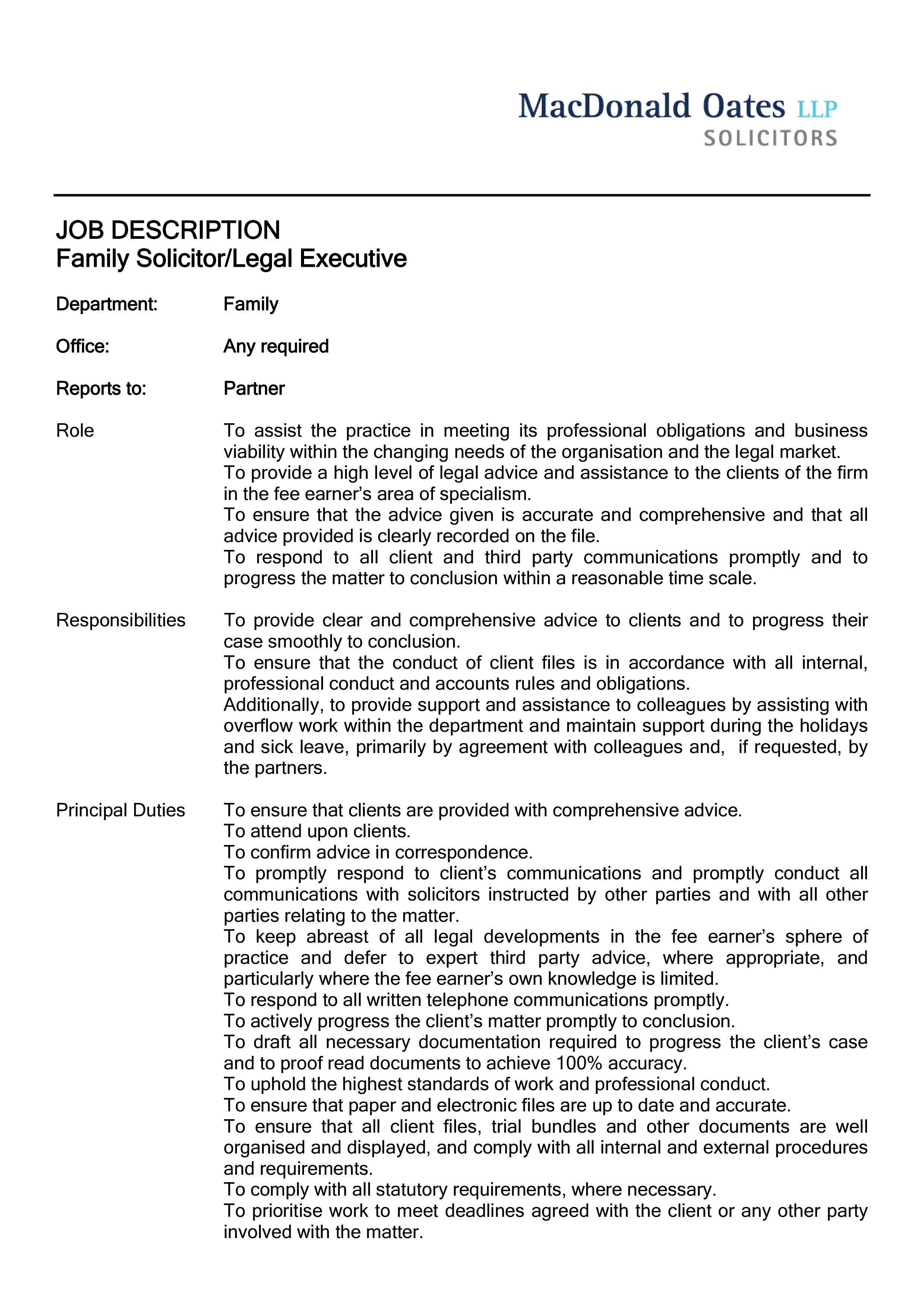
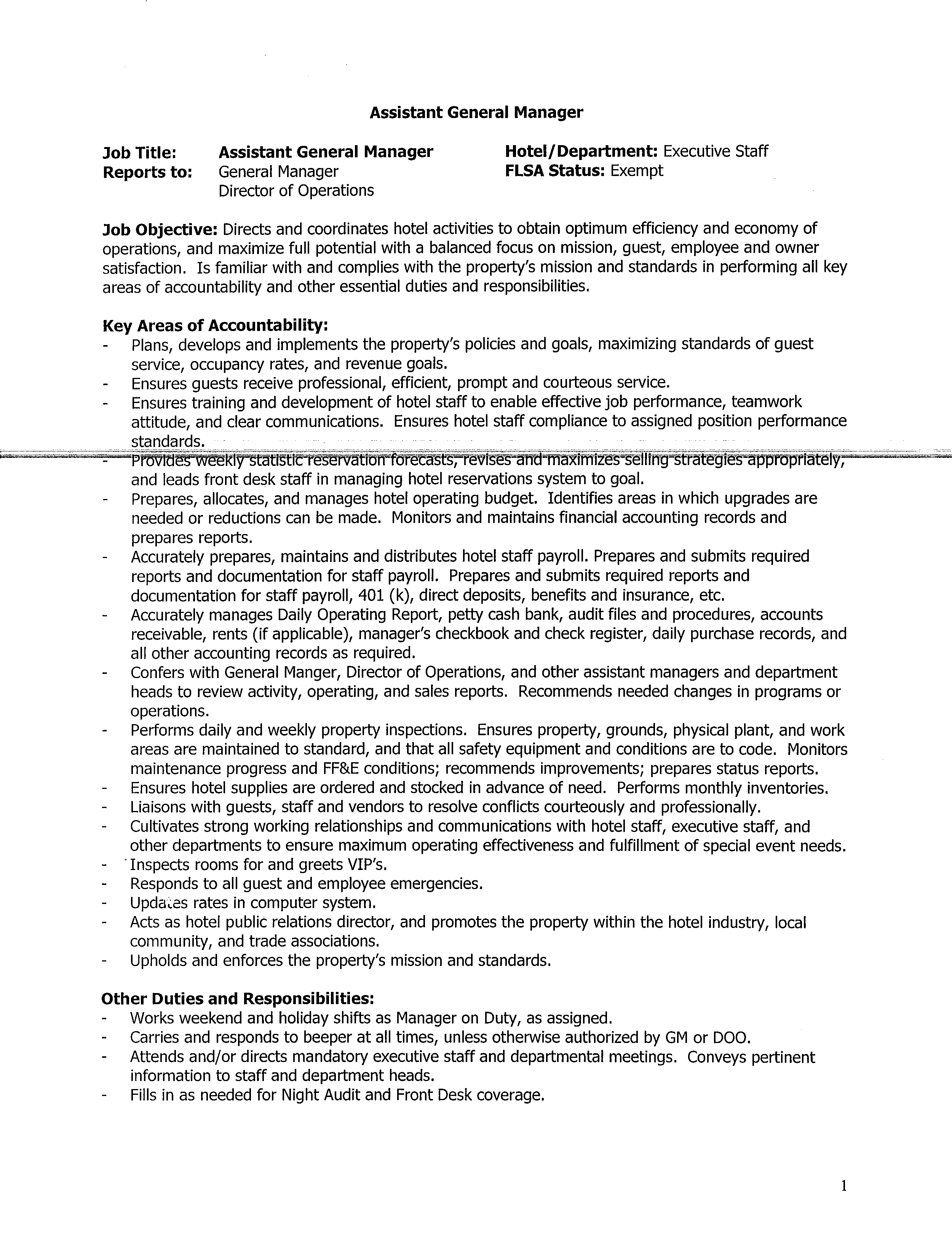
The office of the Attorney General is a multifaceted position acting as the primary legal advisor to a government entity and the chief law enforcement officer of their jurisdiction. Beyond the public perception of high-profile litigation and media appearances, the role entails managing massive administrative departments, overseeing civil and criminal investigations, and setting policy priorities that impact public safety, consumer rights, and constitutional law.
The Dual Nature of the Attorney General Role
To understand what the job really entails, one must look past the headlines and into the structural reality of the office. An Attorney General (AG) functions in two distinct capacities: as the chief legal counsel for the government and as the highest-ranking law enforcement official.
As the government’s lawyer, the AG provides formal opinions to other executive officials and agencies. They ensure that government actions comply with state or federal statutes and the constitution. When the government is sued, the Attorney General’s office serves as the defense. This creates a fascinating tension; the AG must remain objective enough to uphold the rule of law while simultaneously serving the legal interests of their client—the government itself.
As the chief law enforcement officer, the AG has the authority to prosecute crimes, often specializing in complex matters like white-collar crime, organized crime, or public corruption that local district attorneys may lack the resources to handle. They also oversee bureaus of investigation, consumer protection units, and civil rights divisions. This dual role requires the AG to balance political pressures with professional legal ethics, making it one of the most complex legal positions in public service.
Core Responsibilities and Administrative Scope
The administrative burden of the position is often underestimated. An Attorney General is not merely a courtroom attorney; they are a department head responsible for thousands of employees, including assistant attorneys general, investigators, forensic experts, and administrative staff.
Civil Litigation and Consumer Protection
A substantial portion of the office's workload involves civil litigation. This includes representing the state in environmental disputes, labor regulation enforcement, and healthcare fraud. Consumer protection is a significant sub-department within most AG offices. They investigate deceptive trade practices, predatory lending, and privacy violations. In 2026, as technology evolves, these divisions are increasingly focused on digital data privacy and algorithmic bias in consumer goods.
Criminal Prosecution and Appellate Oversight
While local district attorneys handle the majority of day-to-day criminal prosecutions, the Attorney General holds specific criminal jurisdiction. This often involves:
- Multi-jurisdictional crime: Targeting drug trafficking rings or cybercrime networks that span multiple cities or counties.
- Appellate work: Handling criminal appeals to ensure that convictions obtained at the trial level hold up under constitutional scrutiny.
- Special prosecutions: Serving as a prosecutor in cases where a local official or a police officer is accused of wrongdoing, removing the conflict of interest that might exist at a local level.
Legislative Influence
The AG plays a critical role in the legislative process. By drafting bills, advising governors or legislatures on the legal implications of proposed statutes, and defending enacted laws against court challenges, the Attorney General shapes the regulatory environment. Their office is often the first to interpret how a new law will be enforced, effectively setting the tone for compliance across the state.
Comparison of Responsibilities: State vs. Federal
The scope of an Attorney General’s work varies significantly depending on whether the role is at the state level or the federal level (the United States Attorney General). While the underlying philosophy of the office remains the same, the scale and interaction with other branches of government differ drastically.
| Feature | State Attorney General | United States Attorney General |
|---|---|---|
| Primary Client | The state government and public | The Federal Government |
| Chief Appointment | Often popularly elected | Appointed by President, confirmed by Senate |
| Law Enforcement | Focus on state statutes/police | Focus on federal crimes/FBI oversight |
| Court Presence | State trial and supreme courts | U.S. Supreme Court and District Courts |
| Policy Influence | State-level consumer/environmental | National justice and foreign policy |
Prerequisites and Path to the Office
The road to becoming an Attorney General is rarely linear, though it typically follows a pattern of high-level legal experience. Because the role is essentially the top lawyer for a government, the qualifications are rigorous.
Educational and Legal Requirements
At a minimum, an Attorney General must hold a Juris Doctor (J.D.) degree from an accredited law school and maintain an active license to practice law within the relevant jurisdiction. While state constitutions or federal statutes do not always explicitly state that an AG must be a lawyer, it is an absolute professional requirement in practice to manage the office's litigation functions.
Experience Pathways
Most individuals who reach this office have spent decades in legal practice. Common career paths include:
- Prosecutorial Experience: Serving as a District Attorney or a federal prosecutor provides the necessary background in criminal law and investigative procedures.
- Private Practice: Successful trial lawyers often bring the litigation prowess required to manage large-scale civil suits on behalf of the state.
- Public Service/Judiciary: Serving in state legislatures, as a judge, or in high-ranking administrative roles within the Department of Justice offers the policy experience needed to navigate government bureaucracy.
Navigating the Political and Professional Challenges
The Attorney General’s role is uniquely situated at the intersection of law and politics. Unlike a judge, who is ethically bound to remain detached, the AG is often an elected official with a platform. This creates a continuous challenge: maintaining the integrity of the office as an arbiter of the law while fulfilling the promises made to the constituency that elected them.
The most common point of conflict is "legal opinion." An AG may be asked to issue an opinion on a controversial matter. If the AG’s legal interpretation conflicts with the political agenda of the governing executive or the legislative majority, it can lead to public friction and institutional gridlock. Managing these relationships requires not only legal acumen but also high-level diplomacy.
Furthermore, the office is often the face of "culture war" litigation. In recent years, Attorneys General have become the primary legal actors in constitutional battles regarding reproductive rights, election procedures, and immigration policy. Understanding this reality is essential for anyone seeking to understand the position; it is a role that requires a thick skin and a deep commitment to the specific legal philosophy of the officeholder.
Frequently Asked Questions
Is the Attorney General the same as the District Attorney?
No. A District Attorney (DA) operates at the local county level and focuses primarily on prosecuting crimes within that specific jurisdiction. An Attorney General operates at the state or federal level, overseeing a broader range of civil and criminal responsibilities, and acts as the chief legal counsel for the entire government entity.
Can an Attorney General prosecute any crime they want?
Not entirely. Their authority is defined by state or federal statute. While they have broad discretion to initiate investigations and prosecutions, they must operate within the legal frameworks and budgetary allocations provided by the legislature. They cannot override laws, though they can exercise "prosecutorial discretion" in deciding which cases to prioritize based on the public interest.
Do Attorneys General have to be lawyers?
While some jurisdictions have very loose statutory requirements, the nature of the work—representing the government in court, issuing binding legal opinions, and managing a staff of attorneys—makes a law degree and bar admission a practical necessity. It is virtually unheard of to hold this office without being a practicing, licensed attorney.
What is an "Attorney General Opinion"?
An AG Opinion is a formal, written statement issued by the office in response to a request from a public official (such as a governor or legislator). While these opinions do not have the force of law in the same way a court ruling does, they are considered "persuasive authority" and often guide the actions of government agencies until a court decides otherwise.
How does the Attorney General manage conflicts of interest?
If a case involves a state agency that the AG also represents, they may set up a "Chinese wall" or firewall within the office, or assign a special counsel to handle the matter independently. In extreme cases of conflict, the AG may recuse themselves and request the appointment of a special prosecutor to ensure the investigation remains unbiased.
Next Steps for Legal Professionals
For those considering a career path toward the Attorney General’s office, the focus should be on building a reputation for ethical, high-stakes litigation and public service. Engage in public policy discussions, build a robust professional network within the legal community, and seek roles that provide exposure to administrative law and executive-level decision-making. Whether through election or appointment, the role requires a synthesis of rigorous legal scholarship and the ability to manage the immense power of the state’s legal apparatus.