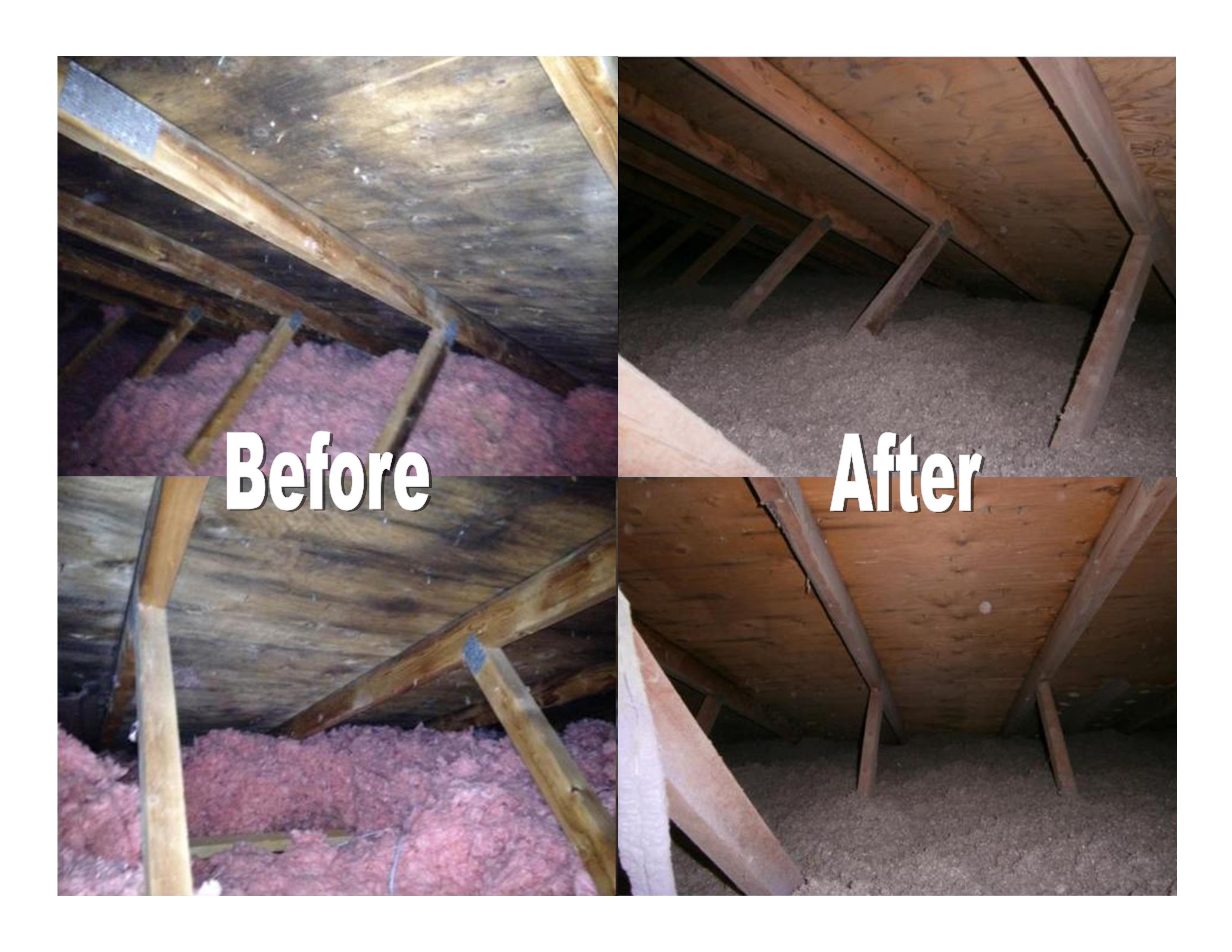
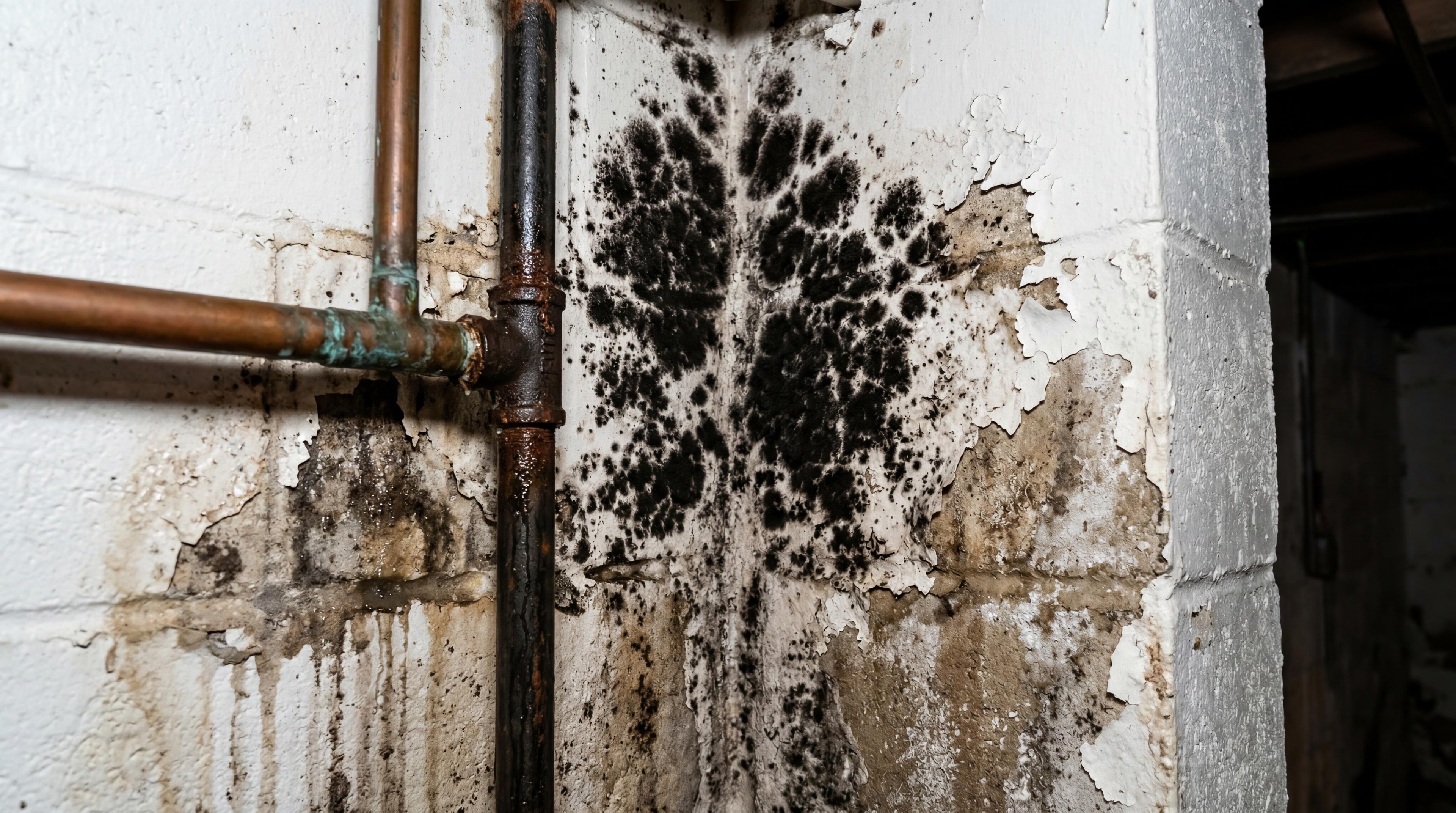
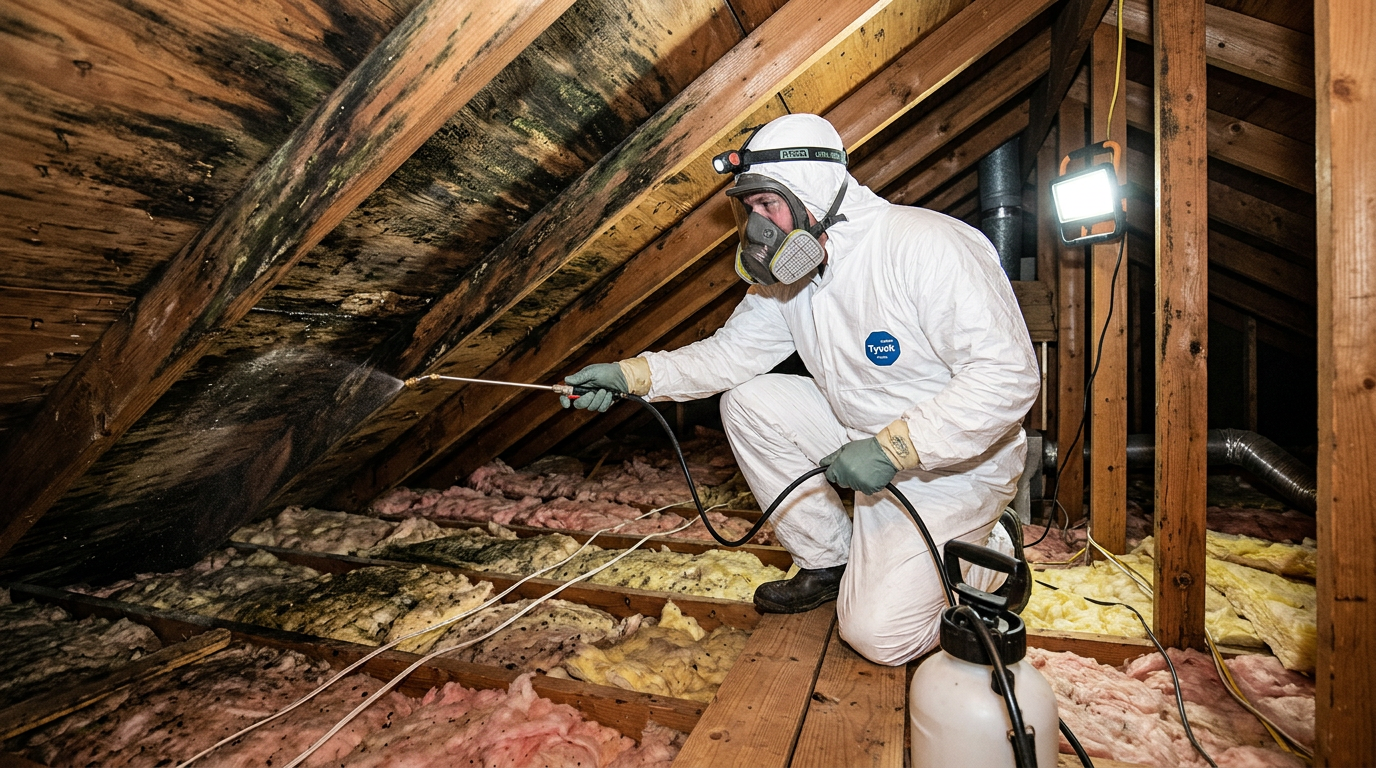
Attic mold remediation in New Jersey involves identifying the source of moisture, safely removing fungal growth from structural members, and implementing ventilation improvements to prevent recurrence. Because New Jersey’s climate features high seasonal humidity and temperature fluctuations, effective remediation requires a professional, systematic approach that addresses both the existing mold colonies and the underlying environmental conditions.
Understanding the New Jersey Attic Environment
New Jersey presents a unique set of environmental challenges for homeowners. With a humid continental climate, the state experiences significant shifts in moisture levels throughout the year. Attics are particularly susceptible to mold growth because they are often the first area in a home where condensation occurs. During winter, warm, moist air from the living space leaks into the attic through bypasses in the ceiling; when this air hits the cold roof sheathing, it condenses into water, creating the ideal environment for mold spores—which are naturally present everywhere—to colonize wood framing and plywood.
In the summer, high outdoor humidity combined with poor attic ventilation can cause moisture to become trapped. For New Jersey residents, this is not merely a surface cleaning issue; it is a building science challenge. Remediation in this region must account for the specific construction styles prevalent in the area, such as older Victorian homes with poor insulation or modern developments where inadequate soffit venting is common.
Assessing the Extent of the Problem
Before beginning any remediation, a thorough assessment is required. Mold in an attic is usually a symptom of an underlying moisture issue. Homeowners should look for the following indicators:
- Discoloration: Dark, fuzzy, or blotchy spots on the underside of the roof deck or rafters.
- Musty Odors: A stale, earthy smell emanating from the attic access point.
- Structural Damage: Soft or crumbling wood, which indicates deep rot resulting from long-term moisture exposure.
- Frost buildup: During cold New Jersey winters, heavy frost on the roof deck is a clear sign that moisture is escaping from the house and condensing on the underside of the roof.
Professional inspectors in New Jersey often utilize moisture meters, hygrometers, and thermal imaging cameras to determine the exact moisture content of the wood. If wood moisture content is consistently above 16–20%, the environment remains hospitable to mold, making physical removal insufficient unless the moisture source is corrected.
The Remediation Process
Professional attic mold remediation in New Jersey follows a standardized, multi-step process designed to protect the home's occupants and ensure the removal of the fungal contaminants.
1. Containment and Safety
Mold spores are easily disturbed and can migrate to the living quarters of the home during the cleaning process. Technicians use heavy-duty plastic sheeting to seal off the attic hatch or pull-down stairs. Workers should wear personal protective equipment (PPE), including N-95 or P-100 respirators, disposable coveralls, and gloves, to prevent inhalation and cross-contamination.
2. Moisture Source Correction
Remediation is futile if the moisture source remains. In New Jersey attics, this usually involves:
- Sealing Air Bypasses: Identifying gaps around plumbing stacks, electrical wires, and recessed lighting fixtures that allow warm, moist air into the attic.
- Insulation Upgrades: Ensuring that attic insulation is properly installed and not blocking soffit vents.
- Ventilation Adjustment: Installing or upgrading ridge vents, gable vents, or soffit baffles to ensure a continuous flow of air from the eaves to the peak.
3. Physical Removal and Treatment
Technicians typically remove mold via specialized methods depending on the severity of the growth:
- HEPA Vacuuming: Capturing loose spores from surfaces.
- Abrasive Cleaning: Using wire brushes, sanding, or media blasting (such as dry ice or soda blasting) to physically remove mold from structural wood.
- Antimicrobial Application: Applying an EPA-registered fungicide or encapsulant to the wood to kill residual spores and provide a protective barrier against future growth.
Comparison of Common Remediation Techniques
| Technique | Best For | Pros | Cons |
|---|---|---|---|
| HEPA Vacuuming | Light surface mold | Non-invasive, quick | Does not remove stains |
| Media Blasting | Severe, deep-set growth | Highly effective on wood | Messy, requires containment |
| Manual Scrubbing | Accessible surface mold | Low equipment cost | Labor intensive, slow |
| Encapsulation | Prevention post-cleaning | Inhibits regrowth | Does not remove existing mold |
The Importance of Professional Remediation in New Jersey
While some homeowners may be tempted to handle small patches of mold themselves, attic environments present significant hazards. Working in tight, poorly ventilated spaces filled with fiberglass insulation is physically demanding and poses respiratory risks. Furthermore, professional mold remediation companies in New Jersey are often certified by organizations such as the IICRC (Institute of Inspection Cleaning and Restoration Certification).
These professionals understand local building codes. In New Jersey, certain towns may have specific requirements regarding home improvements that affect structural components or insulation levels. Professionals also carry specialized liability insurance, which is critical if the mold removal involves structural repair or significant disturbance of the attic's integrity.
Preventing Future Growth
After the remediation is complete, the focus must shift to long-term prevention. In the New Jersey climate, maintaining the "dry-attic" standard is a continuous effort:
- Check Exhaust Vents: Ensure that bathroom fans, kitchen hoods, and clothes dryers are vented directly to the outside, not into the attic. This is a common violation found in New Jersey home inspections.
- Monitor Insulation Levels: As houses settle, insulation may shift. Ensure that the attic floor is consistently covered to prevent heat loss from the rooms below.
- Routine Inspections: Inspect the attic at least twice a year—once before winter and once during the spring—to check for signs of moisture, pests, or new mold colonies.
- Hygrometer Monitoring: Use a wireless hygrometer in the attic to monitor relative humidity. In the summer, if the humidity stays above 60% for extended periods, it may indicate a need for improved mechanical ventilation.
Frequently Asked Questions
Is a mold test necessary before remediation? Usually, no. If visible mold is present in the attic, the existence of a problem is confirmed. Testing is typically reserved for instances where the source is hidden (e.g., behind drywall or insulation) or if an occupant is experiencing health symptoms and needs to identify the specific type of mold.
Does homeowners insurance cover attic mold remediation in New Jersey? Coverage depends heavily on the cause of the mold. If the mold resulted from a sudden, accidental event like a roof leak or a burst pipe, it may be covered. If the mold resulted from long-term neglect, poor ventilation, or gradual condensation, it is typically excluded from standard homeowners insurance policies.
What is the difference between mold removal and mold remediation? "Removal" implies the physical extraction of the substance. "Remediation" is the broader industry term that includes containment, physical removal, and—crucially—the correction of the moisture source to prevent the mold from returning.
Can I just paint over the mold? Painting over mold is highly discouraged. Paint creates a surface layer that may trap moisture behind it, potentially accelerating wood rot. Proper remediation requires cleaning the surface down to the substrate and using specialized antimicrobial coatings specifically designed for porous surfaces like wood.
Is it safe to stay in the house during remediation? Generally, yes. Professional remediation services use negative air pressure and containment barriers to ensure that spores do not migrate to the living areas. However, individuals with severe respiratory conditions or compromised immune systems should consult with a professional regarding the safety of remaining in the home during the process.
Next Steps for Homeowners
If you identify mold in your attic, the first step is to contact a licensed professional for a formal assessment. Do not attempt to scrub or disturb the mold yourself, as this can release spores into the home's air supply. Collect photos of the growth, identify any known roof leaks, and prepare a list of recent home improvements for the inspector. Prioritize finding a contractor who offers a clear, multi-step plan that includes both remediation and source correction to ensure your attic remains dry and clean throughout the changing New Jersey seasons.