Navigating a workers' compensation claim for repetitive motion injuries requires specialized legal guidance to prove that your condition is work-related rather than a result of daily living. An experienced attorney helps bridge the gap between complex medical documentation and legal eligibility, ensuring you receive the necessary benefits for medical treatment, wage loss, and potential permanent impairment.
The Nature of Repetitive Motion Injuries in the Workplace
Repetitive motion injuries, often categorized under the broader umbrella of Cumulative Trauma Disorders (CTDs) or Repetitive Strain Injuries (RSIs), are physical conditions caused by the repeated performance of the same motion over an extended period. Unlike acute workplace accidents—such as a fall or a crushed limb—these injuries develop gradually.
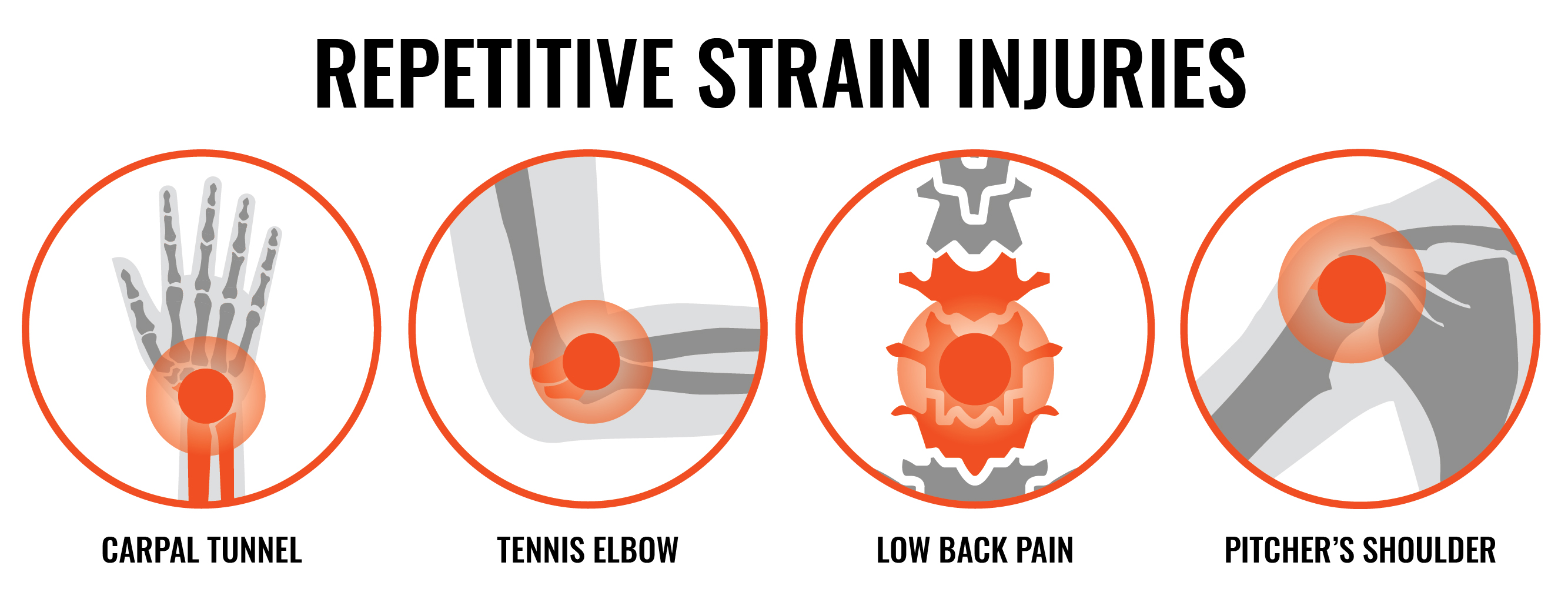
Common examples encountered in the modern workforce include carpal tunnel syndrome, tendonitis, bursitis, and epicondylitis (tennis elbow). These conditions are particularly prevalent among individuals who perform high-frequency tasks, such as assembly line manufacturing, data entry, professional typing, or heavy labor involving repetitive lifting. Because these injuries do not happen at a single, identifiable moment in time, insurance carriers frequently deny claims by arguing that the condition resulted from aging, hobbies, or pre-existing health issues rather than specific occupational requirements.
Why Legal Representation Matters for Repetitive Motion Claims
The primary challenge in any workers' compensation claim for repetitive motion is the burden of proof regarding "causation." To qualify for benefits, an employee must establish that their work duties were a "substantial contributing factor" to the medical condition.
Insurance companies often utilize independent medical examiners (IMEs) to challenge the connection between your work and your symptoms. Without an attorney, you are at a disadvantage when navigating the complex evidentiary requirements set by state labor boards. An attorney specialized in this niche performs several critical functions:
- Medical Nexus Documentation: They work with your treating physician to establish a definitive medical nexus between your job duties and your repetitive strain injury.
- Claim Filing and Timelines: They ensure that the claim is filed within the strict statutes of limitations, which can be tricky when the injury has no specific "date of accident."
- Negotiation of Settlements: They handle negotiations with the employer’s insurance carrier to ensure that any settlement accounts for future medical needs, not just current symptoms.
- Administrative Hearings: If a claim is denied, an attorney represents you at evidentiary hearings before a workers' compensation judge or board, providing the necessary legal expertise to challenge biased expert testimony.
Distinguishing Between Acute and Repetitive Claims
Understanding the classification of your injury is essential for determining your legal strategy. Workers' compensation laws in many jurisdictions were originally designed for acute, "traumatic" injuries. Consequently, many systems treat repetitive motion injuries as "occupational diseases" rather than "accidents."
| Feature | Acute Workplace Injury | Repetitive Motion Injury |
|---|---|---|
| Onset | Sudden and identifiable | Gradual and cumulative |
| Notice Requirement | Immediate or within days | Upon diagnosis or doctor’s advice |
| Causation | Often obvious (e.g., fall) | Requires expert medical evidence |
| Employer Denial Rate | Typically lower | Frequently higher due to "pre-existing" arguments |
In cases of repetitive motion, the "date of injury" is often legally defined as the date you first sought medical treatment for the condition or the date you were first informed by a physician that your condition was work-related. Missing these specific, technical deadlines can lead to a permanent forfeiture of benefits.
The Role of Medical Evidence and Expert Testimony
The most critical component of a repetitive motion workers' compensation claim is the medical record. Your attorney will likely request a functional capacity evaluation (FCE) to determine what tasks you can and cannot perform. They will also look for "objective" evidence—such as EMG studies for nerve damage or MRI scans showing inflammation—to bolster your claim.
If your employer’s insurance company denies the claim, your attorney will likely engage a medical expert who can provide a sworn deposition. This expert will testify that, given your specific work tasks—such as a specific number of keystrokes per hour or the repetitive force required to operate a machine—it is medically probable that your injury was caused by those duties. This testimony is often the decisive factor in winning a contested case.
Steps to Take When Filing a Claim
If you suspect your physical pain is related to repetitive work, you must take immediate, structured action to protect your legal standing:
- Report the Injury: Notify your employer in writing as soon as you are diagnosed. Use the specific language provided by your state’s workers’ compensation board.
- Seek Specialized Care: Do not rely solely on an employer-provided clinic if you have the right to choose your own physician. Ensure your doctor is informed about every specific movement you perform at work.
- Document Your Duties: Keep a detailed log of your daily tasks. If your job involves a quota, document how many pieces you process per hour or how long you remain in a static position.
- Consult with an Attorney: Before signing any paperwork provided by your employer’s insurance company, consult with a workers’ compensation attorney. Insurance adjusters often attempt to get claimants to sign medical release forms that cover their entire medical history, which can be used to unfairly disqualify the claim.
Common Pitfalls and How to Avoid Them
Claimants often inadvertently sabotage their own cases through simple errors. One of the most common mistakes is failing to report "minor" symptoms early. If you wait until the pain is debilitating to report the injury, the insurance company will argue that you would have reported it sooner if it were truly work-related.
Another common pitfall is the "hobbies argument." If you are a recreational tennis player, painter, or guitarist, the insurance defense will argue that your carpal tunnel or tendonitis is a result of those activities. A skilled attorney will prepare you for these lines of questioning, helping you clearly differentiate your work-related physical demands from your off-duty activities.
Finally, do not accept a "light duty" offer without understanding the implications. Sometimes, employers offer "light duty" that still requires the same repetitive motion that caused your injury in the first place. An attorney can help you evaluate whether an offered modified job is medically appropriate or if it serves merely as a pretext to return you to work before you are fully healed.
Understanding Costs and Attorney Fees
Most workers’ compensation attorneys work on a contingency fee basis. This means you generally do not pay an hourly rate; instead, the attorney receives a percentage of your final settlement or the benefits recovered. As of 2026, most state laws cap these fees at a specific percentage, typically ranging between 15% and 25%, depending on the complexity of the case and the level of the appellate process involved. Always clarify the fee structure in the initial consultation to ensure transparency.
Frequently Asked Questions (FAQ)
Can I file for workers' compensation if I have a pre-existing condition? Yes. You are eligible for benefits if your work duties "aggravated, accelerated, or exacerbated" your pre-existing condition. An attorney is essential here to prove that the work caused a distinct change in the condition.
What if my employer refuses to file the claim? You have the right to file an "Employee’s Claim for Compensation" directly with your state’s Workers’ Compensation Board or Department of Labor. You do not need your employer’s permission to initiate the process.
How long does a repetitive motion claim typically take? Because these claims are often contested, they can take longer than simple acute injuries. You should prepare for a process that may last several months to over a year, especially if the insurance carrier denies the initial application.
Will I be fired for filing a workers' compensation claim? In most jurisdictions, it is illegal for an employer to terminate an employee in retaliation for filing a valid workers' compensation claim. If you feel your job is at risk, notify your attorney immediately to document any potential harassment or retaliatory actions.
What benefits can I receive for a repetitive motion injury? Benefits generally include full coverage of medical expenses, temporary disability payments while you are unable to work, and potential "permanent partial disability" benefits if the injury results in a lasting functional limitation.
Next Actions for Injured Workers
If you are experiencing symptoms consistent with repetitive motion injuries, your first priority is your health, followed by your legal documentation. Schedule an appointment with a physician who is experienced in occupational medicine, and be explicit about your work environment. Once you have a professional medical opinion connecting your injury to your employment, contact a qualified workers' compensation attorney to review your case. Having professional legal guidance early in the process significantly increases the likelihood of a successful outcome and helps you avoid common procedural errors that could jeopardize your benefits.