The Association of Black Law Enforcers (ABLE) is a non-profit organization founded in 1992 to address the unique challenges faced by Black professionals in the justice system. By 2026, it remains a critical advocate for systemic reform, professional development, and the fostering of stronger relationships between law enforcement agencies and Black communities across Canada.
The Association of Black Law Enforcers (ABLE) represents a pivotal shift in the landscape of North American policing and justice administration. Established during a period of significant social unrest and a growing demand for accountability, ABLE emerged as a voice for those who occupy the complex intersection of being Black and being a law enforcement professional. As we look at the organization’s status in 2026, its role has expanded from internal advocacy to a broad-spectrum influence on public policy, recruitment standards, and community healing.
The Historical Genesis of ABLE
To understand the Association of Black Law Enforcers, one must examine the socio-political climate of the early 1990s. In 1992, the acquittal of officers in the Rodney King trial in the United States and the subsequent civil unrest in Los Angeles reverberated globally, including in major Canadian cities like Toronto. During this time, the relationship between Black communities and the police was at a nadir, characterized by allegations of systemic bias, carding (random street checks), and a lack of representation within the ranks of the police.
A group of visionary officers, including founders such as David Mitchell, recognized that change could not only be demanded from the outside; it had to be championed from within. These founders sought to create a formal structure that would allow Black officers to support one another while simultaneously challenging the institutions they served to do better. ABLE was officially incorporated as a non-profit organization, making it one of the first of its kind in Canada to specifically target the advocacy and professional development of Black law enforcement personnel.
The early years were focused on survival and recognition. Many members faced skepticism or even hostility from colleagues who viewed the association as divisive. However, ABLE persisted by demonstrating that a more diverse and culturally competent police force is a more effective and safer one for all citizens.
Mission and Core Objectives in 2026
In 2026, the mission of the Association of Black Law Enforcers remains anchored in its founding principles, though its methods have evolved to meet modern technological and social demands. The organization operates under several primary pillars designed to improve the justice system.
Advocacy and Systemic Reform
ABLE acts as a consultant to various levels of government, providing expert testimony and research on issues such as racial profiling, use of force, and the diversification of specialized units. By 2026, ABLE has been instrumental in the modernization of the Police Services Act, ensuring that diversity and inclusion are not just "best practices" but legislative requirements for police boards and commissions.
Professional Development and Mentorship
A major hurdle for Black officers historically has been the "glass ceiling"—a barrier to reaching senior leadership and executive ranks. ABLE addresses this through robust mentorship programs. These programs pair veteran officers with newcomers to help them navigate the complexities of police culture, prepare for promotional exams, and build the resilience needed to succeed in high-pressure environments.
Community Outreach and Youth Engagement
The "Bridge-Building" initiative is perhaps ABLE's most visible work. Recognizing that many Black youth view law enforcement with suspicion, ABLE members engage in community forums, school visits, and sports programs. The goal is to humanize the badge and show young people that they can enter the profession to change it from within, rather than merely being the subjects of its scrutiny.
Membership Structure and Eligibility
As of 2026, membership in the Association of Black Law Enforcers is categorized to ensure a broad base of support while maintaining its core focus on law enforcement professionals. While the name highlights "Black Law Enforcers," the organization has long recognized that the justice system includes many roles beyond sworn police officers.
| Membership Category | Eligibility Requirements | Primary Benefits |
|---|---|---|
| Full Membership | Sworn police officers, special constables, and peace officers of African descent. | Voting rights, eligibility for executive positions, and full access to legal/professional advocacy. |
| Associate Membership | Civilian employees in law enforcement, justice system professionals, and non-Black allies. | Networking opportunities, access to seminars, and participation in community events. |
| Student Membership | Individuals enrolled in post-secondary criminal justice or law enforcement programs. | Access to the ABLE Scholarship Fund, mentorship, and career placement guidance. |
| Corporate Membership | Organizations, law firms, or agencies that support the goals of ABLE. | Recognition as a diversity partner and participation in recruitment fairs. |
Membership dues are typically structured to be affordable for junior officers and students, with the funds going directly toward scholarship programs and community initiatives. By 2026, ABLE has streamlined its registration process through a secure digital portal, allowing for national networking across various provinces and territories.
The ABLE Scholarship Fund: Investing in the Future
One of the most significant contributions of the organization is the ABLE Scholarship Fund. Since its inception, the fund has awarded hundreds of thousands of dollars to Black students pursuing careers in the justice sector. This initiative serves two purposes: it lowers the financial barrier to entry for marginalized communities and ensures that the next generation of law enforcement is academically rigorous and socially conscious.
In 2026, the scholarship criteria have expanded to include not just police foundations and law students, but also those studying forensic science, cyber-criminology, and social work within the justice context. This reflects the multi-disciplinary nature of modern public safety. Applicants are typically evaluated based on academic merit, financial need, and a demonstrated commitment to community service.
Navigating the "Double Consciousness" of Black Officers
A unique aspect of the work ABLE performs is psychological and emotional support. W.E.B. Du Bois coined the term "double consciousness" to describe the internal conflict experienced by subordinated groups in an oppressive society. Black law enforcement officers often feel this acutely—they are part of a community that has been historically marginalized by the state, yet they are the visible representatives of that state power.
ABLE provides a safe space for officers to discuss these tensions. Whether it is dealing with the trauma of policing their own communities or navigating microaggressions within the precinct, the association serves as a vital support network. In 2026, this includes access to culturally competent mental health resources and peer-support groups that understand the specific stressors of the job through a racial lens.
Impact on Policy and Legislation
ABLE's influence is frequently sought during legislative reviews. Over the past decades, the association has contributed to significant reports on systemic racism in policing. By 2026, their advocacy has led to the implementation of:
- Standardized Race-Based Data Collection: Ensuring that all interactions (stops, searches, and use of force) are tracked by race to identify and eliminate bias.
- Psychological Testing Reform: Revising the entry-level psychological exams to ensure they do not contain cultural biases that unfairly disqualify Black candidates.
- Community-Led Oversight: Supporting the creation of civilian oversight bodies that have the power to investigate and discipline misconduct effectively.
The organization maintains that transparency is the only way to restore public trust. By being vocal about the need for accountability, ABLE proves that loyalty to the profession does not mean silence in the face of injustice.
Collaboration with International Peer Organizations
While ABLE is a Canadian-centric organization, it maintains strong ties with international groups that share similar goals. This global network allows for the exchange of best practices and strategies for reform.
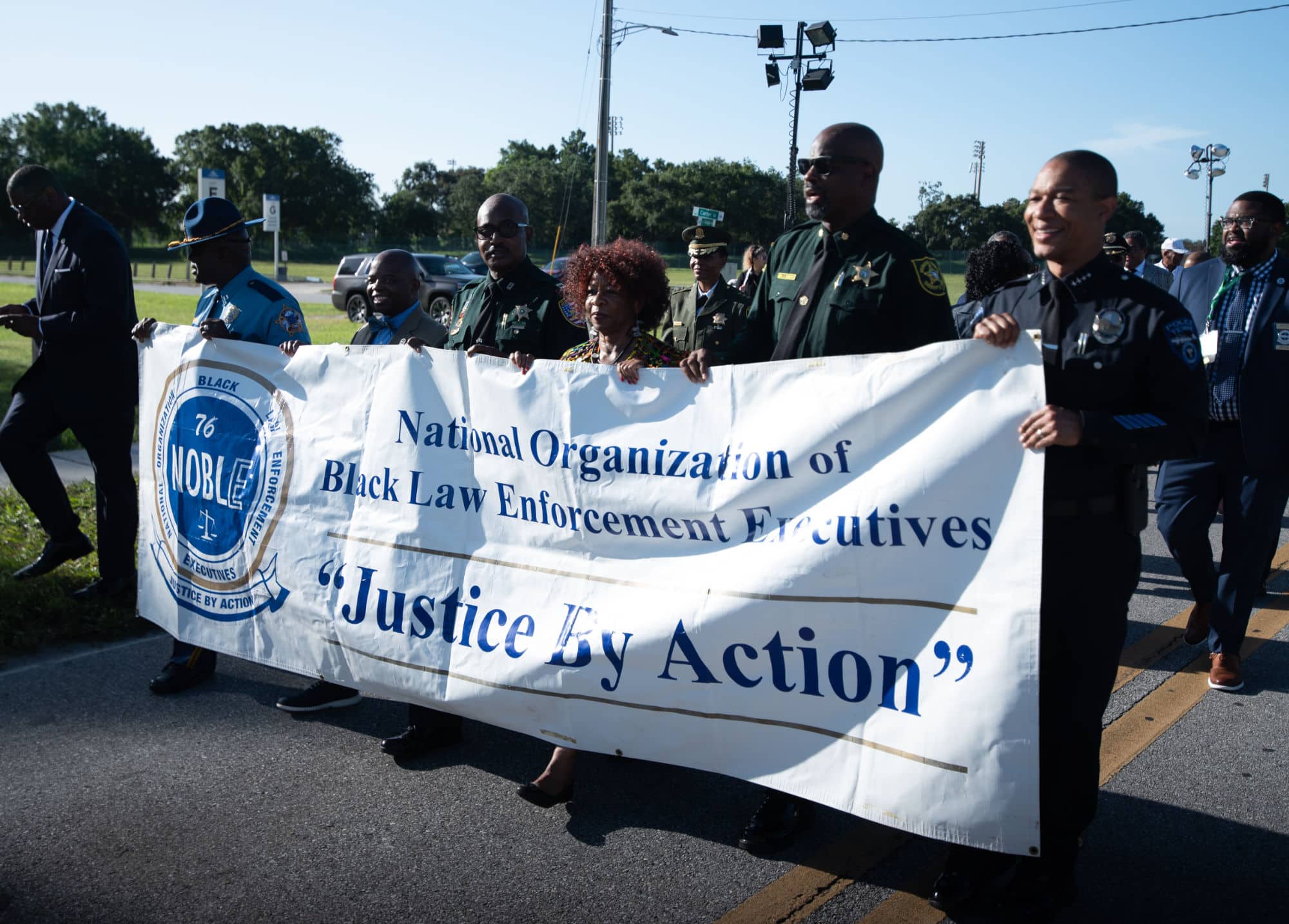
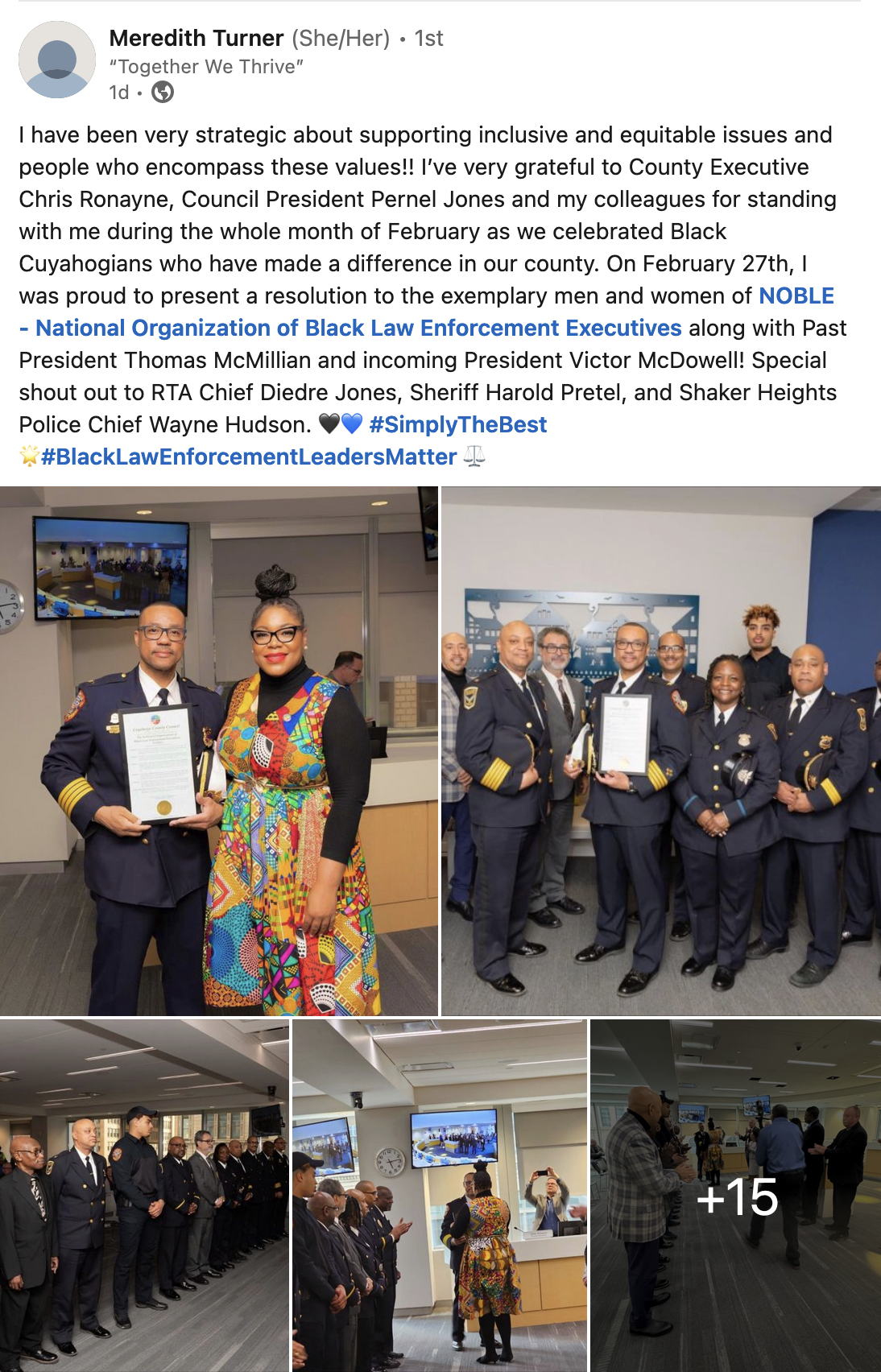
- NOBLE (National Organization of Black Law Enforcement Executives): Based in the United States, NOBLE focuses heavily on the executive and command levels of policing. ABLE frequently collaborates with NOBLE on cross-border training and leadership conferences.
- NBPA (National Black Police Association): Based in the United Kingdom, the NBPA shares ABLE’s focus on civil rights and internal advocacy within the Commonwealth model of policing.
These partnerships ensure that the Association of Black Law Enforcers stays informed about global trends in justice reform and can adapt successful strategies to the Canadian context.
Common Misconceptions and Clarifications
As an organization focused on a specific demographic, ABLE occasionally faces misconceptions regarding its purpose. It is important to clarify that ABLE is not a labor union; it does not replace the collective bargaining units that represent officers in contract negotiations. Instead, it is a professional association focused on social and systemic issues that unions may not prioritize.
Furthermore, ABLE is not "anti-police." On the contrary, its members are dedicated professionals who believe so strongly in the importance of law enforcement that they are willing to critique and improve it. The organization’s goal is to make policing a respected and trusted profession in every neighborhood, regardless of the predominant race of the residents.
Future Outlook: ABLE in the Next Decade
As we move past 2026, the Association of Black Law Enforcers is looking toward the integration of technology and data science in the fight for equity. This includes monitoring the use of Artificial Intelligence (AI) in predictive policing to ensure that algorithmic bias does not replicate the human biases of the past.
The organization is also expanding its reach into more rural and northern regions of Canada, where Black populations are growing but representation in local police services remains low. By providing a digital infrastructure for mentorship, ABLE ensures that an officer in a remote detachment has the same support as one in a major metropolitan area like Toronto or Montreal.
FAQs About the Association of Black Law Enforcers
1. Can non-Black individuals join the Association of Black Law Enforcers?
Yes. ABLE offers Associate Memberships for individuals of any background who support the mission and objectives of the organization. Allies play a crucial role in the association's success, particularly in advocating for change within departments where Black officers may be a small minority. Associate members can attend meetings and events but generally do not hold voting power in executive elections.
2. How is ABLE funded?
ABLE is primarily funded through membership dues, corporate sponsorships, and fundraising events such as the annual ABLE Scholarship Awards Ball. They also receive occasional grants for specific community outreach projects. As a non-profit organization, all funds are reinvested into their scholarships, community programs, and advocacy efforts.
3. What should I do if I am a Black student interested in a law enforcement career?
Prospective students are encouraged to apply for a Student Membership and look into the ABLE Scholarship Fund. ABLE provides resources for career planning, including information on the physical and academic requirements for various agencies, ranging from the RCMP and provincial police to municipal services and correctional facilities.
4. Does ABLE handle complaints against police officers?
ABLE is not an oversight body or a disciplinary agency. While the association advocates for transparency and accountability, individual complaints of misconduct should be directed to the relevant civilian oversight agency (such as the SIU or OIPRD in Ontario). However, ABLE may provide general guidance on the process of filing a complaint and advocate for fair investigations.
5. Where is the Association of Black Law Enforcers headquartered?
While ABLE has a significant presence across Canada, its primary administrative functions have historically been centered in the Greater Toronto Area (GTA), reflecting the high concentration of Black law enforcement professionals in that region. However, they maintain a national reach through regional representatives and digital communication platforms.
Next Steps for Prospective Members and Supporters
For those looking to engage with the Association of Black Law Enforcers in 2026, the first step is to visit their official web portal to review current initiatives and membership tiers. Whether you are a sworn officer looking for mentorship, a student seeking financial aid, or a community member interested in police-community relations, ABLE offers a structured environment for meaningful contribution.
To stay informed about their legislative advocacy and community events, subscribing to their newsletter or following their verified social media channels is highly recommended. Supporting the ABLE Scholarship Fund through donations is also a direct way to contribute to the diversification and improvement of the justice system for years to come.