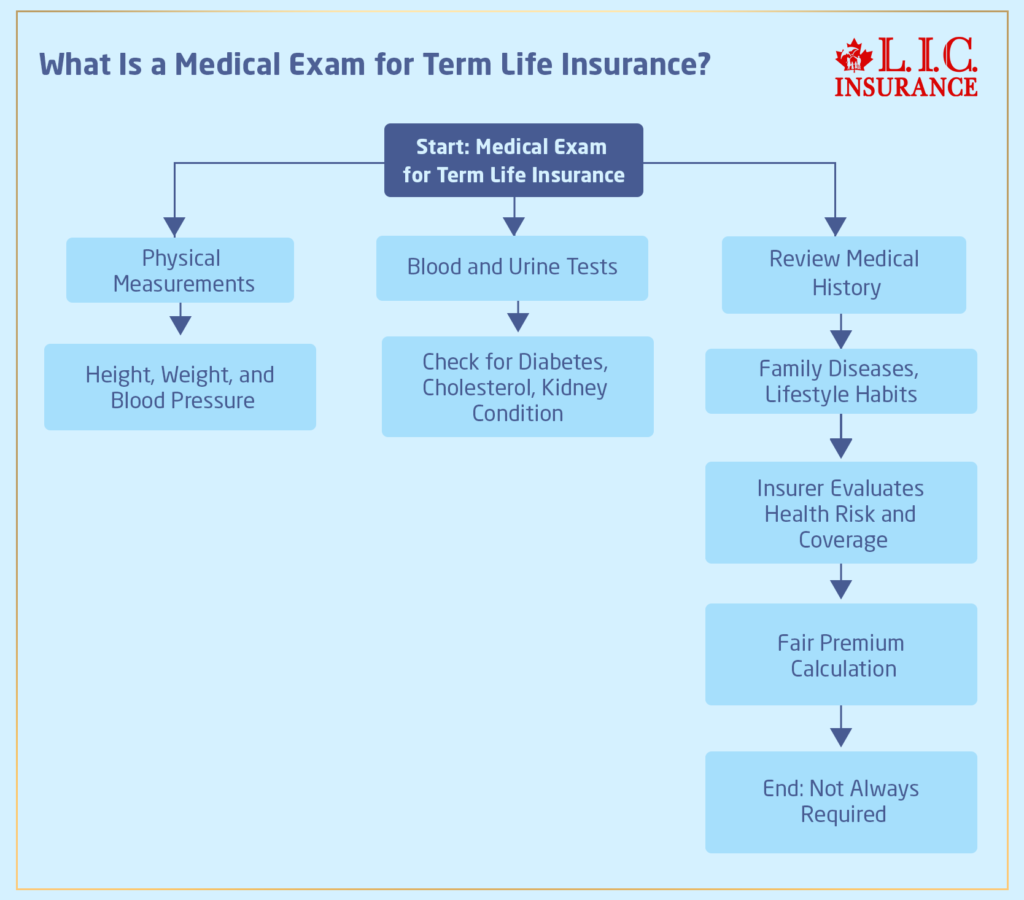
The Assurance life insurance medical exam is a standardized health assessment used by insurance carriers to determine your biological age and mortality risk. This paramedical exam typically includes a review of your medical history, vital sign measurements, and blood and urine samples to establish your premium rates for 2026.
As of 2026, the landscape of life insurance underwriting has shifted significantly toward data-driven assessments. However, for many high-value policies or specific health profiles, the traditional medical exam remains a cornerstone of the application process. Assurance, acting as a tech-enabled brokerage platform (a subsidiary of Prudential), connects consumers with various carriers. Understanding how these carriers utilize the medical exam is vital for securing the lowest possible premiums.
The Role of Assurance in the Underwriting Process
Assurance is not a single insurance carrier; rather, it is a comprehensive platform that matches applicants with a variety of providers, such as Prudential, Transamerica, and John Hancock. When you apply for a policy through Assurance, the specific requirements of the medical exam are dictated by the underlying insurance company you choose.
In 2026, the "Assurance experience" is characterized by a "omnichannel" approach. This means your data is often pre-screened through digital health records and prescription databases before a physical exam is even requested. If your digital footprint suggests a higher risk or if you are applying for a substantial death benefit (typically over $1 million), the carrier will trigger a requirement for a formal paramedical exam. This exam provides a "physical snapshot" that digital records might miss, such as current blood pressure levels or recent nicotine use.
Why a Medical Exam is Necessary for 2026 Policies
Life insurance is essentially a contract of risk. To price this risk accurately, insurers need to know the likelihood of a claim being filed in the near future. The medical exam serves three primary functions in this actuarial calculation:
- Verification of Application Accuracy: It confirms that the height, weight, and health history you reported on your initial Assurance digital application match your physical reality.
- Detection of Undiagnosed Conditions: Many applicants are unaware they have high cholesterol, early-stage diabetes (indicated by A1C levels), or hypertension. The exam catches these "silent" markers.
- Risk Stratification: The results determine which "rating class" you fall into. These classes (Preferred Plus, Preferred, Standard, etc.) directly dictate the dollar amount of your monthly premium.
While "no-exam" policies have gained popularity in 2026, they often come with higher premiums because the insurer is taking on more uncertainty. Completing a medical exam is frequently the only way to qualify for "Preferred Plus" rates, which remain the gold standard for affordability.
Step-by-Step: What to Expect During the Exam
Once you have selected a policy through the Assurance platform, the insurance carrier will contract a third-party paramedical company (such as ExamOne or APPS) to conduct the visit. In 2026, these exams are highly flexible and can be performed at your home, your workplace, or a dedicated local clinic.
The Initial Interview
The examiner will start by verifying your identity (have your government-issued ID ready) and walking through a detailed medical questionnaire. Even though you may have answered these questions on the Assurance website, the examiner must record them officially. You will be asked about surgeries, hospitalizations, family history of heart disease or cancer, and a comprehensive list of current medications.
Physical Measurements
The examiner will record your:
- Height and Weight: Used to calculate your Body Mass Index (BMI), a key metric for all 2026 insurers.
- Blood Pressure and Pulse: Usually taken multiple times to ensure accuracy, especially if the first reading is high due to "white coat syndrome."
- Waist Circumference: Some carriers now use waist-to-height ratios as a more accurate predictor of cardiovascular health than BMI alone.
Fluid Collection
This is the most critical part of the exam. A licensed phlebotomist will draw several vials of blood. These samples are tested for:
- Glucose and A1C: To check for diabetes or pre-diabetes.
- Cholesterol and Triglycerides: Assessing heart disease risk.
- Liver and Kidney Function: Markers like creatinine and ALT/AST levels.
- Infectious Diseases: Including HIV and Hepatitis.
A urine sample is also required. This is primarily used to detect the presence of nicotine, cotinine (a byproduct of nicotine), illicit drugs, and certain prescription medications that might not have been disclosed.
How to Prepare for the Best Results
In 2026, the sensitivity of laboratory testing has reached a point where even minor lifestyle choices in the 48 hours preceding an exam can impact your results. To ensure your "biological snapshot" is as favorable as possible, follow these professional guidelines:
48 Hours Before the Exam
- Avoid Alcohol: Alcohol can dehydrate you and cause temporary spikes in blood pressure and liver enzymes.
- Limit High-Protein/High-Fat Meals: These can artificially inflate your cholesterol and triglyceride readings.
- Hydrate Aggressively: Drinking plenty of water makes blood draws easier and helps clear the kidneys, leading to a better urine sample.
24 Hours Before the Exam
- Avoid Strenuous Exercise: Intense workouts can cause a temporary rise in protein levels in the urine and elevated liver enzymes, which might be misinterpreted as a health issue.
- Skip the Caffeine: Caffeine is a stimulant that can raise both your heart rate and your blood pressure. Try to avoid coffee, tea, and energy drinks until after the exam.
The Day of the Exam
- Fast for 8–12 Hours: Most examiners prefer that you have an empty stomach to ensure accurate blood sugar and lipid readings.
- Wear Light Clothing: This makes the blood pressure cuff easier to apply and ensures your weight measurement is accurate.
- Prepare Your Medication List: Have the names and dosages of all prescriptions, over-the-counter supplements, and vitamins ready for the examiner.
Comparing Exam-Based vs. No-Exam Policies
Through the Assurance platform, you will encounter various types of underwriting. In 2026, the "Accelerated Underwriting" model is the most common middle ground.
| Feature | Fully Underwritten (Medical Exam) | Accelerated Underwriting | Guaranteed/Simplified Issue |
|---|---|---|---|
| Exam Required? | Always | No (Usually) | Never |
| Approval Time | 4–8 Weeks | Minutes to Days | Near-Instant |
| Premium Cost | Lowest (if healthy) | Competitive | Highest |
| Max Coverage | $10M+ | Typically up to $3M | Typically under $50k |
| Data Source | Physical Exam + Labs | Digital Health Records | Basic Questionnaire |
The Impact of Digital Health Records in 2026
It is important to note that for many Assurance applicants in 2026, the "medical exam" is partially replaced or supplemented by Electronic Health Records (EHR). Companies like LexisNexis and MIB (Medical Information Bureau) provide insurers with a history of your medical diagnoses and prescription fills.
If the digital data is crystal clear and shows a history of excellent health, the carrier may waive the physical exam entirely—a process known as "fluidless underwriting." However, if there are gaps in your records or if you haven't seen a doctor in several years, the physical exam becomes the only way for the insurer to verify your current health status.
Common Obstacles and How to Handle Them
Not every medical exam goes perfectly. Understanding how to navigate common issues can prevent your application from being declined.
White Coat Hypertension
If your blood pressure is high during the exam but normal at home, tell the examiner immediately. Most 2026 underwriting guidelines allow for the examiner to take three separate readings. You can also provide your own home blood pressure logs or a note from your primary care physician to contest a high reading taken during the stress of an insurance exam.
Abnormal Lab Results
If your lab results come back with an abnormality (e.g., high cholesterol), do not panic. Assurance allows you to request a copy of your lab results for free. You should take these results to your personal doctor. In many cases, if a doctor can show that a condition is being successfully managed with medication, the insurance carrier may reconsider your rating class.
Disclosure Issues
The most common cause of a "declined" application is not poor health, but non-disclosure. If you forget to mention a medication that later shows up in your urine or blood test, the insurer may view this as an attempt to commit insurance fraud. Always be 100% transparent during the medical interview portion of the exam.
Frequently Asked Questions
Does the Assurance medical exam cost money?
No. The cost of the medical exam, including the phlebotomist's visit and the laboratory processing fees, is paid entirely by the insurance carrier. This is a standard practice across the industry in 2026. Even if you decide not to take the policy after the exam, you are not billed for the assessment.
How long does it take to get the results?
Typically, the laboratory results are processed within 3 to 7 business days. However, the final underwriting decision from the insurance carrier may take anywhere from two weeks to two months, depending on whether they need to request additional records (Attending Physician Statements) from your regular doctor.
Can I use a recent physical from my own doctor instead?
Generally, no. Insurance carriers require a standardized exam performed by their approved third-party vendors to ensure consistency in testing methods and reporting. While they may use your personal doctor's records for historical context, they almost always require their own "insurance-grade" labs.
What happens if I "fail" the medical exam?
You cannot technically "fail" an exam, but you can be "declined" for coverage or offered a "substandard" rate (higher premiums). If this happens, Assurance can help you pivot to a different carrier that might be more lenient toward your specific health condition, or a "Guaranteed Issue" policy that does not require an exam.
Is marijuana use tested for in the 2026 exams?
Yes. Most life insurance medical exams include a drug screen that detects THC. However, in 2026, many carriers have updated their guidelines. Depending on the carrier and the state, occasional marijuana use may be treated similarly to tobacco use, or in some cases, it may not affect your rating at all if it is for medicinal purposes.
Will the examiner come to my office?
Yes. Paramedical examiners are designed to be mobile. As long as you have a private space with enough room for them to set up their kit and a place for you to sit comfortably for the blood draw, they can perform the exam at your place of employment.
Final Recommendation: Taking Action
To secure the best possible life insurance rate through Assurance in 2026, you should treat the medical exam with the same preparation you would a major health checkup. Schedule your exam for the morning, follow the fasting protocols strictly, and ensure you are well-hydrated. If you are concerned about your results, speak with your Assurance agent about "Simplified Issue" options, but remember that the traditional medical exam remains the most effective path to high-value, low-cost coverage. Once the exam is complete, monitor your email for the lab report and be prepared to discuss any findings with your agent to ensure you are placed with the carrier most suited to your health profile.