A misdemeanor assault charge is a criminal offense involving the intentional threat or act of physical harm against another person, categorized as less severe than a felony because it typically lacks a deadly weapon or serious bodily injury. Penalties generally include up to one year in county jail, fines, and mandatory rehabilitation programs.
Navigating the legal system when facing a misdemeanor assault charge can be overwhelming. While often viewed as "minor" compared to felony charges, a conviction carries a permanent criminal record that can affect employment, housing, and civil rights. As of 2026, many jurisdictions have updated their sentencing guidelines to emphasize restorative justice and diversion programs, yet the core legal definitions and the high stakes of a criminal trial remain unchanged.
What Constitutes a Misdemeanor Assault Charge?
In the United States legal system, assault is often defined by the intent to cause harm or the creation of a reasonable fear of harm in another person. Depending on the specific state statute, "assault" and "battery" may be treated as separate crimes or merged into a single "assault" charge.
The Legal Definition of Assault
Traditionally, assault refers to an attempt to commit a battery or an intentional act that places another person in reasonable apprehension of receiving an immediate battery. It is a "crime against the person." For a prosecutor to secure a conviction for misdemeanor assault, they must typically prove several key elements beyond a reasonable doubt:
- Intent (Mens Rea): The defendant acted with the specific intent to cause physical injury or to create a fear of injury. Accidental contact, such as bumping into someone in a crowded subway in 2026, does not constitute assault.
- Apprehension of Harm: The victim must have reasonably feared that they were about to be physically harmed. The threat must be imminent; a threat to cause harm next week is generally not considered an immediate assault.
- Ability to Carry Out the Act: While some jurisdictions do not require the defendant to have the actual ability to cause harm, most require that the defendant's actions appeared to provide them with the means to strike the victim.
The Difference Between Assault and Battery
In many modern penal codes, the distinction between assault (the threat) and battery (the physical contact) has been blurred. For example, in states like Texas or New York, "assault" covers both the threat and the actual physical strike. In other states, like California, "assault" (Penal Code 240) is the attempt, while "battery" (Penal Code 242) is the actual "willful and unlawful use of force or violence."
Why It Is Classified as a Misdemeanor
The classification of an assault as a misdemeanor rather than a felony (aggravated assault) usually hinges on the severity of the injury and the presence of a weapon. Misdemeanor assault, often called "simple assault," generally involves:
- No weapon or the use of a non-deadly object.
- Minor injuries, such as bruises, scratches, or temporary pain.
- No permanent disfigurement or long-term disability.
Common Types of Misdemeanor Assault
While "simple assault" is the most common label, several sub-categories of misdemeanor assault exist, each with unique legal nuances and potential penalties.
Simple Assault
This is the baseline charge for most physical altercations. It typically involves a fight where neither party is seriously injured, or a situation where one person lunges at another but is restrained before contact is made. Even a "technical" battery—an unwanted touching that is offensive but not physically injurious—can lead to a simple assault charge.
Domestic Violence Assault
When an assault occurs between people in a "domestic relationship"—such as spouses, cohabitants, or parents of a shared child—it is often classified as domestic violence (DV) assault. Even as a misdemeanor, DV charges carry significantly higher stakes. In 2026, many states have mandatory arrest policies for DV calls, and a conviction can lead to a permanent loss of firearm rights under federal law (the Lautenberg Amendment).
Assault on a Protected Class
Some jurisdictions elevate simple assault to a "high-court misdemeanor" or a more serious misdemeanor category if the victim belongs to a protected class, such as:
- Emergency medical personnel.
- Police officers or firefighters.
- Transit workers.
- Elderly individuals (65+).
- Process servers.
If the defendant was aware of the victim's status, the penalties are frequently enhanced, including mandatory minimum jail time or higher fines.
The Legal Process: From Arraignment to Sentencing
If you are charged with misdemeanor assault in 2026, you will undergo a standardized legal process. Understanding these steps is vital for a proactive defense.
1. Arrest and Booking
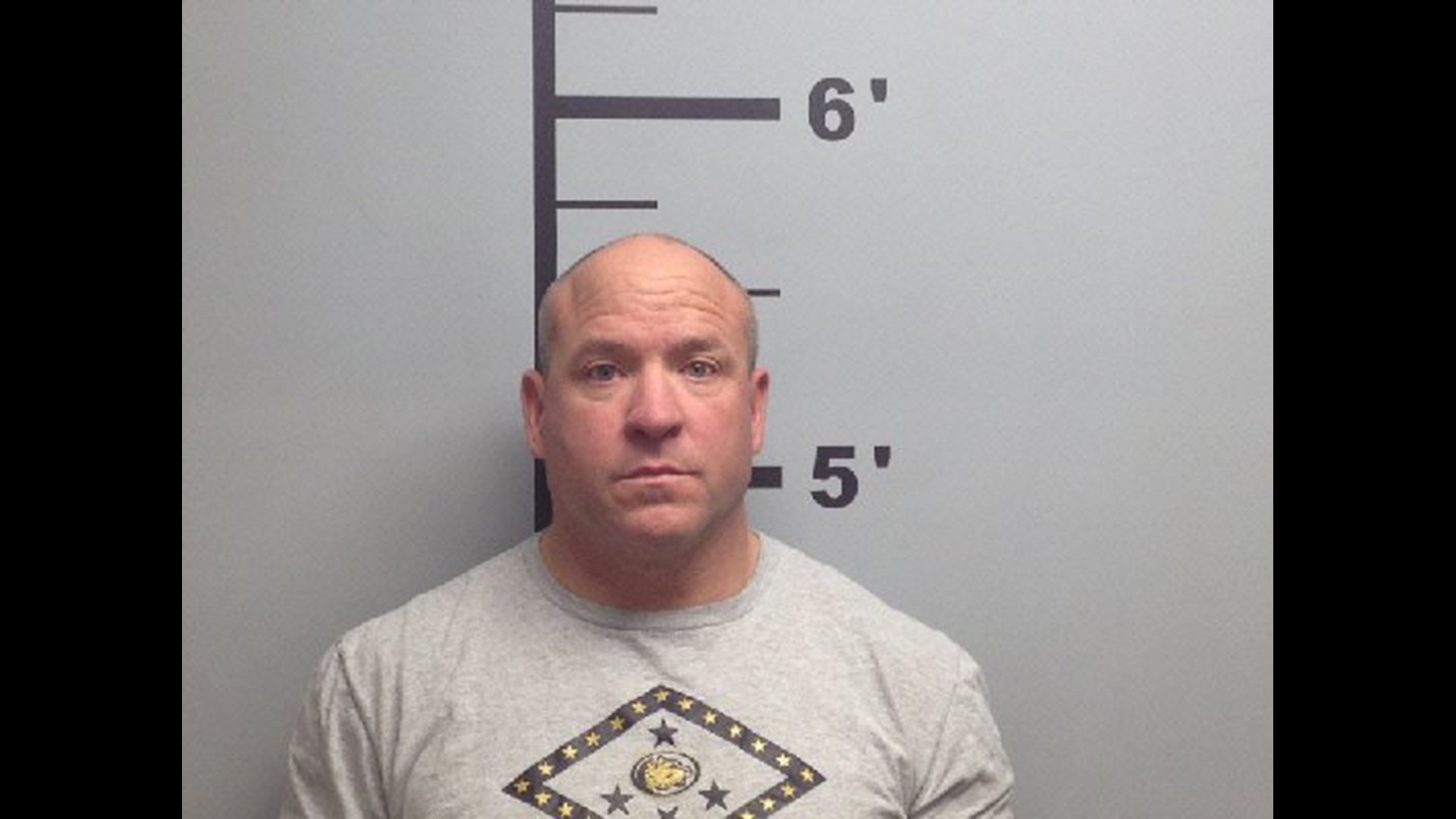
Following an incident, law enforcement may arrest the suspect based on probable cause. The individual is taken to a local precinct or county jail for "booking," which involves fingerprinting, photographing (mugshot), and recording personal information.
2. Arraignment
The arraignment is the first formal court appearance. The judge reads the charges, and the defendant enters a plea: Guilty, Not Guilty, or No Contest (Nolo Contendere). For misdemeanor assault, the judge will also determine bail or release conditions. Many jurisdictions have moved toward "own recognizance" (OR) release for first-time misdemeanor offenders to reduce jail populations.
3. Discovery and Pre-Trial Motions
During the discovery phase, the defense attorney reviews the evidence held by the prosecution, including police reports, body-cam footage, witness statements, and medical records. This is the stage where a lawyer might file a motion to suppress evidence if it was obtained in violation of the defendant’s constitutional rights.
4. Plea Bargaining
The vast majority of misdemeanor assault cases are resolved through plea bargains. A prosecutor may offer to reduce the charge to "disorderly conduct" or "harassment" in exchange for a guilty plea, which avoids a trial and potential jail time.
5. Trial and Sentencing
If no agreement is reached, the case proceeds to a bench trial (heard by a judge) or a jury trial. If found guilty, the defendant moves to sentencing, where the judge considers the facts of the case, the defendant's criminal history, and any mitigating factors.
Penalties and Long-Term Consequences
The legal penalties for a misdemeanor assault conviction are only the beginning. The collateral consequences can affect your life for decades.
Statutory Penalties
While every state differs, most categorize misdemeanors into classes (e.g., Class A, B, or C). A typical Class A misdemeanor assault in 2026 might include:
- Jail Time: 0 to 364 days in a county or local jail.
- Fines: Generally ranging from $500 to $4,000.
- Probation: Often lasting 12 to 24 months, requiring regular check-ins with a probation officer.
- Restitution: Paying the victim’s medical bills or property damage costs.
- Mandatory Programs: Anger management classes, batterers' intervention programs (for DV), or substance abuse counseling.
Collateral Consequences
A criminal record for a violent offense—even a misdemeanor—is a significant "red flag" for many institutions.
- Employment: Many employers have policies against hiring individuals with violent records. Professional licenses (nursing, teaching, real estate) may be revoked or denied.
- Housing: Private landlords frequently run background checks and may deny applications based on an assault conviction.
- Immigration: For non-citizens, certain assault convictions can be classified as "crimes involving moral turpitude," potentially leading to deportation or denial of naturalization.
- Firearm Rights: As mentioned, a domestic violence misdemeanor conviction generally results in a lifetime ban on possessing firearms under federal law.
| Feature | Misdemeanor Assault | Felony (Aggravated) Assault |
|---|---|---|
| Typical Injury | Minor (bruises, pain) | Serious (broken bones, surgery) |
| Weapon Used | None or non-deadly | Deadly weapon (firearm, knife) |
| Max Jail/Prison | Up to 1 year (Jail) | 2+ years (State Prison) |
| Fine Range | $500 – $4,000 | $5,000 – $100,000+ |
| Civil Rights | Generally preserved (except guns in DV) | Often lost (voting, jury duty, guns) |
Defenses Against an Assault Charge
Being charged does not mean you will be convicted. Several legal defenses can be used to challenge the prosecution's case.
Self-Defense
This is the most common defense. To succeed, the defendant must prove that they:
- Were not the initial aggressor.
- Had a reasonable belief that physical force was necessary to protect themselves from an imminent threat.
- Used a proportionate amount of force (e.g., you cannot use a gun to defend against a light shove).
Defense of Others
Similar to self-defense, this applies if the defendant acted to protect another person from immediate harm. The same rules of "reasonableness" and "proportionate force" apply.
Factual Innocence and Misidentification
The defense may argue that the defendant did not commit the act. This often involves alibi evidence or challenging the reliability of witness identifications, which can be notoriously inaccurate in high-stress situations.
Lack of Intent
If the contact was purely accidental—such as slipping on a floor and knocking someone down—the "intent" requirement for assault is not met. Without the willful intent to cause harm or fear, a criminal assault charge cannot stand.
Consent
In specific scenarios, such as a sanctioned sporting event (boxing, MMA, or even recreational basketball), participants consent to a certain level of physical contact. If the contact stayed within the bounds of the "rules of the game," consent can be a valid defense.
Frequently Asked Questions
Can a misdemeanor assault charge be dropped?
Yes, charges can be dropped by the prosecutor (not the victim) if there is insufficient evidence, if the victim becomes uncooperative and there is no other evidence, or if the defendant completes a pre-trial diversion program. While a victim can "request" that charges be dropped, the state ultimately decides whether to proceed with the case.
Will I go to jail for a first-time misdemeanor assault?
For a first-time offender with no prior criminal history, a jail sentence is less common for simple assault. Judges often prefer probation, fines, and community service. However, if the assault was particularly aggressive or involved a vulnerable victim, jail time remains a possibility.
How long does an assault charge stay on your record?
A conviction stays on your criminal record indefinitely unless it is expunged or sealed. The process for expungement varies by state; in some jurisdictions, you may apply to have a misdemeanor sealed after 3 to 5 years of "clean" behavior. More information on state-specific expungement can be found through the National Association of Criminal Defense Lawyers (NACDL).
What is a "Simple Assault" in 2026?
In 2026, simple assault remains a misdemeanor defined by minor physical contact or the threat thereof. Some states have updated statutes to include "cyber-assault" or "digital harassment" under related misdemeanor categories, but traditional simple assault still focuses on the physical presence and immediate threat of harm.
Does a misdemeanor assault affect my ability to travel?
Generally, a misdemeanor will not prevent you from traveling within the United States. However, international travel can be restricted. For example, Canada is known for its strict entry requirements regarding any criminal record involving violence, including misdemeanors.
Practical Recommendations and Next Actions
If you or someone you know is facing a misdemeanor assault charge, immediate action is necessary to protect your legal rights and future opportunities.
- Exercise Your Right to Silence: Do not attempt to explain your side of the story to the police without an attorney. Anything you say can and will be used against you in court.
- Consult a Criminal Defense Attorney: Even a "simple" charge requires professional navigation. An attorney can identify weaknesses in the prosecution's case and negotiate for a reduction or dismissal.
- Document Everything: If you have injuries, take photos immediately. If there were witnesses, secure their contact information. Save any relevant text messages or social media posts that might provide context to the incident.
- Avoid Contact with the Complainant: Do not reach out to the victim to "smooth things over." This can lead to additional charges for witness tampering or a violation of a protective order.
- Explore Diversion Programs: Ask your attorney if you are eligible for a "deferred prosecution" or "pretrial intervention" program. These often allow you to avoid a formal conviction if you complete specific requirements like counseling or community service.
For official information regarding federal definitions of assault, visit the United States Department of Justice or consult your state's specific Penal Code through a verified government portal.