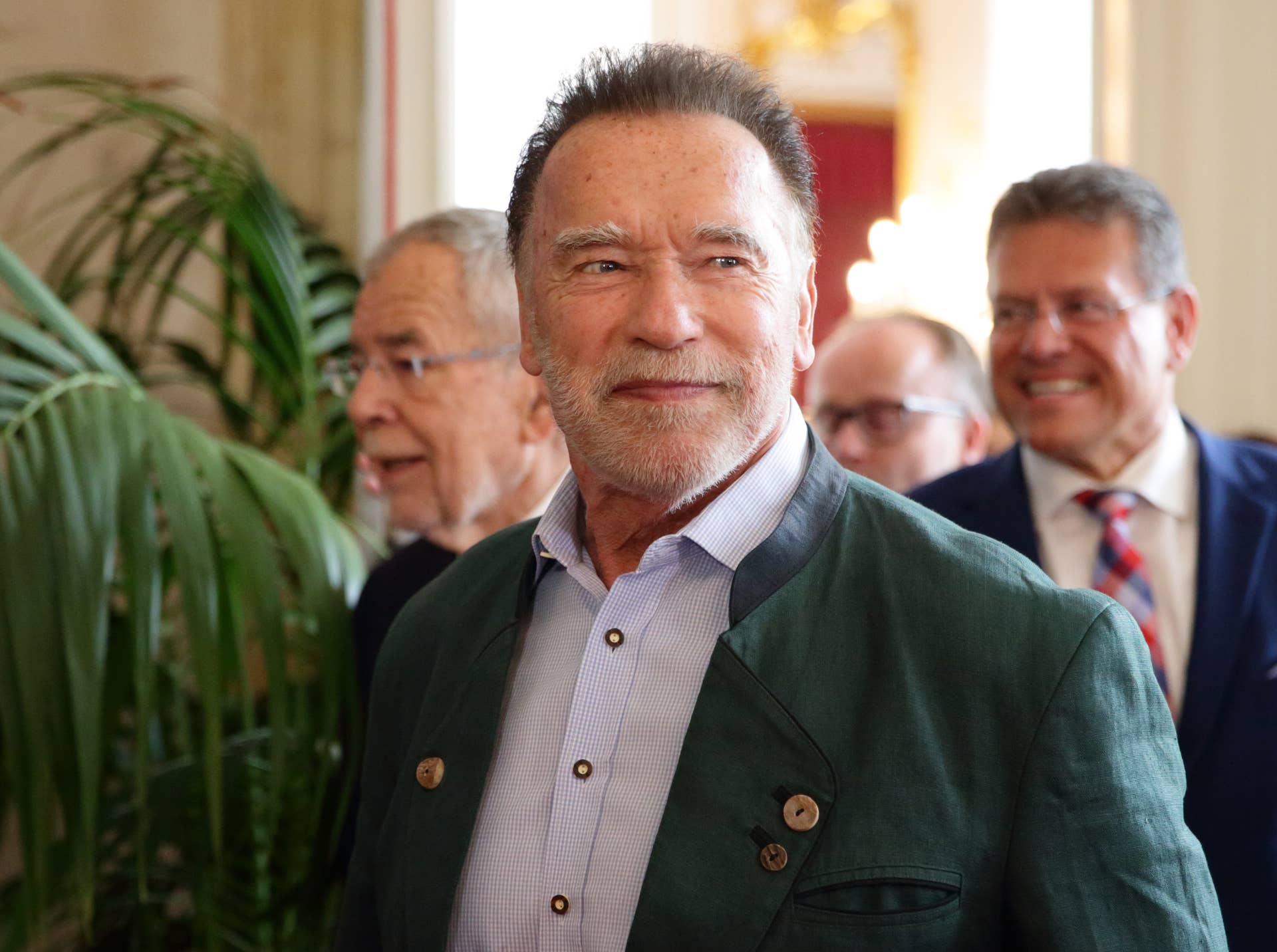
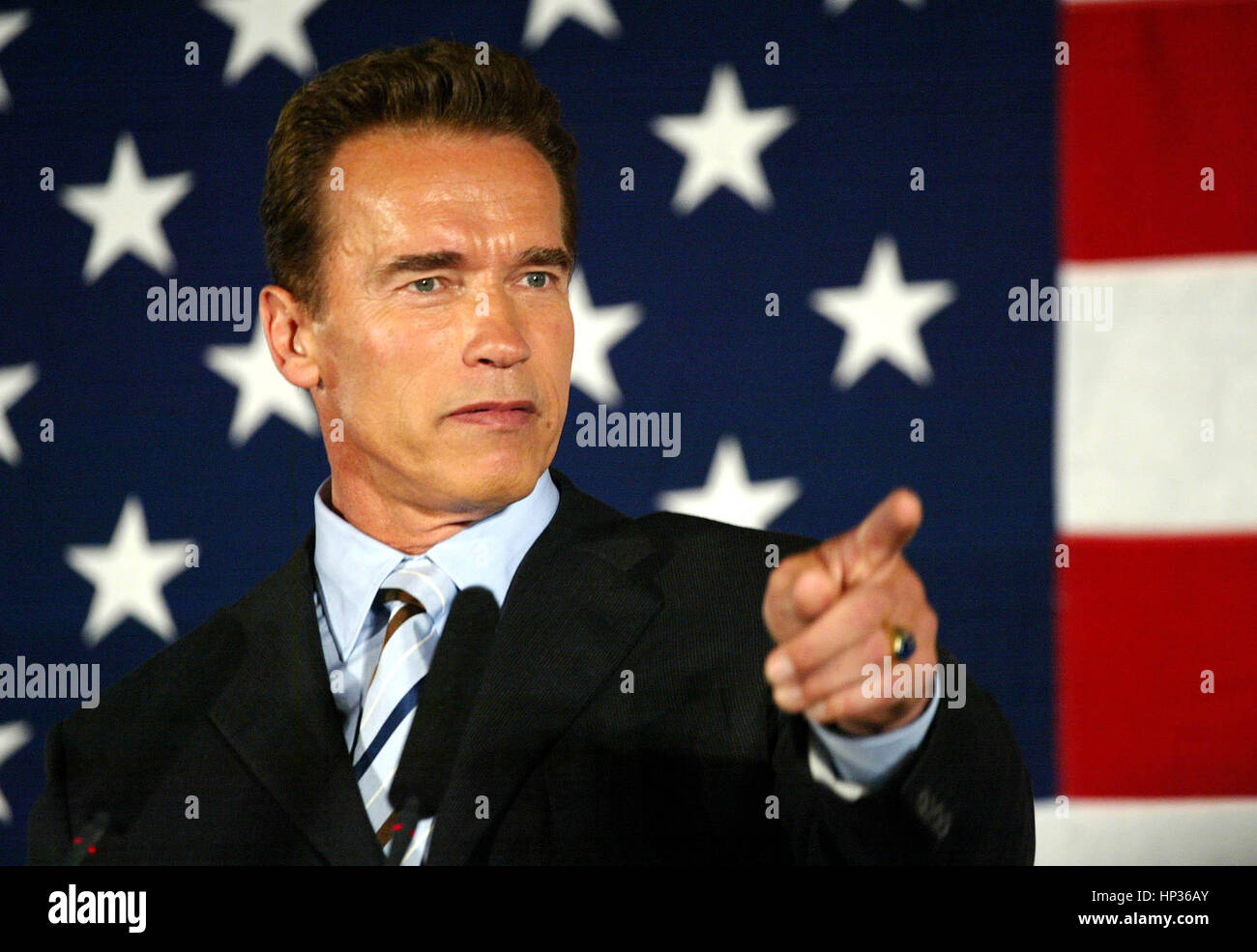
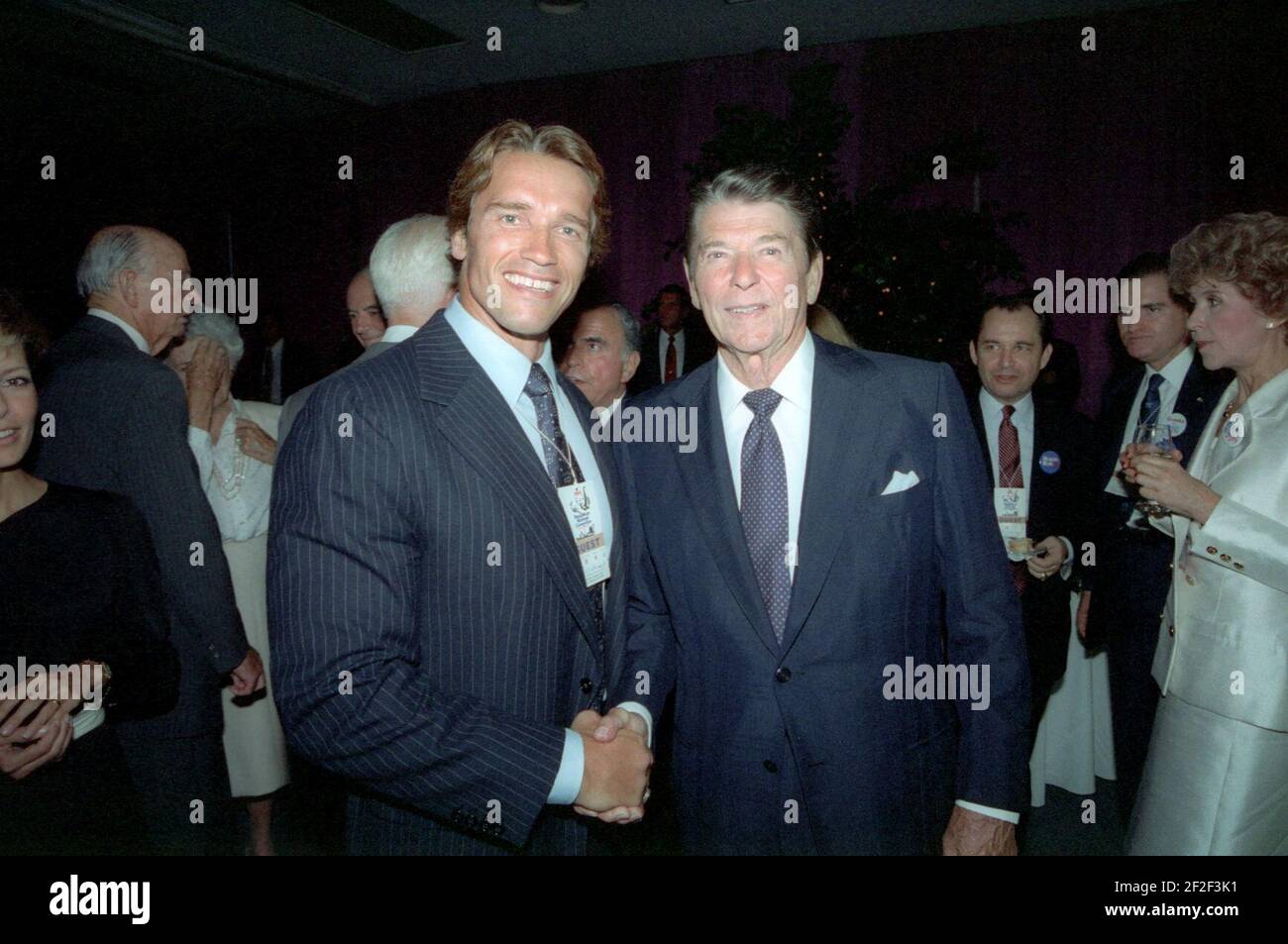
Arnold Schwarzenegger cannot currently serve as President of the United States because he is not a natural born citizen, as required by Article II, Section 1, Clause 5 of the U.S. Constitution. Although he is a naturalized citizen and served two terms as Governor of California, a Constitutional Amendment would be necessary to grant him or any other foreign-born citizen eligibility for the nation's highest office.
The question of Arnold Schwarzenegger’s eligibility for the presidency has been a recurring theme in American political discourse since he first entered the arena in 2003. As we navigate the political landscape of 2026, the "Governator" remains one of the most prominent examples of a naturalized citizen whose career success has collided with the ultimate legal ceiling of the American executive branch. While his influence as a statesman, environmental advocate, and moderate voice persists, the structural barriers preventing his candidacy are among the most rigid in the United States legal system.
The Constitutional Barrier: Article II and the Natural Born Citizen Clause
To understand why Arnold Schwarzenegger is ineligible for the presidency, one must look directly at the text of the United States Constitution. Article II, Section 1, Clause 5 establishes three distinct requirements for any individual seeking the office of President:
- The candidate must be a natural born citizen (or a citizen at the time of the Constitution’s adoption).
- The candidate must be at least 35 years of age.
- The candidate must have been a resident within the United States for at least 14 years.
Schwarzenegger, who was born in Thal, Austria, in 1947, easily meets the age and residency requirements. He moved to the United States in 1968 and became a naturalized citizen in 1983. However, the "natural born citizen" requirement creates an absolute barrier. Unlike the requirements for the House of Representatives (seven years of citizenship) or the Senate (nine years of citizenship), the presidency remains restricted to those who acquired citizenship at birth, either by being born on U.S. soil (jus soli) or to U.S. citizen parents (jus sanguinis).
The Historical Intent of the Clause
The inclusion of the "natural born citizen" clause by the Founding Fathers was largely driven by a fear of foreign intrigue and the potential for a foreign power to install one of its own as the American head of state. During the late 18th century, the young republic was vulnerable, and the Framers were concerned that a European royal or a foreign agent could gain enough influence to be elected, potentially subverting American interests in favor of their native land.
While modern legal scholars often argue that this fear is antiquated in a globalized world where millions of naturalized citizens have demonstrated profound loyalty to the U.S., the clause has survived every challenge. Because the Supreme Court has never issued a definitive, narrow ruling on the exact boundaries of "natural born citizen" (outside of clarifying that those born abroad to citizen parents are generally eligible), the restriction for naturalized immigrants like Schwarzenegger remains undisputed.
The Political Career of the "Governator"
Arnold Schwarzenegger’s transition from a world-champion bodybuilder and Hollywood superstar to a serious political figure began in earnest with the 2003 California gubernatorial recall election. His victory was a watershed moment in American politics, proving that a celebrity candidate with a moderate platform could capture the imagination of a diverse electorate.
Tenure as Governor (2003–2011)
As the 38th Governor of California, Schwarzenegger focused on a wide array of issues that transcended traditional party lines, a style he frequently referred to as "post-partisanship." His administration was marked by:
- Environmental Leadership: He signed the Global Warming Solutions Act of 2006 (AB 32), which set a nation-leading cap on greenhouse gas emissions.
- Infrastructure Investment: He championed the Strategic Growth Plan, a massive bond initiative to rebuild California’s roads, schools, and levees.
- Political Reform: He successfully pushed for the creation of an independent redistricting commission to end partisan gerrymandering and implemented a "top-two" primary system.
His success in managing the world’s fifth-largest economy led many to speculate that if the Constitution allowed it, he would be a formidable presidential contender. This speculation birthed the "Amend for Arnold" movement, which gained significant traction during his first term.
The "Amend for Arnold" Movement and Past Legislative Efforts
The movement to change the Constitution to allow naturalized citizens to run for president reached its peak between 2003 and 2004. Several high-profile legislators introduced bills aimed at removing the "natural born citizen" restriction, though none were ever ratified.
The Equal Opportunity to Govern Amendment
The most notable of these efforts was the Equal Opportunity to Govern Amendment, introduced by Senator Orrin Hatch (R-Utah) in 2003. Hatch, a conservative who ironically had little in common with Schwarzenegger on many policy issues, argued that the current law was an unfair discrimination against 20 million Americans who had chosen to become citizens.
The proposed amendment would have allowed any person who had been a U.S. citizen for at least 20 years to be eligible for the presidency. Hatch famously stated that the "natural born" requirement was "anachronistic" and that people like Schwarzenegger, who had served their country with distinction, should not be treated as second-class citizens.
Why Legislative Attempts Failed
Despite initial media buzz, these legislative efforts faced insurmountable obstacles:
- Partisan Resistance: Many Democrats were wary of an amendment that seemed specifically tailored to benefit a popular Republican governor.
- Strict Interpretation of the Constitution: Constitutional purists argued that the "natural born" clause was a fundamental protection that should not be discarded for the sake of a single individual’s political ambitions.
- The Difficulty of the Amendment Process: Amending the U.S. Constitution is designed to be a long, arduous process to prevent reactionary changes.
The Technical Path: How a Constitutional Amendment Works
For Arnold Schwarzenegger to legally run for president, the United States would have to follow the rigorous procedures outlined in Article V of the Constitution. This is not a task for the executive or judicial branches; it is a legislative and state-driven process.
| Step | Action Required | Requirement |
|---|---|---|
| 1. Proposal | A joint resolution passed by Congress | 2/3 vote in both the House and the Senate |
| 2. Alternative Proposal | A National Convention called by the states | 2/3 of State Legislatures (34 states) |
| 3. Ratification | Approval by the states | 3/4 of State Legislatures (38 states) |
| 4. Timeframe | Congress usually sets a limit | Typically 7 years for ratification |
This two-stage process (proposal and ratification) is the highest legal hurdle in American law. In the entire history of the United States, only 27 amendments have been ratified out of more than 11,000 proposed. Given the current hyper-polarized political environment of 2026, achieving a two-thirds majority in Congress and three-fourths approval among states for an amendment focused on a specific individual is considered statistically improbable.
Arguments For and Against Foreign-Born Presidents
The debate over Schwarzenegger’s eligibility is often used as a case study for the broader philosophical question: Should naturalized citizens be allowed to lead the country?
Arguments in Favor of Change
- Meritocracy: Proponents argue that the presidency should be open to the most qualified individual, regardless of their place of birth. If a citizen can lead a state or serve in the Cabinet (though not in the line of presidential succession), they should be able to lead the nation.
- The American Dream: Allowing a naturalized citizen to become president would be the ultimate validation of the "American Dream," signaling that there are truly no limits to what an immigrant can achieve through hard work and loyalty.
- Inclusion: By 2026, naturalized citizens represent a significant and growing portion of the American electorate. Excluding them from the highest office is seen by some as a relic of 18th-century xenophobia.
Arguments Against Change
- National Security: Critics maintain that the "natural born" requirement ensures the President has no lingering allegiances to another country, particularly important for the Commander-in-Chief of the military.
- Historical Preservation: Many constitutional scholars argue against "tinkering" with the founding document unless there is a dire necessity, fearing that one change could open the door to others that might destabilize the balance of power.
- Symbolic Value: There is a symbolic argument that the President, as the personification of the nation, should be someone whose entire life and identity have been rooted in the American soil and system from day one.
Arnold Schwarzenegger’s Stance in 2026
As of 2026, Schwarzenegger, now 78 years old, remains active in the public eye. While he has frequently joked about running for president—famously telling journalists in 2023 and 2024 that he would run "in a heartbeat" if the law allowed it—his focus has shifted toward institutional reform.
He continues to lead the Schwarzenegger Institute for State and Global Policy at the University of Southern California (USC), focusing on environmental policy and fighting gerrymandering. In recent years, he has positioned himself as a "grandfather of the nation" figure, calling for unity and the rejection of political extremism. While his personal window for a presidential run may be closing due to age and the lack of a pending amendment, his legacy serves as the primary catalyst for the ongoing debate regarding the rights of naturalized citizens.
Summary of Eligibility Requirements vs. Arnold Schwarzenegger
The following table compares the current constitutional requirements for the U.S. Presidency against Arnold Schwarzenegger's actual status.
| Requirement | Constitutional Standard | Arnold Schwarzenegger Status | Eligibility Met? |
|---|---|---|---|
| Citizenship | Natural Born Citizen | Naturalized Citizen (1983) | No |
| Minimum Age | 35 Years Old | 78 Years Old (as of 2026) | Yes |
| Residency | 14 Years in the U.S. | 58 Years in the U.S. (since 1968) | Yes |
| Term Limits | Max 2 terms (22nd Amendment) | Has never served as President | Yes |
| Mental Fitness | General competency | Active public speaker/author | Yes |
Common Questions Regarding a Schwarzenegger Presidency
Why can't the Supreme Court just change the rule?
The Supreme Court does not have the authority to change the text of the Constitution. Their role is to interpret the law. Because the phrase "natural born citizen" is explicitly written into Article II, the Court cannot "overrule" it. Only a Constitutional Amendment can alter this requirement.
If he was elected, could he be "grandfathered" in?
There is no "grandfather clause" in the Constitution that allows for exceptions based on popularity or previous service as a Governor. The law applies equally to all citizens. Even if Schwarzenegger were to win a write-in campaign, the Electoral College would be legally prohibited from casting votes for an ineligible candidate, and Congress would be unable to certify the results.
Does his service as Governor help his case?
While his service as Governor of California provided him with the necessary executive experience, it has no legal bearing on his presidential eligibility. Serving as a governor does not change a person's citizenship status from "naturalized" to "natural born."
Can he be Vice President?
No. The 12th Amendment states that "no person constitutionally ineligible to the office of President shall be eligible to that of Vice-President of the United States." Since he is ineligible for the presidency, he is also ineligible for the vice presidency.
Is he in the line of succession?
If Schwarzenegger were to serve in a Cabinet position (such as Secretary of State or Secretary of Energy), he would be bypassed in the presidential line of succession. Under the Presidential Succession Act of 1947, any individual in the line of succession who does not meet the constitutional requirements for the presidency is simply skipped over if the need for a successor arises.
Practical Recommendation for Interested Observers
For those interested in the possibility of foreign-born citizens reaching the presidency, the only viable path is to support long-term Constitutional reform. This involves engaging with organizations that advocate for the "Equal Opportunity to Govern" or similar initiatives.
However, it is vital to recognize that such a change is unlikely to occur in time for any specific individual currently in the public eye. Instead, focus on supporting state-level reforms—such as independent redistricting or open primaries—where Schwarzenegger himself has proven that significant institutional change is possible without needing to amend the federal Constitution.