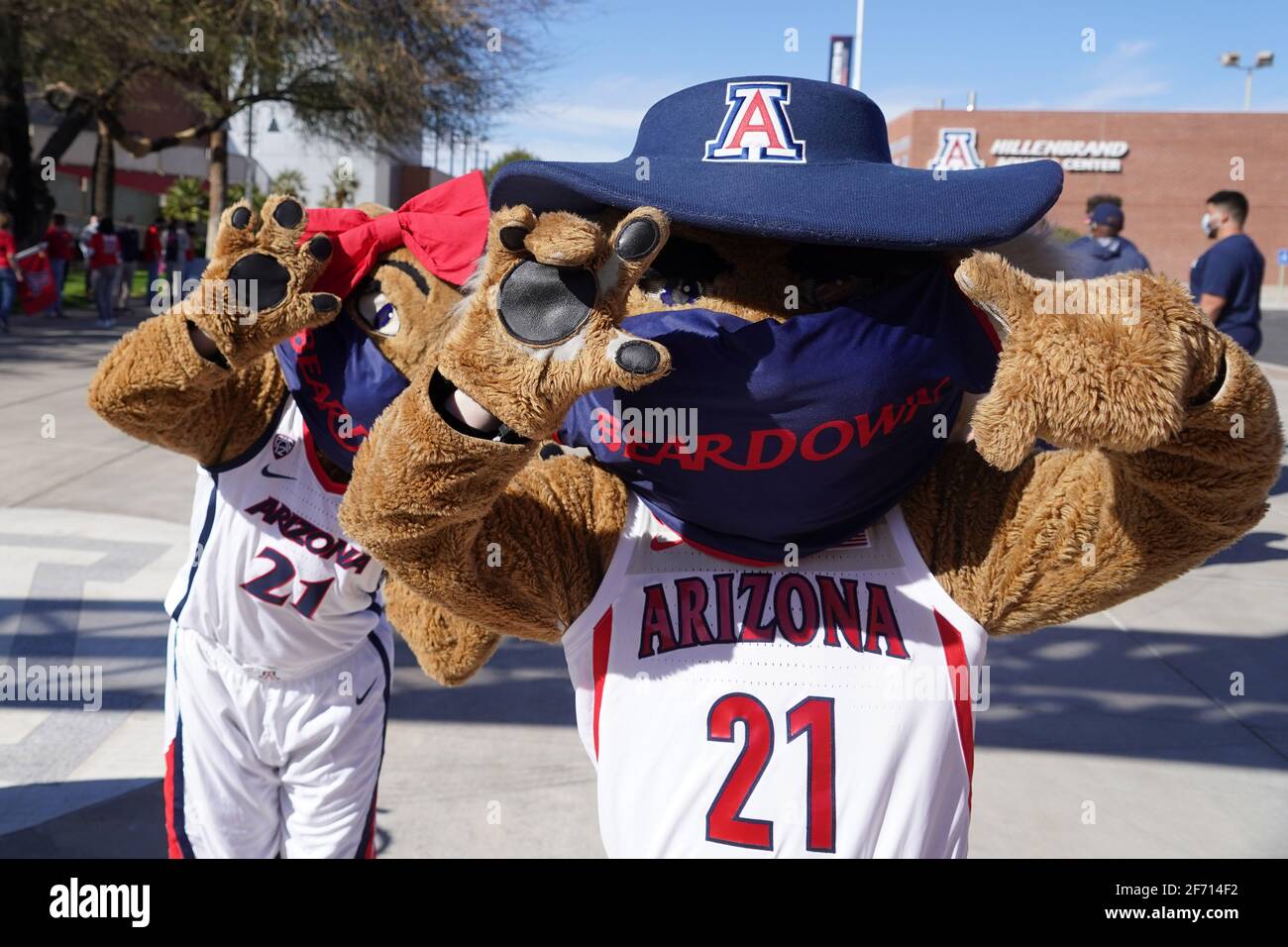
Mascots in Arizona serve as the physical embodiment of institutional values, bridging the gap between academic tradition and athletic fervor. Through iconic figures like Sparky the Sun Devil and Wilbur Wildcat, these symbols foster a deep sense of belonging, driving community engagement and maintaining historical legacies across the state’s diverse educational landscape.
The Cultural Significance of Collegiate Mascots in Arizona
In the sprawling desert landscapes and high-altitude pines of Arizona, collegiate mascots represent far more than costumed entertainment during halftime. By 2026, the role of the mascot has evolved into a sophisticated brand ambassador that anchors the identity of entire cities. Whether it is the Tucson community rallying behind the University of Arizona Wildcats or the Phoenix metropolitan area bleeding maroon and gold for the ASU Sun Devils, these figures are central to the state's social fabric.
The concept of "campus spirit" is often intangible, yet mascots provide a focal point for this energy. They act as the "face" of the university, appearing at hospitals, charity events, and business openings, effectively extending the university's reach beyond the campus gates. This presence builds a lifelong bond with alumni and a sense of aspirational belonging for local youth.
The University of Arizona: Wilbur and Wilma Wildcat
The University of Arizona (UArizona) boasts one of the most recognizable mascot pairings in the nation: Wilbur and Wilma Wildcat. The "Wildcat" moniker dates back to 1914, following a football game against Occidental College where a Los Angeles Times columnist noted that the Arizona players "showed the fight of wildcats." This simple observation birthed a century-long identity.
The Legend of "Bear Down"
To understand the spirit of Wilbur and Wilma, one must understand the "Bear Down" slogan. In 1926, student body president and football captain John "Button" Salmon was involved in a tragic car accident. His final words to his coach, Pop McKale, were "Tell them... tell the team to bear down." This phrase became the university’s rallying cry, and Wilbur Wildcat is the primary steward of this legacy.
Wilbur and Wilma’s Evolution
The first live mascot was a real desert bobcat named "Rufus Arizona," but the transition to costumed mascots in 1959 allowed for greater fan interaction. Wilbur is characterized by his rugged, cowboy-influenced attire, reflecting Tucson’s "Old West" heritage. In 1986, the university introduced Wilma Wildcat, and the two were officially "married" before a football game later that year. This partnership reflects a family-oriented campus culture and provides a unique dual-mascot dynamic that few other institutions can match.
Arizona State University: Sparky the Sun Devil
In Tempe, the identity of Arizona State University (ASU) is inextricably linked to Sparky the Sun Devil. Sparky is perhaps one of the most artistically significant mascots in collegiate sports, having been designed by former Disney animator Bert Anthony in 1946.
From Bulldogs to Sun Devils
Prior to 1946, ASU’s teams were known as the Bulldogs. However, the student body felt the name lacked a unique connection to the Arizona environment. The "Sun Devil" was chosen to reflect the heat and intensity of the Phoenix valley. Sparky, with his mischievous grin and iconic trident (the Pitchfork), represents an energetic, slightly rebellious spirit that aligns with ASU’s reputation for innovation and "New American University" ideals.
The Tradition of the Pitchfork
The "Fork 'em" hand gesture is a ubiquitous symbol of Sun Devil pride. Sparky leads the "Curtain of Distraction" during basketball games and performs push-ups after every touchdown on the football field, a physical manifestation of the university's endurance and competitive drive. By 2026, Sparky has also become a digital icon, featuring heavily in social media campaigns that target a global audience, proving that a mascot’s influence is no longer confined to the sidelines.
Northern Arizona University: Louie the Lumberjack
Located in the mountainous terrain of Flagstaff, Northern Arizona University (NAU) offers a stark contrast to the desert-based schools. Louie the Lumberjack is the personification of the rugged, high-altitude environment of Northern Arizona.
Rooted in Local Industry
The Lumberjack mascot pays homage to the region's historical logging industry. Louie is typically depicted with a large axe and a beanie, symbolizing the grit and hard work of the Flagstaff community. For students at NAU, Louie represents a connection to nature and the "True Blue" spirit of the mountains.
Building Community in the High Country
Louie is a staple of the annual Lumberjack Days and plays a crucial role in the "Running of the Freshmen" at the Skydome. His presence reinforces a specific sub-identity within the state—one that prides itself on being distinct from the metropolitan heat of Phoenix and Tucson. In 2026, NAU continues to use Louie to promote environmental stewardship, aligning the mascot with the university's focus on forestry and climate science.
Grand Canyon University: Thunder the Antelope
As a private Christian university in Phoenix, Grand Canyon University (GCU) has seen meteoric growth over the last two decades. Central to their explosive campus spirit is Thunder the Antelope.
The Rise of the Havocs
Thunder is the leader of the GCU Havocs, widely considered one of the most organized and energetic student sections in NCAA Division I basketball. The choice of an antelope stems from the university's biblical and regional roots, representing grace and speed. Thunder’s role is uniquely tied to the "Havoc" culture—a high-energy, inclusive environment that has redefined the college basketball experience in Arizona.
Community Identity through Faith and Sport
For GCU, Thunder is more than a sports icon; he is a symbol of the university’s mission to integrate faith, learning, and community service. Thunder is frequently seen at neighborhood revitalization projects in West Phoenix, illustrating how a mascot can serve as a bridge between a private institution and its local residents.
Comparing Arizona’s Major Collegiate Mascots
The following table summarizes the key characteristics and historical origins of the state's primary mascots as of 2026.
| University | Mascot Name | Year Established | Primary Values & Symbols | Campus Tradition |
|---|---|---|---|---|
| University of Arizona | Wilbur & Wilma | 1959 (Wilbur) | "Bear Down," Resilience, Legacy | The "A" Mountain Lighting |
| Arizona State University | Sparky | 1946 | Innovation, Intensity, The Pitchfork | Push-ups after touchdowns |
| Northern Arizona Univ. | Louie | 1915 (Name) | Ruggedness, Hard Work, Nature | Running of the Freshmen |
| Grand Canyon Univ. | Thunder | 1949 (Symbol) | Energy, Inclusion, Community | The Havocs Student Section |
The Territorial Cup: A Rivalry Defined by Mascots
The identity of Arizona’s mascots is most visible during the Territorial Cup series. This rivalry between UArizona and ASU is the oldest trophy game in college football history, and the mascots are the primary combatants in the "spirit war."
During Rivalry Week, the mascots take on a defensive role. At UArizona, students guard the "A" on Sentinel Peak to prevent Sun Devil fans (or Sparky) from painting it gold. Conversely, at ASU, the "A" on "A" Mountain is guarded against Wildcat incursion. This "guarding of the landmarks" is a ritualistic behavior that strengthens student bonds. The mascots represent the "general" of their respective student bodies, and their interactions—often humorous and competitive—provide a safe outlet for the intense regional rivalry.
Psychological and Sociological Impact of Mascots
The power of Arizona mascots lies in their ability to facilitate collective effervescence, a sociological concept where a community comes together to participate in the same action or thought. When thousands of fans do the "Pitchfork" or shout "Bear Down," they are experiencing a shared identity that transcends individual differences.
Fostering Belonging
For many students, especially first-generation college students who are prevalent in Arizona’s higher education system, the mascot provides an immediate entry point into a new social group. Identifying as a "Wildcat" or a "Sun Devil" gives students a sense of history and purpose.
Economic and Brand Identity
By 2026, the economic impact of these mascots is significant. Licensing and merchandise revenue for Sparky and Wilbur contributes millions of dollars to their respective athletic departments. Furthermore, the "mascot brand" is a key tool in student recruitment. A strong, recognizable mascot suggests a vibrant campus life, which is a major factor for prospective students when choosing a university.
Modern Trends: Mascots in the Digital Age of 2026
In 2026, the traditional costumed performer is just one facet of the mascot's existence. The "Digital Mascot" has become a vital component of campus spirit.
- Social Media Influencers: Sparky and Wilbur maintain independent social media profiles with hundreds of thousands of followers. They "post" content that ranges from game highlights to student life tips, maintaining engagement during the off-season.
- Virtual Reality (VR) Experiences: Arizona universities now offer VR "Game Day" experiences where fans can "be" the mascot, running out of the tunnel or leading a cheer. This technology allows distant alumni to stay connected to the campus spirit.
- NIL and Student Performers: With Name, Image, and Likeness (NIL) rules fully matured by 2026, the students who portray these mascots are often recognized for their athletic and performative skills, sometimes securing personal branding deals that highlight the rigor required to maintain the mascot’s persona.
Frequently Asked Questions
Who is the oldest mascot in Arizona?
While the names and symbols like the Lumberjack (NAU) and Wildcat (UArizona) date back to the early 1910s, Sparky the Sun Devil (ASU) is often cited as the most enduring and consistent visual design, having been professionally designed by a Disney artist in 1946. UArizona's Wilbur did not take his current costumed form until 1959.
Are Wilbur and Wilma Wildcat actually married?
Yes, in the university's official lore, Wilbur and Wilma Wildcat were married on November 21, 1986. The ceremony took place before a football game against Arizona State University, cementing their status as the "First Couple" of Tucson athletics.
Why is ASU's mascot a Sun Devil?
The name was adopted in 1946 to replace the "Bulldog" mascot. Students and faculty wanted a name that was more representative of the local climate and unique to the region. The Sun Devil is a reference to the "dust devils" common in the Arizona desert, combined with the intense heat of the sun.
Can anyone become a university mascot in Arizona?
The selection process is highly competitive. At schools like ASU and UArizona, students must undergo rigorous tryouts that include dance routines, improv acting, and physical fitness tests. Performers must also maintain a specific GPA and adhere to strict codes of silence while in costume to maintain the "magic" of the character.
What is the "Territorial Cup"?
The Territorial Cup is the trophy awarded to the winner of the annual football game between ASU and UArizona. It is recognized by the NCAA as the oldest rivalry trophy in college football, dating back to 1899, before Arizona was even a state.
Strategic Recommendations for Engaging with Campus Spirit
To fully experience the community identity fostered by Arizona mascots, fans and prospective students should consider the following actions:
- Attend a Non-Athletic Event: Mascots frequently appear at academic convocations, local parades, and charity walks. These venues offer a more intimate look at how the mascot interacts with the local community outside the high-pressure environment of a stadium.
- Learn the History: Understanding the origin of "Bear Down" or the design of Sparky enriches the experience of being a fan. Visit the university archives or heritage centers, such as the Hallenbeck Heritage Lobby at ASU, to see the evolution of mascot imagery.
- Support Student Traditions: Campus spirit is a bottom-up phenomenon. Participate in traditions like the lighting of the "A" or the Havoc’s "Midnight Madness" to see how the mascot serves as a catalyst for student-led enthusiasm.
- Follow Official Digital Channels: In 2026, the most current updates regarding mascot appearances and special community initiatives are found on their dedicated social media platforms.
By embracing these icons, students and community members contribute to a legacy that spans over a century, ensuring that the unique spirit of Arizona’s universities remains vibrant for generations to come.