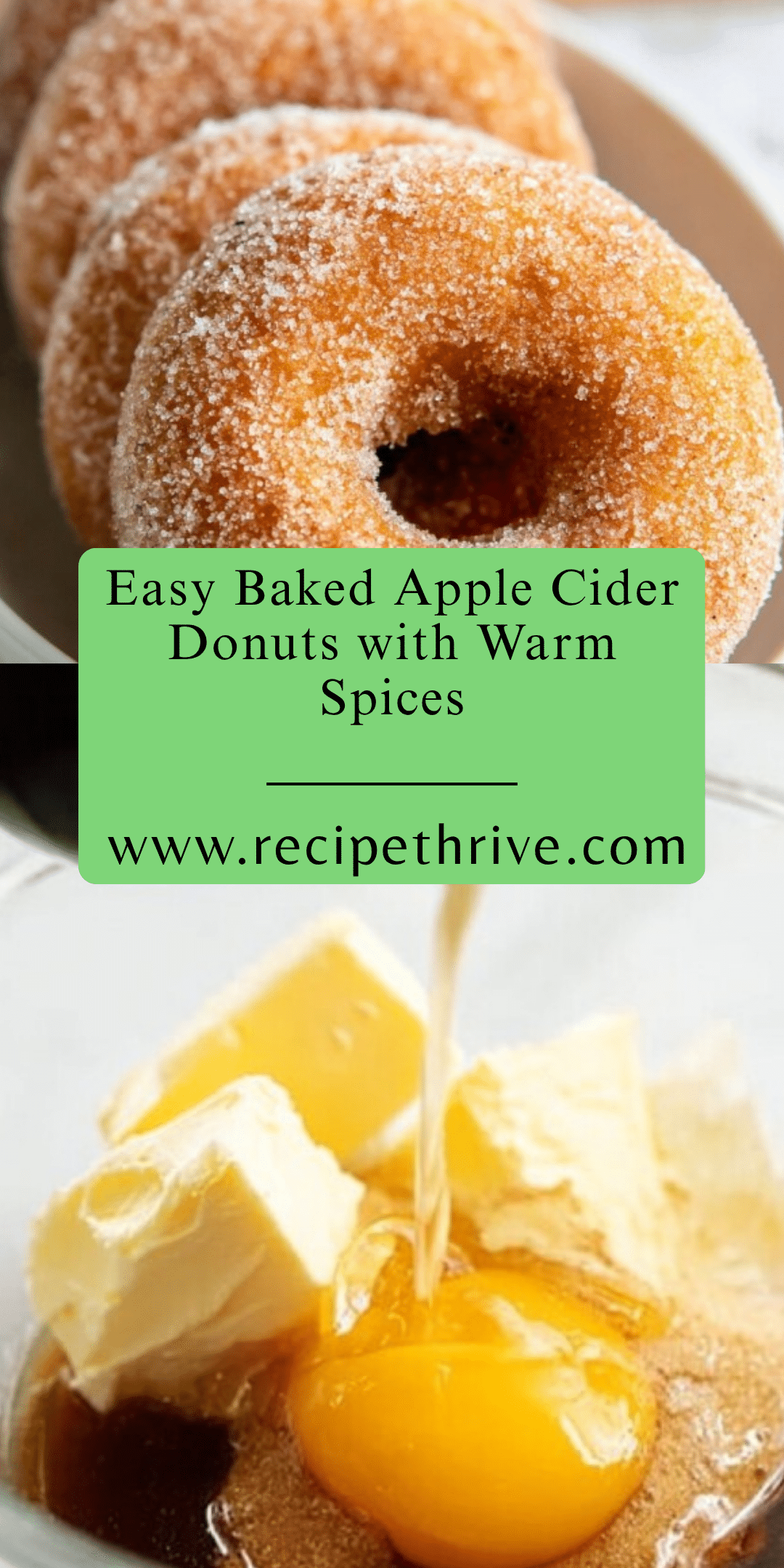
Authentic apple cider donuts rely on a specialized blend of dry and wet ingredients: concentrated apple cider reduction, spiced sugar coatings, low-protein flour, warm spices like nutmeg and cinnamon, butter, egg yolks, leaveners, and cultured dairy. The acid and natural sugars in reduced cider create their signature tender crumb, crisp crust, and deep autumnal flavor.
The Core Chemistry: Breakdown of Apple Cider Donut Ingredients
Understanding apple cider donut ingredients requires looking beyond a simple shopping list. Cake donut baking is a delicate balance of hydration, fat content, structural proteins, and leavening chemistry. Unlike yeast-raised donuts—which rely on gluten networks developed through kneading and fermentation—apple cider donuts are traditional cake donuts. Their structure depends on egg proteins and starch gelatinization, softened by high concentrations of fat, sugar, and acid.
Every single ingredient in an apple cider donut recipe serves a precise structural, chemical, or aromatic purpose. Skimping on one or making improper substitutions alters the moisture retention, density, and classic flavor profile that defines this New England orchard staple.
- Unfiltered Apple Cider (Simmer & Reduce) to Concentrated Flavor & Acid
- Combine Ingredients:
- WET INGREDIENTS
- Unsalted Butter (Fat & Shortening)
- Egg Yolks (Emulsifiers & Structure)
- Sour Cream / Buttermilk (Lactic Acid & Crumb Tenderizer)
- DRY INGREDIENTS
- Pastry / Cake Flour (Low Gluten)
- Granulated & Brown Sugar (Moisture & Crust)
- Leavening: Baking Powder + Soda
- Spice Blend: Fresh Nutmeg & Cinnamon
- WET INGREDIENTS
- BATTER / DOUGH FORMATION
- BAKING OR DEEP FRYING
- CINNAMON-SUGAR COATING
The Flavor Engine: Apple Cider and Flavor Concentrates
The defining component of these donuts is apple cider, but raw cider directly from the jug contains too much water relative to its flavor concentration. If you add enough liquid apple cider to a batter to taste the fruit, the excess moisture will over-hydrate the flour, creating a gummy dough or a weak gluten structure that collapses during baking or frying.
- Apple Cider Reduction: Traditional recipes reduce fresh, unfiltered apple cider down to a fraction of its original volume. Simmering two cups of fresh cider down to one-half cup evaporates water while concentrating natural fructose, malic acid, and volatile aromatic compounds. This intense liquid provides robust flavor without destroying the structural balance of the dough.
- Boiled Cider (Apple Molasses): Commercial bakeries often use pre-made boiled cider—a dark, viscous syrup made by reducing apple cider to one-seventh of its volume. It adds deep caramel notes and sharp acidity that cuts through fried fats.
- Apple Butter: Some modern formulas supplement cider reduction with a tablespoon of smooth apple butter. Apple butter adds pectin and cooked sugar depth, contributing to a denser, more cohesive crumb structure.
The Flour Foundation: All-Purpose vs. Cake Flour
Flour forms the structural matrix of the donut. The protein content of the flour determines how much gluten develops during mixing, directly impacting the final texture.
- Cake Flour (7% to 9% Protein): Yields the softest, most delicate crumb. The lower protein content limits gluten formation, ensuring the donut remains melt-in-your-mouth tender rather than chewy. Cake flour is often chlorinated, which lowers its pH, allows starches to absorb water faster, and helps the batter carry more sugar and fat without collapsing.
- All-Purpose Flour (10% to 12% Protein): Provides more structure and chew, making it ideal for cut, fried cake donuts that must hold a sharp ring shape in hot oil. However, using 100% all-purpose flour without adjusting fat or acid can result in a bread-like, dense donut.
- The Hybrid Blend: Professional pastry chefs often use a 50/50 mix of all-purpose flour and cake flour (or pastry flour). This provides sufficient gluten strength to withstand rolling and cutting while preserving a tender, cake-like interior.
Fats and Moisture: Unsalted Butter, Sour Cream, and Egg Yolks
Fats perform two major roles in cake donut dough: tenderizing the crumb by coating flour proteins (preventing excessive gluten formation) and carrying flavor compounds across the palate.
- Unsalted Butter: Creamed or melted unsalted butter adds rich milk solids and moisture. Using unsalted butter allows precise control over the salt content, which is critical since excess salt can inhibit leavening and mask subtle fruit notes.
- Sour Cream or Full-Fat Buttermilk: Dairy fats paired with lactic acid are essential to authentic cider donuts. Sour cream (containing roughly 18% to 20% butterfat) provides a velvety texture and an acidic pH. The acid softens protein strands in the flour, resulting in a soft crumb, while its rich lipids keep the donut moist for days.
- Egg Yolks: Whole eggs supply structure through protein coagulation, but extra egg yolks introduce lecithin—a natural emulsifier. Lecithin binds water-based ingredients (cider reduction and dairy) with fat-based ingredients (butter and lipids), producing a uniform batter that traps air evenly during baking.
Leavening Agents: Baking Powder and Baking Soda Balance
Achieving the characteristic light rise and golden crust requires a dual-leavening strategy using both baking powder and baking soda.
Acid Source (Apple Cider Reduction + Sour Cream) + Baking Soda (Sodium Bicarbonate): Rapid Early CO2 Rise
Heat Activation + Baking Powder (Double-Acting Monocalcium Phosphate/SAPP): Secondary Oven/Fryer Rise
Baking Powder: Acts as the primary double-acting leavener. It releases carbon dioxide gas upon contact with liquid and again when exposed to heat in the oven or deep fryer. This secondary rise creates a light cellular structure inside the donut ring.
Baking Soda (Sodium Bicarbonate): Reacts instantly with the high acid content of the apple cider reduction and sour cream. This chemical reaction neutralizes excess acidity while generating immediate carbon dioxide bubbles. Neutralizing just enough acid promotes proper surface browning via the Maillard reaction.
The Spice Matrix: Nutmeg, Cinnamon, Allspice, and Cardamom
While apple cider gives the donut its name, ground nutmeg is the true aromatic signature of traditional New England cake donuts.
- Freshly Grated Whole Nutmeg: Essential for an authentic orchard donut taste. Commercial ground nutmeg loses its volatile essential oils (primarily myristicin and elemicin) quickly. Freshly grated nutmeg introduces a warm, pine-and-citrus woodiness that highlights the natural acidity of reduced apples.
- Ground Cinnamon: Provides warmth and sweetness. Ceylon cinnamon offers a delicate, floral profile, while Saigon (Cassia) cinnamon delivers a sharp, spicy punch that holds up well against deep frying.
- Allspice and Cardamom: Secondary spices used sparingly (1/8 to 1/4 teaspoon per batch) to add complexity, depth, and a subtle herbal background note.
The Cinnamon Sugar Coating: Ingredients for the Perfect Crust
An apple cider donut is incomplete without its characteristic crunchy spice coating. Applying this layer correctly relies on understanding temperature, sugar crystal size, and fat adhesion.
- Freshly Baked / Fried Donut
- Brush with Warm Butter: Creates tacky fat interface
- Cinnamon-Sugar Blend Coating: Medium-granulated sugar resists melting; cinnamon clings to oil film
Sugar Granulation Selection
Standard granulated white sugar (medium crystal size) provides the ideal crunch without melting completely into the hot oil film on the donut surface. Avoid confectioners' sugar for the base coating, as it absorbs moisture instantly and turns into a sticky, wet glaze. Extra-fine or caster sugar can be mixed with regular sugar if a softer, velvety sugar coating is preferred.
Cinnamon-to-Sugar Ratio
The standard ratio for apple cider donut sugar is 1/2 cup of granulated white sugar to 1 to 2 tablespoons of ground cinnamon. Adding a pinch of fine sea salt and a dash of ground nutmeg directly into the sugar mixture elevates the coating from simple sweetness to a complex spice crust.
The Butter Binding Method
For baked donuts—which lack surface oil straight from the pan—brushing warm, melted unsalted butter over the entire donut immediately after unmolding is mandatory. The warm butter acts as a glue for the cinnamon sugar, creating a crisp barrier that locks in moisture and prevents the donut from becoming stale.
Master Ingredient Ratio Table and Functional Roles
The table below outlines a standard professional formula for traditional cut-and-fried or baked apple cider donuts, based on standard baker's percentages where total flour weight equals 100%.
| Ingredient | Standard Amount (per 350g Flour) | Baker’s Percentage (%) | Primary Functional Role | Ideal Substitutions / Variations |
|---|---|---|---|---|
| All-Purpose or Cake Flour | 350g (approx. 2.75 cups) | 100% | Provides gluten structure, starch network, and bulk body. | 50/50 AP/Cake flour mix; 1:1 1-to-1 Gluten-Free Baking Flour. |
| Apple Cider Reduction | 120ml (reduced from 480ml) | ~34% | Primary flavor agent; provides malic acid and moisture. | Commercial boiled cider (reduced 7:1); concentrated apple juice concentrate. |
| Unsalted Butter | 55g (4 tbsp, melted/softened) | ~16% | Shortens gluten strands, adds flavor richness, soft crumb. | High-fat European butter; neutral refined coconut oil (dairy-free). |
| Granulated White Sugar | 100g (1/2 cup) | ~28% | Retains moisture, tenderizes crumb, promotes crust browning. | Organic cane sugar; raw turbinado (for coating only). |
| Light Brown Sugar | 50g (1/4 cup packed) | ~14% | Adds molasses depth, acidity, moisture, and soft texture. | Dark brown sugar; coconut sugar. |
| Large Egg + Egg Yolk | 1 whole egg + 1 yolk (~75g) | ~21% | Emulsification (lecithin), structural binder, color, rise support. | Commercial egg replacer; aquafaba (3 tbsp per egg). |
| Sour Cream or Buttermilk | 80g (1/3 cup) | ~23% | Lactic acid tenderizes gluten; high fat adds moistness. | Plain full-fat Greek yogurt; whole milk kefir; coconut cream. |
| Baking Powder | 7g (1.5 tsp) | 2% | Primary double-acting leavening agent for volume and rise. | Aluminum-free baking powder. |
| Baking Soda | 2.5g (1/2 tsp) | ~0.7% | Neutralizes cider/sour cream acid; promotes Maillard browning. | Potassium bicarbonate (sodium-free diets). |
| Fine Sea Salt | 3g (1/2 tsp) | ~0.8% | Enhances apple flavors, balances sweetness, strengthens gluten. | Kosher salt (increase volume weight by 1.5x). |
| Ground Cinnamon | 4g (1.5 tsp) | ~1.1% | Core spice aroma in dough and coating. | Saigon or Korintje cinnamon. |
| Freshly Grated Nutmeg | 2g (3/4 tsp) | ~0.5% | Signature classic New England donut aromatic profile. | Mace (ground outer aril of nutmeg fruit). |
Deep Dive into Key Ingredients and Techniques
Why Fresh Unfiltered Apple Cider Matters
Not all apple-based liquids are created equal. Supermarket apple juice is filtered, clarified, pasteurized at high temperatures, and often adjusted with added water and high-fructose corn syrup. It lacks the complex tannin structure, cloudiness (pectin fragments), and punchy tartness of orchard-fresh cider.
Unfiltered apple cider retains microscopic suspended apple solids and natural pectin. When reduced over low heat, these solids concentrate into a thick, cloudy liquid packed with natural apple flavor. The U.S. Department of Agriculture (USDA) guidelines for fruit beverages distinguish fresh cider by its raw state and natural solids content, which give cake donuts their distinctive texture and rich taste.
- Fresh Unfiltered Cider: High Solids + Natural Pectin + Malic Acid yields Rich Flavor & Soft Crumb
- Filtered Apple Juice: Clarified Water + Added Sugar yields Thin Flavor & Excessive Sweetness
The Reduction Process: Water Evaporating for Maximum Flavor
To make an effective reduction at home or in a bakery:
- Start with 4 parts fresh cider (e.g., 4 cups or 960ml).
- Simmer gently over medium-low heat in a wide, shallow skillet or saucepan. A wider surface area accelerates evaporation without scorching the natural sugars.
- Reduce until it reaches 1 part volume (1 cup or 240ml).
- Allow the concentrated liquid to cool completely to room temperature (around 68°F to 72°F) before mixing it into the wet ingredients. Adding boiling cider reduction directly to batter cooks the egg proteins prematurely, curdling the mixture and ruining the crumb texture.
Dairy and Acidity: Sour Cream, Buttermilk, or Greek Yogurt
The interplay between dairy fat and acidity is critical to gluten control. Wheat flour contains two main proteins: glutenin (which provides elasticity) and gliadin (which provides extensibility). When mixed with water, these proteins form gluten networks.
The lactic acid in sour cream or buttermilk lowers the dough's pH. Acidic conditions slow down excessive gluten cross-linking, resulting in short, tender protein chains. Combined with the high butterfat in sour cream, this acidic environment guarantees that the donut remains tender for days without going stale.
Baked vs. Fried Apple Cider Donuts: Ingredient Adjustments
Whether you bake your donuts in a silicone donut pan or deep-fry hand-cut rings of dough, you must tailor the ingredient formulation accordingly.
- Donut Method:
- Baked Donuts (Cake Batter): Higher Hydration, Piping Consistency
- Fried Donuts (Cut Dough): Higher Protein, Chill Step, Oil Selection
Hydration Ratios for Baked Donuts
Baked apple cider donuts require a loose, pourable batter similar to heavy muffin batter.
- Higher Hydration: Increase the cider reduction or sour cream volume by 10% to 15%.
- Lower Fat in Dough: Since baked donuts do not absorb oil during cooking, adding slightly more butter (up to 5 tablespoons per 350g flour) helps maintain a rich mouthfeel.
- Piping Consistency: The batter should flow smoothly from a pastry bag into the greased cavities of a donut pan without running flat.
Structural Needs for Fried Cake Donuts
Fried cake donuts require a firm, chillable dough that can be rolled out to a 1/2-inch thickness and cut into sharp rings using a cutter.
- Higher Protein Flour: Use a higher proportion of all-purpose flour to ensure the raw dough rings retain their shape when transferred into hot oil.
- Chilling Step: The high fat content (butter and yolk) must be chilled for at least 2 hours (or overnight) at 38°F (3°C) before rolling. Chilling firms up the butter and hydrates the starch molecules, making the dough easy to cut without adding excess raw flour, which burns in the fryer.
- Frying Oil Selection: Fry at 360°F to 375°F (182°C to 190°C) using neutral oils with high smoke points. Refined peanut oil, canola oil, high-oleic sunflower oil, or vegetable shortening are ideal options. Avoid unrefined oils (like extra virgin olive oil or unrefined coconut oil), which smoke at low temperatures and impart heavy off-flavors to the donuts.
Ingredient Substitutions for Dietary Restrictions
Adapting traditional apple cider donut ingredients for dietary restrictions requires functional swaps that maintain the structure, moisture retention, and flavor profile of the original recipe.
Gluten-Free Flour Blends
To make gluten-free apple cider donuts, replace standard wheat flour with a high-quality 1-to-1 gluten-free baking blend that contains rice flour, tapioca starch, potato starch, and xanthan gum.
- Xanthan Gum Function: If your blend lacks xanthan gum, add 1/4 teaspoon per cup of flour. Xanthan gum replaces gluten by trapping gas bubbles produced by the leaveners.
- Hydration Adjustment: Gluten-free starches absorb liquids more slowly than wheat flour. Let gluten-free donut batter rest at room temperature for 15 to 20 minutes before baking or chilling so the starches can fully hydrate, eliminating any gritty texture.
Dairy-Free Alternatives
- Butter Swaps: Use vegan block butter formulated for baking (such as cultured cashew or soy-based butter) or refined coconut oil in a 1:1 ratio. Avoid soft tub spreads, which contain high water percentages that disrupt the liquid balance.
- Sour Cream Swaps: Replace dairy sour cream with unsweetened plain coconut cream or plain almond-milk yogurt mixed with 1/2 teaspoon of fresh lemon juice or apple cider vinegar to match the required acidity.
Egg-Free Baking Solutions
- Commercial Egg Replacers: Potato starch and tapioca-based commercial egg replacers work best for structure.
- Unsweetened Applesauce: Substitute 1/4 cup (60g) of smooth unsweetened applesauce for the whole egg. Applesauce reinforces the fruit flavor profile while providing natural pectin binder. Add 1/4 teaspoon of extra baking powder to offset the weight of the fruit puree.
Common Ingredient Mistakes and How to Avoid Them
Even experienced bakers can run into issues with apple cider donut dough. Avoiding these key ingredient mistakes will ensure your donuts come out perfect every time.
1. Using Store-Bought Apple Juice Instead of Reduced Apple Cider
- The Mistake: Using commercial apple juice directly out of the bottle.
- The Result: Pale, bland donuts with an overwhelmingly sweet taste and zero apple aroma.
- The Fix: Always reduce fresh, unfiltered cider down to one-quarter of its original volume, or use high-quality commercial boiled cider syrup.
2. Over-Mixing the Batter
- The Mistake: Vigorous mixing after adding the dry ingredients to the liquid mixture.
- The Result: Excessive gluten development, yielding tough, rubbery, or chewy donuts with uneven air pockets (tunnels).
- The Fix: Gently fold dry ingredients into wet ingredients using a rubber spatula just until no raw flour streaks remain.
3. Relying Solely on Stale Ground Spices
- The Mistake: Using ground nutmeg or cinnamon that has sat in the pantry for months or years.
- The Result: Flat, dull spices that fail to balance the rich fried fat and sweet sugars.
- The Fix: Purchase whole nutmeg seeds and grate them fresh using a microplane. Use fresh, high-grade cinnamon harvested within the past year.
4. Applying the Cinnamon Sugar at the Wrong Temperature
- The Mistake: Tossing donuts in cinnamon sugar when they are piping hot out of the fryer, or waiting until they are completely cold.
- The Result: Hot donuts melt the sugar into a greasy paste, while cold donuts fail to grip the sugar at all.
- The Fix: Drain fried donuts on a wire rack for 60 to 90 seconds until warm to the touch, then toss them in the spiced sugar. For baked donuts, brush lightly with warm melted butter while warm, then coat immediately.
Frequently Asked Questions
Can I make apple cider donuts without reducing the cider first?
While you can use raw apple cider without reducing it, your donuts will lack a noticeable apple flavor. Raw cider contains roughly 88% water; adding enough unreduced cider to taste the apple introduces excess liquid that ruins the dough consistency. If you cannot reduce cider at home, use commercial boiled apple cider or substitute 2 tablespoons of frozen apple juice concentrate (thawed) directly into the wet ingredients.
What is the secret ingredient in traditional New England apple cider donuts?
The authentic flavor of New England apple cider donuts relies on two key ingredients: freshly grated whole nutmeg and lactic acid from sour cream. While cider provides the fruit flavor, the complex woodsy aroma of fresh nutmeg paired with the tangy rich crumb created by sour cream defines the classic orchard donut profile.
Why are my apple cider donuts dry or dense?
Dry donuts usually result from using too much flour (measuring flour by volume with a scoop instead of using a digital scale) or over-baking the dough. Dense donuts occur when leaveners are old, when the dough is over-mixed, or when the cider reduction was added while still hot, which premature-cooks the egg proteins and kills the leavening reaction.
What is the best frying oil for apple cider donuts?
The best oils for frying cake donuts are neutral-flavored oils with high smoke points (above 400°F / 204°C). Neutral peanut oil, canola oil, refined sunflower oil, or vegetable shortening work exceptionally well. Avoid unrefined oils like extra virgin olive oil or unrefined coconut oil, which smoke easily and overpower the subtle apple spice flavor.
Can I substitute apple juice for apple cider in the recipe?
Apple juice can be substituted in a pinch, but it produces a sweeter, less complex donut. Apple juice lacks the natural apple solids, suspended pectin, and raw malic acid found in unfiltered apple cider. If using apple juice, add 1/2 teaspoon of fresh lemon juice per batch to restore the necessary acidity for leavening balance and balance the sugar content.
Practical Baking Workflow and Next Steps
To make authentic apple cider donuts at home, follow this streamlined ingredient preparation sequence:
- Measure by Weight: Use a digital kitchen scale to measure all dry ingredients in grams for exact consistency.
- Prepare the Cider Concentration: Simmer 2 cups (480ml) of fresh, unfiltered apple cider in a wide skillet until reduced to 1/2 cup (120ml). Chill the liquid in the refrigerator until it reaches room temperature.
- Grate Spices Fresh: Grate whole nutmeg using a fine microplane grater right before combining your dry ingredients to lock in the aromatic oils.
- Maintain Fat Temperatures: Ensure your butter is melted but cooled, and bring your egg yolks and sour cream to room temperature (approx. 65°F to 70°F) before emulsifying with the liquid cider reduction.
- Coat While Warm: Mix your cinnamon-sugar coating ahead of time so it is ready the moment your baked or fried donuts complete their 60-second resting phase on the cooling rack.