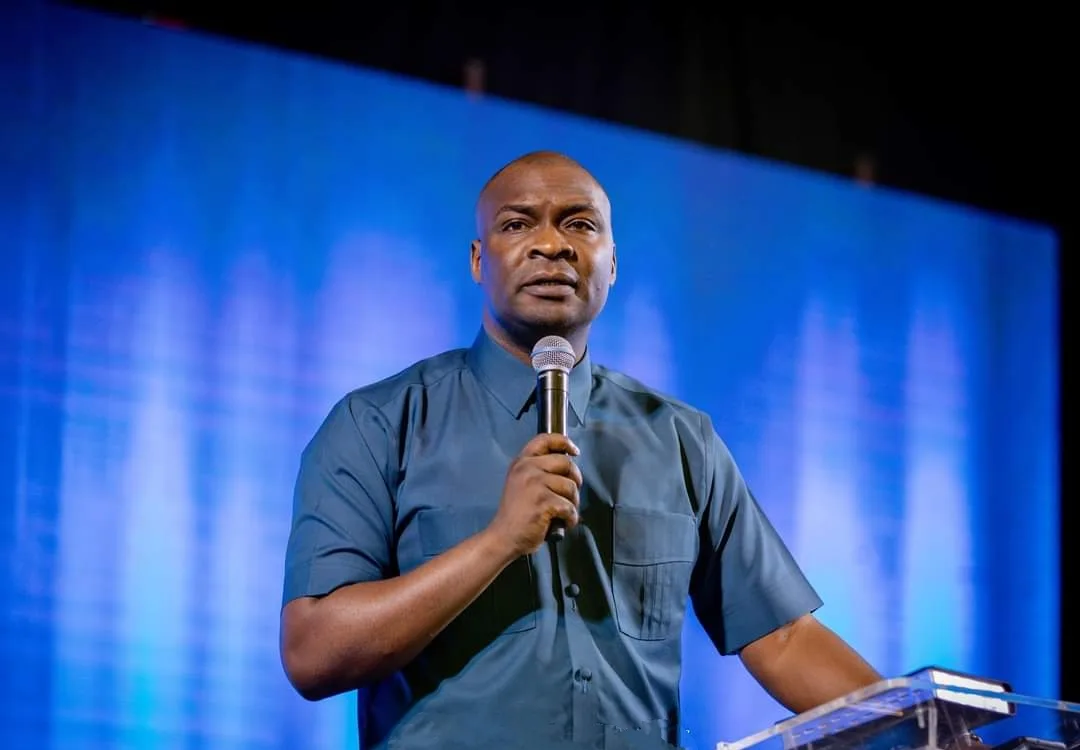
Apostle Joshua Selman's estimated net worth is reported by media and financial aggregators to sit between $1 million and $5 million. However, no officially audited personal financial statement exists. As the founder of Eternity Network International (ENI), his personal finances are legally distinct from the operational capital of his ministry, which operates primarily on voluntary donations, tithes, and partner contributions.
Analyzing the Net Worth Figures for Apostle Joshua Selman
Public interest in the net worth of prominent African spiritual leaders has surged alongside the expansion of digital media and international ministry networks. For Apostle Joshua Selman Nimmak—a Nigerian televangelist, teacher, and founder of Eternity Network International (ENI)—financial estimates circulating across online portals consistently place his net worth within the $1 million to $5 million range.
These figures represent third-party speculative evaluations rather than confirmed audit disclosures. Online financial aggregators calculate such estimates by modeling digital reach, YouTube stream metrics, venue capacities, estimated attendance, and generalized operational parameters of comparable religious organizations in West Africa.
- Estimated Range: $1,000,000 – $5,000,000 (Third-Party Media Aggregations)
- Official Status: Unaudited / Undisclosed Personal Financial Records
- Primary Vehicle: Eternity Network International (ENI) / Koinonia
Unlike commercial executives or corporate founders, a spiritual leader’s personal net worth cannot be measured accurately by evaluating the total assets managed by their affiliated organization. Evaluating Joshua Selman’s financial status requires examining the operational framework of Eternity Network International, the distribution model of his teachings, and the legal structures governing non-profit religious organizations under Nigerian law.
Disambiguating Personal Wealth from Ministry Assets
A core challenge in assessing the financial standing of public ministers in Nigeria is separating personal personal equity from organizational holdings. Under the Companies and Allied Matters Act (CAMA 2020) in Nigeria, incorporated trustees—including churches and Christian ministries—are structured as non-profit entities. The capital accumulated by these organizations belongs to the institution, governed by a board of trustees, rather than to an individual minister.
Legal and Financial Boundaries
- Incorporated Trustee Structure: Eternity Network International is legally registered to fulfill religious and educational objectives. Property, audio-visual equipment, real estate leases, and ministry cash reserves are legally bound to the entity.
- Stipends vs. Organizational Reserves: While senior ministers receive compensation, housing allowances, or honorariums authorized by board governance, these disbursements constitute standard operational expenses rather than net asset ownership for the leader.
- Re-investment in Infrastructure: High-budget operations—such as multi-camera live broadcasting, large-format LED displays, high-capacity acoustic treatment, and venue rentals in central Abuja—represent ministry operational expenses rather than personal wealth accumulation.
Because Selman does not hold personal equity in Eternity Network International, attributing the entire valuation of Koinonia’s technological infrastructure or real estate footprint to his personal net worth is legally inaccurate.
The Non-Commercial Distribution Model of Koinonia
To understand the financial dynamics of Apostle Joshua Selman’s ministry, one must analyze the content distribution framework of Koinonia, the weekly apostolic and prophetic meeting hosted by ENI.
Most high-profile Christian ministers monetize their intellectual property through book publishers, gated media subscriptions, paid conference registrations, or monetized digital storefronts. Selman has maintained a non-commercial distribution policy since founding the ministry in Zaria, Kaduna State, in 2011.
- ENI Content Distribution Strategy
- Free Audio MP3 Downloads: Public Web / Telegram Servers
- Free Video Streams: YouTube / Social Channels
- Free Physical Attendance: Abuja & Zaria Worship Centers
- Open Access Literature: Un-gated Study Guides & Outlines
Key Elements of the Content Framework
- Un-gated Digital Audio: Millions of sermon files in MP3 format are distributed free of charge through official website servers, Telegram channels, and authorized third-party Gospel message archives.
- No Gated Content: Books, teaching outlines, and audio series are not placed behind paywalls or sold at premium pricing during meetings.
- Open Attendance: Koinonia services—held weekly at the national headquarters in Abuja and the branch in Zaria—charge no entry, registration, or seat reservation fees.
- Digital Monetization Policy: While official YouTube channels generate standard platform ad revenues based on view volume, these proceeds are typically channeled back into digital media infrastructure, cloud storage hosting, and high-definition streaming hardware.
By removing direct price tags from his teachings, Selman operates a model driven by voluntary financial partnership rather than transactional retail sales.
Revenue Streams Supporting Eternity Network International
Although content is distributed without direct fees, sustaining a global ministry with weekly multi-thousand-person attendances requires substantial capital. Eternity Network International relies on several core financial mechanisms:
1. Voluntary Koinonia Partners
The primary financial backbone of ENI is its network of global partners, often designated as Koinonia Partners. These are individuals, business professionals, and diaspora supporters who commit to recurring monthly or periodic financial contributions. These funds support humanitarian projects, venue overhead, media broadcasting, and staff salaries.
2. Service Tithes and Offerings
During weekly Koinonia meetings in Abuja and Zaria, as well as special events like the annual Koinonia UK Conference or campus crusades, voluntary tithes and offerings are collected from attendees. These contributions cover immediate logistical expenses, facility rentals, security, and municipal permits.
3. Honorariums and Invitations
As an internationally sought-after speaker, Apostle Joshua Selman addresses major Christian conferences, universities, and church conventions across Africa, Europe, North America, and the United Kingdom. Inviting organizations typically cover travel, accommodation, and provide financial honorariums. While some ministers retain honorariums personally, many direct portions of speaker fees back into their central ministry funds or personal philanthropic endeavors.
Apostle Joshua Selman’s Doctrine on Wealth and Economics
Apostle Joshua Selman's financial perspective is anchored in his extensive theological teachings on money, management, and resource stewardship. His sermon series—such as Kingdom Economics, The Dynamics of Wealth Creation, and Breakthrough Secrets—are widely studied across Christian academic and economic circles in Africa.
- THE FOUR PILLARS OF WEALTH (Apostle Joshua Selman Doctrine)
- Spiritual Alignment (Faith & Law)
- Value Creation & Solution (Solving Problems)
- Productivity & Competence (Skill Mastery)
- Stewardship & Integrity (Accountability)
Selman’s economic framework breaks down wealth creation into four structured pillars:
- Spiritual Alignment: Grounding financial pursuits in biblical ethics, tithing, covenant practice, and integrity, asserting that wealth without spiritual alignment leads to personal ruin.
- Value Creation: Teaching that sustainable wealth is not created by prayer alone, but by solving tangible human problems. He emphasizes that money is a medium of exchange for value rendered to society.
- Productivity and Competence: Encouraging followers to acquire high-value personal skills, professional expertise, and business management capabilities to remain relevant in global markets.
- Stewardship and Benevolence: Asserting that the ultimate purpose of financial abundance is kingdom expansion, poverty alleviation, and community development rather than ostentatious living.
Through these teachings, Selman promotes financial independence and economic literacy among youth and young professionals across Nigeria and the African diaspora.
Comparative Analysis of Ministry Financial Models
To contextualize the operational scale of Eternity Network International relative to traditional religious organizations and charity foundations, the following matrix outlines operational differences across key performance indicators:
| Financial Metric / Feature | Eternity Network International (Koinonia) | Commercial Tele-Ministry Model | Traditional Non-Profit Charity |
|---|---|---|---|
| Primary Revenue Source | Voluntary Partners, Tithes, Seed Sowing | Content Sales, Books, Airtime Sponsorship | Institutional Grants, Public Donations |
| Media Distribution | Free Audio MP3s, Open Streams | Paid Digital Products, Pay-Per-View | Freely Distributed Campaign Media |
| Intellectual Property | Un-gated Distribution Model | Copyrighted Retail Books & Media | Public Domain / Educational Distribution |
| Personal Equity Ownership | Non-Profit Board Governance | Founder-Owned Commercial Assets | Non-Profit Board Governance |
| Primary Capital Focus | Media Technology, Venue Logistics, Missions | Media Production, Retail Expansion | Program Execution, Humanitarian Relief |
| Financial Transparency | Internal Board & Trustee Audit | Private Corporate Filings | Public Form 990 / Regulatory Audits |
Infrastructure, Logistics, and Organizational Assets
While personal wealth estimates remain speculative, the physical and digital infrastructure managed by Eternity Network International is substantial. Evaluating these operational assets demonstrates where the majority of institutional capital is deployed.
1. Koinonia Abuja Headquarters
The relocation of Koinonia’s primary weekly service from Zaria to the Federal Capital Territory (Abuja) marked a significant expansion in operational scale. Leasing, equipping, and managing high-capacity service venues in Abuja involves major capital outlay for:
- High-definition multi-camera broadcasting rigs.
- Digital acoustic management systems and line-array speakers.
- Industrial generator installations to ensure uninterrupted power supply during broadcasts.
- Crowd management, security personnel, and medical emergency teams.
2. International Conferences
ENI regularly organizes global conferences in major international centers, such as the United Kingdom. Organizing foreign crusades requires substantial expenditure on venue booking (such as major arenas in London), international travel logistics, licensing, local staffing, and global satellite or internet broadcasting.
3. Humanitarian Outreach and Welfare
Through the welfare departments of Koinonia, significant funds are allocated to humanitarian support. This includes food distribution programs, educational scholarship funds for university students, medical bill interventions for indigent families, and small-business seed funding support for ministry members.
Methodological Challenges in Estimating Pastoral Net Worth in Nigeria
Accurately computing net worth for public figures in West Africa involves several analytical challenges:
- Lack of Public Asset Registries
- Non-Profit Legal Privacy Protection
- Mixing of Ministry & Personal Funds in Media Reporting
- High Margin of Error in Published Online Net Worth Figures
- Absence of Public Tax Disclosures: Unlike the United States, where public tax returns or Form 990 filings for non-profit entities provide clear visibility, Nigerian regulatory frameworks do not publish individual personal tax returns for public figures.
- Asset Privacy: Land titles, bank deposits, and private investment portfolios are protected under strict privacy regulations, preventing financial journalists from verifying personal asset holdings.
- Media Inflation: Online celebrity net worth portals frequently conflate an organization's gross income or venue valuation with the founder's personal wealth, producing inflated or arbitrary net worth figures.
Consequently, published net worth estimates ranging from $1 million to $5 million must be understood as generalized market approximations rather than verified financial data points.
Frequently Asked Questions
What is Apostle Joshua Selman's official net worth?
There is no officially audited or publicly disclosed figure for Apostle Joshua Selman's personal net worth. Third-party media platforms estimate his net worth to be between $1 million and $5 million, but these figures remain unverified approximations that often blur personal assets with non-profit ministry operations.
Does Apostle Joshua Selman make money from selling books or audio messages?
No. Apostle Joshua Selman maintains a strict non-commercial distribution policy for his teachings. Audio messages (MP3s), teaching outlines, and digital videos are distributed free of charge across official web portals, Telegram channels, and streaming platforms without paywalls.
How is Eternity Network International (Koinonia) funded?
Eternity Network International is funded through voluntary contributions from financial partners (Koinonia Partners), tithes and offerings collected during weekly services, freewill donations during international conferences, and honorariums received from speaking engagements.
Does Apostle Joshua Selman own private jets or real estate empires?
No official records exist showing that Apostle Joshua Selman owns private aircraft or commercial real estate empires. Unlike some high-profile televangelists who invest in private aviation, Selman utilizes commercial airlines for domestic and international ministry travel.
What is Apostle Joshua Selman's educational background?
Apostle Joshua Selman holds a bachelor's degree in Chemical Engineering from Ahmadu Bello University (ABU), Zaria, Kaduna State, Nigeria. It was during his undergraduate years at ABU that he actively pioneered campus fellowship groups prior to founding Eternity Network International in 2011.
Practical Takeaways for Financial Analysis
When evaluating the personal financial profiles of religious leaders or public figures operating within non-profit frameworks:
- Differentiate Legal Entities: Always distinguish between institutional assets (held under corporate trustee ownership) and personal equity owned directly by the individual.
- Analyze the Revenue Model: Recognize how content distribution strategies affect income generation. Free-distribution models rely on voluntary partner ecosystems rather than transactional product revenues.
- Treat Media Estimates Cautiously: Recognize that third-party online net worth calculators rely on algorithmic traffic estimates and venue sizes rather than certified banking or tax audits.