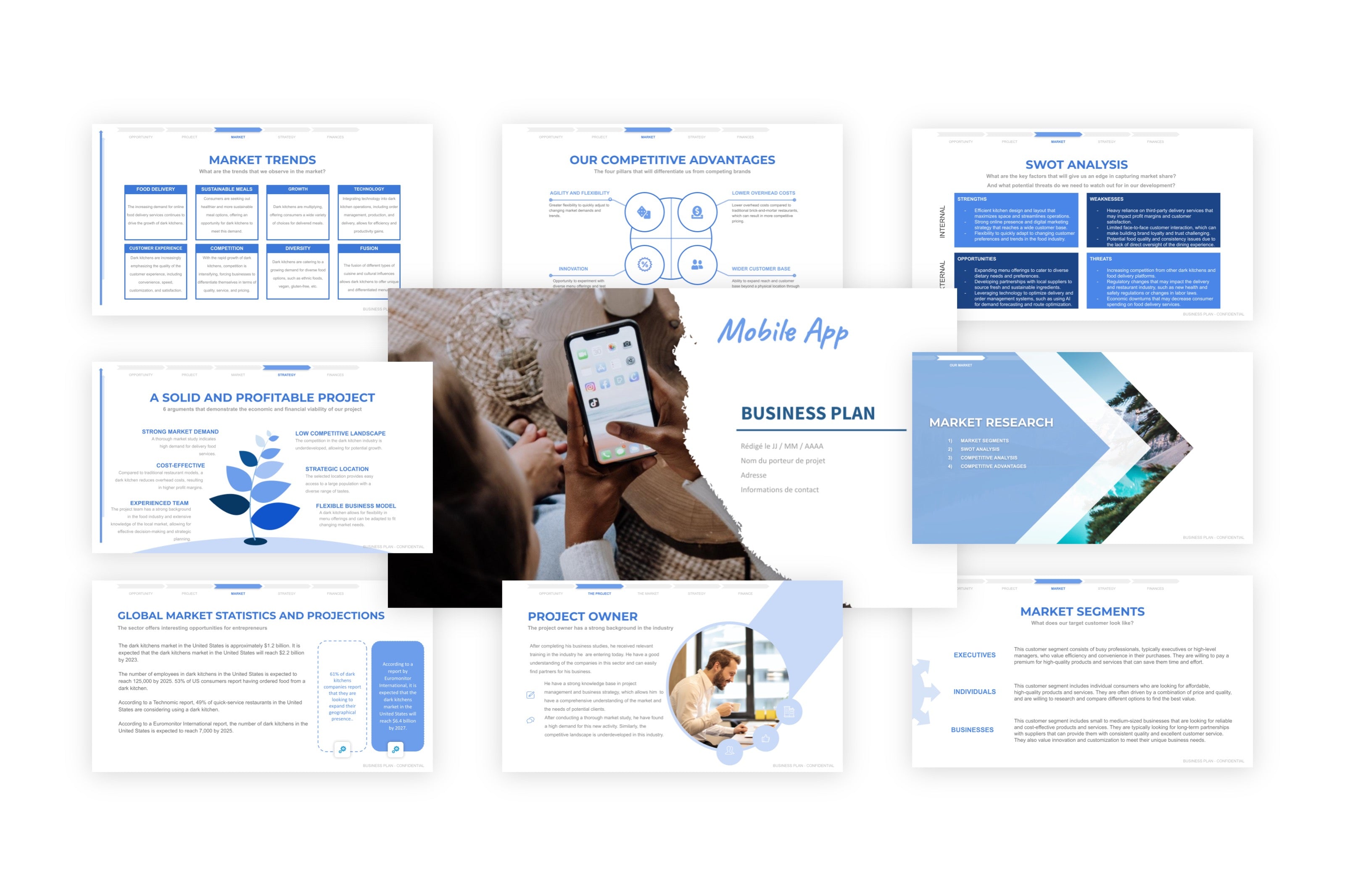
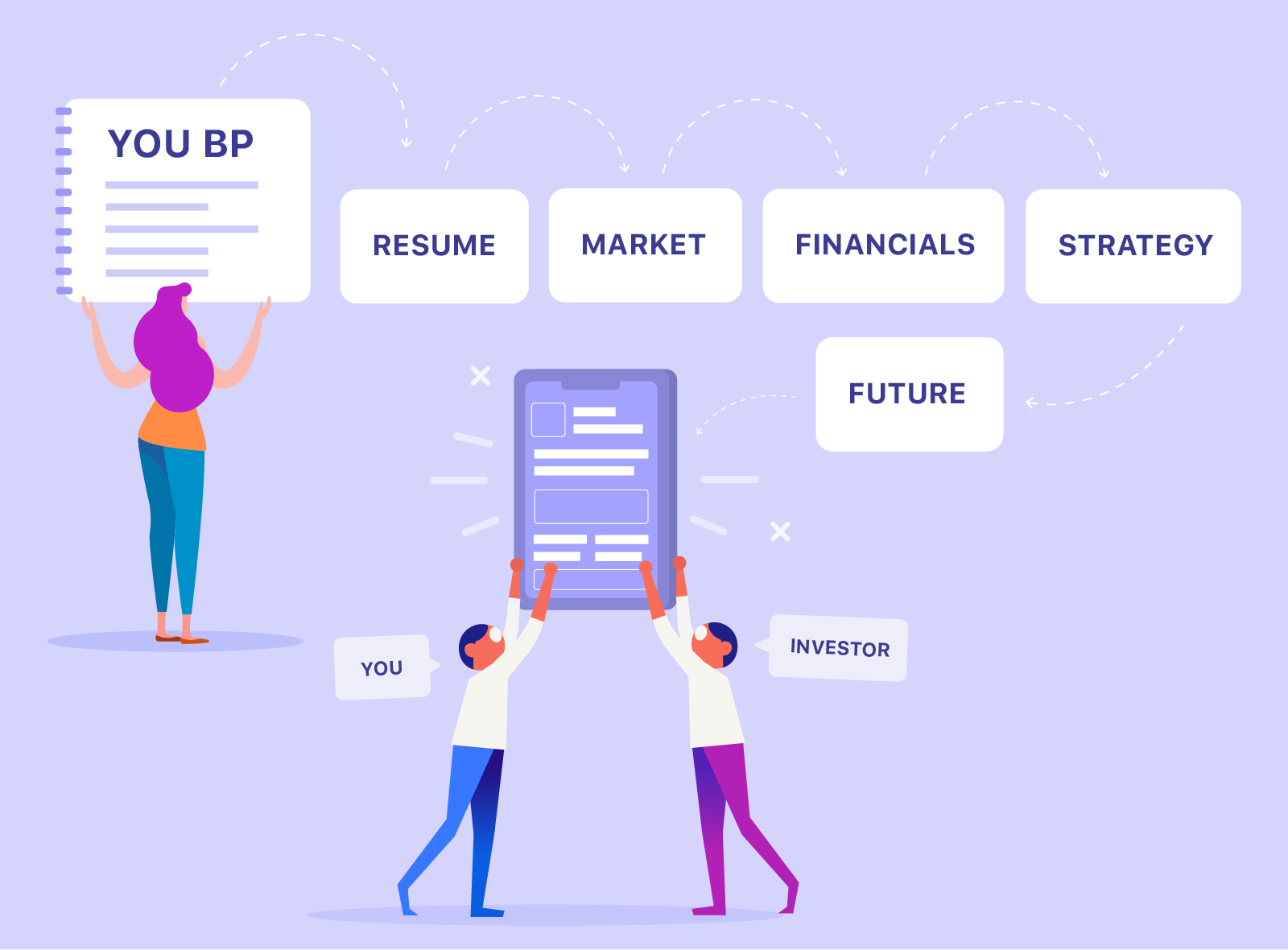
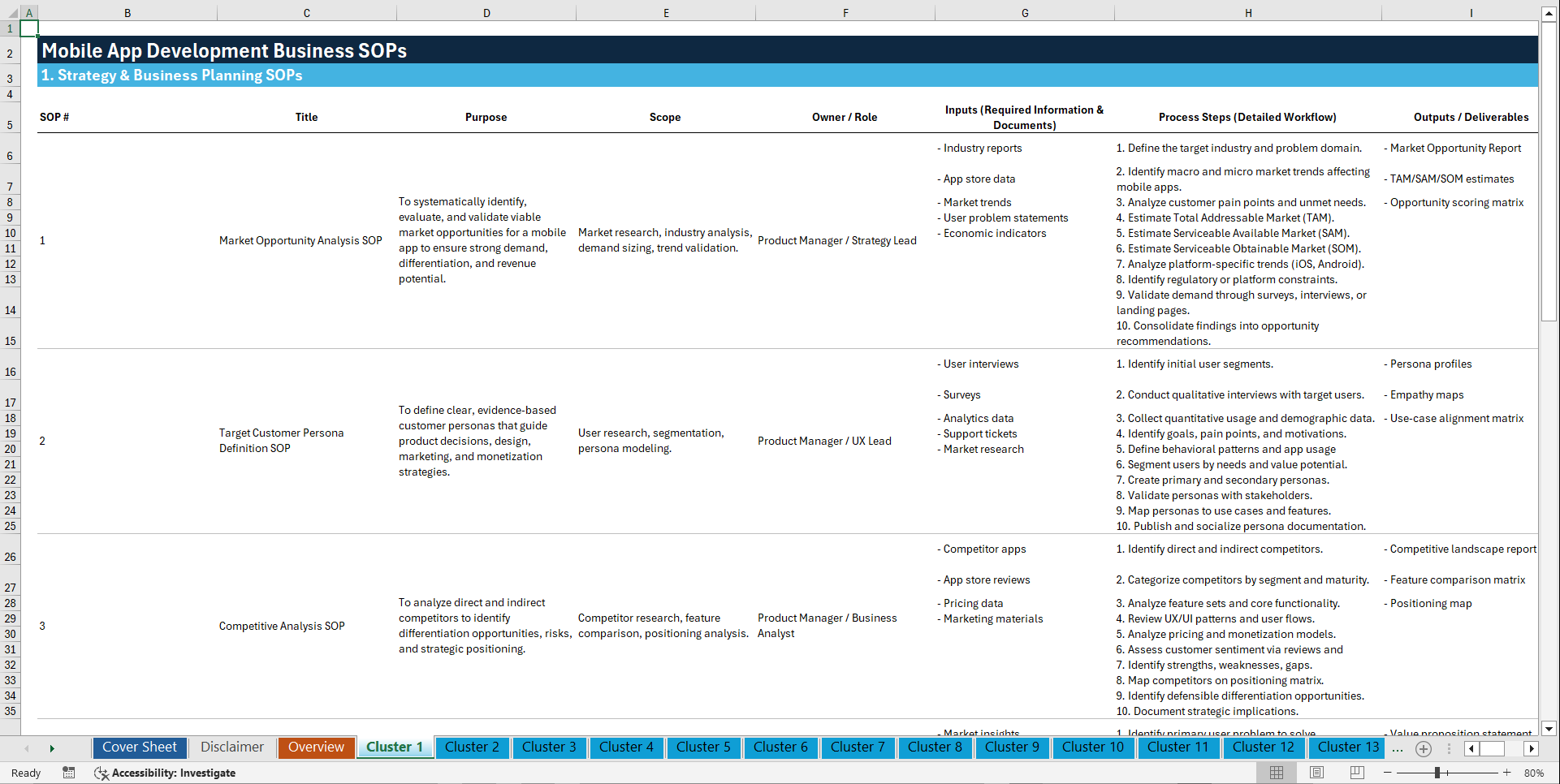
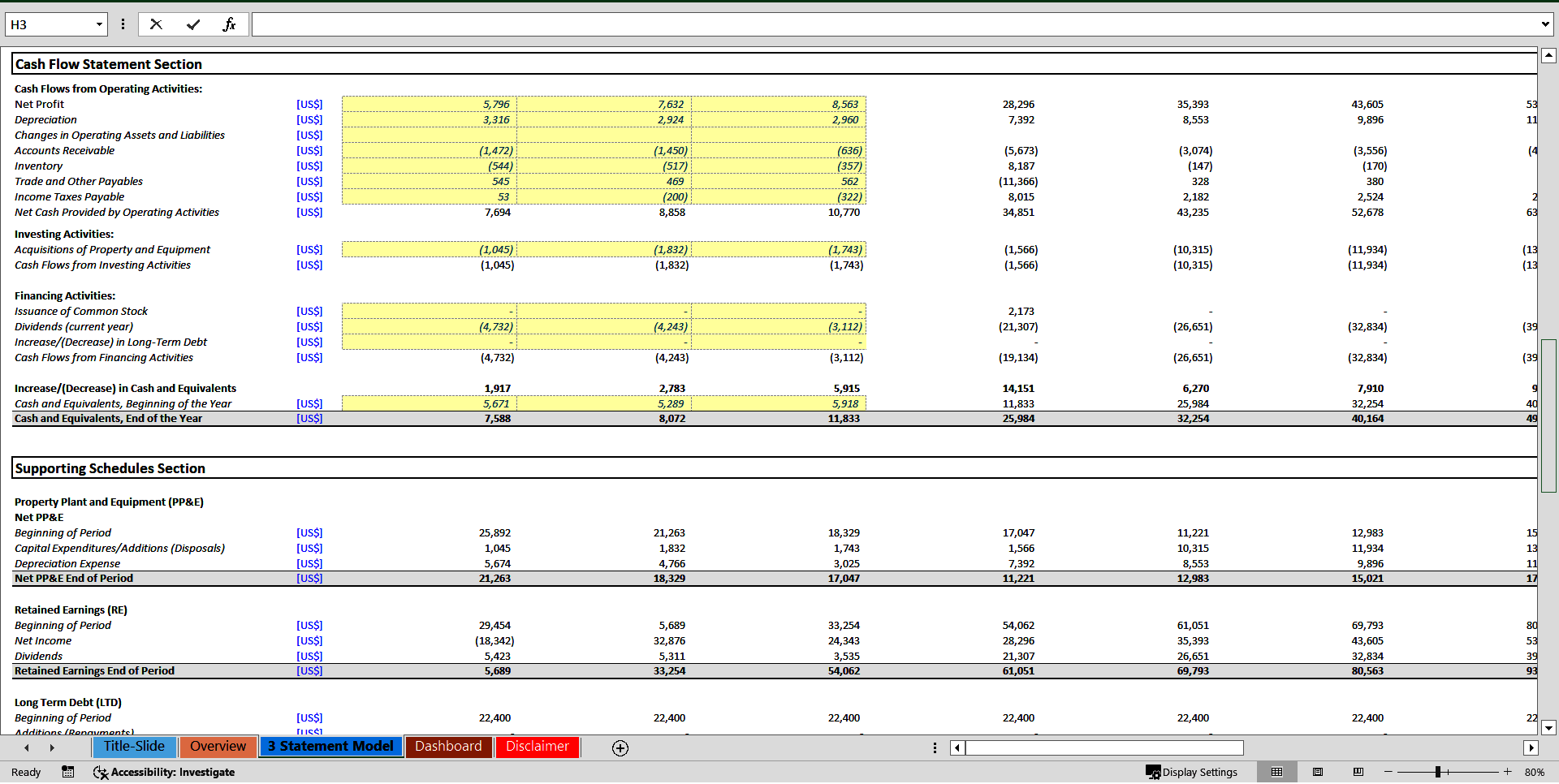
An app development business plan is a structured document outlining the commercial strategy, technical architecture, target market, operational framework, and financial projections for a new mobile or web application—or an agency specializing in software development. Building a viable plan requires proving market demand, detailing software infrastructure, calculating realistic unit economics, and establishing a financial runway for development and user acquisition.
Executive Summary: Defining the Vision and Core Value Proposition
The executive summary serves as an immediate high-level overview for investors, bank loan officers, and prospective co-founders. Although it appears at the beginning of the plan, it should be drafted last to capture the refined essence of the entire document.
To write an effective executive summary for an app project, address five key components in clear, concise language:
- The Problem: Identify the precise pain point your application addresses in the market. Avoid vague generalizations; cite specific user behaviors, market inefficiencies, or technological gaps.
- The Solution: Explain how your software solves this problem better, faster, or more cost-effectively than existing alternatives. Define whether the product is a Consumer (B2C), Enterprise (B2B), or Business-to-Business-to-Consumer (B2B2C) application.
- Target Market and Opportunity: Summarize the total addressable market (TAM) and highlight the primary audience segment you plan to capture first.
- Business Model & Monetization: State explicitly how the app generates revenue—whether through recurring subscriptions, in-app purchases (IAP), transaction fees, advertising, or upfront downloads.
- Funding Requirements & Milestone Goals: Detail exact capital requirements, how those funds will be allocated across engineering and marketing, and the key growth metrics expected within 12 to 24 months.
Company Overview and Structural Blueprint
This section establishes the legal entity, ownership structure, organizational philosophy, and operational framework of your enterprise.
Business Identity and Legal Structure
Specify the formal legal entity of the company (e.g., C-Corporation, Limited Liability Company (LLC), or Limited Company). For app startups planning to raise institutional venture capital, registering as a C-Corporation is often preferred by investors due to standard equity distribution mechanisms, stock option allocations, and tax structures.
Indicate the physical or virtual headquarters, copyright declarations, patent applications (if applicable for proprietary algorithms), and domain/trademark registrations.
Product Development vs. Software Agency Model
Distinguish early on whether your business plan covers a Product-Based App Startup or an App Development Agency:
- Product-Based App Startup: Capital allocation heavily focuses on research and development (R&D), initial software building, user testing, and aggressive paid acquisition. Revenue streams are directly tied to user engagement, retention, and monetization mechanics within the proprietary application.
- App Development Agency: Capital allocation focuses on business development, senior engineering payroll, project management tooling, and account executive retention. Revenue streams are generated through client retainer contracts, milestone-based development fees, or time-and-materials billing.
Market Analysis and Competitive Intelligence
A thorough market analysis proves that your app addresses a real demand and operates in a defensible niche. Avoid assuming market demand exists simply because an app idea is novel.
Market Sizing: TAM, SAM, and SOM
Structuring your market size using the TAM-SAM-SOM framework provides a realistic assessment of your app’s total financial upside:
TOTAL ADDRESSABLE MARKET (TAM): Entire global demand for your broader app category.
- SERVICEABLE ADDRESSABLE MARKET (SAM): Segment of TAM targeted by your specific tech & geography.
- SERVICEABLE OBTAINABLE MARKET (SOM): The realistic share of SAM captured within 1–3 years.
- SERVICEABLE ADDRESSABLE MARKET (SAM): Segment of TAM targeted by your specific tech & geography.
Total Addressable Market (TAM): The overall global revenue generated in your industry category (e.g., total annual revenue of global mobile fitness and mental health applications).
Serviceable Addressable Market (SAM): The portion of the market targeted by your specific geographic region, platform availability (iOS vs. Android), or language support.
Serviceable Obtainable Market (SOM): The realistic market share your team can capture within the first 1 to 3 years based on your immediate marketing budget and operational bandwidth.
User Persona Construction
Define primary user personas with granular demographics, behavioral patterns, and technological preferences:
- Demographic Profile: Age range, geographic focus, primary language, income bracket, and occupation.
- Device & Ecosystem Preferences: Operating system distribution (iOS vs. Android), hardware reliance (wearables, tablets, smart displays), and typical usage environments.
- Current Solution & Friction: Specific legacy tools, manual processes, or competing apps the persona uses, alongside the exact friction points that drive them to seek an alternative.
Competitive Matrix
Analyze direct competitors (apps providing identical solutions) and indirect competitors (alternative methods users employ to achieve the same result). Document competitor pricing models, app store ratings, estimated download velocity, platform presence, and software vulnerabilities or feature gaps.
Technical Architecture, Tech Stack, and Product Roadmap
Investors and technical partners require confirmation that the proposed software infrastructure is scalable, secure, and financially manageable.
Technology Stack Selection
Outline the programming languages, frameworks, and cloud infrastructure required to build and maintain the application.
- Frontend Frameworks:
- Native Development: Swift/SwiftUI for iOS; Kotlin/Jetpack Compose for Android. Best for maximum performance, hardware integration (ARKit, CoreML), and zero-latency user experience.
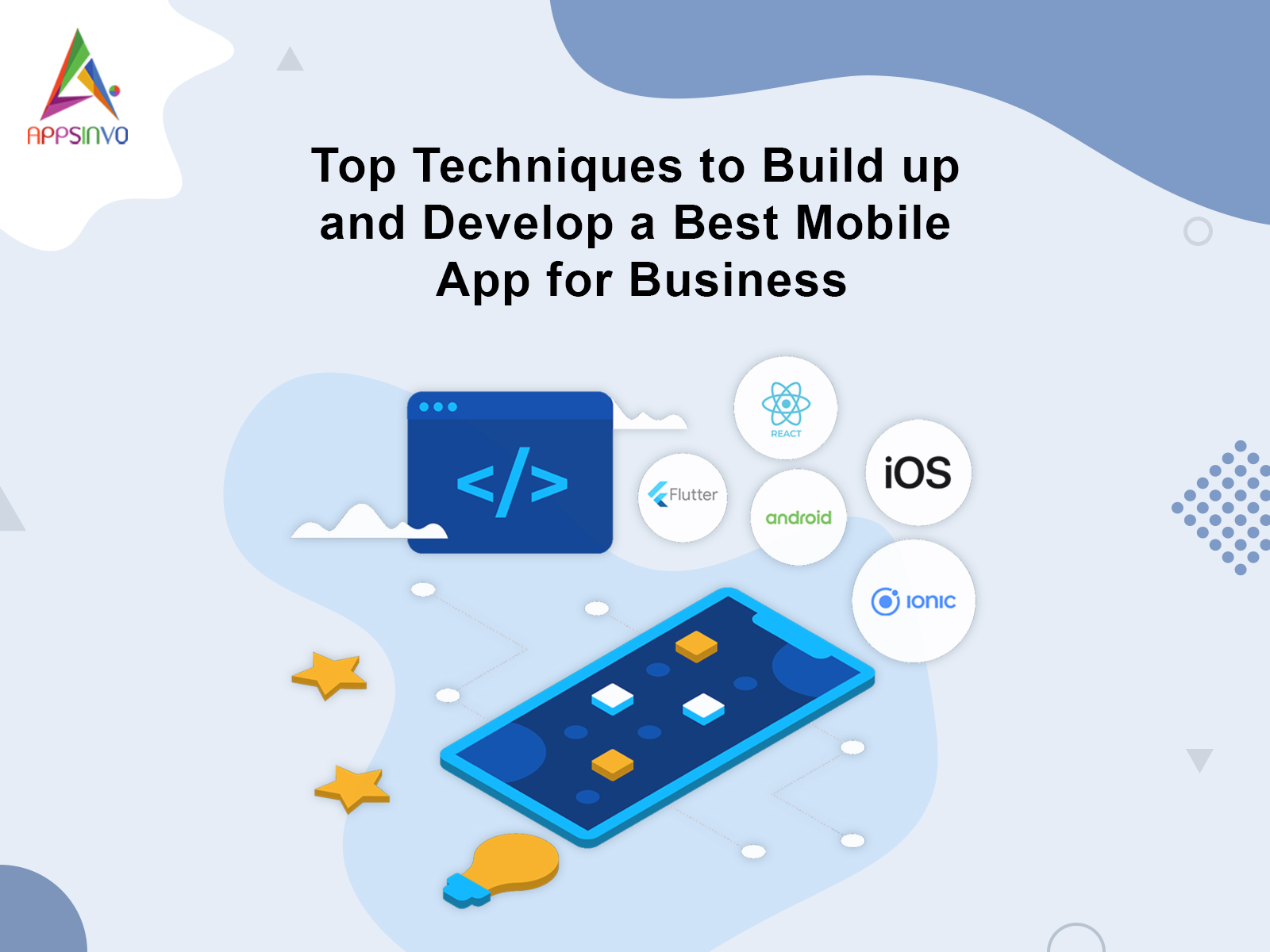
- Cross-Platform Frameworks: Flutter (Dart) or React Native (JavaScript/TypeScript). Ideal for reducing code duplications, speeding up time-to-market, and maintaining a single codebase across platforms.
- Backend Infrastructure: Node.js, Python (FastAPI/Django), Go, or Ruby on Rails for API orchestration and core application logic.
- Database Systems: Relational databases (PostgreSQL, MySQL) for transactional structured data; Non-relational databases (MongoDB, DynamoDB) for document storing; Redis for low-latency caching.
- Cloud Hosting & Services: Amazon Web Services (AWS), Google Cloud Platform (GCP), or Microsoft Azure for compute instance scaling, database hosting, serverless execution (AWS Lambda), and content delivery networks (CDNs).
- Third-Party Integrations: Payment processing (Stripe, RevenueCat for subscription logic), user analytics (Mixpanel, Amplitude), crash monitoring (Sentry, Firebase Crashlytics), and push notification services (OneSignal).
Minimum Viable Product (MVP) vs. Full Product Scope
Define clear boundaries for your initial release. The MVP must focus strictly on core functional utility—features essential for solving the primary user pain point—while secondary feature requests are scheduled for later phases.
- MVP (Phase 1: Launch)
- User Auth & Profiles
- Core Feature Engine
- Basic Payment Gateway
- Phase 2 (Scale)
- In-App Chat Systems
- Custom Dashboard Analytics
- Referral Engine Integration
- Phase 3 (Enterprise)
- Automated API Integrations
- Advanced Machine Learning
- Multi-Tenancy Governance
Marketing and User Acquisition Strategy
Building a functional app represents only half the challenge; securing recurring users at a sustainable acquisition cost represents the other half. Your marketing plan must detail specific acquisition channels and user retention strategies.
App Store Optimization (ASO)
ASO serves as the organic bedrock for mobile software discoverability on the Apple App Store and Google Play Store.
- Metadata Optimization: Strategic deployment of high-intent keywords in app titles, subtitles, and backend metadata fields.
- Conversion Rate Optimization (CRO): A/B testing of app icons, promotional videos, high-resolution feature screenshots, and dynamic localization strategies.
- Rating and Review Management: Implementing in-app prompt triggers at moments of high user satisfaction to cultivate positive reviews and boost algorithm visibility.
Paid Acquisition Channels and Unit Economics
Calculate prospective acquisition performance using standard digital performance marketing channels:
- Paid Social and Search: Targeted advertising via Meta Ads, Apple Search Ads (ASA), Google App Campaigns (UAC), and TikTok Ads.
- Influencer & Affiliate Marketing: Structured performance marketing partnerships leveraging specialized promo codes or deferred deep-linking tracking.
- Content Marketing & SEO: Publishing high-intent web content focused on software tutorials, comparison frameworks, and problem-solving articles that drive organic web-to-app conversions.
Core Metrics and Unit Economics Formulas
Your business plan must define how performance metrics will be calculated and analyzed:
$$\text{Customer Acquisition Cost (CAC)} = \frac{\text{Total Marketing & Sales Spend}}{\text{Total New Customers Acquired}}$$
$$\text{Lifetime Value (LTV)} = \text{Average Revenue Per User (ARPU)} \times \text{Gross Margin} \times \text{Average Customer Lifespan}$$
$$\text{Target Performance Standard:} \quad \frac{\text{LTV}}{\text{CAC}} \ge 3.0$$
An LTV-to-CAC ratio below 3:1 indicates unsustainable customer acquisition expenses relative to platform monetization capability, whereas a ratio above 5:1 indicates under-investment in aggressive acquisition channels.
Monetization Model and Pricing Strategy
Selecting an inappropriate business model can severely limit mobile app growth. Choose a monetization model that aligns with target user expectations and competitive standards.
| Monetization Model | Description | Primary Pros | Primary Cons |
|---|---|---|---|
| Freemium & In-App Subscriptions | Core access is free; premium features, workflow automated integrations, or usage limits require monthly/annual subscriptions. | High recurring revenue (MRR/ARR); predictable cash flows. | Requires continuous feature updates and low product churn rates. |
| In-App Purchases (IAP) | One-time purchases for digital goods, virtual currency, consumable perks, or individual content unlocks. | Low barrier to initial engagement; scalable spending per power user. | Revenue fluctuates; reliant on top-tier user conversion percentages. |
| Transaction & Platform Fees | Marketplace model charging a percentage fee or flat rate per transaction facilitated through the app. | High margin ceiling scalable with gross merchandise value (GMV). | Extreme cold-start problem; high effort required to build two-sided markets. |
| In-App Advertising | Banner ads, interstitial video displays, or rewarded native advertisements via platforms like Google AdMob. | Monetizes total non-paying user base effortlessly. | Degrades user experience; requires high daily active user (DAU) volume. |
| Enterprise B2B Licensing | Custom contract pricing offering dedicated deployment, administrative governance, SOC 2 compliance, and SLAs. | Large contract values; highly sticky annual or multi-year terms. | Prolonged sales cycles; extensive compliance requirements. |
Operations, Team Structure, and Implementation Milestones
Detail the human capital required to construct, test, release, and maintain the software project.
Core Team Composition
- Product & Executive Leadership: Chief Executive Officer (CEO), Chief Technology Officer (CTO), and Lead Product Manager (PM).
- Engineering & QA: Frontend Engineers (iOS/Android/Web), Backend Architects, Infrastructure/DevOps Engineers, and Quality Assurance (QA) Automation Specialists.
- Design & UI/UX: Product Designers responsible for user journey mapping, design system maintenance, high-fidelity wireframing, and interactive prototypes.
- Growth & Customer Success: Marketing Managers, ASO Strategists, Performance Marketers, and User Support Leads.
Strategic Implementation Timeline
Establish clear timeline milestones spanning pre-launch development to initial operational maturity:
- [Month 1 - 2] Scope & UI/UX Design: Wireframes, Prototypes, Infrastructure Setup
- [Month 3 - 5] Core Alpha Build: Backend API Integration, Basic User Journeys
- [Month 6 - 7] Beta Testing & QA: TestFlight, Google Play Internal Testing, Security Audit
- [Month 8] Global Commercial Launch: App Store Indexing, Paid Acquisition Activation
- [Month 9 - 12] Growth & Iteration: Analytics Optimization, Subscription Tuning, Feature Scaling
Financial Projections, Development Costs, and Budget Allocation
The financial section translates software scope, personnel cost, user acquisition expense, and revenue modeling into concrete financial statements.
Comprehensive 3-Year Financial Model Blueprint
A practical financial plan includes realistic operating metrics across development, launch, and growth phases:
3-YEAR FINANCIAL PROJECTION SUMMARY
| Financial Metric | Year 1 (Launch) | Year 2 (Growth) | Year 3 |
|---|---|---|---|
| Active Monthly Users (MAU) | 25,000 | 150,000 | 600,000 |
| Paying User Conversion Rate (%) | 3.5% | 4.2% | 4.8% |
| Average Monthly Revenue/User (ARPU) | $4.50 | $5.20 | $5.80 |
| Gross Revenue | $135,000 | $1,134,000 | $5,011, |
| Less Platform Fees (Apple/Google)* | ($20,250) | ($170,100) | ($751, |
| Net Revenue | $114,750 | $963,900 | $4,259, |
| OPERATING EXPENSES (OpEx) | |||
| Payroll & Technical Talent | $220,000 | $480,000 | $950,00 |
| User Acquisition & Paid Marketing | $90,000 | $300,000 | $1,100, |
| Hosting, Cloud Infrastructure & APIs | $12,000 | $42,000 | $135,00 |
| Legal, Compliance & Administrative | $15,000 | $25,000 | $45,000 |
| Operational SaaS Tools & Software | $8,000 | $18,000 | $35,000 |
| Total Operating Expenses | $345,000 | $865,000 | $2,365, |
| EBITDA | ($230,250) | $98,900 | $1,894, |
*Calculations account for native App Store platform distribution commission rates (typically scaling between 15% under qualified small business programs to 30% standard enterprise thresholds).
Capital Requirements and Cash Runway Analysis
Clearly detail total initial funding needs and projected operational cash flow:
- Pre-Seed / Seed Requirement: Define the exact funding requested (e.g., $350,000) to cover initial software engineering, legal setup, and launch operations.
- Burn Rate & Cash Runway: State projected monthly gross and net cash expenditures. Ensure available capital grants a minimum of 12 to 18 months of continuous operational runway prior to reaching cash-flow positivity or requiring subsequent funding rounds.
Risk Analysis and Regulatory Mitigation
Software businesses encounter regulatory, technological, and operational risks that must be documented and addressed directly within your business plan.
Regulatory and Compliance Standards
- Data Privacy & User Protection: Ensure operational adherence to strict global data collection frameworks, including the European Union's General Data Protection Regulation (GDPR), the California Consumer Privacy Act (CCPA), and specialized mandates such as COPPA (for children's applications) or HIPAA (for healthcare platforms).
- Platform Policy Risk: Mitigate reliance on single App Store gatekeepers by strictly aligning software mechanics with current Apple App Review Guidelines and Google Play Developer Policies. Changes to platform APIs, commission structures, or privacy permission systems (such as App Tracking Transparency frameworks) can significantly impact software functionality and ad targeting efficiency.
Technical and Operational Risks
- Cybersecurity Breach Mitigation: Plan regular third-party penetration testing, end-to-end data encryption protocols for both stored and transmitted data, strict API authentication controls, and regular database back-ups to manage security exposure.
- Infrastructure Scalability Bottlenecks: Minimize platform crashes during traffic spikes by utilizing auto-scaling server infrastructure, load balancers, serverless edge networks, and continuous integration/continuous deployment (CI/CD) pipelines.
Frequently Asked Questions
How much does it cost to develop a mobile application?
Development costs vary significantly based on application complexity, structural integrations, platform requirements, and geography. A basic MVP constructed with standard cross-platform frameworks usually costs between $25,000 and $60,000. Complex enterprise applications involving custom machine learning integration, real-time sync systems, multi-tier database architectures, and stringent regulatory compliance typically range from $100,000 to over $350,000.
Should I write a business plan for an app if I am pitching to angel investors?
Yes. While angel investors and venture capital firms primarily look for early traction, functional demos, and dynamic slide pitch decks, writing a full app development business plan ensures you accurately understand your unit economics, acquisition costs, compliance requirements, technical scalability challenges, and long-term financial runway. The rigorous process of writing the plan guarantees your pitch deck is backed by sound financial and operational data.
What is a realistic CAC-to-LTV ratio for a consumer mobile application?
A healthy operational benchmark for sustainable app growth is an LTV-to-CAC ratio of 3:1 or higher. A ratio lower than 3:1 typically indicates you are spending too much capital acquiring users relative to the revenue generated over their lifetime. Conversely, an LTV-to-CAC ratio consistently above 5:1 suggests your marketing program is underfunded, meaning you could safely spend more on user acquisition to accelerate growth.
How do app store platform fees affect financial projections?
Apple and Google charge distribution commissions on digital goods, subscription services, and paid app downloads processed through their native billing systems. Standard rates are typically 30%, though small businesses generating under $1 million annually may qualify for reduced 15% commission programs (such as the Apple App Store Small Business Program). These platform distribution fees represent a direct cost of goods sold (COGS) and must be subtracted from gross revenues before projecting net gross margins.
Is native app development better than cross-platform frameworks for a new startup?
For most startups, cross-platform solutions like Flutter or React Native offer the best balance of speed and cost efficiency, allowing you to deploy a single codebase across both iOS and Android simultaneously. However, native development (Swift/Kotlin) remains essential for applications requiring complex low-level hardware access, advanced graphics processing, custom Bluetooth communication, or maximum execution performance.
Actionable Next Steps
To move your app development business plan from concept to execution:
- Finalize Core Functional Requirements: Document your software product scope into detailed user stories, technical specifications, and low-fidelity UI/UX design wireframes.
- Build a Dynamic Financial Model: Customize financial projection spreadsheets to calculate your CAC, LTV, monthly burn rate, and runway based on realistic conversion and acquisition assumptions.
- Assemble the Core Engineering Leadership: Secure key technical leads or reliable software development partners capable of executing the initial MVP phase efficiently.
- Deploy and Validate the MVP: Launch your core product scope to a controlled test audience via platforms like TestFlight or Google Play Beta Testing to collect early user feedback and validate key retention metrics before embarking on full-scale paid acquisition campaigns.