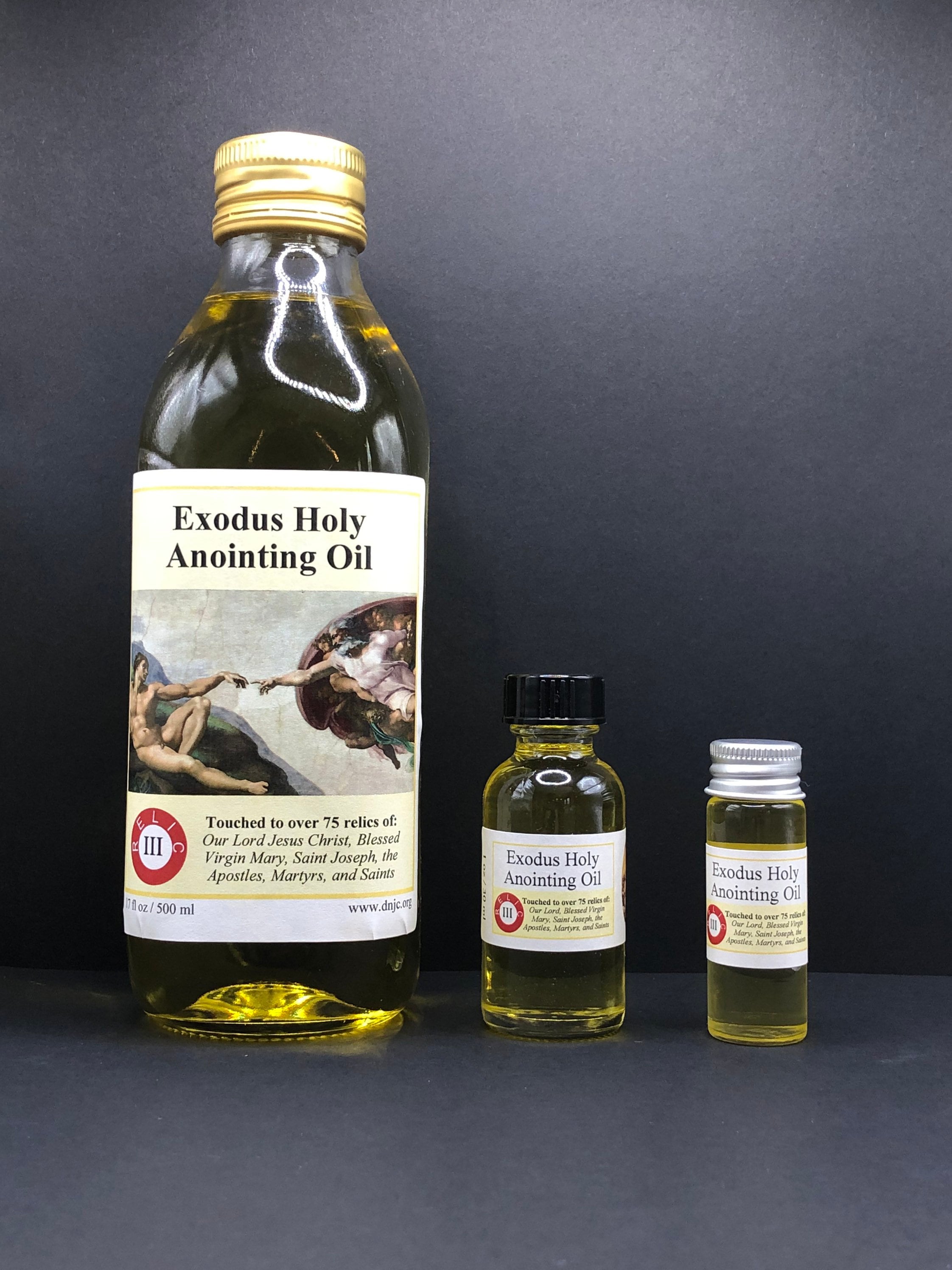
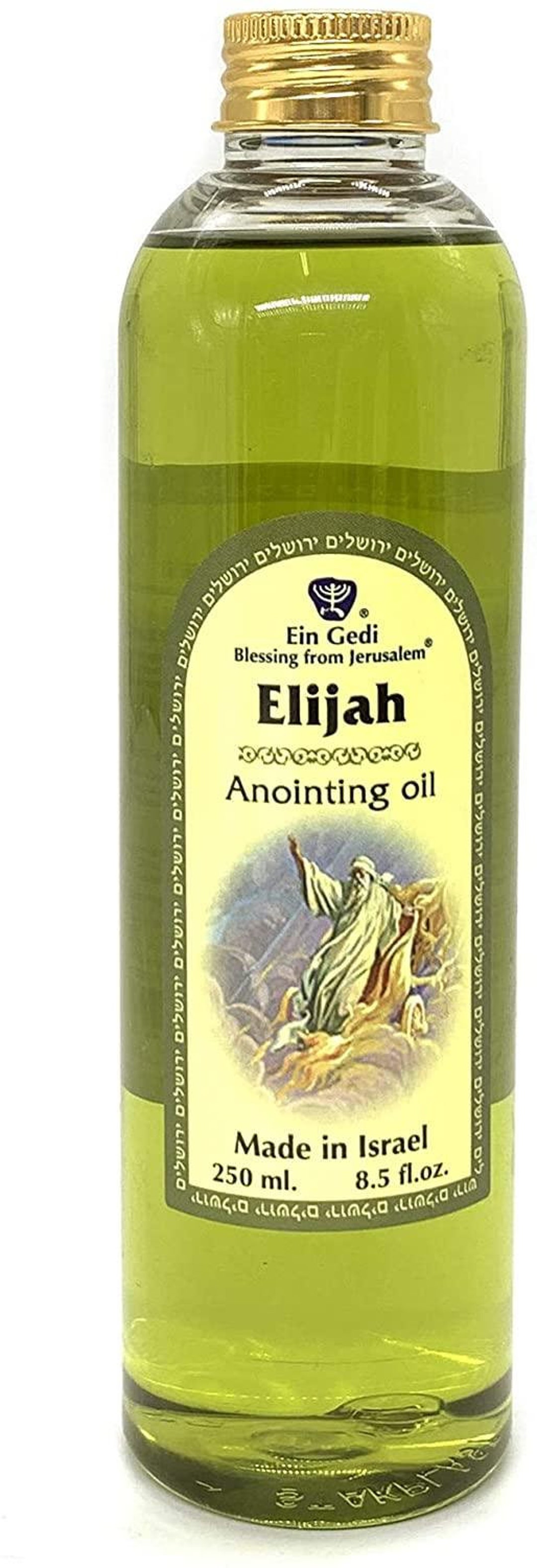
Anointing oil in Australia serves as a vital tool for spiritual practice, sacramental rites, and personal devotion across various faith traditions. Whether used for healing, consecration, or prayer, high-quality oils are widely accessible through specialized Christian bookstores, local artisanal producers, and online retailers, reflecting Australia's diverse religious landscape and strict botanical standards.
The Significance of Anointing Oil in the Australian Context
In 2026, the use of anointing oil remains a cornerstone of liturgical and private spiritual life in Australia. While the practice is deeply rooted in ancient Judeo-Christian traditions, its application in the Southern Hemisphere has evolved to incorporate both traditional Middle Eastern ingredients and unique Australian botanicals. For many Australian believers, anointing oil is more than just a fragrant liquid; it is a physical symbol of the Holy Spirit’s presence, a medium for the "laying on of hands," and a tangible element used in the consecration of people and objects.
The Australian religious landscape, characterized by a mix of traditional denominations—such as the Catholic, Anglican, and Orthodox churches—and a vibrant Pentecostal and charismatic movement, creates a high demand for various types of oils. Each group utilizes these oils differently, ranging from the highly formalized "Oil of Catechumens" used in Catholic baptisms to the simple, frankincense-scented oils used by laypeople during personal intercessory prayer.
Historical and Biblical Foundations
Understanding the role of anointing oil in Australia requires a look at its historical origins. In biblical times, anointing was used for three primary purposes: to set someone apart for a specific office (kings, priests, or prophets), to provide medicinal comfort, and to prepare a body for burial. The Hebrew word Mashiach (Messiah) literally means "Anointed One," highlighting the central role of oil in designating divine authority.
In modern Australia, this tradition is maintained through the adherence to scripts and rituals that have survived for millennia. The Bible Society Australia often provides resources explaining the scriptural basis for these practices, emphasizing passages like James 5:14, which instructs the elders of the church to pray over the sick and anoint them with oil in the name of the Lord. This specific instruction drives much of the contemporary use of anointing oil in local Australian congregations today.
Ingredients and Sourcing in 2026
The quality of anointing oil is determined by its base (carrier) oil and the aromatic resins or essential oils added to it. In the Australian market, there is a strong preference for purity and ethical sourcing, influenced by the country’s rigorous agricultural and therapeutic standards.
Carrier Oils
The most traditional carrier is Extra Virgin Olive Oil. In 2026, many Australian churches prefer locally produced olive oil from regions like the Barossa Valley or the Hunter Valley. Australian olive oil is world-renowned for its low acidity and high antioxidant content, making it an excellent, shelf-stable base for spiritual preparations. Other carriers used include:
- Fractionated Coconut Oil: Favored for its long shelf life and lack of scent, ensuring the added fragrances remain the focus.
- Sweet Almond Oil: Often used in more contemporary or "gentle" blends due to its skin-nourishing properties.
Fragrances and Essential Oils
The "Holy Anointing Oil" described in Exodus 30 famously included myrrh, sweet cinnamon, fragrant cane (calamus), and cassia. Modern Australian blends often replicate these or focus on individual symbolic scents:
- Frankincense: Symbolizing divinity and intercession.
- Myrrh: Representing suffering, healing, and preparation.
- Spikenard: Associated with extravagant worship and devotion.
- Australian Sandalwood: A local addition that has gained popularity for its grounding, woody scent and indigenous significance.
Regulations and the TGA in Australia
A critical distinction for consumers in Australia is the difference between oil used for religious ritual and oil marketed for therapeutic purposes. The Therapeutic Goods Administration (TGA) regulates products that claim to treat, cure, or alleviate medical conditions.
If an anointing oil is sold with the claim that it physically heals a specific disease, it may fall under the jurisdiction of the TGA as a "therapeutic good." However, most anointing oils in Australia are classified as "sacramental" or "cosmetic/fragrance" products. Sellers generally avoid making medical claims, instead focusing on the spiritual and symbolic benefits. Consumers should be wary of any product claiming to replace medical intervention, as Australian consumer law is very strict regarding unsubstantiated health claims. For more information on how oils are classified, the Therapeutic Goods Administration provides comprehensive guidelines on essential oils and aromatherapeutic products.
How to Choose the Right Anointing Oil
When selecting anointing oil in Australia, practitioners should consider the intended use, as the requirements for a formal church service differ significantly from personal home use.
- Liturgical vs. Personal Use: If you are buying for a parish, ensure the oil meets the specific requirements of your denomination. For example, Catholic and Anglican traditions often have specific blessings performed by a Bishop (the Chrism Mass) on oils used for sacraments.
- Scent Sensitivity: In 2026, many Australian congregations are "scent-aware." For public services, it is often better to choose a lightly scented oil or a hypoallergenic blend to avoid triggering allergies among congregants.
- Purity and Additives: Look for "100% Pure" labels. Avoid oils that contain synthetic "fragrance oils" (often petroleum-based), as these can cause skin irritation and do not hold the same traditional value as natural resins and botanicals.
- Packaging: Essential oils are light-sensitive. Quality anointing oils in Australia are typically sold in amber or cobalt blue glass bottles to prevent oxidation and maintain the integrity of the scent.
Comparison of Common Anointing Oil Varieties
The following table outlines the most common types of anointing oils available in the Australian market and their traditional uses.
| Oil Variety | Primary Scent Profile | Traditional Symbolism | Common Application |
|---|---|---|---|
| Frankincense & Myrrh | Earthy, balsamic, slightly spicy | Divinity, Sacrifice, and Healing | Intercessory prayer, church services, and consecration. |
| Spikenard | Heavy, musky, woody | Devotion, Worship, and Surrender | Special acts of worship or "extravagant" prayer. |
| Rose of Sharon | Floral, sweet, light | Beauty, Christ's love, and Grace | Personal prayer, blessings for women or children. |
| Hyssop | Fresh, herbaceous, minty | Purification and Cleansing | Prayer for repentance or spiritual "clearing." |
| Australian Sandalwood | Creamy, soft wood, earthy | Grounding, Peace, and Local Heritage | Contemporary Australian ministry and meditation. |
| Pomegranate | Fruity, subtle, sweet | Fertility, Abundance, and Life | Prayer for families, new ventures, or blessing of homes. |
Application and Best Practices
In Australia, the application of oil—often referred to as "the act of anointing"—follows a few established patterns.
For Healing and Prayer
The most common method involves placing a small amount of oil on the thumb and making a sign of the cross on the recipient's forehead. This is often accompanied by a specific prayer for physical or emotional healing. In Australian Pentecostal circles, anointing may also involve the hands, symbolizing the "empowerment" of the believer for service.
Consecration of Objects
Believers often use anointing oil to dedicate a new home, a church building, or even personal items like Bibles. This is usually done by touching the corners of doorways or the object itself while reciting a prayer of dedication.
Safety and Skin Sensitivity
While anointing is a spiritual act, physical safety is paramount. Always perform a patch test if you have sensitive skin. Since many anointing oils are pre-diluted with a carrier oil like olive or almond oil, they are generally safe for skin contact, but concentrated essential oils should never be applied directly to the skin without dilution.
Where to Buy Anointing Oil in Australia
Australia has a robust network of suppliers. In 2026, the most reliable sources include:
- Koorong: The largest Christian bookstore chain in Australia, with physical locations in every major city and an extensive online shop. They stock a wide range of imported oils from Israel as well as local brands.
- Word Bookstore: Another major provider of Christian resources that offers various scented and unscented anointing oils.
- Artisanal Christian Makers: Many small Australian businesses and monasteries produce hand-blended oils using locally sourced Australian olive oil and high-grade resins.
- Specialty Catholic Supplies: Stores catering to the liturgical needs of the Catholic and Orthodox churches, often providing "Unblessed" oils that are then taken to a priest for formal blessing.
For those interested in the botanical purity of their oils, checking for Australian Certified Organic (ACO) labels can ensure that the ingredients were grown without synthetic pesticides, which is a growing priority for eco-conscious Australian believers.
DIY: Making Your Own Anointing Oil
For many, the process of creating a custom blend is a form of prayer in itself. To make a simple, traditional anointing oil in Australia:
- Choose a Base: Use 100ml of high-quality Australian Extra Virgin Olive Oil.
- Select Essential Oils: Add 10-20 drops of pure essential oils such as Frankincense or Myrrh. Ensure these are pure "essential oils" and not "fragrance oils."
- Sterilization: Use a clean, dark glass bottle.
- Prayer and Dedication: Many choose to pray over the ingredients during the mixing process, asking for the oil to be set apart for its intended spiritual purpose.
Common Misconceptions
One major misconception in Australia is that the oil itself possesses "magical" properties. Most theological traditions teach that the oil is a symbol or a point of contact for faith, rather than a magical potion. The efficacy of the anointing is attributed to the grace of God and the faith of the participants, not the chemical composition of the liquid.
Another misconception is that anointing oil is only for clergy. While certain sacraments require an ordained minister, many traditions encourage laypeople to use oil for personal prayer, blessing their children, or praying for friends, provided it is done with reverence and within the guidelines of their faith community.
FAQs
Is anointing oil the same as essential oil?
No, anointing oil is typically a blend consisting of a carrier oil (like olive oil) and essential oils (like frankincense). While essential oils are the concentrated extracts of plants, anointing oil is the finished product prepared specifically for religious or spiritual use. Using undiluted essential oils for anointing is not recommended as it can cause skin irritation.
Can I use any olive oil from the supermarket for anointing?
Yes, you can. Historically, olive oil was the primary oil used for anointing because it was a staple of daily life. Many people choose to buy high-quality, cold-pressed olive oil from a supermarket and have it blessed by their pastor or priest, or simply use it in private prayer as a symbol of the Holy Spirit.
How should I store my anointing oil in the Australian climate?
The Australian heat can cause oils to go rancid more quickly. It is best to store anointing oil in a cool, dark place away from direct sunlight. A cupboard or a drawer is ideal. If the oil develops a sharp, vinegary, or "off" smell, the carrier oil has likely oxidized, and it should be replaced.
Is it legal to bring anointing oil into Australia from overseas?
If you are traveling from places like Israel with anointing oil, you must declare it to Australian Border Force. Generally, small amounts of commercially bottled oils are permitted, but they must be free from any plant material or seeds to comply with Australia's strict biosecurity laws.
What is the difference between "blessed" and "unblessed" oil?
"Unblessed" oil is simply the physical product as it is sold in a store. "Blessed" oil has undergone a formal prayer or ritual by a religious leader to set it apart for sacred use. In some traditions, such as Catholicism, the blessing is what makes the oil a "sacramental."
Final Recommendations for Australian Users
For those looking to integrate anointing oil into their spiritual practice in 2026, the key is to prioritize reverence, purity, and safety. Start with a classic blend like Frankincense and Myrrh, which is widely accepted across all denominations. Always ensure you are purchasing from reputable Australian suppliers to guarantee the quality of the ingredients. Whether you are using it for a formal church rite or as a quiet accompaniment to your morning prayers, anointing oil remains a powerful link to the ancient traditions of faith, adapted for the modern Australian life.