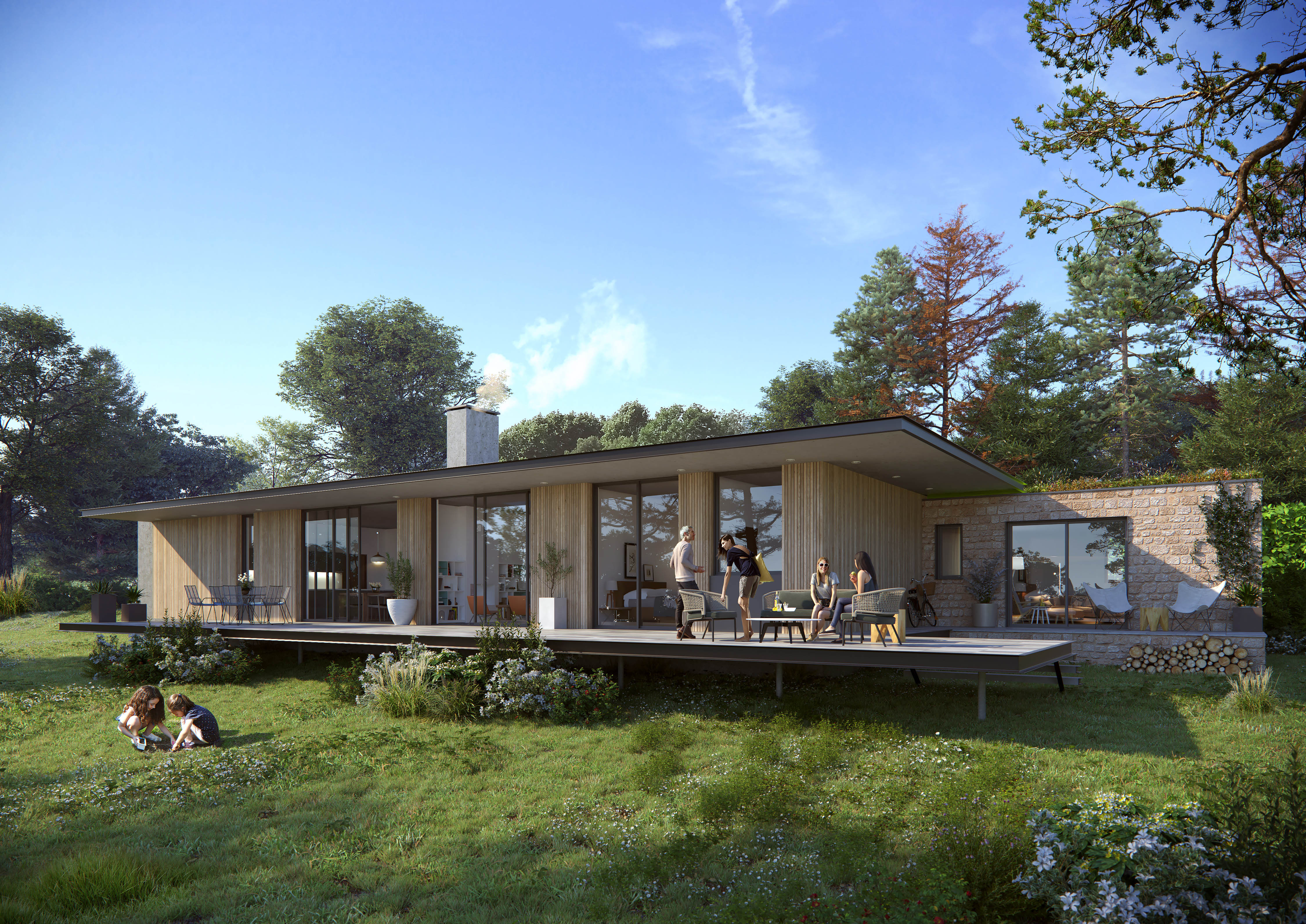
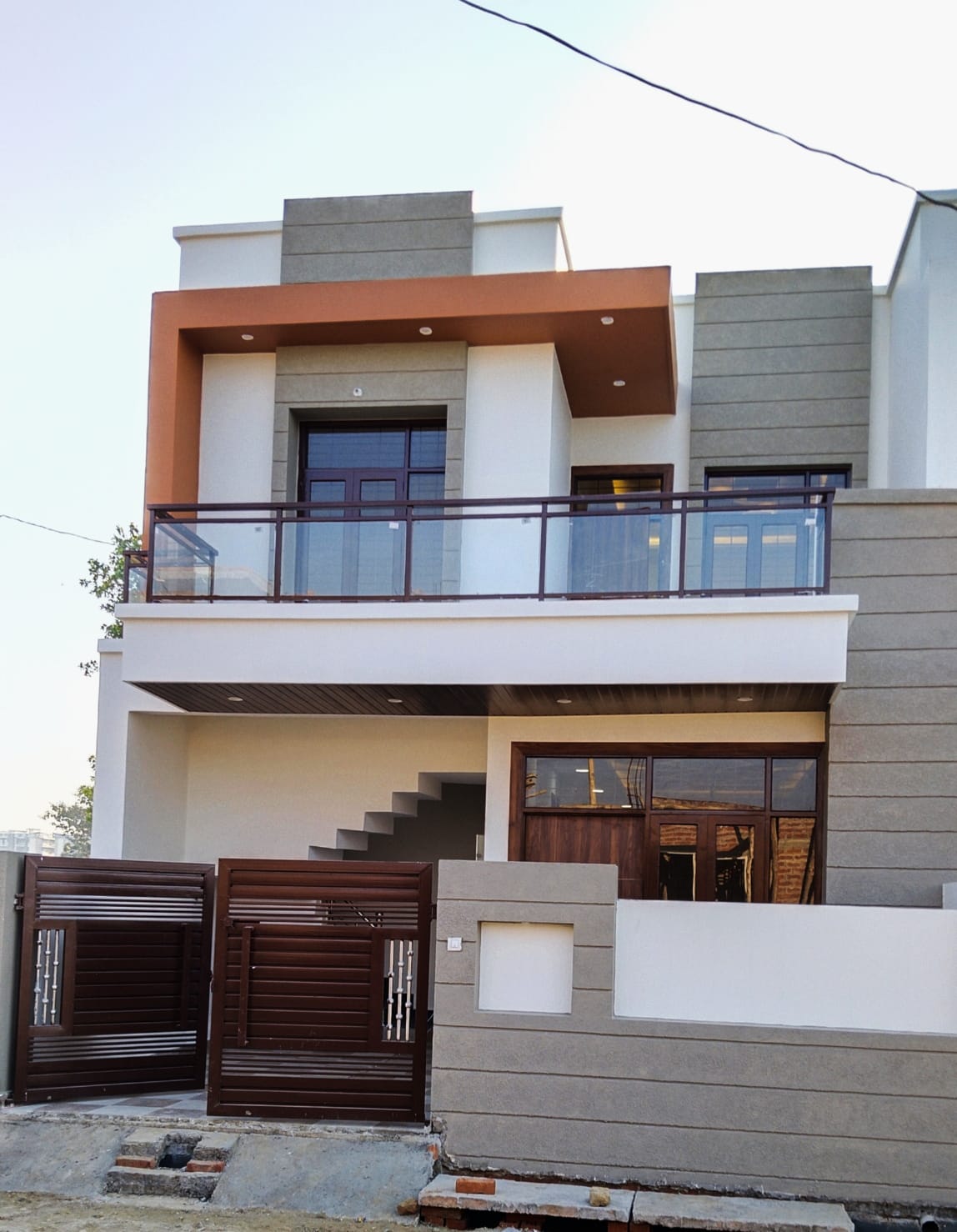
Anora House in the Mill Basin is a specialized boutique senior living facility located in the quiet, waterfront neighborhood of Mill Basin, Brooklyn. It focuses on providing high-end, personalized memory care and assisted living services within a residential-style "Small House" environment, prioritizing resident dignity and individualized attention.
In the landscape of 2026, the demand for specialized eldercare in New York City has shifted away from massive, institutional facilities toward intimate, community-integrated residences. Anora House stands as a primary example of this evolution. Situated in the tranquil enclave of Mill Basin, this facility offers a unique alternative for families seeking a balance between professional medical supervision and the comforts of a traditional home.
The Unique Context of Mill Basin, Brooklyn
To understand the appeal of Anora House, one must first understand its setting. Mill Basin is one of Brooklyn’s most secluded and suburban-feeling neighborhoods. Known for its waterfront properties, private docks, and a sense of security that is rare in the more densely populated sections of the borough, it provides an ideal backdrop for senior care.
For a senior transitioning from a private home to an assisted living environment, the "neighborhood feel" of Mill Basin mitigates the trauma of relocation. Unlike facilities located in high-traffic areas like Downtown Brooklyn or Manhattan, Anora House benefits from the low-density, quiet streets that characterize this area. In 2026, the neighborhood remains a bastion of residential stability, making it a preferred choice for families who want their loved ones to remain within the cultural fabric of Brooklyn while enjoying a slower pace of life.
The proximity to the Jamaica Bay inlet means the air is often fresher, and the ambient noise is significantly lower. For residents with sensory sensitivities—common in various stages of dementia—this acoustic environment is not just a luxury; it is a clinical necessity that helps reduce "sundowning" and anxiety.
The Boutique "Small House" Care Model
Anora House operates on the "Small House" or boutique model of senior living. This philosophy posits that the quality of care is inversely proportional to the number of residents sharing a space. While large-scale facilities might house hundreds of individuals, boutique houses like Anora limit their capacity to a small group, typically ranging from 10 to 16 residents.
Personalized Staffing Ratios
In 2026, staffing remains the most critical metric in eldercare. Anora House maintains some of the highest staff-to-resident ratios in the New York metropolitan area. This allows for "active" rather than "reactive" care. Instead of waiting for a call button to be pressed, staff members are present in the common areas, observing subtle changes in mood, appetite, or gait that might indicate a developing health issue.
Environmental Psychology and Design
The physical layout of Anora House is designed to minimize the confusion often associated with institutional hallways. The residence utilizes:
- Open Floor Plans: To ensure residents can always see a staff member or a familiar landmark (like the dining table), reducing the fear of being lost.
- Residential Finishes: Using wood floors, soft lighting, and high-quality furniture that looks like a private home rather than a hospital ward.
- Neuro-inclusive Lighting: Systems that adjust color temperature throughout the day to help regulate the circadian rhythms of residents with Alzheimer’s.
Specialized Memory Care Services
The core mission of Anora House in Mill Basin is memory care. Caring for individuals with Alzheimer’s, vascular dementia, or Lewy body dementia requires more than just safety; it requires a therapeutic environment that stimulates cognitive function while providing a safety net for declining executive function.
Cognitive Engagement Programs
Rather than generic activities, Anora House implements evidence-based cognitive stimulation. This includes:
- Reminiscence Therapy: Utilizing "memory boxes" and tactile objects that trigger positive long-term memories.
- Music and Art Therapy: Structured sessions led by professionals to tap into the creative centers of the brain, which often remain functional even as language centers decline.
- Horticultural Therapy: Taking advantage of the Mill Basin climate and outdoor spaces to allow residents to engage with nature.
Safety and Security Infrastructure
While the house feels like a home, it is equipped with 2026-standard safety technology. This includes non-intrusive monitoring systems that can detect a fall without the need for wearable pendants, which residents often forget to put on. The perimeter is secure, allowing residents to wander within a safe "loop" without the feeling of being "locked in," a crucial psychological distinction for maintaining a sense of autonomy.
Amenities and Daily Life in 2026
Life at Anora House is structured to provide a sense of purpose and routine, which is vital for geriatric health. The facility does not follow the rigid scheduling found in larger institutions; instead, it offers a flexible routine that respects the lifelong habits of the residents.
Culinary Excellence and Nutrition
Nutrition in 2026 has moved toward highly personalized, anti-inflammatory diets designed to support brain health. At Anora House, the dining experience is communal, mimicking a family dinner. Meals are prepared on-site by chefs who specialize in geriatric nutrition, ensuring that food is not only nutrient-dense but also easy to chew and swallow, addressing the common issue of dysphoria in the elderly.
Social Integration and Community
Being in Mill Basin allows for a specific type of community integration. Local schools and civic groups often participate in intergenerational programs. For the residents, these interactions provide a vital link to the outside world, preventing the social isolation that often accelerates cognitive decline.
| Feature | Anora House (Boutique) | Traditional Assisted Living | In-Home Care (Private Pay) |
|---|---|---|---|
| Resident Count | 10–16 | 100–300+ | 1 |
| Staff Ratio | High (1:3 or 1:5) | Moderate (1:10 or 1:15) | 1:1 (But often lacks backup) |
| Environment | Residential Home | Hotel/Institutional | Private Home |
| Specialization | Intensive Memory Care | General Senior Living | General Care |
| Social Interaction | High (Structured Peer Groups) | High (Large Groups) | Low (Isolation Risk) |
| Security | 24/7 Professional Secure | 24/7 Professional | Dependent on Home Tech |
Financial Considerations and Admissions
Navigating the costs of high-end boutique care in Brooklyn requires careful financial planning. As of 2026, facilities like Anora House are typically private-pay, though certain Long-Term Care Insurance (LTCI) policies may cover a significant portion of the costs.
Prerequisite Evaluations
Before admission, Anora House requires a comprehensive assessment. This is not merely a medical check-up but a multi-disciplinary evaluation:
- Physical Health: Review of chronic conditions and medication management needs.
- Cognitive Baseline: Utilizing standardized tests to determine the specific stage of memory loss.
- Social Profile: Understanding the resident’s history, hobbies, and personality to ensure a good fit with the current resident group.
Cost Structures
The pricing at Anora House is generally "all-inclusive," which is a departure from the "a la carte" pricing models of the past. This means that the monthly fee covers room, board, 24-hour care, medication management, laundry, and all therapeutic activities. This transparency helps families manage their finances without the stress of "hidden fees" for increased care levels.
Regulatory Standards and Safety in New York
Anora House operates under the strict guidelines of the New York State Department of Health (DOH). In 2026, regulations for Assisted Living Residences (ALR) and Special Needs Assisted Living Residences (SNALR) have become even more stringent, particularly regarding emergency preparedness and infection control.
Emergency Preparedness in Mill Basin
Due to its location near the water, Anora House maintains rigorous flood and weather-related emergency protocols. This includes on-site power generation and a verified evacuation partnership with mainland medical facilities. For families, knowing that there is a redundant safety plan in place for New York’s coastal weather patterns is a significant point of reassurance.
Staff Training and Certification
Every staff member at Anora House undergoes specialized training that goes beyond the state minimums. This includes "Dementia Care Specialist" certifications and training in de-escalation techniques that prioritize the resident's emotional well-being over physical restraint or heavy sedation.
Choosing the Right Care: Why Mill Basin?
Choosing a facility for a parent or spouse is one of the most difficult decisions a family can make. The "Anora House in the Mill Basin" option is specifically targeted at those who value privacy, a quiet environment, and a high level of personalization.
The Decision-Making Process
Families should consider the following when evaluating Anora House:
- The "Vibe" Test: Does the house smell like home or a hospital? Are the residents engaged or sitting idle?
- Staff Longevity: High turnover is a red flag in senior living. Anora’s boutique model often leads to higher staff satisfaction and retention.
- Location Logistics: For families living in Southern Brooklyn, the Five Towns, or even parts of Queens, Mill Basin is an accessible location that avoids the gridlock of the BQE or Manhattan bridge crossings.
FAQs
What is the difference between Anora House and a nursing home?
A nursing home provides 24-hour skilled nursing and medical care for those with complex clinical needs. Anora House is an assisted living/memory care residence that focuses on daily living support and cognitive therapy in a residential setting. It is designed for those who need help with daily tasks and a secure environment but do not require a hospital bed or constant clinical intervention.
Does Anora House accept Medicaid?
In most cases, boutique residences in Mill Basin are private-pay or covered by long-term care insurance. New York’s Medicaid programs often have specific "Assisted Living Programs" (ALP) that are restricted to certain licensed facilities, which usually have larger, less-private settings. It is essential to verify current 2026 Medicaid waiver status directly with the facility’s admissions director.
Is there a waiting list for the Mill Basin location?
Due to the limited number of "beds" (usually fewer than 20), Anora House often has a waiting list. Families are encouraged to begin the evaluation process 6–12 months before they believe they will actually need the transition, as the move from a private home to memory care is best handled as a planned event rather than an emergency reaction to a crisis.
Can residents bring their own furniture?
Yes, residents are encouraged to bring familiar items from home. In the context of memory care, having a familiar chair, photos, or a specific bedside lamp can significantly reduce "relocation stress syndrome" and help the resident feel more grounded in their new environment.
What kind of medical supervision is on-site?
While not a hospital, Anora House typically has a registered nurse (RN) on staff or on-call 24/7, along with certified home health aides and med-techs who manage daily health needs and medication administration. They also coordinate with the resident’s primary care physicians and specialists.
Practical Next Steps
If you are considering Anora House in the Mill Basin for a family member, the most effective next step is to schedule a "quiet tour" during a mid-morning period. This allows you to observe the facility during its most active time without the rush of meal service. Prepare a list of specific questions regarding their current staff-to-resident ratio and their specific protocols for managing late-stage memory loss.
Contact the admissions coordinator to request a copy of their latest New York State Department of Health inspection report and their resident handbook. Reviewing these documents will provide a clear picture of the operational standards and the rights of the residents within the facility.