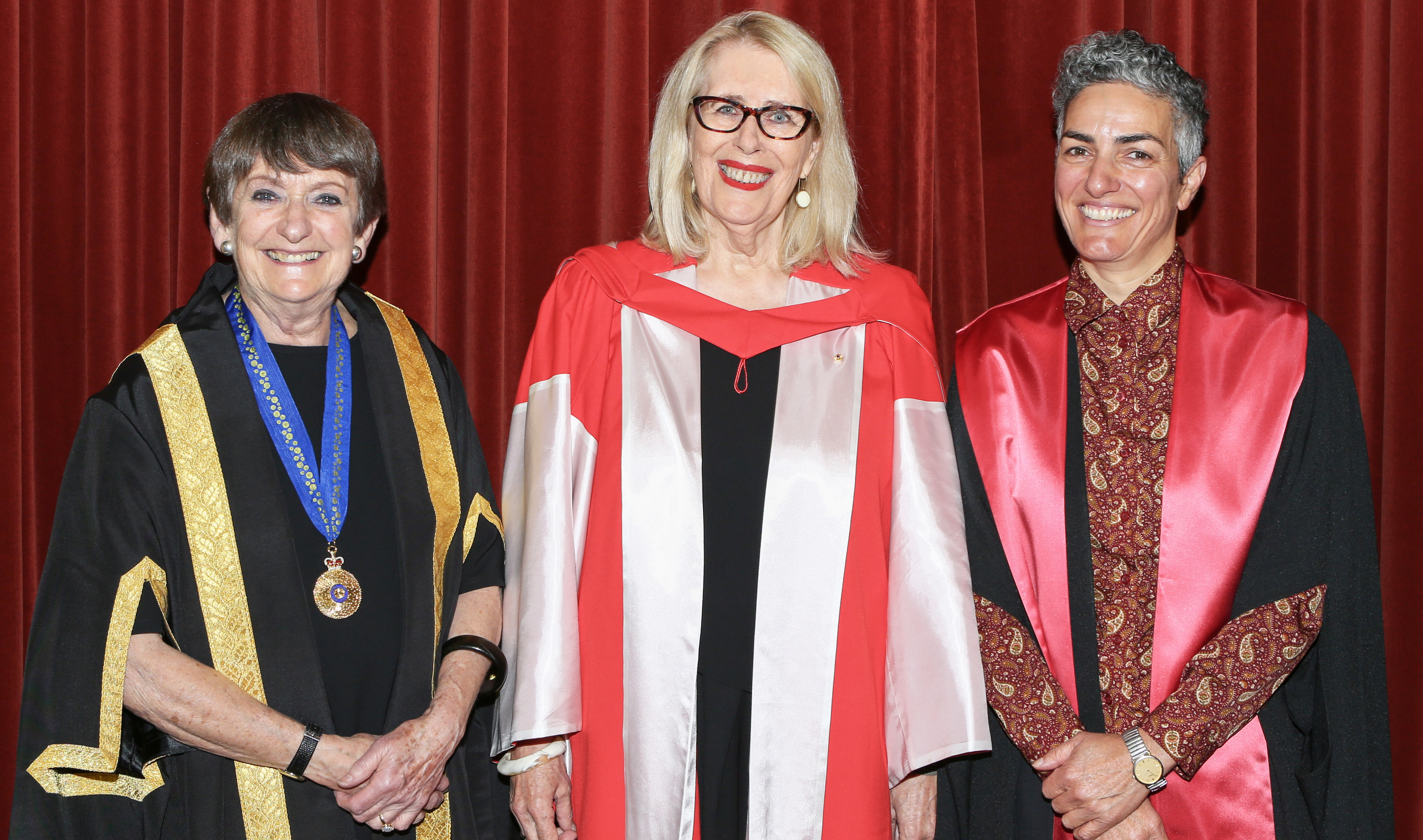
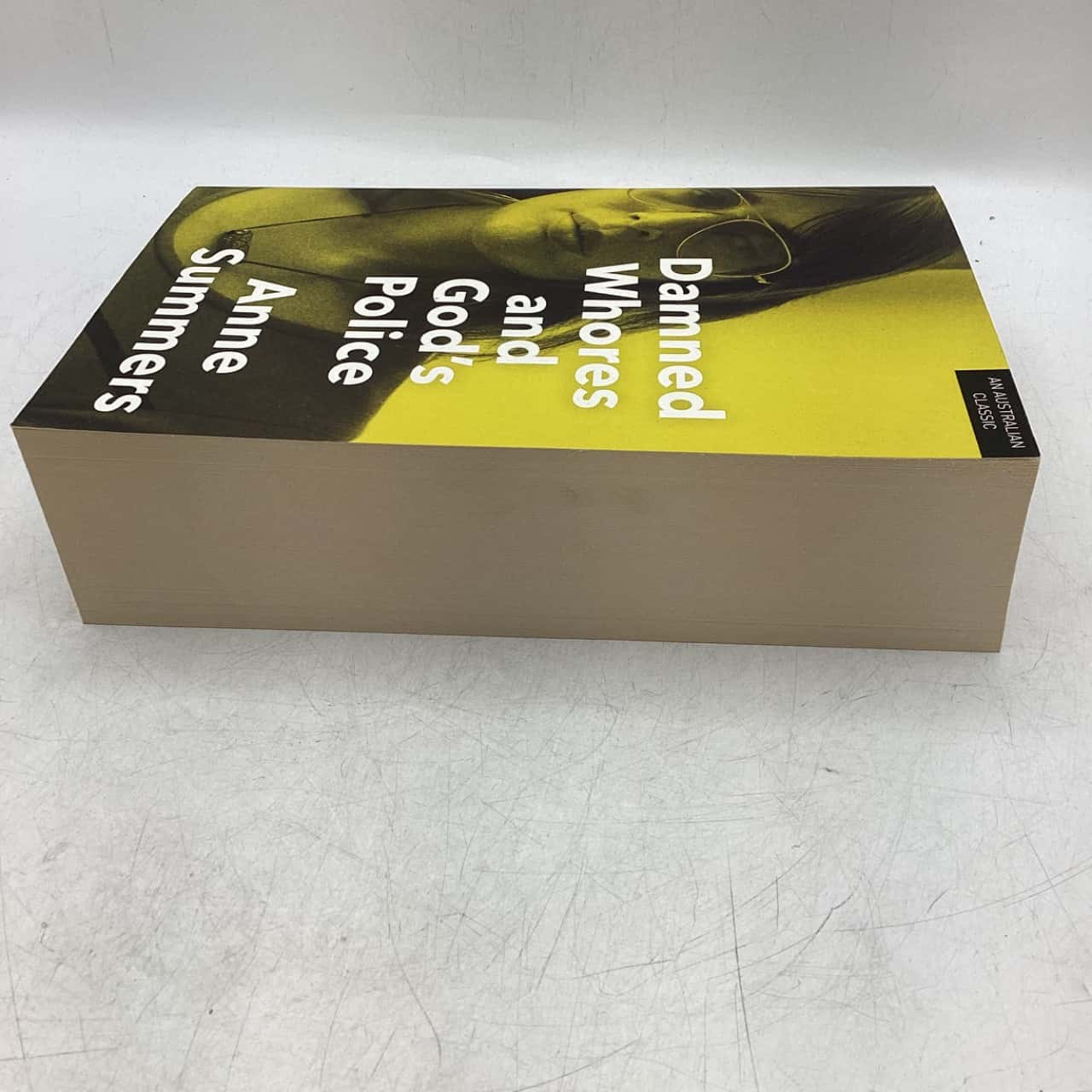
Dr. Anne Summers AO is one of Australia’s most influential feminist scholars, journalists, and policy advisors. Her seminal 1975 work, Damned Whores and God's Police, fundamentally transformed Australian gender history and social theory. Her complete body of work encompasses groundbreaking political analysis, investigative reporting, cultural criticism, and candid autobiographical memoirs.
Who Is Dr. Anne Summers AO?
Before examining her bibliography, it is vital to understand the perspective Dr. Anne Summers brings to her writing. Born in Adelaide, South Australia, in 1945, Summers emerged as a leading voice in Australia's Women’s Liberation Movement during the early 1970s. She was among the co-founders of the Elsie Women’s Refuge in Sydney in 1974, Australia’s first modern emergency shelter for women and children escaping domestic violence.
Summers transitioned into mainstream journalism, serving as the Canberra bureau chief for The Australian Financial Review before moving into top administrative and editorial roles. She served as the head of the Office of the Status of Women under Prime Minister Paul Keating, edited the iconic American feminist publication Ms. magazine in New York, and held senior editor positions at The Sydney Morning Herald and The Good Weekend.
Her books reflect this unique dual perspective: that of an activist demanding radical structural change and an insider who understands the mechanics of political, media, and institutional power.
Key Themes Across the Works of Anne Summers
Across five decades of publishing, Summers' writing is defined by several consistent analytical pillars:
- Stereotyping and Cultural Dualism: Deconstructing how Australian society categorizes women into narrow binary roles to restrict their social and economic autonomy.
- Institutional Power Dynamics: Analyzing how state apparatuses, political parties, media outlets, and religious institutions create and maintain gender inequality.
- Economic Independence: Emphasizing that political and personal liberty for women cannot exist without financial equity, equal pay, independent superannuation, and affordable childcare.
- Historical Reclamation: Uncovering the forgotten stories of women in colonial and 20th-century history, as well as examining personal family histories within broader socio-political environments.
- Autonomy and Agency: Exploring what it means for women to live self-determined lives outside traditional expectations.
Comprehensive Breakdown of Anne Summers' Major Books
1. Damned Whores and God's Police: The Colonization of Women in Australia (1975)
First published by Penguin Books in 1975, Damned Whores and God's Police remains a foundational text in Australian sociology and gender studies. The book was conceived while Summers was completing her PhD thesis at the University of Sydney, seeking to explain why Australian women occupied a distinct historical position compared to their British or American counterparts.
- AUSTRALIAN COLONIAL DUAL STEREOTYPE
- "DAMNED WHORES"
- Associated with convict women
- Deemed immoral & irredeemable
- Justified neglect & exploitation
- "GOD'S POLICE"
- Introduced to civilize colony
- Frame: Moral guardians & mothers
- Confined to domestic sphere
- "DAMNED WHORES"
Core Thesis and Framework
Summers argues that Australian culture historically categorized women into two extreme, destructive stereotypes rooted in the nation's penal colony origins:
- "Damned Whores": The early convict women, who were branded by colonial authorities as irredeemably immoral, sexualized, and unruly. This label was used to justify systemic neglect, abuse, and exploitation.
- "God's Police": The deliberate importation of free women, initiated by reformers like Caroline Chisholm, intended to act as moral guardians, domesticate male convicts, and enforce social order through marriage and motherhood.
Summers demonstrates how this binary trapped Australian women for generations. If a woman stepped outside the submissive, moralizing role of "God's Police," she was automatically relegated to the status of a "Damned Whore," denying her full citizenship and personal agency.
Legacy and Revised Editions
The book underwent major updates and republications in 1994, 2002, and 2016. In later editions, Summers updated her analysis to examine contemporary issues, including childcare policies, workplace equity, digital harassment, and superannuation disparities, evaluating how the original stereotypes continue to manifest in modern political discourse.
2. Duck for Cover: In the Corridors of Power (1999)
In 1999, Summers published Duck for Cover, a political memoir focused on her tenure as First Assistant Secretary of the Office of the Status of Women (OSW) within the Department of the Prime Minister and Cabinet under the Labor administration of Paul Keating (1992–1993).
Key Takeaways and Insights
- Inside Government: Offers a practical look at how gender policy is negotiated inside central government departments.
- Policy Wins and Obstacles: Details the political battles to secure funding for national childcare initiatives, women’s safety programs, and female representation on public boards.
- The Media Environment: Critiques how political media outlets cover women's policy, often reducing complex economic initiatives to peripheral political issues.
The book provides a realistic look at bureaucratic strategy, detailing how feminists can work within existing political machinery to achieve concrete legislative and budgetary outcomes.
3. Gamble: Inside the Howard Government's Campaign to Sell the GST (1999)
Also published in 1999, Gamble shifted focus toward investigative political journalism. The book provides an in-depth examination of Prime Minister John Howard’s campaign to introduce the Goods and Services Tax (GST), a major tax reform package that reshaped the Australian economic landscape.
Focus and Method
Summers analyzes the political advertising strategies, public relations techniques, and legislative deals used by the Howard Government to sell tax reform to a skeptical public. While less focused on explicit gender theory, Gamble demonstrates Summers' skill as a senior political reporter capable of unpacking complex tax law and electoral politics.
4. The End of Equality: Work, Sex and Women's Rights in the 21st Century (2003)
Published in 2003 by Random House Australia, The End of Equality served as a warning about the retreat from feminist principles in Australian public life during the late 1990s and early 2000s.
Key Arguments
- The Re-Domestication Agenda: Summers argues that conservative economic and social policies under the Howard Government deliberately incentivized women to return to traditional family structures.
- Institutional Complacency: The book critiques a growing cultural sentiment that full gender equality had already been achieved, pointing out ongoing structural pay gaps, low female representation in executive roles, and persistent domestic violence.
- The "Motherhood Penalty": Analyzes how workplace structures penalize women who take time out of the formal workforce to care for children, leading to long-term financial insecurity in retirement.
5. The Lost Mother: A Memoir of Art and Love (2009)
Published by Bloomsbury in 2009, The Lost Mother represents a personal shift in Summers' bibliography. The narrative begins with her discovery of a portrait of her mother, Eileen, painted in 1933 by the celebrated Australian artist Constance Stokes.
- PORTRAIT DISCOVERY: Discovers 1933 painting of her mother by artist Constance Stokes
- ARCHIVAL INVESTIGATION: Uncovers family records, letters, and hidden personal histories
- CULTURAL CONTEXTUALIZATION: Examines structural restrictions on mid-century Australian wives and mothers
Narrative and Themes
- Familial History: Summers uses the portrait as a catalyst to investigate her mother's early life, her marriage, and the hidden creative and intellectual sacrifices she made.
- The Status of Female Artists: The book doubles as an exploration of Constance Stokes and other mid-20th-century women artists in Australia who struggled for critical recognition in a male-dominated art establishment.
- Generational Memory: Merging personal memoir with historical research, The Lost Mother examines how society constrained mid-century Australian wives and mothers, leaving their private hopes largely unrecorded.
6. The Misogyny Factor (2013)
Published by NewSouth Publishing in 2013, The Misogyny Factor was written in the aftermath of Prime Minister Julia Gillard’s world-famous 2012 "Misogyny Speech" in the Australian Parliament.
Critical Themes and Evidence
Summers conducts a clear-eyed assessment of gender dynamics in Australian public life, demonstrating that misogyny remained a persistent force across major societal sectors:
- Political Discourse: Documenting the gendered attacks, media coverage, and public vilification directed at Julia Gillard as Australia's first female prime minister.
- Corporate Leadership: Highlighting the slow pace of change on corporate boards and in executive management across top ASX-listed companies.
- Economic Disparity: Presenting empirical data on the gender pay gap, superannuation gaps, and the concentration of women in low-paid, precarious industries.
- Workplace Culture: Examining systemic sexual harassment and structural barriers preventing women from advancing into executive positions.
7. Unfettered and Alive: A Memoir (2018)
Published by Allen & Unwin in 2018, Unfettered and Alive is Dr. Anne Summers' definitive autobiography. Spanning over seven decades, it traces her path from a strict Catholic upbringing in Adelaide to the forefront of national and global policy.
Key Highlights of the Memoir
- Early Activism: Detailed accounts of the founding of the Elsie Refuge and her involvement in radical feminist printing collectives and protests during the early 1970s.
- International Journalism: Recounts her time in New York City during the late 1980s as editor-in-chief of Ms. magazine, navigating the commercial pressures of international publishing.
- Reflections on Power: Honest evaluations of her interactions with key political figures, including Gough Whitlam, Bob Hawke, Paul Keating, and John Howard.
- Personal Independence: A candid reflection on choices regarding marriage, children, career ambitions, and living an "unfettered" life devoted to social reform.
Complete Chronological Bibliography of Anne Summers
The following table summarizes the major books authored by Dr. Anne Summers AO:
| Book Title | First Publication Year | Primary Genre / Style | Key Focus Area |
|---|---|---|---|
| Damned Whores and God's Police | 1975 | Feminist Sociology / History | Australian colonial history, female stereotyping, gender inequality |
| Duck for Cover: In the Corridors of Power | 1999 | Political Memoir | Federal policymaking, Office of the Status of Women, Keating Government |
| Gamble: Inside the Howard Government's Campaign to Sell the GST | 1999 | Political Journalism | Economic reform, political advertising, Howard Government policy |
| The End of Equality: Work, Sex and Women's Rights | 2003 | Political & Social Criticism | Cultural backlash against feminism, work-family policy, economic pay gaps |
| The Lost Mother: A Memoir of Art and Love | 2009 | Biographical Memoir | Family secrets, 20th-century Australian female artists, maternal identity |
| The Misogyny Factor | 2013 | Social & Political Analysis | Systemic sexism, treatment of female leaders, gender wage gap |
| Unfettered and Alive: A Memoir | 2018 | Autobiography | Life story, history of Australian Women’s Liberation, media career |
Reading Guide: Where to Start with Anne Summers Books
Depending on your specific area of interest, here are the best starting points for reading Anne Summers' works:
For Students of Gender Studies and Australian History
Start with "Damned Whores and God's Police".
- Why: It is the foundational text that provides the conceptual framework for understanding gender dynamics in Australia. Reading the updated 2016 edition allows you to trace both the original historical analysis and its modern extensions.
For Autobiography and Social History Enthusiasts
Start with "Unfettered and Alive: A Memoir".
- Why: This book presents a sweeping view of modern Australian political and social history through a personal lens. It offers an engaging entry point into her life, writing style, and philosophy.
For Political Science and Public Policy Readers
Start with "The Misogyny Factor" followed by "Duck for Cover".
- Why: These works show how gender politics operates at the highest levels of government and corporate leadership, offering a look at both policy creation and political pushback.
For Art History and Memoir Readers
Start with "The Lost Mother".
- Why: It offers a reflective, narrative-driven exploration of mid-century art, personal identity, and family dynamics, serving as her most personal and artistic book.
Historical Impact and Legacy in Literature
Dr. Anne Summers' publications have shaped Australian non-fiction in several ways:
- Establishing Australian Gender History: Prior to Damned Whores and God's Police, Australian history was largely recorded through a male-dominated lens focused on explorers, bushrangers, and politicians. Summers showed that colonial policy relied heavily on controlling women.
- Bridging Activism and Policy: Her writings document how grass-roots movements in the 1970s created durable policy structures, providing a roadmap for social reformers.
- Data-Driven Feminism: Summers consistently supports her social critiques with policy analysis, economic data, and parliamentary records, setting a standard for political journalism in Australia.
Frequently Asked Questions
What is Anne Summers' most famous book?
Her most famous book is Damned Whores and God's Police: The Colonization of Women in Australia, first published in 1975. It is widely considered a classic of Australian feminist literature and sociology, remaining continuously in print through multiple revised editions across several decades.
Is Damned Whores and God's Police still relevant?
Yes. While its primary historical analysis focuses on colonial Australia, the framework explaining how society splits women into rigid stereotypes ("virtuous mothers" vs. "immoral deviants") remains widely cited in discussions of media representations of female politicians, public figures, and corporate leaders.
What is the difference between Duck for Cover and Unfettered and Alive?
Duck for Cover (1999) is a focused political memoir that concentrates primarily on her time inside the federal government working for Prime Minister Paul Keating in the early 1990s. Unfettered and Alive (2018) is her full-length autobiography, covering her childhood, her early activism in the 1970s, her career in New York and Sydney, and her long-term advocacy work.
Did Anne Summers write any fiction books?
No. Dr. Anne Summers has focused her publishing career on non-fiction, including investigative journalism, historical analysis, political critiques, policy research reports, and autobiographical memoirs.
Are Anne Summers' books available digitally?
Yes. Major works including Damned Whores and God's Police, The Misogyny Factor, The Lost Mother, and Unfettered and Alive are available in ebook formats across major digital platforms. Unfettered and Alive is also available as an unabridged audiobook narrated by the author.
Next Steps for Readers and Researchers
To engage further with Dr. Anne Summers' contributions to Australian literature and political discourse:
- Read Damned Whores and God's Police (2016 Edition): Gain a firm understanding of the fundamental text that transformed Australian gender history.
- Explore Her Policy Reports: For current policy research, review her work with the University of Technology Sydney (UTS), including her major 2022 research report Choice, Change and Community, which examines the economic status of single mothers escaping domestic violence.
- Cross-Reference Political Memoirs: Pair Duck for Cover with memoirs from contemporaries of the Whitlam and Keating government eras to analyze how social and economic policies were developed behind closed doors.