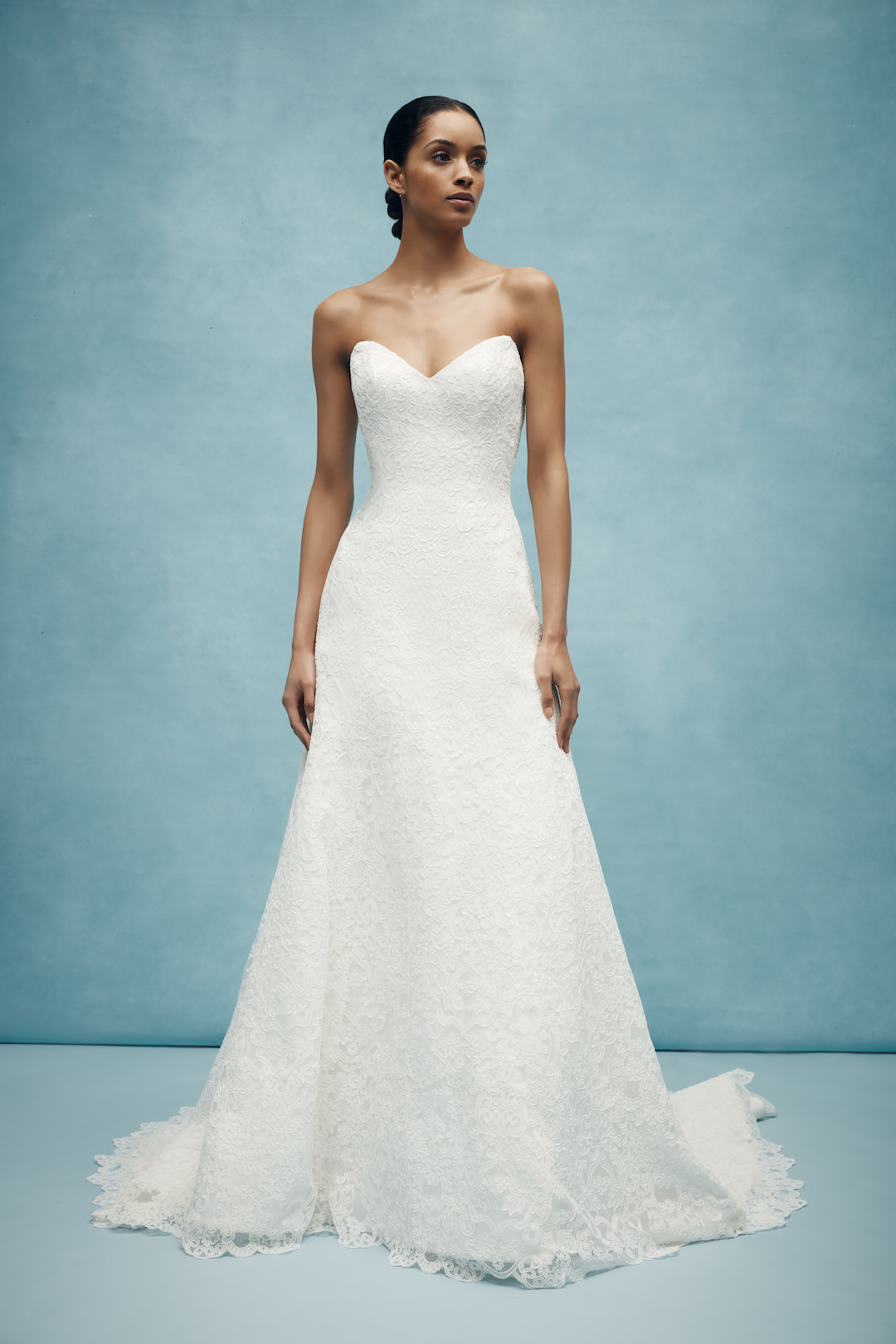
Modern brides seeking "Anne" wedding dresses frequently look to iconic couture houses like Anne Barge or classic Queen Anne necklines that merge historical romance with contemporary design. These gowns feature architectural silhouettes, structured corsetry, and premium fabrics like Mikado silk, stretch crepe, and Alençon lace, delivering an elevated balance of understated elegance and modern versatility.
Deconstructing the "Anne" Aesthetic in Modern Bridal Wear
The term "Anne" in bridal fashion carries dual significance for contemporary brides. On one hand, it highlights renowned American bridal couture houses—most notably Anne Barge—celebrated for refined craftsmanship, clean architectural lines, and modern interpretations of classic romance. On the other hand, it references the classic Queen Anne neckline and traditional royal silhouettes updated with lightweight boning, streamlined tailoring, and unembellished, high-lustre fabrics.
For modern brides, selecting an Anne-style wedding dress offers an escape from overly ornate, heavy gown embellishments without sacrificing elegance or structural presence. Today’s modern bride prioritizes mobility, comfort, and sleek tailoring while retaining the dramatic presence of traditional bridal wear. By blending heritage craftsmanship with contemporary minimalism, Anne gowns satisfy the desire for modern sophistication.
The Rise of Architectural Minimalism
Modern bridal trends have shifted dramatically toward minimalist luxury. Rather than relying on heavy head-to-toe beadwork, designers behind modern Anne collections use high-grade structural textiles to create dramatic shapes. Sharp basque waists, precision pleating, fold-over cuffs, and hidden pockets define these garments. This focus on form allows the bride’s natural posture and personal styling to take center stage.
Queen Anne Necklines Reimagined
The historic Queen Anne neckline—traditionally characterized by a high collar at the back of the neck, open collarbone framing, and a sweetheart or scoop bust—has undergone a modern redesign. Contemporary bridal ateliers have replaced heavy, opaque fabrics with sheer illusion netting, sharp geometric cutouts, and unlined lace applique. This structural neck design frames the shoulders and collarbones beautifully, providing exceptional support for full busts while creating a statuesque frame for photography.
Core Characteristics of Modern Anne Bridal Gowns
Understanding the design elements, fabric compositions, and structural choices of modern Anne bridal wear is essential when shopping for your dream gown. High-end bridal garments rely heavily on textile weight, internal corsetry, and precise tailoring to achieve their signature look.
ANNE BRIDAL GOWN DESIGN PIPELINE
- High-Grade Textiles (Mikado, Silk Crepe)
- Internal Architecture & Corsetry (Flexible Boning, Inner Belts)
- Precision Neckline Framing (Illusion Framing, Basque)
- Modern Finishing Details (Hidden Pockets, Covered Buttons)
High-End Textiles and Fabric Choice
The fabric chosen for an Anne gown dictates how the dress holds its shape, reflects light, and moves down the aisle. Ateliers specializing in this style select textiles based on density, drape, and durability:
- Silk Mikado: A heavy, luxurious silk blend with a subtle diagonal weave and soft luster. Mikado provides superior structural hold, making it the ideal choice for structured ball gowns, sharp box pleats, and architectural seams that will not collapse under their own weight.
- Stretch Crepe: A matte-finish fabric with a smooth, fluid drape and slight elasticity. Crepe hugs the body's natural contours while allowing maximum movement, making it perfect for modern sheath, column, and fit-and-flare cuts.
- Silk Faille: A rib-weave fabric that balances structure with lightness. It offers a slightly matte finish with subtle surface texture, ideal for brides who want crisp volume without the high gloss of satin.
- Alençon and Chantilly Lace: Traditional French laces used selectively as structural overlays, accent sleeves, or sheer illusion paneling across the back and neckline.
Internal Corsetry and Garment Architecture
What makes high-end Anne gowns stand apart from mass-produced bridal wear is the hidden internal structure. Beneath the sleek exterior lies an engineered foundation designed to support the body comfortably for 10 to 14 hours:
- Flexible Spiral Steel Boning: Unlike rigid plastic boning that can warp or buckle from body heat, high-quality spiral steel boning conforms to the torso while maintaining vertical tension, smooth waistlines, and bust support.
- Internal Waist Elastic Bands: Often called waist cinchers or inner belts, these internal straps transfer the weight of a heavy skirt or long train directly to the waist rather than dragging down the shoulders or bustline.
- Bustier Cups and Sculpted Foundations: Custom-molded soft cups eliminate the need for uncomfortable strapless bras, providing seamless lift and smooth contours beneath light silk or crepe.
Fabric & Silhouette Matrix for Anne Wedding Dresses
Selecting the right combination of silhouette, textile, and neck structure ensures your gown fits your venue, climate, and personal style. Use this reference guide when reviewing options at bridal appointments:
| Silhouette | Primary Fabric | Ideal Neckline | Best Venue / Setting | Care & Alteration Complexity |
|---|---|---|---|---|
| Architectural Ball Gown | Silk Mikado or Faille | Strapless Notch or Fold-Over Cuff | Grand Cathedrals, Modern Art Museums, Historic Estates | High (requires professional pressing, multi-point bustles) |
| Minimalist Column / Sheath | Heavyweight Stretch Crepe | Scoop Neck or Modern Queen Anne Illusion | City Rooftops, Contemporary Art Galleries, Botanical Gardens | Moderate (requires precise hem hemline and seamless foundation wear) |
| Structured A-Line | Italian Silk Satin or Mikado | High Collar with Cutout back | Vineyards, Luxury Resorts, Private Estates | Moderate (verifies waist-to-hip proportions easily) |
| Modern Fit-and-Flare | Crepe with Alençon Lace Accents | Sweetheart or Deep V-Neck | Coastal Estates, Chic Urban Venues | High (requires precision tapering through the thighs and hips) |
| Drop-Waist Corset Gown | Silk Organza or Soft Tulle | Square Neck or Off-the-Shoulder Wrap | Historic Mansions, European Destination Venues | High (requires exacting torso measurement fittings) |
Matching Your Body Type and Venue Aesthetic
Choosing the ideal gown involves balancing personal proportion preferences with the practical realities of your event location and climate.
Venue Compatibility and Seasonal Considerations
- Urban Loft and Modern Gallery Weddings: Sleek stretch-crepe column gowns or geometric A-line skirts reflect modern interior architecture. Clean surfaces photograph brilliantly against industrial glass, exposed brick, and clean white museum walls.
- Historic Estates and Formal Ballrooms: Heavyweight Silk Mikado ball gowns with dramatic chapel or cathedral trains match grand architecture. The natural sheen of Mikado reflects warm interior chandelier lighting while maintaining its shape throughout the evening.
- Outdoor Vineyards and Destination Ceremonies: Lightweight silk organza or fluid crepe skirts ensure ease of walking across lawn, stone, or gravel surfaces. Breathable natural silk linings prevent heat buildup during outdoor afternoon ceremonies.
Flattering Your Natural Silhouette
- Petite Frames: Opt for clean, uninterrupted lines. High-waisted column dresses or slim A-line cuts without heavy horizontal seams visually elongate the body. Sheer illusion necklines offer structure without overwhelming a smaller frame.
- Full Bust Considerations: A structured Queen Anne neckline or built-in boned corset offers natural uplift and security, allowing you to move and dance without constant adjustments. Avoid completely unconstructed slip dresses in favor of internal waist stays.
- Pear-Shaped and Athletic Figures: A structured drop-waist or classic basque waist defines the torso while allowing the skirt to flare smoothly over hips and thighs. Square and wide boatneck styles balance broader hips by accentuating the shoulders.
Ordering, Sizing, and Alteration Strategies
Purchasing a couture or designer Anne gown requires precise planning to manage production timelines, alteration appointments, and budgeting accurately.
RECOMMENDED TIMELINE (12 MONTHS)
- Month 12-9: Research & Initial Boutique Trunk Show Appointments
- Month 9-8: Final Selection, Precision Measurements & Order Placed
- Month 3-2: First Fitting (Hem, Bodice Sculpting, Bustle Placement)
- Month 1: Second & Final Fitting (Fine Adjustments, Pressing)
- Event Week: Final Pick-Up, Steaming, & Garment Bag Storage
Ordering Timelines and Trunk Shows
Standard production lead times for luxury bridal gowns range from 6 to 9 months, as garments are cut and sewn based on designer size charts upon receipt of your deposit.
- Trunk Shows: Visiting an authorized retailer during an Anne Barge or specialized bridal designer trunk show allows you to preview full upcoming collections before they hit showroom floors. Trunk shows frequently feature designer reps who offer advice on custom alterations (such as lowering a backline or raising a neckline).
- Rush Orders: If your wedding date is under 6 months away, ask boutiques about rush options. Designers can often expedite production for an additional fee ranging from 10% to 25% of the gown’s retail price.
Navigating the Alteration Process
Bridal sizing differs significantly from standard high-street sizing. Most brides measure one to two sizes larger on a bridal size chart than in daily ready-to-wear clothing. Always order to fit your largest physical measurement (bust, waist, or hip), as taking a gown in is far easier than letting seams out.
Plan for a minimum of three alteration fittings:
- First Fitting (8 to 10 Weeks Before Wedding): The tailor pinches the structural side seams, adjusts shoulder straps, establishes the waist position, and marks the initial hemline while wearing your actual wedding shoes.
- Second Fitting (3 to 4 Weeks Before Wedding): Fine-tuning the torso contour, shaping the bust area, and installing the bustle system (French bustle, American bustle, or wrist loop) to lift the train after the ceremony.
- Final Fitting (1 to 2 Weeks Before Wedding): Verifying final mobility, practicing the bustle with your maid of honor, and taking the fully pressed gown home.
Styling the Modern Anne Gown: Accessories, Veils, and Shoes
Because modern Anne gowns emphasize clean architectural shapes, accessory choices should complement—rather than compete with—the dress's clean lines.
Veil Selection
- Cathedral-Length Raw Edge Veils: For clean Mikado or silk satin gowns, a floor-sweeping cathedral veil in lightweight silk tulle adds dramatic length for aisle photos without cluttering the dress silhouette.
- Pearls and Subtle Accents: If your gown is smooth crepe without lace embellishments, a veil sprinkled with subtle mother-of-pearl beads or tiny crystal drops adds texture and modern sparkle under bright lighting.
- Blusher Veils: Pair structured high necklines or retro Queen Anne necklines with a shorter shoulder-length blusher for a classic high-fashion bridal look.
Jewelry, Hairstyles, and Footwear
- Neckline-Driven Jewelry: If your gown features an intricate illusion Queen Anne or high neck, skip the necklace entirely and opt for dramatic chandelier earrings or drop pearl studs. For clean strapless or sweetheart cuts, consider a simple diamond solitaire or sleek gold collar.
- Hairstyles: High buns, sleek low chignons, or polished side-swept waves elevate structured necklines and open-back cutouts. Keep hair off the shoulders if your dress features structured collar detail or fold-over lapels.
- Bridal Shoes: Pair clean crepe skirts with minimalist block heels or pointed-toe satin pumps. Ensure heels are broken in before your first alteration fitting so the hem length is precisely aligned with the floor.
Frequently Asked Questions
What makes an Anne Barge gown distinct from other modern bridal designers?
Anne Barge gowns are known for merging classic architectural tailoring with modern romantic details. The brand prioritizes fine fabrics like silk Mikado and Alençon lace, avoiding heavy, trendy embellishments in favor of timeless silhouettes, precise structural corsetry, and subtle modern accents like hidden pockets and fold-over cuffs.
How far in advance should I order an Anne-style wedding dress?
Order your gown 8 to 12 months before your wedding date. Standard designer production takes 6 to 9 months, leaving 2 to 3 months for fittings and custom alterations. If your wedding is sooner, many boutiques offer sample sales or expedited rush orders for an extra fee.
What is the average price range for modern designer Anne gowns?
Designer Anne gowns—including mainline collections from major luxury bridal houses—typically range from $3,000 to $9,000, depending on fabric composition, custom structural modifications, and hand-applied lace detail. Secondary diffusion lines or sample sales can offer options between $1,800 and $3,000.
Are structured Mikado silk gowns comfortable for warm-weather outdoor weddings?
While Mikado silk is a high-density, structured fabric, natural silk blends remain significantly more breathable than heavy synthetic polyesters. For hot climates, consider a gown lined with 100% breathable silk, or select a high-grade stretch-crepe style with an open back to maximize airflow.
How do I maintain and preserve a heavy Mikado or crepe wedding gown after the ceremony?
Take your gown to a professional dry cleaner specializing in bridal wear within 1 to 2 weeks after the wedding. They will remove invisible organic stains (like wine, sweat, and sugar), repair delicate hem threads, and seal the gown in an acid-free archival storage box to prevent fabric yellowing over time.
Practical Next Steps for Your Bridal Shopping Journey
To begin your search for the perfect Anne wedding dress, follow these actionable steps:
- Define Your Aesthetic and Constraints: Set your maximum total dress budget (including a 15–20% buffer for professional alterations, veil, shoes, and preservation).
- Locate Authorized Retailers: Search official brand directories for authorized luxury bridal salons carrying current collections and schedule appointments 9 to 12 months before your date.
- Prepare for Your Fitting: Bring your intended heel height, seamless skin-tone underwear, and a supportive strapless bra to your initial shopping appointments to see true dress proportions.
- Confirm Alteration Policies: Before placing your deposit, confirm whether the boutique offers in-house alterations or provides trusted external bridal seamstress referrals familiar with heavy silk and boned corsetry.
EDITORIAL CATEGORY METADATA: