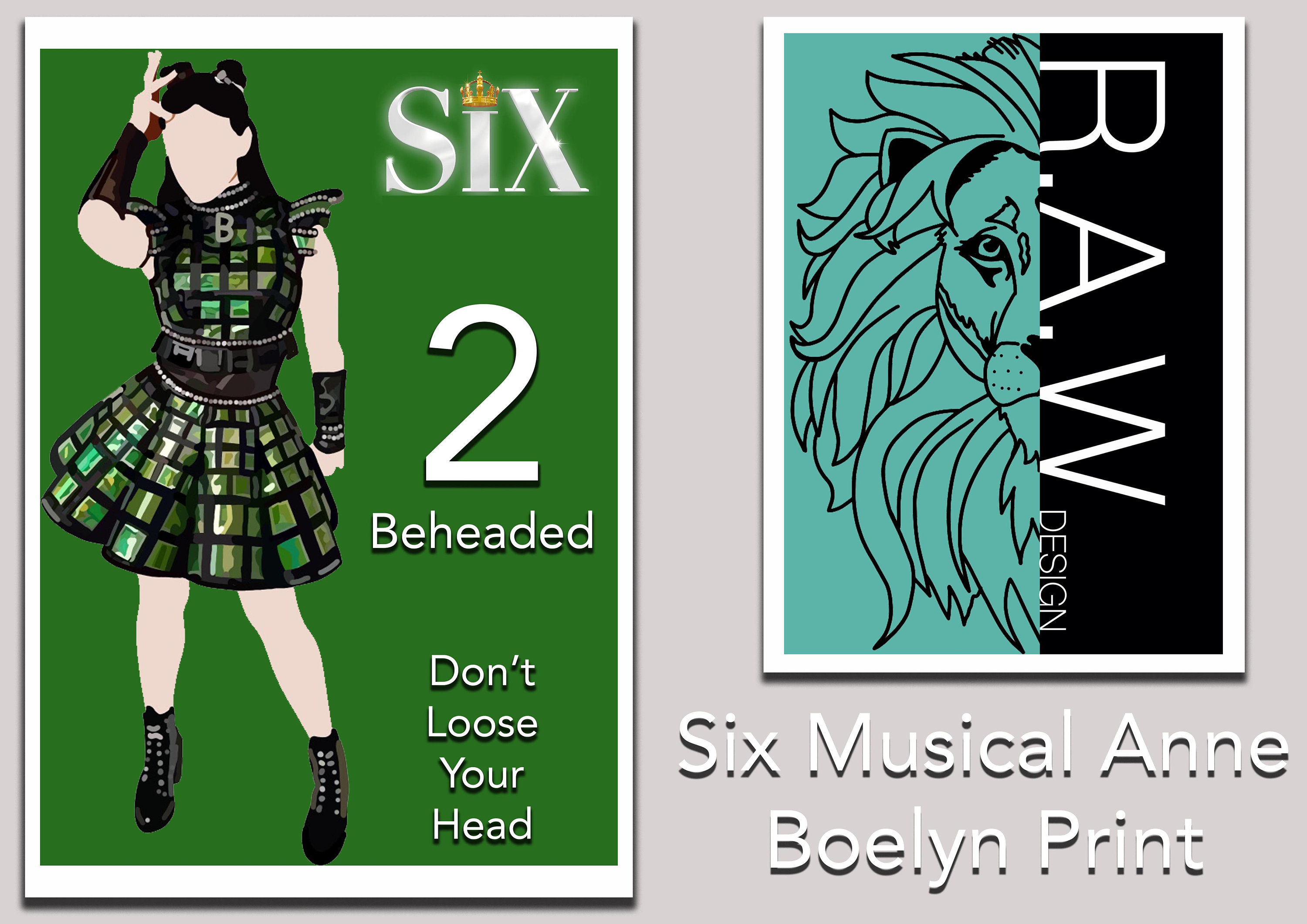
Evaluating Anne Boleyn’s role in SIX The Musical reveals how creators Toby Marlow and Lucy Moss transformed one of history’s most tragic figures into a pop-punk powerhouse. Positioned as the show’s second queen, Anne Boleyn delivers the hit solo "Don't Lose Ur Head," anchoring the musical's dark comedy while requiring exceptional vocal control, comedic timing, and physical stamina.
The Role of Anne Boleyn in SIX: Character Concept and Narrative Function
SIX The Musical reimagines the six wives of King Henry VIII as a modern girl group competing for the title of lead singer based on who suffered the most during their marriage. Within this framing, Anne Boleyn occupies the crucial second spot in the setlist. Coming immediately after Catherine of Aragon’s commanding, Beyoncé-inspired opening number "No Way," Anne’s character must instantly shift the show's energy from regal defiance to rebellious, irreverent humor.
Anne Boleyn’s musical persona draws heavy inspiration from late 2000s and early 2010s pop-punk and electropop icons, specifically incorporating style elements reminiscent of Lily Allen, Avril Lavigne, and early Miley Cyrus. Where Catherine of Aragon argues her case through legal legitimacy and religious duty, Anne reframes her historical narrative as a series of chaotic misunderstandings driven by youth, flirting, and social rivalry.
Narratively, Anne serves as the primary engine of comedic relief in the show's first half. Her character continually interrupts the other queens with sarcastic quips, fourth-wall breaks, and lighthearted jabs about her own decapitation. However, this levity conceals a deliberate dramatic function: by treating her execution with casual nonchalance, the musical highlights how women in the Tudor court were subjected to lethal political maneuvers disguised as personal moral failures.
Show Order: Queen #2 (Follows Catherine of Aragon, precedes Jane Seymour) Musical Style: Pop-punk / Electropop / British Pop-Ska Primary Solo: "Don't Lose Ur Head" Key Visual Motif: Neon green two-piece skirt suit, space buns, spiked accessories
Critical Review of "Don't Lose Ur Head": Musical Structure and Composition
"Don't Lose Ur Head" is widely regarded as one of the standout tracks in the SIX score, functioning as a narrative engine disguised as a radio-ready pop track. Composed in a bouncy, uptempo 4/4 meter with a driving synth-pop beat, the song uses a lighthearted, conversational vocal delivery that contrasts sharply with its grisly subject matter.
Vocal Line and Melodic Construction
The song relies on vocal agility rather than sustained belt notes for most of its duration. The verse sections feature rapid-fire, speech-level phrasing that demands precise diction and effortless syncopation. The performer must navigate sudden register shifts between a relaxed chest-mix speech tone and a bright, pingy head voice during ad-libs and dramatic punctuation marks.
Vocal Range Required: G3 to E5 (Chest-mix heavy with clear head voice control) Tempo: Approximately 132 BPM Primary Technique: Speech-level singing, rhythmic precision, dynamic contrast
The hook of the chorus relies on melodic repetition, making it instantly memorable. However, the true difficulty for any actress performing the role lies in maintaining pitch stability while executing high-energy, continuous choreography. The bridge introduces a stylistic shift, breaking into a theatrical breakdown where Anne recounts her imprisonment in the Tower of London before building into a final, soaring chorus.
Lyrical Themes and Dark Comedy
The lyrics of "Don't Lose Ur Head" turn historical tragedy into modern texting culture and social satire. References to Henry VIII sending "a meme" or Anne complaining about being forced into court life disguise the actual political trap Anne Boleyn faced in 1536.
Lines such as "Tried to keep my head, gotta keep my cool" play on literal and metaphorical meanings, turning the act of execution into a recurring running gag. This stylistic choice divides critical opinions: while traditional musical theatre purists occasionally critique the song for flattening complex political history into teen-pop cliches, theatre scholars note that this superficiality reflects how the Tudor court reduced powerful women to mere headlines and gossip.
Historical Accuracy vs. Pop Subversion: How SIX Reinterprets Anne Boleyn
To appreciate Anne Boleyn's character in SIX, one must evaluate how the theatrical portrayal compares to verified historical accounts. The actual Anne Boleyn was a highly educated, fluent French-speaking noblewoman who spent years in the French court, heavily influenced the English Reformation, and wielded considerable political intellect.
| Historical Dimension | Verified History (c. 1501–1536) | SIX The Musical Interpretation | Dramatic Effect |
|---|---|---|---|
| Education & Intellect | Polyglot, patron of evangelical reform, sophisticated diplomat | Portrayed as a youthful party girl who stumbles into court drama | Creates an accessible, satirical pop archetype |
| Relationship to King | Years of calculated courtship; resisted becoming a mistress | Framed as casual flirting and text-style banter | Modernizes Tudor court dynamics for contemporary audiences |
| Fall from Power | Orchestrated by Thomas Cromwell on fabricated charges of adultery/treason | Depicted as a tragic miscalculation where "everybody lost their heads" | Highlights the absurdity of male court power |
| Execution | Beheaded by a skilled French swordsman at the Tower of London | Repeatedly joked about via head-tossing choreography and puns | Neutralizes historical trauma through comedic detachment |
The subversion is intentional. Creators Marlow and Moss designed SIX not as a historical documentary, but as an interrogation of how history paints women. By giving Anne a song that sounds deliberately unapologetic and slightly reckless, the show reclaims her image from centuries of moralistic portrayal—where she was often demonized as a scheming temptress—and re-frames her as a woman surviving in an impossible patriarchal system.
Performance Breakdown: Choreography, Costuming, and Stage Presence
The physical presentation of Anne Boleyn in SIX relies on distinct aesthetic choices designed by costume designer Gabriella Slade and choreographer Carrie-Anne Ingrouille.
Visual Design and Costume
Anne’s iconic neon green costume serves multiple symbolic functions:
- Color Psychology: Bright green contrasts visually with Catherine of Aragon’s regal gold, instantly establishing Anne as an outsider and disruptor.
- Historical Callback: Green pays subtle homage to the traditional song "Greensleeves," which popular folklore (though historically disputed) long attributed to Henry VIII writing for Anne Boleyn.
- Modern Pop Silhouette: The mini-skirt, cropped top, space buns, and combat boots mirror 1990s and 2000s grunge-pop and rave culture, setting her apart from the more structured silhouettes of Catherine of Aragon or Jane Seymour.
Choreographic Demands
Choreographically, Anne Boleyn's movements are bouncy, asymmetrical, and highly stylized. Unlike the statuesque posture of Aragon or the fluid, lyrical movements of Seymour, Anne’s choreography incorporates:
- Isolation movements of the head and neck, hinting playfully at her ultimate fate.
- High-impact jump combinations during the chorus sections of "Don't Lose Ur Head."
- Continuous ensemble backing work, where the actress must seamlessly transition between solo center-stage focus and backing vocals/dance support for the other five queens.
Physical stamina is critical. Because SIX runs for 80 minutes without an intermission, the actress portraying Anne remains on stage for virtually the entire performance, contributing vocal harmonies and dynamic dancing even when she is not leading the scene.
Comparative Analysis: Anne Boleyn vs. Other Queens in SIX
Within the show's structure, each queen represents a specific pop archetype and vocal genre. Understanding Anne’s placement relative to the rest of the cast illuminates how her solo acts as a tonal bridge.
[Aragon: Power Pop/R&B] ➔ [BOLEYN: Pop-Punk/Ska] ➔ [Seymour: Vocal Ballad] ("No Way") ("Don't Lose Ur Head") ("Heart of Stone")
| Queen | Primary Musical Style | Pop Inspiration | Main Narrative Arc |
|---|---|---|---|
| Catherine of Aragon | Power Pop / R&B | Beyoncé, Shakira | Defiance against annulment and loss of royal status |
| Anne Boleyn | Pop-Punk / Electropop | Lily Allen, Avril Lavigne | Irreverent recount of court flirting ending in execution |
| Jane Seymour | Classic Soul Ballad | Adele, Sia | Unconditional love despite heartbreak and early death |
| Anna of Cleves | Hip-Hop / EDM | Nicki Minaj, Rihanna | Celebrating independence and retaining wealth after rejection |
| Katherine Howard | Bubblegum Pop / Synth-Pop | Ariana Grande, Britney Spears | Exposing the sexual exploitation underlying her reputation |
| Catherine Parr | Contemporary R&B / Soul | Alicia Keys, Emeli Sandé | Reclaiming female agency beyond marital association with Henry |
Anne’s pop-punk track provides a sharp dynamic drop from Aragon’s heavy brass instrumentation before setting up the dramatic emotional pivot into Jane Seymour’s emotional ballad, "Heart of Stone." Without Anne’s chaotic comedy, Seymour’s ballad would lack the stark contrast necessary to make its tragedy land effectively.
Audition and Vocal Demands for Actresses Playing Anne Boleyn
For performers auditioning for or playing the role of Anne Boleyn in professional productions, West End runs, Broadway, or touring companies, the role presents distinct technical challenges:
- Breath Management During Diction: "Don't Lose Ur Head" contains rapid, conversational lines. Performers must master quick, unobtrusive catch-breaths to prevent dropping the ends of musical phrases.
- Comic Timing and Improv Skills: Anne frequently interacts with the audience and breaks the fourth wall. Actresses must possess strong comedic instincts to land jokes cleanly while staying strictly on click-track tempo with the live band ("The Ladies in Waiting").
- Vocal Placement: The role requires a bright, forward mix (often referred to as a "twangy" pop placement) that cuts through heavy synthesizer arrangements without causing vocal fatigue over an eight-show week.
- Ensemble Blending: Beyond her solo, Anne sings tight three- and four-part pop harmonies across the other five solos. The ability to switch instantly from lead vocals to precise, background pop harmony is non-negotiable.
Frequently Asked Questions
What pop artists inspired Anne Boleyn's character in SIX?
Anne Boleyn's musical style and character design draw primarily from pop-punk and British pop artists, including Lily Allen, Avril Lavigne, and early Miley Cyrus. Her vocal style emphasizes cheeky, conversational delivery paired with bright pop belting.
What is Anne Boleyn's solo song in SIX The Musical?
Anne Boleyn's solo song is "Don't Lose Ur Head," an uptempo pop-punk track where she humorously recounts her arrival at court, her marriage to Henry VIII, and her eventual execution at the Tower of London.
How historically accurate is Anne Boleyn's portrayal in SIX?
The portrayal prioritizes thematic satire over historical detail. While key events—such as Henry breaking with Rome and Anne’s execution—are historically grounded, her personality is modernized into a youthful pop figure to critique how history trivializes women's lives.
What key range is required to sing Anne Boleyn's role?
The role generally requires a vocal range from G3 to E5. The performer must be comfortable maintaining a strong speech-level chest mix with clear head-voice control for high ad-lib flourishes.
Why is Anne Boleyn's signature color green in the musical?
Green is chosen to contrast with Catherine of Aragon's gold costume and to reference the historical ballad "Greensleeves," which folklore long associated with Henry VIII courting Anne Boleyn, alongside modern pop aesthetics.
Does Anne Boleyn win the competition in SIX?
No single queen wins the competition. By the end of the show, during the song "SIX," the queens realize that competing over their tragic marriages to Henry VIII continues to let him define their legacies, leading them to rewrite their stories as an empowered collective.
Practical Recommendations for Viewers and Performers
- For Theatre Attendees: Pay close attention to Anne Boleyn’s background reactions during other queens' songs. Much of the role’s character depth is revealed through non-verbal comedy and subtle interactions while supporting the rest of the cast.
- For Auditioning Vocalists: When preparing "Don't Lose Ur Head," prioritize diction and energetic storytelling over maxing out vocal volume. Focus on clean pop articulation, crisp consonants, and relaxed breath support to handle the rapid-fire lyrical rhythm easily.
- For Stage Directors: Ensure the performer playing Anne maintains the character's underlying vulnerability. While the character is predominantly humorous, reminding the audience of her youth and the systemic danger of the Tudor court keeps her performance grounded and resonant.