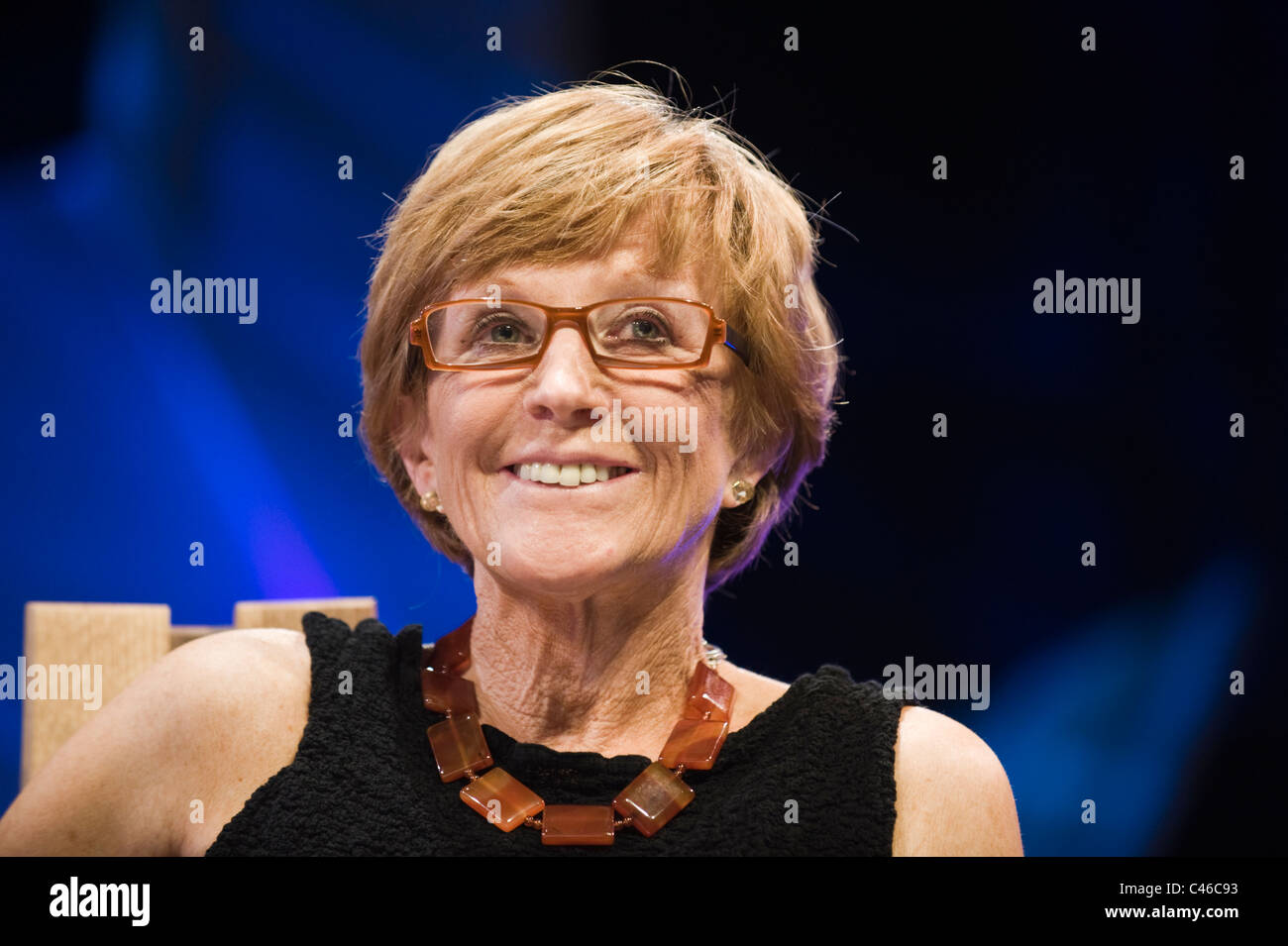
Born on September 26, 1944, British journalist and television presenter Anne Robinson is 81 years old. Her distinguished media career spans over six decades, beginning as a pioneering Fleet Street newspaper reporter and assistant editor before transitioning into prime-time television. She gained broad international acclaim hosting BBC's consumer watchdog program Watchdog, the global hit quiz show The Weakest Link, and Channel 4's daytime flagship Countdown.
Early Life and the Fleet Street Era (1944–1986)
Background and Education
Anne Josephine Robinson was born in Crosby, Lancashire (now Merseyside), England. Her mother, Anne Josephine (née Wilson), ran a successful market stall business, while her father, Charles Robinson, worked as a teacher. Raised in a household that valued strong work ethic and commercial drive, Robinson was educated at Convent of the Sacred Heart in London before pursuing her passion for writing and public commentary.
Breaking into Print Journalism
Robinson began her journalism career in the mid-1960s, a period when national newspaper newsrooms in the United Kingdom were almost exclusively male-dominated. She secured a position at the news agency Blacklocks, covering general news and crime stories across London. Her incisive prose, sharp nose for investigative detail, and relentless questioning quickly earned her opportunities at major national titles.
By the late 1960s, she joined the Daily Mail, working as a reporter and feature writer. She subsequently worked for The Sunday Times, demonstrating a talent for hard news reporting as well as opinion columns. Her work during this era established her reputation as an uncompromising journalist who refused to settle for official platitudes.
The Daily Mirror and Editorial Milestones
In 1980, Robinson joined the Daily Mirror, one of the UK’s highest-circulating tabloid newspapers. Her sharp commentary and popular column, "Wednesday's Column," made her a household name among newspaper readers.
In 1982, Robinson reached a major milestone in British journalism when she was appointed assistant editor of the Daily Mirror. She became the first woman to hold a senior editorial role of that level at a UK national tabloid newspaper. During her tenure, she oversaw key news coverage, mentored younger journalists, and authored high-profile feature stories. However, her focus gradually shifted toward broadcast media as radio and television producers began seeking her out for her distinct, opinionated broadcasting voice.
The Rise to Television Prominence (1987–1999)
Points of View: Giving Viewers a Voice
Robinson made her major transition into regular television broadcasting in 1987 when she assumed hosting duties for BBC One’s viewer feedback program, Points of View. The show allowed television audiences to air criticisms, praise, and observations regarding BBC programming.
Robinson’s dry wit, deadpan delivery, and willingness to mock both the network and disgruntled viewers transformed Points of View from a dry administrative segment into entertaining television. She hosted the program for a decade until 1997, cementing her signature broadcasting persona characterized by precise diction, stoic body language, and razor-sharp humor.
Watchdog: Becoming the Face of Consumer Advocacy
In 1993, Robinson became the main presenter of BBC’s flagship consumer rights show, Watchdog. The program exposed corporate malpractice, unsafe consumer products, dishonest sales tactics, and public sector failures.
Under her leadership, Watchdog became required viewing for millions of British households. Robinson's confrontational interview style proved highly effective when questioning corporate executives and government officials. Rather than allowing guests to use PR evasions, she pressed for clear answers, financial compensation for viewers, and product recalls. Her tenure established Watchdog as a formidable institution within British investigative journalism.
Journalism & Broadcast Timeline:
- [1960s-1970s] Fleet Street Reporter (Daily Mail, Sunday Times)
- [1982] First Female Assistant Editor at Daily Mirror
- [1987–1997] Presenter of BBC's 'Points of View'
- [1993–2001, 2009–2015] Lead Host of BBC's 'Watchdog'
- [2000–2012] Host of 'The Weakest Link' (UK & US)
- [2021–2022] First Female Permanent Host of 'Countdown'
The Global Phenomenon of The Weakest Link (2000–2012)
Crafting the "Queen of Mean" Persona
In August 2000, BBC Two launched a new daytime quiz show created by Fintan Coyle and Cathy Dunning titled The Weakest Link. Anne Robinson was chosen as the host, a decision that transformed both her career and the landscape of international game shows.
Unlike traditional quiz hosts who encouraged contestants, Robinson adopted a cold, uncompromising, and critical posture. Wearing sharp black tailored suits and staring sternly at the camera, she criticized contestants for incorrect answers, slow decision-making, and poor tactical voting. Her dismissal phrase—"You are the weakest link. Goodbye!"—accompanied by an iconic wink to the camera before the closing credits, became an instant cultural touchstone.
American Crossover and Global Franchising
The massive popularity of The Weakest Link in the United Kingdom prompted American network NBC to license the show in 2001. NBC took the unusual step of hiring Robinson to host the prime-time U.S. edition, making her one of the few British television personalities to successfully host a major American network game show in prime time.
The U.S. version debuted to high television ratings, drawing over 15 million viewers per episode during its initial run. Robinson’s stern British delivery stood in stark contrast to typical American game show hosts, earning her widespread recognition across North America. The franchise expanded to over 40 countries, with local versions adopting the format, tone, and presentation style that Robinson pioneered.
Impact on Quiz Show Production
Before The Weakest Link, game shows primarily relied on warm, supportive hosts who minimized contestant errors. Robinson introduced an element of dramatic tension, psychological strategy, and theatrical villainy. The success of the format demonstrated that audiences responded enthusiastically to high-stakes, direct conflict on daytime and prime-time television.
Robinson hosted the UK version of The Weakest Link continuously from 2000 until 2012, recording over 1,700 episodes before stepping down to pursue other broadcasting projects.
Later Career Milestones and Countdown (2015–Present)
Return to Watchdog and Documentaries
In 2009, Robinson rejoined Watchdog for a second extended stint, guiding the program through modern digital consumer rights issues, including online fraud, data privacy violations, and e-commerce consumer protections, before concluding her run in 2015.
Following her departure from regular consumer reporting, she authored and presented several high-profile documentary specials for the BBC, including:
- "Britain’s Spent Convicts": An examination of criminal rehabilitation and employment barriers in the UK.
- "Abortion: Anne Robinson Bare-Faced": A personal look at reproductive rights history.
- "Britain’s Great Housing Scandal": An investigation into vacant properties and housing shortages across the country.
Historic Hosting Role on Countdown
In February 2021, Channel 4 announced that Anne Robinson would become the new host of its legendary daytime letters and numbers quiz, Countdown. Upon taking the chair in June 2021, she became the show's sixth main host and the very first woman to lead the program permanently since its inception in 1982.
Robinson brought her trademark quick wit and sharp questioning to the Countdown studio, engaging in lively exchanges with guests in "Dictionary Corner" and long-time co-hosts Rachel Riley and Susie Dent. She hosted the series for over a year, completing over 200 episodes before announcing her departure in May 2022 to focus on writing, travel, and personal projects.
Summary of Key Career Milestones
The table below outlines the primary eras, roles, and media outlets that define Anne Robinson’s career:
| Era / Period | Organization / Network | Role / Title | Key Achievements & Focus |
|---|---|---|---|
| 1960s–1970s | Daily Mail, Sunday Times | Reporter & Feature Writer | Early Fleet Street reporting covering news, politics, and social issues. |
| 1980–1986 | Daily Mirror | Columnist & Assistant Editor | Appointed first female assistant editor of a UK national tabloid (1982). |
| 1987–1997 | BBC One | Host, Points of View | Pioneered deadpan viewer critique format on national television. |
| 1993–2001, 2009–2015 | BBC One | Lead Presenter, Watchdog | Directed major corporate and consumer investigations on prime-time TV. |
| 2000–2012 | BBC / NBC | Host, The Weakest Link | Popularized the "Queen of Mean" persona; hosted both UK and US series. |
| 2001 | Penguin Books | Author | Published bestselling autobiography Memoirs of an Unsuitable Job. |
| 2021–2022 | Channel 4 | Host, Countdown | Served as the first permanent female host in the show’s 40-year history. |
Personal Life, Public Persona, and Industry Legacy
Sobriety and Personal Resilience
Behind her television success, Robinson has been open about her early struggles with alcohol dependency during her Fleet Street career in the 1970s. She stopped drinking permanently in December 1978 and has spoken publicly about how sobriety restored her personal health and professional trajectory. Her candor regarding addiction has been widely praised within journalism circles.
Robinson has been married twice: first to journalist Charles Wilson (1968–1973), with whom she has a daughter, Emma Wilson; and second to journalist and business manager John Penrose (1980–2007).
Pioneering Role for Female Presenters
Throughout her career, Robinson shattered several industry gender barriers. From leading national newsrooms in the 1980s to commanding high-value broadcast contracts on both sides of the Atlantic, she challenged long-standing norms regarding age and gender in British television.
Her refusal to adopt a passive or overly agreeable television persona proved that female broadcasters could lead major television shows with authority, sharpness, and intellectual dominance. Female journalists and television hosts frequently cite her success as a crucial turning point for women in UK broadcast media.
Frequently Asked Questions
How old is Anne Robinson?
Anne Robinson was born on September 26, 1944. As of 2026, she is 81 years old.
What was Anne Robinson's famous catchphrase?
Her most famous catchphrase was "You are the weakest link. Goodbye!", which she delivered at the end of each elimination round on the hit quiz show The Weakest Link. She accompanied the line with a silent, wink to the camera before the studio lights faded.
Was Anne Robinson the first female host of Countdown?
Yes. When Anne Robinson took over as host of Channel 4's Countdown in June 2021, she became the first permanent female host in the show's history, succeeding previous male presenters such as Richard Whiteley, Des Lynam, Des O'Connor, Jeff Stelling, and Nick Hewer.
What was Anne Robinson's first major newspaper job?
After working for local news agencies, Robinson served as a reporter and feature writer for the Daily Mail and The Sunday Times before joining the Daily Mirror, where she became assistant editor in 1982.
Did Anne Robinson host the U.S. version of The Weakest Link?
Yes. NBC hired Robinson in 2001 to host the American prime-time version of The Weakest Link. Her sharp delivery and British persona were central to the show's success in the United States.
Practical Takeaways for Media & Journalism Students
Anne Robinson’s career offers valuable lessons for aspiring journalists, media researchers, and broadcast professionals:
- Prioritize Editorial Rigor: Robinson’s success on Watchdog was built on thorough investigative research, legal precision, and direct questioning. Broadcasters must back up sharp interviewing techniques with verified facts.
- Develop a Distinct Voice: Whether writing newspaper columns or hosting game shows, developing a authentic, recognizable tone sets commentators apart in crowded media markets.
- Adapt Across Platforms: Transitioning successfully from print journalism to television host requires adapting communication styles while maintaining core editorial integrity.