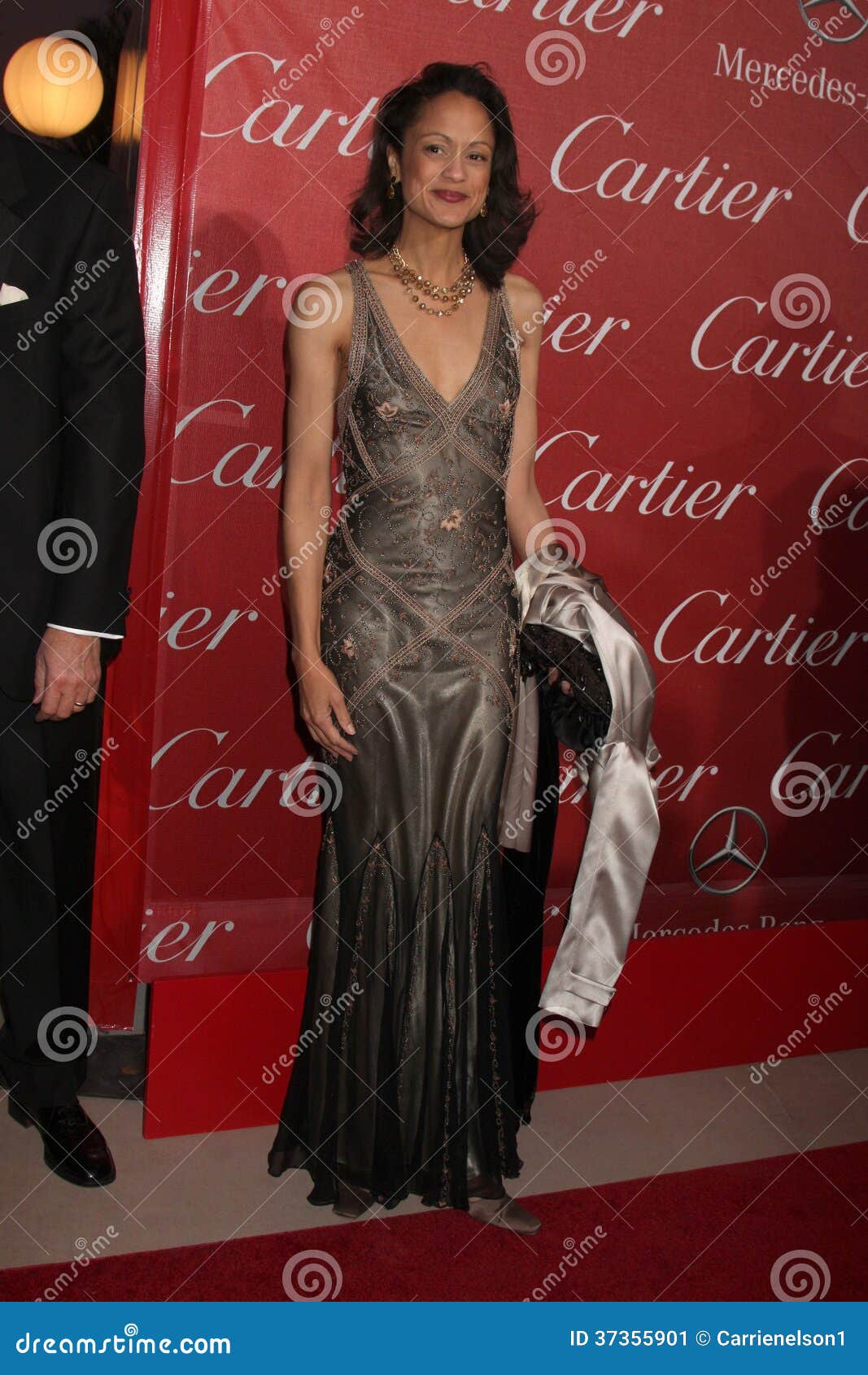
Yes, Anne-Marie Johnson is a Black African American actress, impressionist, and union activist. Born and raised in Los Angeles, California, she has proudly identified as a Black woman throughout her five-decade career in film and television, breaking barriers for African American performers in primetime network drama, sketch comedy, and union leadership.
Early Life and African American Heritage
Anne-Marie Johnson was born on July 18, 1960, in Los Angeles, California. Her racial background is Black/African American, stemming from her father's African American heritage, while her mother was of mixed heritage. Growing up in Southern California during the civil rights and post-civil rights eras, Johnson developed a keen awareness of racial representation in media and the broader fight for racial equality in the United States.
Johnson pursued her higher education at the University of California, Los Angeles (UCLA), earning a Bachelor of Arts degree in Theater Arts. Her academic foundation at UCLA provided both technical training in performance and an acute understanding of stage and screen history. During her university years, she recognized the historic underrepresentation and stereotyping of Black actors in American media, which informed both her choice of acting roles and her subsequent labor advocacy within the entertainment industry.
Her entrance into the television industry in the early 1980s coincided with a pivotal shift in broadcast television. Network television was beginning to expand beyond traditional, heavily stereotyped roles for minority actors, opening doors for Black performers to play nuanced, educated, and multi-dimensional characters. Johnson's heritage and commitment to authentic portrayal positioned her at the forefront of this generation of African American actors.
Breaking Barriers in 1980s and 1990s Television
Anne-Marie Johnson’s early television career quickly established her versatility across sitcoms, procedural dramas, and sketch comedy. During an era when Black women were rarely cast in lead drama roles on major broadcast networks, Johnson secured prominent roles that challenged industry norms.
Key Milestone Roles:
- What's Happening Now!! (1985–1988): Nadine Hudson Thomas
- In the Heat of the Night (1988–1993): Althea Tibbs
- In Living Color (1993–1994): Main Cast Member (Season 5)
- Melrose Place (1995–1996): Alycia Barnett
What's Happening Now!! (1985–1988)
One of Johnson's first major television roles was portraying Nadine Hudson Thomas on the syndicated sitcom What's Happening Now!!, the sequel to the popular 1970s series What's Happening!!. As the wife of main character Raj Thomas (played by Ernest Thomas), Nadine was depicted as an intelligent, career-oriented, and articulate Black woman co-running a household and business. This role presented a positive, contemporary image of young Black married life to millions of viewers during the mid-1980s.
In the Heat of the Night (1988–1993)
Johnson's most iconic drama role came when she was cast as Althea Tibbs in the NBC/CBS police drama series In the Heat of the Night, based on the 1967 film of the same name. Playing opposite Howard Rollins (who portrayed Chief Deputy Virgil Tibbs), Johnson performed as a middle-school teacher and counselor navigating small-town racial tensions in fictional Sparta, Mississippi.
The portrayal of Althea and Virgil Tibbs was historic for several reasons:
- Professional Dignity: It featured a college-educated, professional Black married couple living in the Deep South, dealing with structural racism and community challenges with dignity and authority.
- Complex Storytelling: Johnson carried heavy emotional storylines, including episodes addressing trauma, racial violence, educational reform, and marital friction, earning critical acclaim for her dramatic range.
- Network Visibility: At a time when primetime dramas featuring Black lead couples were exceptionally rare, Johnson’s presence on a top-rated network series provided vital visibility for African American women in television.
In Living Color (1993–1994)
Demonstrating her remarkable range, Johnson joined the main cast of Keenen Ivory Wayans' ground-breaking Fox sketch comedy series In Living Color for its fifth season. As a Black female impressionist, she delivered memorable parodies of prominent African American figures, including Whitney Houston, Mary J. Blige, Anita Hill, and Oprah Winfrey. Her ability to pivot seamlessly from dramatic acting in In the Heat of the Night to sharp political and pop-culture satire demonstrated her multi-faceted talent.
Expanding Roles Across Mainstream Genres
Following her successes in the 1980s and early 1990s, Anne-Marie Johnson avoided typecasting by securing diverse roles in mainstream drama series, soap operas, sci-fi, and comedy. Her career trajectory demonstrated that Black actresses could crossover into ensemble casts across any television genre.
Genre Diversity:
- Prime-Time Soap Drama: Melrose Place (Alycia Barnett)
- Military Legal Drama: JAG (Rep. Bobbi Latham)
- Sitcom & Comedy Drama: Girlfriends (Sharon Upton Farley) & House of Payne (Liz Shelton)
- Crime Thriller: Imposters (Gail) & The InBetween (Swanthi)
Melrose Place (1995–1996)
In 1995, Johnson joined the cast of the hit Fox primetime soap opera Melrose Place as Alycia Barnett, an ambitious corporate attorney. Her casting was notable in an ensemble show that had previously faced criticism for its lack of racial diversity. Johnson played Barnett with sharp intelligence and tactical ruthlessness, proving that Black characters could thrive in high-stakes primetime drama without being restricted to race-specific storylines.
JAG (1997–2002)
Johnson had a recurring role as Representative Bobbi Latham in the long-running CBS military legal drama JAG. Portraying a firm, principled member of the House National Security Subcommittee, Johnson brought gravitas to complex political and legal debates on screen. Her multi-year arc showcased a Black female politician in a position of institutional power, reflecting growing real-world political representation.
Subsequent Television and Film Work
Throughout the 2000s and 2010s, Johnson maintained a constant presence on screen with roles in:
- ** Girlfriends (2003–2004):** Portraying executive Sharon Upton Farley.
- ** Tyler Perry's House of Payne (2007–2010):** Playing Liz Shelton in a multi-season recurring arc.
- ** Imposters (2017–2018):** Playing Gail in the Bravo dark comedy series.
- Guest Appearances: Roles in major network procedurals including NCIS, Grey's Anatomy, How to Get Away with Murder, and The Rookie.
Historic Union Leadership and Advocacy at SAG-AFTRA
Beyond her acting career, Anne-Marie Johnson is widely recognized for her leadership within the Screen Actors Guild (SAG, now SAG-AFTRA). Her advocacy work has focused specifically on equal employment opportunities, affirmative action, and fair compensation for Black actors and other historically underrepresented performers.
SAG Leadership Milestones:
- 2003: Elected SAG National First Vice President (First African American to hold the post)
- 2003–2005: Co-Chair of the SAG National Ethnic Employment Opportunity Committee
- 2009: Candidate for SAG National President
- 2011: Candidate for SAG National President
First African American SAG National First Vice President
In 2003, Johnson made history when she was elected National First Vice President of the Screen Actors Guild. She was the first African American officer elected to this position in the union's history. During her tenure (2003–2005), she advocated for transparency in union governance, fair residuals in emerging digital media platforms, and expanded casting opportunities for minority actors.
Fighting for Inclusion and Equal Opportunity
As co-chair of the SAG National Ethnic Employment Opportunity Committee, Johnson used union data to challenge major studios and networks on racial disparities in casting. She consistently highlighted the statistical gaps in background, voiceover, and lead casting for Black, Latino, Asian, and Indigenous actors. Her work helped lay the groundwork for modern inclusion initiatives across theatrical and television contracts.
In both 2009 and 2011, Johnson ran for National President of the Screen Actors Guild, running on platforms that emphasized strong collective bargaining, protection of actors' intellectual property, and robust diversity enforcement in industry contracts.
Career Summary and Notable Roles
The following table summarizes Anne-Marie Johnson's primary roles, television genres, and key historical achievements in media and labor representation:
| Period | Project / Institution | Role / Position | Media Genre | Cultural & Professional Significance |
|---|---|---|---|---|
| 1985–1988 | What's Happening Now!! | Nadine Hudson Thomas | Sitcom | Showcased a modern Black professional marriage on broadcast television. |
| 1988–1993 | In the Heat of the Night | Althea Tibbs | Drama / Procedural | Landmark portrayal of an educated Black couple confronting Southern racial dynamics. |
| 1993–1994 | In Living Color | Main Cast Member | Sketch Comedy | Featured high-profile impersonations of Black female cultural icons. |
| 1995–1996 | Melrose Place | Alycia Barnett | Primetime Soap | Integrated Black leadership into an iconic 90s ensemble drama. |
| 1997–2002 | JAG | Rep. Bobbi Latham | Military Legal Drama | Depicted a Black female congresswoman navigating defense policy. |
| 2003–2005 | Screen Actors Guild (SAG) | National 1st Vice President | Union Leadership | First African American to serve as SAG National First Vice President. |
| 2007–2010 | House of Payne | Liz Shelton | Comedy / Drama | Recurring role in Tyler Perry's record-breaking syndicated series. |
| 2017–2018 | Imposters | Gail | Dark Comedy / Thriller | Highlighted veteran performance skills in modern cable streaming eras. |
The Cultural Impact of Black Actresses in 1980s and 1990s Media
Understanding Anne-Marie Johnson’s legacy requires examining the broader context of Black women in American entertainment during the late 20th century. When Johnson began acting in the early 1980s, roles for Black actresses were frequently limited to comedic sidekicks, domestic workers, or secondary characters in urban dramas.
Evolution of Roles for Black Actresses (1970s–2000s):
- 1970s: Heavily stereotyped sidekick or domestic roles
- 1980s: Emergence of educated sitcom wives (e.g., Cosby Show, What's Happening Now!!)
- 1990s: Dramatic leads and genre crossovers (e.g., In the Heat of the Night, Melrose Place)
- 2000s+: Union leadership, executive producing, and non-traditional lead casting.
Johnson belonged to a groundbreaking cohort of African American actresses—including Phylicia Rashad, Debbi Morgan, Alfre Woodard, and Lynn Whitfield—who demanded and secured multidimensional roles. By playing characters defined by professional expertise (lawyers, teachers, politicians), Johnson helped reshape public perceptions of Black women on American television screens.
Her simultaneous commitment to union leadership demonstrated that achieving screen visibility was only part of the battle; structural changes in hiring practices, contract negotiations, and union representation were equally vital for sustaining progress across generations of Black performers.
Frequently Asked Questions
Is Anne-Marie Johnson Black?
Yes. Anne-Marie Johnson is an African American actress who has publicly identified as Black throughout her career. Her father was African American, and her mother was of mixed heritage.
What is Anne-Marie Johnson best known for?
She is best known for her roles as Althea Tibbs on In the Heat of the Night, Nadine Hudson Thomas on What's Happening Now!!, Alycia Barnett on Melrose Place, Representative Bobbi Latham on JAG, and as a main cast member on season five of In Living Color.
Did Anne-Marie Johnson hold an official position in the Screen Actors Guild?
Yes. In 2003, she was elected National First Vice President of the Screen Actors Guild (SAG), becoming the first African American officer in SAG history to hold that post. She served until 2005 and later ran for SAG National President in 2009 and 2011.
What education did Anne-Marie Johnson receive?
She attended the University of California, Los Angeles (UCLA), where she earned a Bachelor of Arts (B.A.) degree in Theater Arts.
Has Anne-Marie Johnson won awards for her advocacy or acting?
Throughout her career, Johnson has received nominations for NAACP Image Awards for her dramatic acting and has been honored by labor organizations and civic groups for her work advocating for diversity, affirmative action, and equal employment opportunities in the entertainment industry.
Practical Recommendations for Media Historians and Aspiring Actors
- Study 1980s and 1990s Television Transformations: For students of film and television history, reviewing Johnson’s performances in In the Heat of the Night offers essential insight into how network dramas began addressing American race relations through complex Black characters.
- Examine Labor Advocacy in Media: Performers interested in industry labor rights should examine SAG-AFTRA historical archives regarding ethnic employment reports co-authored during Johnson’s executive tenure in the early 2000s.
- Explore Multi-Genre Training: Johnson’s transition between multi-camera sitcoms, procedural dramas, primetime soaps, and live-taped sketch comedy highlights the career longevity made possible by formal theater education and versatile voice work.