The Allianz Life Pro Elite Fixed Index Universal Life (FIUL) insurance policy serves as a dual-purpose financial vehicle designed to provide a permanent death benefit while offering supplemental tax-advantaged cash value accumulation. By linking potential interest credits to external market indices, it allows policyholders to supplement retirement income or fund legacy goals without direct market exposure.
Understanding the Framework of Allianz Life Pro Elite
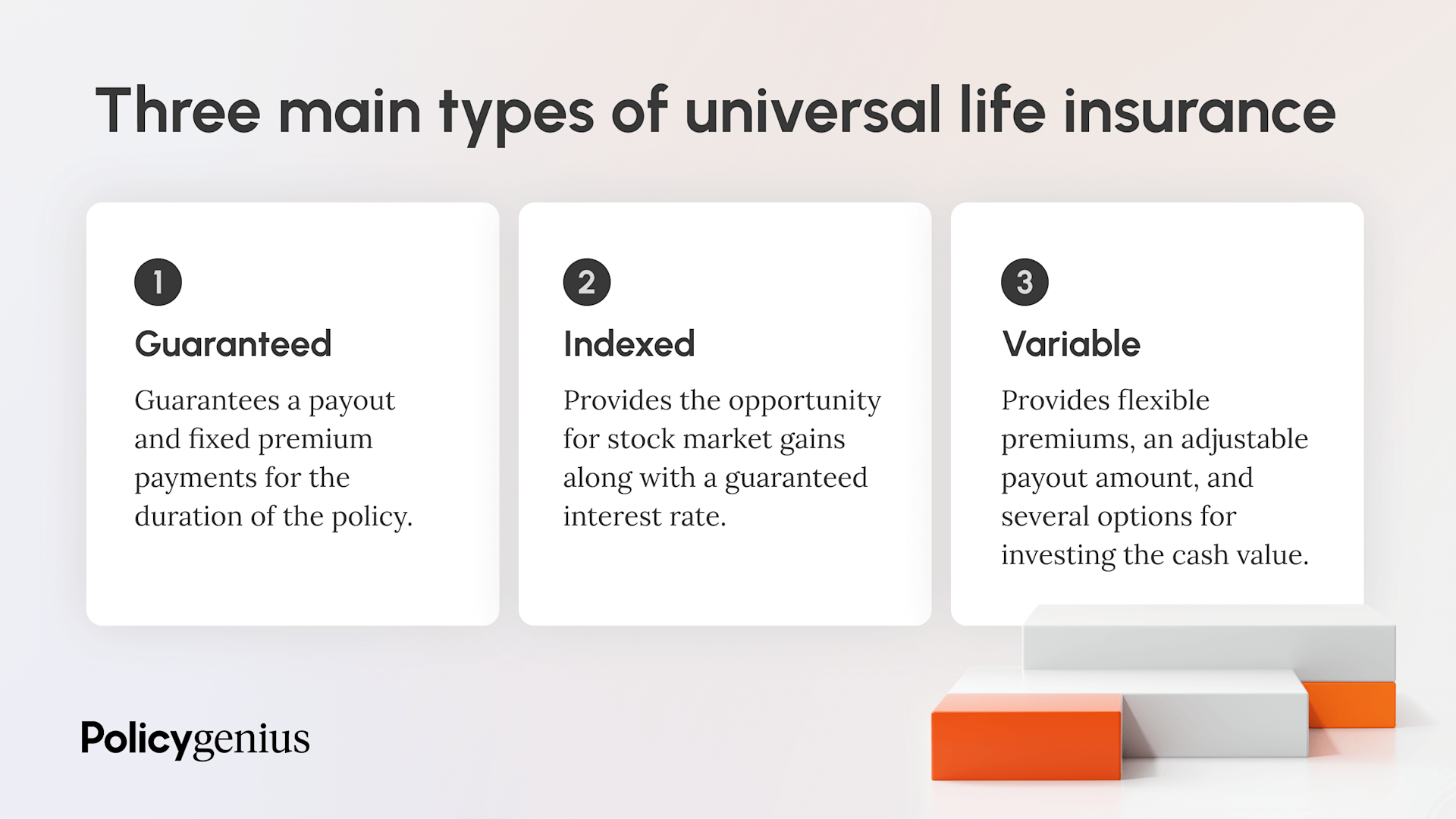
Fixed Indexed Universal Life (FIUL) insurance, such as the Allianz Life Pro Elite, occupies a unique space between traditional Universal Life and Variable Universal Life. In the landscape of 2026, these products are increasingly utilized by high-net-worth individuals and professionals looking for "supplemental" financial security. The "Elite" designation typically refers to a product structure optimized for cash value accumulation, often featuring specific cost-of-insurance (COI) adjustments and bonus structures tailored for higher-premium funding.
Unlike a traditional whole life policy where dividends are declared by the board, the Life Pro Elite policy calculates interest based on the performance of a chosen index, such as the S&P 500 or the Bloomberg US Dynamic Balance II ER Index. However, the policyholder is not actually invested in the market. Instead, the insurance company uses the premium (after fees) to invest in fixed-income instruments while purchasing options to hedge the index performance. This structure ensures that even if the market experiences a significant downturn, the policy’s index-linked accounts are protected by a 0% floor, meaning the cash value will not decrease due to market volatility.
The Mechanics of Supplemental Cash Value Accumulation
The "supplemental" aspect of the Life Pro Elite policy most frequently refers to its capacity to act as a supplemental retirement account (often called an LIRP, or Life Insurance Retirement Plan). To maximize this potential, policyholders must understand three critical levers: participation rates, caps, and spreads.
Participation Rates and Caps
The participation rate determines what percentage of the index's growth is credited to the policy. For instance, if an index grows by 10% and the participation rate is 140%, the policy could theoretically receive a 14% credit (assuming no cap). Conversely, a "cap" is the maximum interest rate the policy can earn in a given period. As of 2026, Allianz frequently utilizes "uncapped" strategies with spreads or participation rates to provide more upside potential in high-growth years.
The Impact of Indexing Bonuses
Allianz is well-known for its "Index Performance Bonus" or "Multiplier" features. In the Life Pro Elite series, these bonuses are designed to reward long-term accumulation. Typically, after a set number of years or upon meeting specific premium requirements, the company adds a percentage of the interest credit back into the policy. This compounding effect is what makes the Life Pro Elite a premier choice for those seeking to supplement their future income.
Accessing Supplemental Income via Policy Loans
The primary reason many investors seek the Life Pro Elite "supplemental" strategy is the ability to access funds tax-free under current Internal Revenue Code (IRC) Section 72(e). When a policy is structured correctly—meaning it is not classified as a Modified Endowment Contract (MEC)—the policyholder can take withdrawals up to the basis (the total premiums paid) and then switch to policy loans.
Fixed vs. Variable (Participating) Loans
Allianz offers different loan regimes that can significantly impact the efficiency of supplemental income.
- Fixed Loans: These have a set interest rate, and the borrowed amount is moved into a collateral account earning a fixed rate. This is a "wash loan" scenario when the rates are equal, resulting in zero net cost.
- Participating Loans: These allow the collateralized cash value to remain in the indexed accounts. If the index performs well, the policyholder can earn more in interest credits than they are paying in loan interest, creating "positive arbitrage." This is a high-level strategy used to boost supplemental income during retirement.
Supplemental Benefits and Living Benefit Riders
The "supplemental" nature of the Life Pro Elite also extends to "Living Benefits." These are riders that allow the policyholder to access the death benefit while they are still alive under specific health circumstances. This effectively provides supplemental long-term care or disability protection without the need for a separate policy.
- Chronic Illness Rider: If the insured is unable to perform two of the six Activities of Daily Living (ADLs) or suffers from severe cognitive impairment, they can accelerate a portion of the death benefit.
- Terminal Illness Rider: If diagnosed with a life expectancy of 12 months or less (depending on state regulations), the policyholder can access a significant portion of the death benefit to cover medical costs or final expenses.
- Supplemental Term Riders: For those who need additional death benefit protection during high-liability years (like while a mortgage is active), supplemental term riders can be added to the base FIUL policy to increase coverage at a lower cost than increasing the permanent base.
Cost Structure and Policy Charges
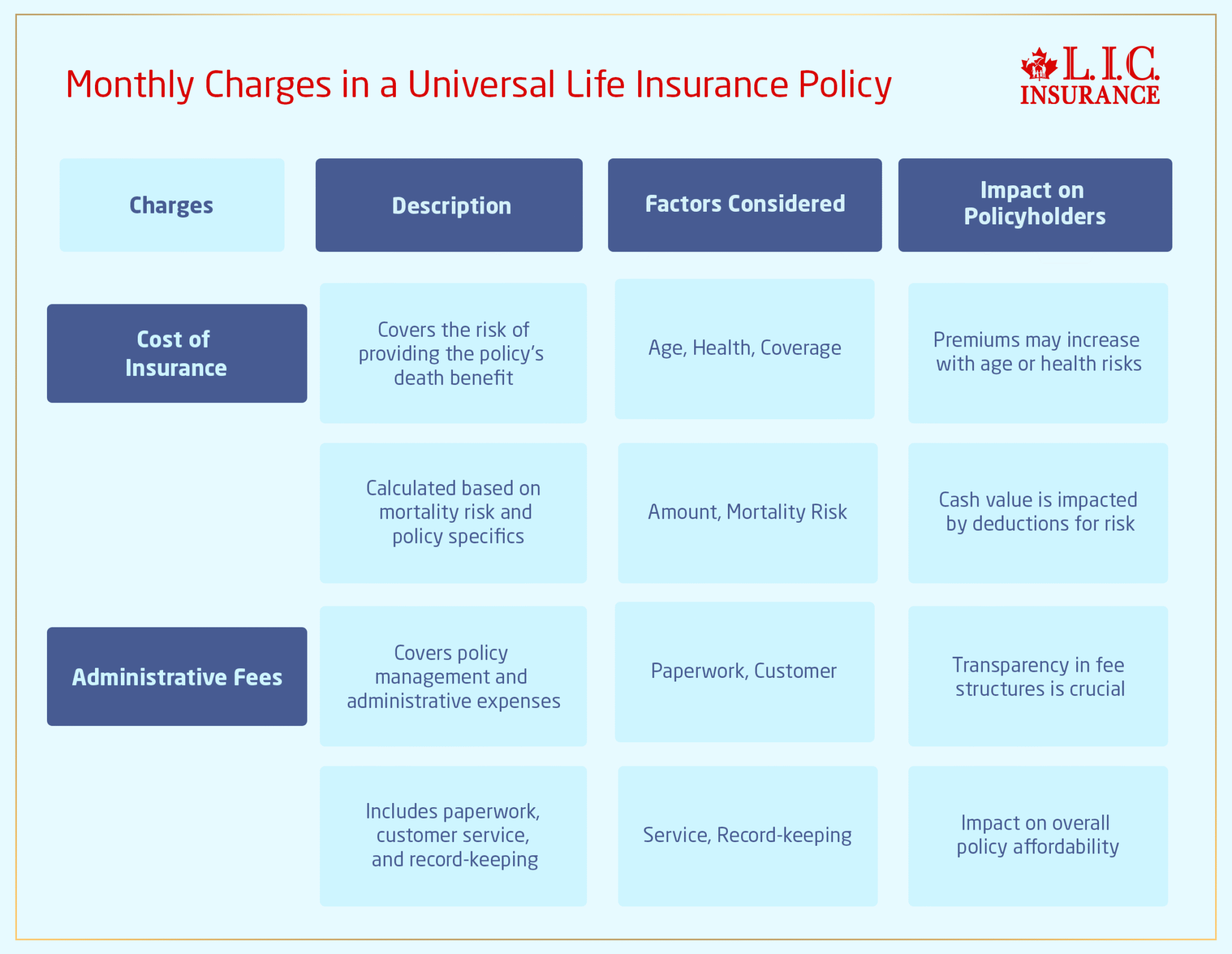
Understanding the fee transparency of the Life Pro Elite is vital for long-term performance. Every premium payment is subject to certain deductions before it begins earning interest credits.
- Premium Load: A percentage taken off the top of every premium payment, covering state taxes and administrative costs.
- Expense Charges: A monthly fee per $1,000 of the face amount, usually higher in the first 10–15 years.
- Cost of Insurance (COI): The actual cost of the death benefit protection, which increases as the insured ages.
- Surrender Charges: These are significant in the early years (often lasting 10 to 15 years) to discourage early cancellation.
Comparative Analysis: Life Pro Elite vs. Standard FIUL Models
| Feature | Allianz Life Pro Elite (2026) | Standard FIUL Policies |
|---|---|---|
| Primary Goal | High Cash Value Accumulation | Death Benefit Protection |
| Index Options | Proprietary & Diversified (e.g., PIMCO, Bloomberg) | Usually Limited (S&P 500 only) |
| Bonus Structure | High (Cumulative Performance Bonuses) | Standard or None |
| Loan Types | Fixed, Standard, and Participating | Usually Fixed Only |
| Target Audience | High-Income/Supplemental Retirement | Middle-Market Family Protection |
| Minimum Face Amount | Typically $100,000+ | Often as low as $25,000 |
Strategic Implementation: Avoiding the MEC Trap
For the Life Pro Elite to function as a supplemental income tool, it must avoid becoming a Modified Endowment Contract (MEC). A policy becomes a MEC if the premiums paid exceed the "7-Pay Test" limits set by the IRS. If a policy becomes a MEC, withdrawals and loans are taxed as ordinary income to the extent of the gain, and a 10% penalty may apply if the owner is under age 59.5.
Expert policy design involves "max-funding" the policy up to the MEC limit while keeping the death benefit (the "corridor") as low as legally possible to minimize internal insurance costs. This maximizes the efficiency of the supplemental cash accumulation.
Potential Risks and Limitations
While the Allianz Life Pro Elite offers significant upside, it is not without risks that require management:
- Cap/Participation Rate Risk: Allianz reserves the right to change these rates periodically. If interest rates remain low or market volatility is high, the company may lower caps, reducing the supplemental growth potential.
- Lapse Risk: If the policy is heavily loaned and the index performance is poor for several years, the policy could lapse. A lapse on a heavily loaned policy can trigger a massive tax bill, as all previous "tax-free" loans become taxable income at once.
- Complexity: These policies require active management and annual reviews with a qualified financial professional to ensure the funding levels and loan strategies remain on track.
Frequently Asked Questions
What does "supplemental" mean in the context of Allianz Life Pro Elite?
In this context, "supplemental" usually refers to using the policy's cash value to provide an additional source of retirement income alongside Social Security and 401(k) plans. It can also refer to supplemental riders that provide "living benefits" for chronic or terminal illnesses.
Can I lose money in the Allianz Life Pro Elite policy?
While your cash value is protected from market losses by a 0% floor (meaning index volatility won't cause the value to drop), you can still see a decrease in cash value if the annual interest credits are lower than the policy's internal charges and fees. It is a "fixed" index product, but the costs of insurance are still deducted monthly.
How does the Index Performance Bonus work?
The bonus is an additional credit provided by Allianz, typically starting in the first year or after a specific milestone. It is calculated as a percentage of the interest credited from the index. For example, if your index credit is 5% and your bonus is 15%, your total credit would be 5.75%. This significantly enhances the supplemental growth over several decades.
Is the supplemental income really tax-free?
Yes, provided the policy is not a MEC. Policy loans are not considered taxable income because they are technically debts against the death benefit. Withdrawals are tax-free up to the amount of premiums paid (cost basis). However, if the policy lapses or is surrendered with outstanding loans, those loans become taxable.
Who should consider the Life Pro Elite version over other Allianz products?
The Life Pro Elite is generally best suited for individuals who have a high risk-adjusted budget for premiums and are focused on long-term accumulation. It is designed for those who want a sophisticated balance of death benefit protection and a robust engine for supplemental wealth.
Final Recommendation
The Allianz Life Pro Elite Fixed Index Universal Life policy is a powerful instrument for those who require a permanent death benefit but also want to build a "supplemental" tax-advantaged bucket of capital. To succeed with this policy in 2026, ensure you are working with an advisor who can demonstrate a "maximum-efficient" design—minimizing the death benefit relative to the premium to lower internal costs. Monitor your annual statements closely, specifically the participation rates and the health of the cash value relative to any outstanding loans. When managed with discipline, this policy can serve as a cornerstone of a diversified supplemental income strategy.